Tips and Inspiration
From Unilever Beauty Experts
;Resize=(486,122))

If your skin has been acting up – breakouts, dry patches, or sudden sensitivity – that you’ve had to Google “how to know if your skin barrier is damaged,” you’re not alone. Many people experience these frustrating changes without realizing that the root cause often lies in the skin barrier itself. To recognize the signs of damaged skin barrier, start by understanding what it is and what it does.
What Is Your Skin Barrier?
What Can Damage Your Skin Barrier?
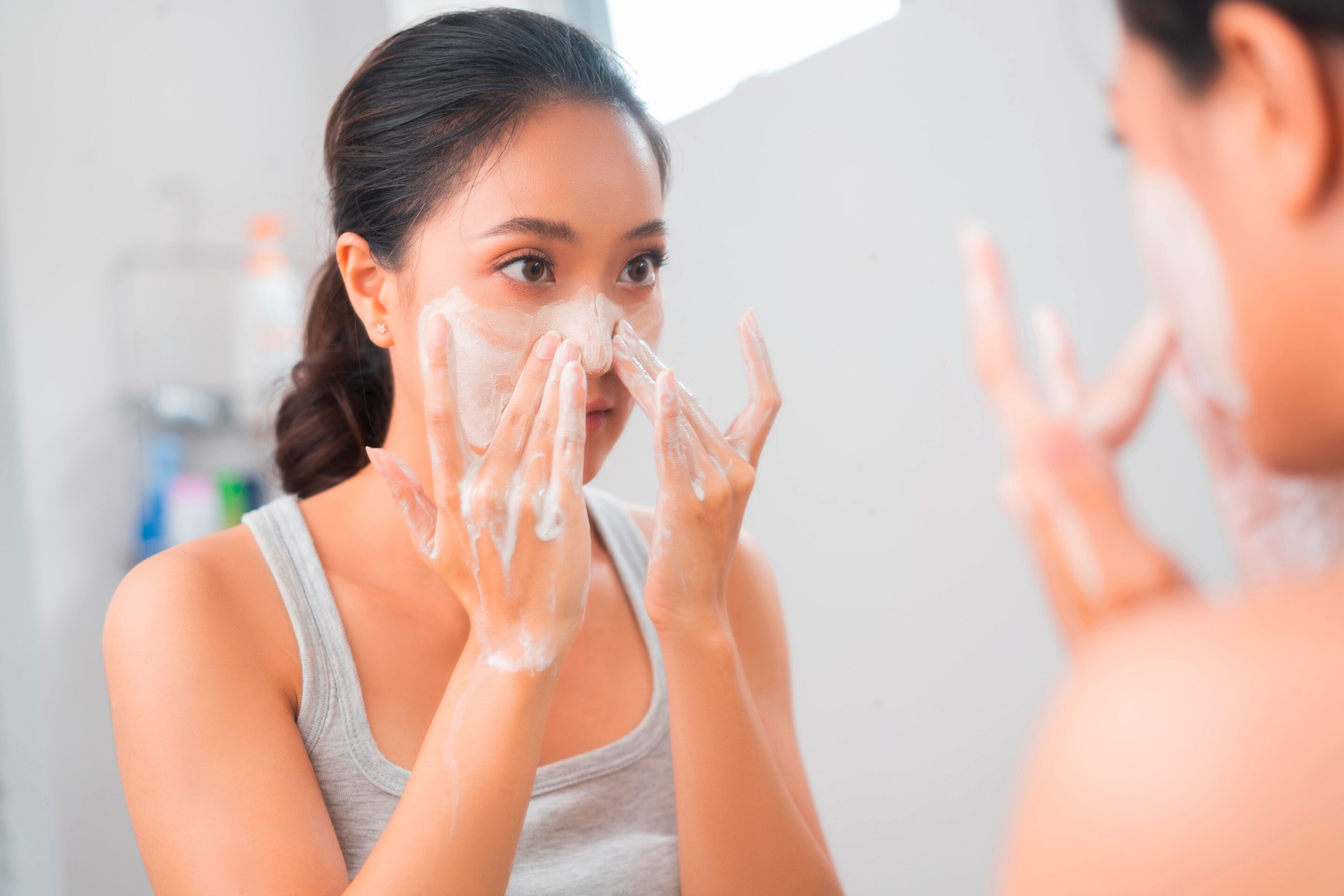
Many factors can weaken your skin barrier, from genetics to underlying skin conditions like psoriasis, eczema, and rosacea. But external stressors can be just as damaging. Using harsh soaps or strong chemicals, washing too often, or over-exfoliating can strip away your skin’s natural protection, leaving it dry and more vulnerable. Spending too much time without sunscreen can also break down skin barrier function.
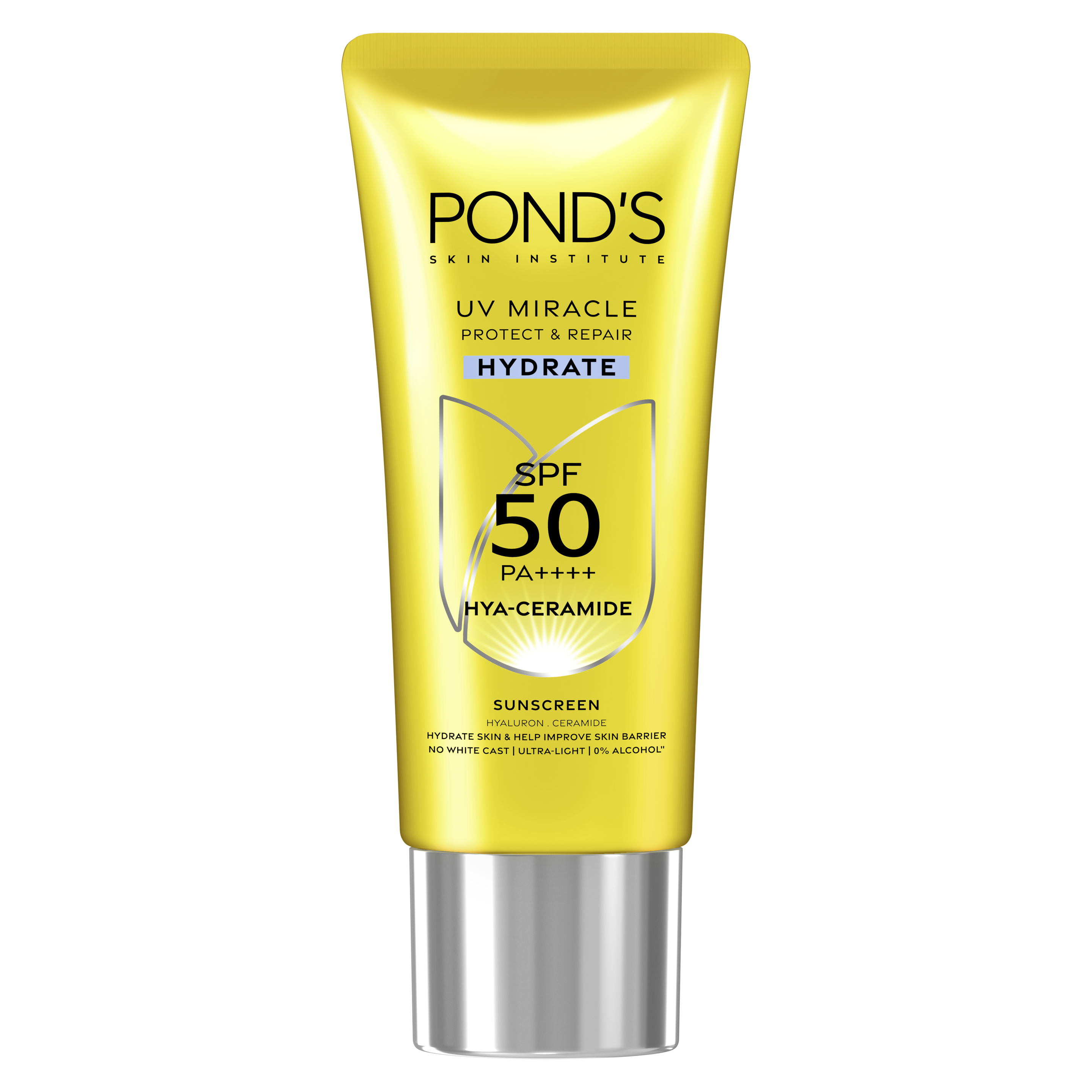
To keep your skin protected from the sun’s harmful rays, apply POND'S UV Hydrate Sunscreen. It provides SPF 50 PA ++++ protection minus the white cast. Formulated with hyaluron, it not only protects but also replenishes your skin’s moisture.
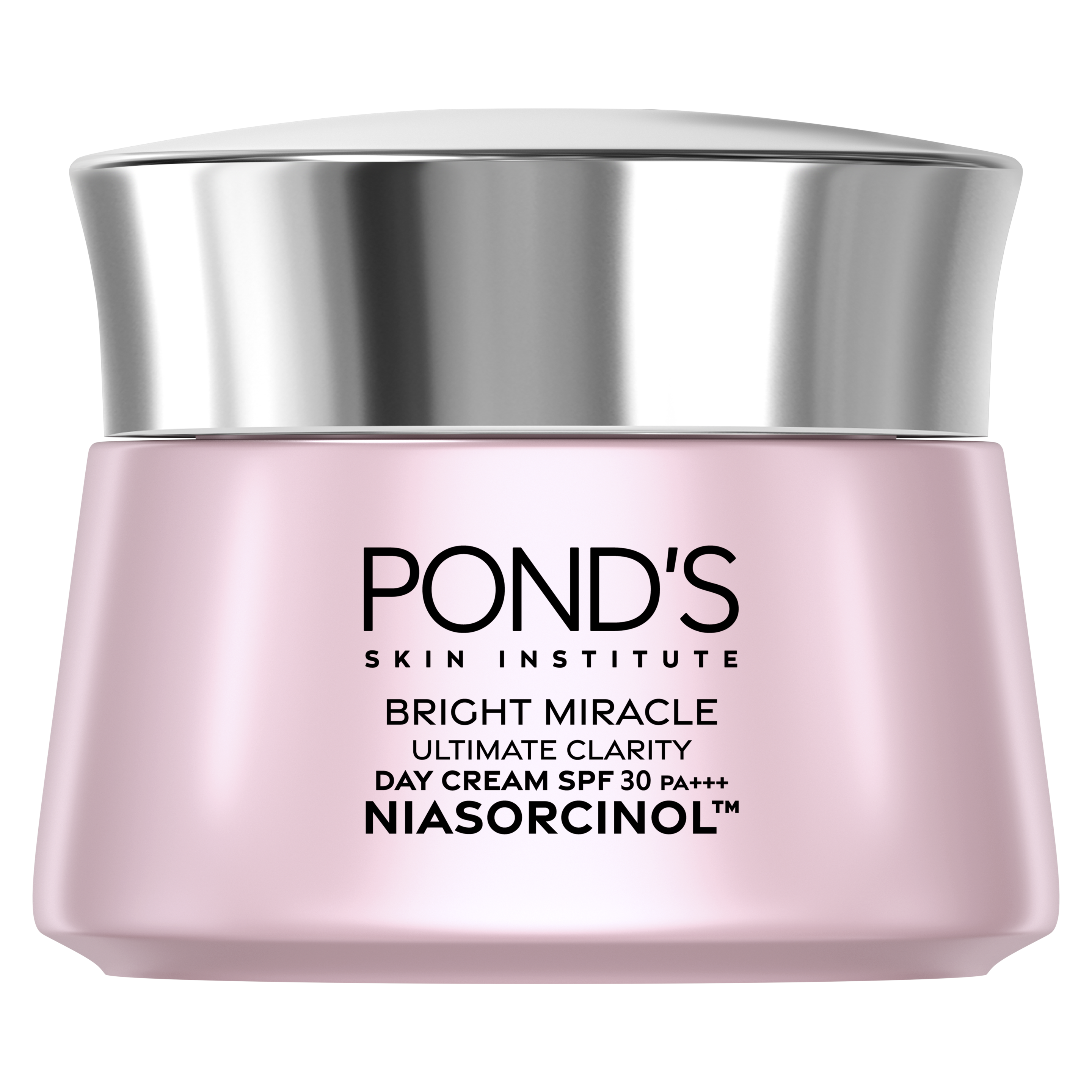
Another way to restore your skin barrier is with POND'S Bright Miracle Day Cream, which uses Micro Repair Technology to work on micro-damage up to 10 layers deep. It also offers SPF 30 PA+++ sun protection, so it not only repairs but also protects against future damage caused by UV exposure.
Your lifestyle has a major impact on your skin’s health, too. Lack of sleep and poor diet can reduce collagen, stress leads to inflammation and slows down healing and recovery, and smoking depletes your skin’s vitamin D, which is essential for keeping the skin barrier’s structural integrity intact.
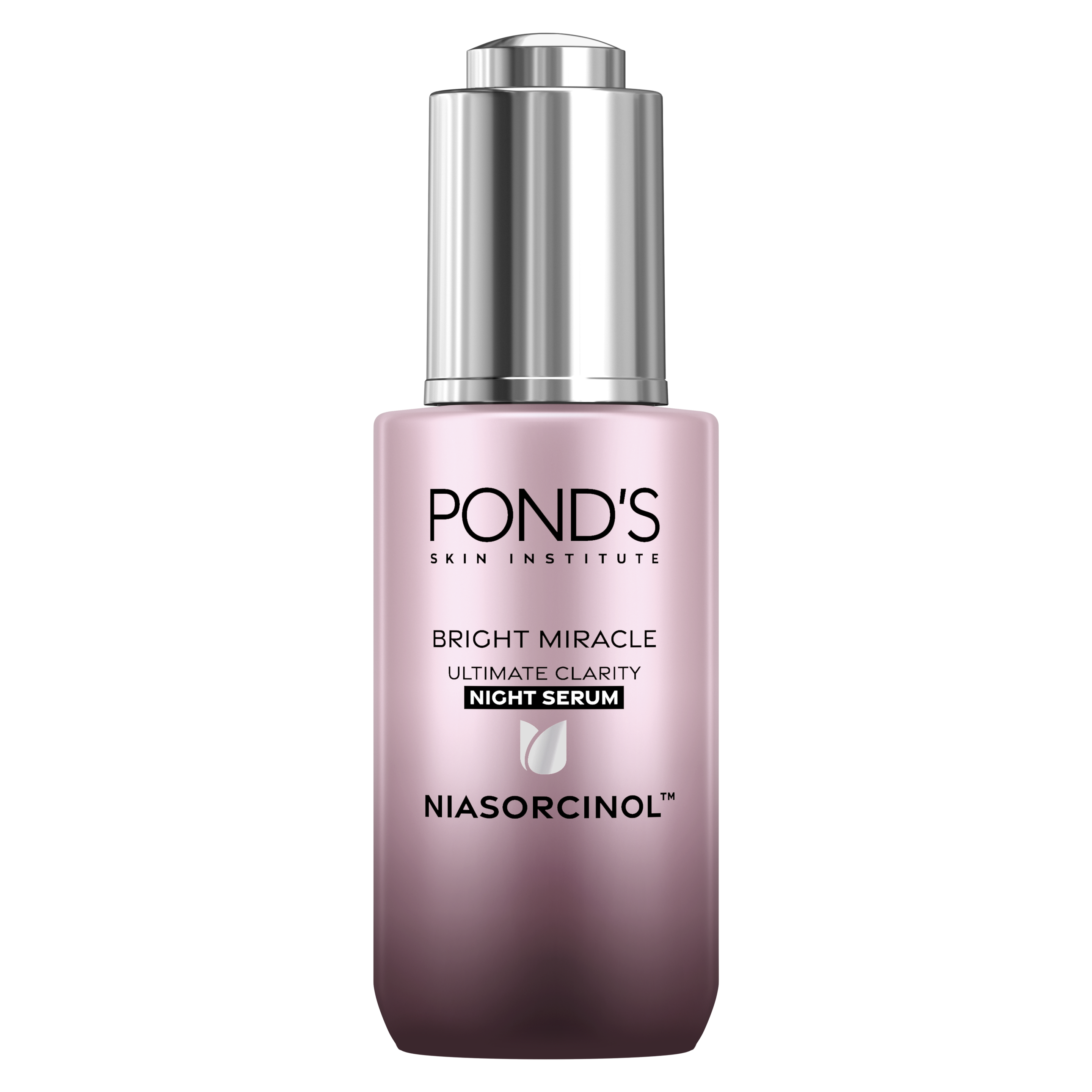
On top of getting enough shut-eye, you can apply POND'S Bright Miracle Night Serum before bedtime, which is designed to enhance the skin's natural repair process while you sleep.
The good news is that the external factors are within your control. Poor habits and lifestyle choices can take a toll, but learning how to know if your skin barrier is damaged early on helps you prevent problems before they even start.
How to Know if Your Skin Barrier Is Damaged
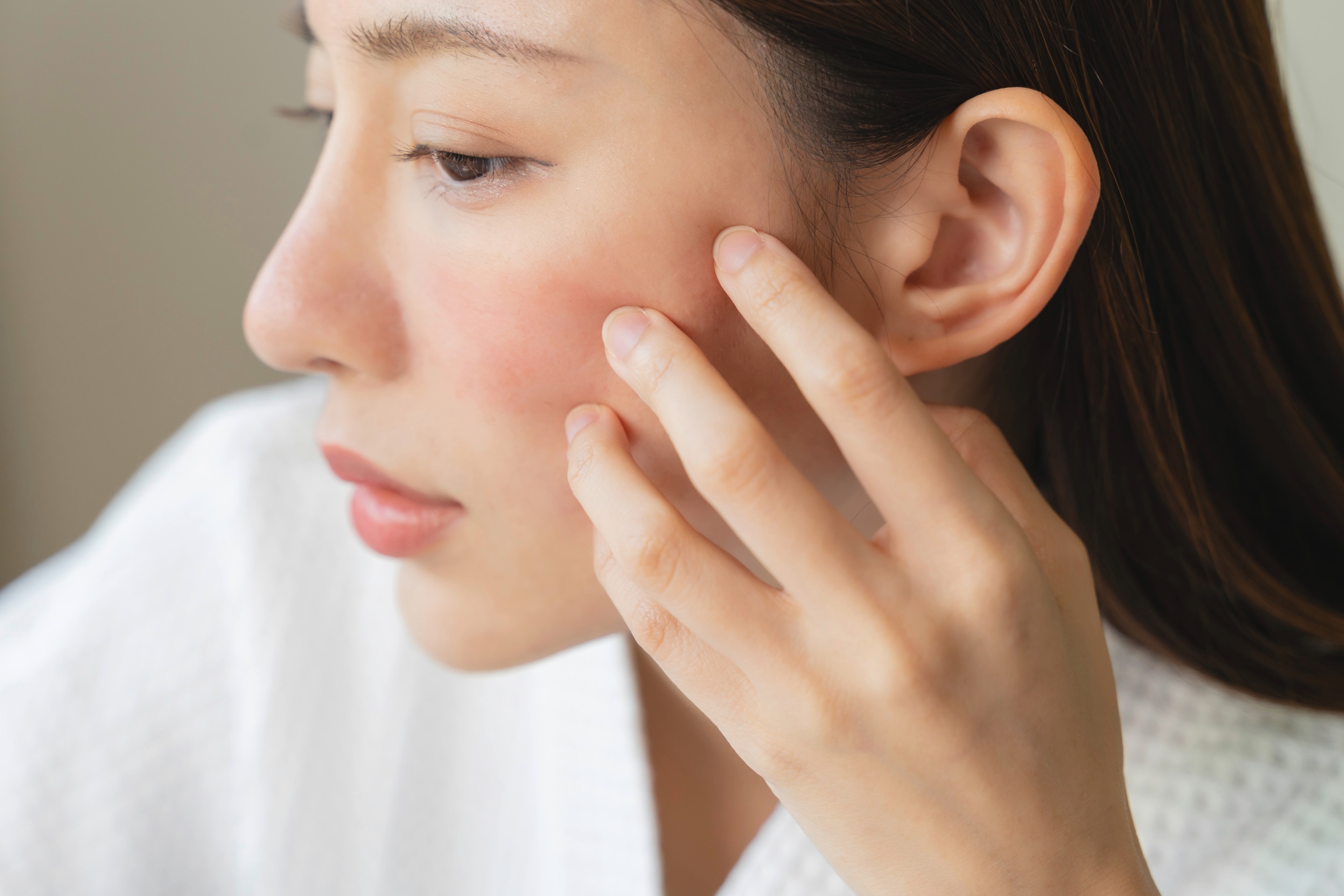
The skin barrier serves as the first line of defense. When it’s damaged, outside factors like pollutants and germs can penetrate more easily, making it vulnerable to infections.
Meanwhile, sun exposure, chemical damage, and over-exfoliation can thin your skin barrier, leaving it fragile and sensitive – even to products you normally use.
The easiest way to remember how to know if your skin barrier is damaged is to watch out for sudden changes in how your skin looks, feels, and reacts.
How to Prevent Skin Barrier Damage
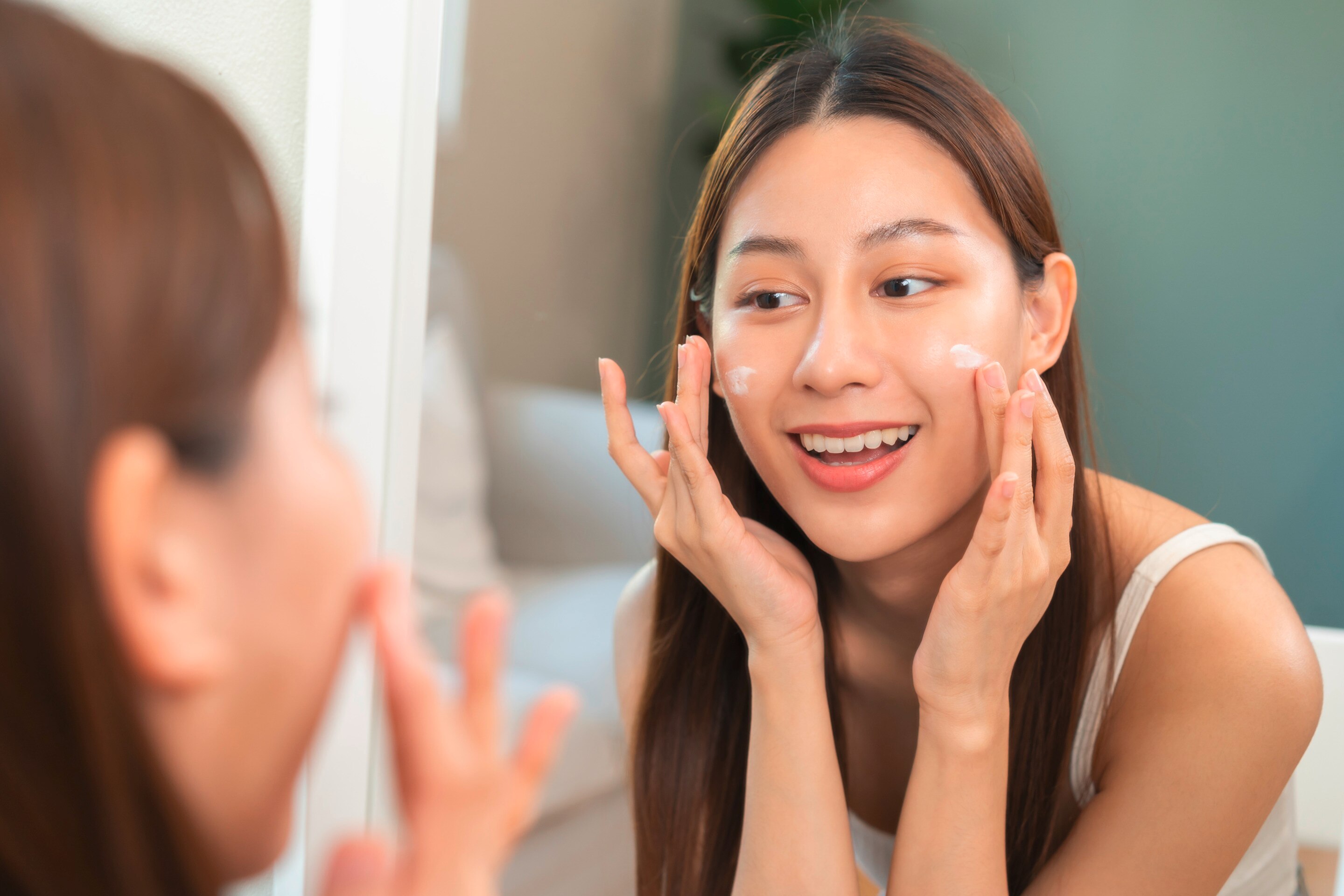
If you suspect an underlying skin condition, it’s always best to check in with a dermatologist, who can help you find the right treatment.
Otherwise, there are easy and simple ways to ensure your skin barrier stays protected and intact. When it comes to proper cleansing and exfoliation, the golden rule is moderation. Over-washing or over-exfoliating can backfire and strip your skin’s natural oils.
Daily protection is key as well. Apply sunscreen for protection and use a moisturizer to nourish and replenish lost hydration. A lifestyle that supports your skin also goes a long way. Prioritize sleep and manage your stress levels. Make sure you eat a balanced diet and get enough vitamin D.
Ultimately, learning how to know if your skin barrier is damaged gives you the power to take action before minor issues turn into long-term concerns. By paying attention to the signs, making mindful choices in your skincare routine, and supporting your skin through healthy lifestyle habits, you can keep your skin barrier strong and resilient.