Tips and Inspiration
From Unilever Beauty Experts
;Resize=(486,122))

During this exciting chapter, your skin can change unexpectedly. While some moms-to-be notice that sought-after glow, others experience dryness, uneven tone, or sudden breakouts. The right skincare for pregnant women can help you stay comfortable and confident as your body changes.
Understanding what’s safe, what to skip, and which common skincare myths to ignore during pregnancy can help you make thoughtful choices. Below, you’ll find ingredients worth reaching for – and a few best left out of your routine. Remember that it’s always best to consult your dermatologist or OB-GYN, especially if you have a skin condition.
What Pregnant Women Can Use
Research shows that up to 90 percent of pregnant women experience skin changes. During pregnancy, your skin becomes more sensitive to certain chemicals and is prone to irritation. Hormonal shifts can increase oil in some areas and reduce moisture in others, while higher blood flow and immune changes can cause redness, stinging, or itching.
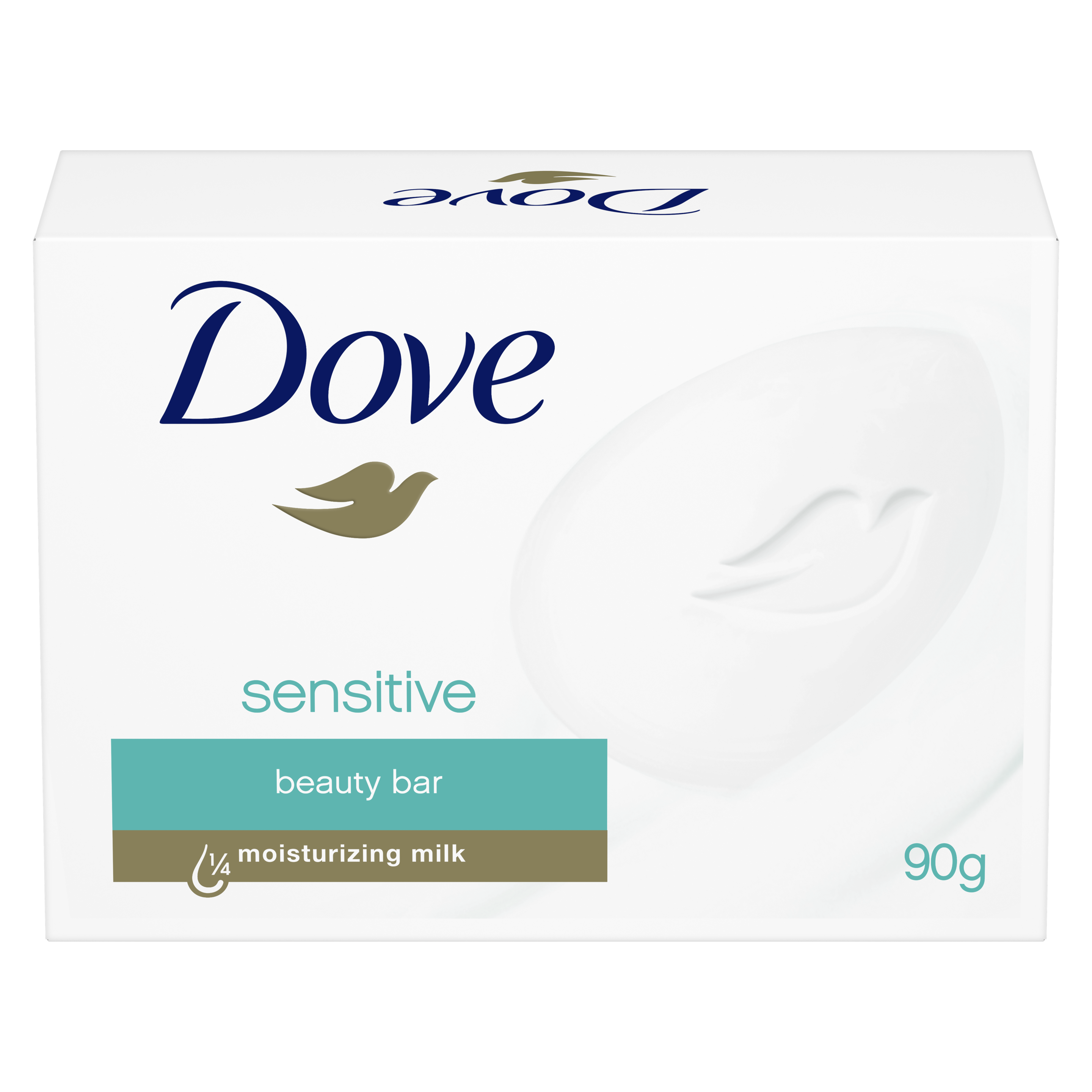
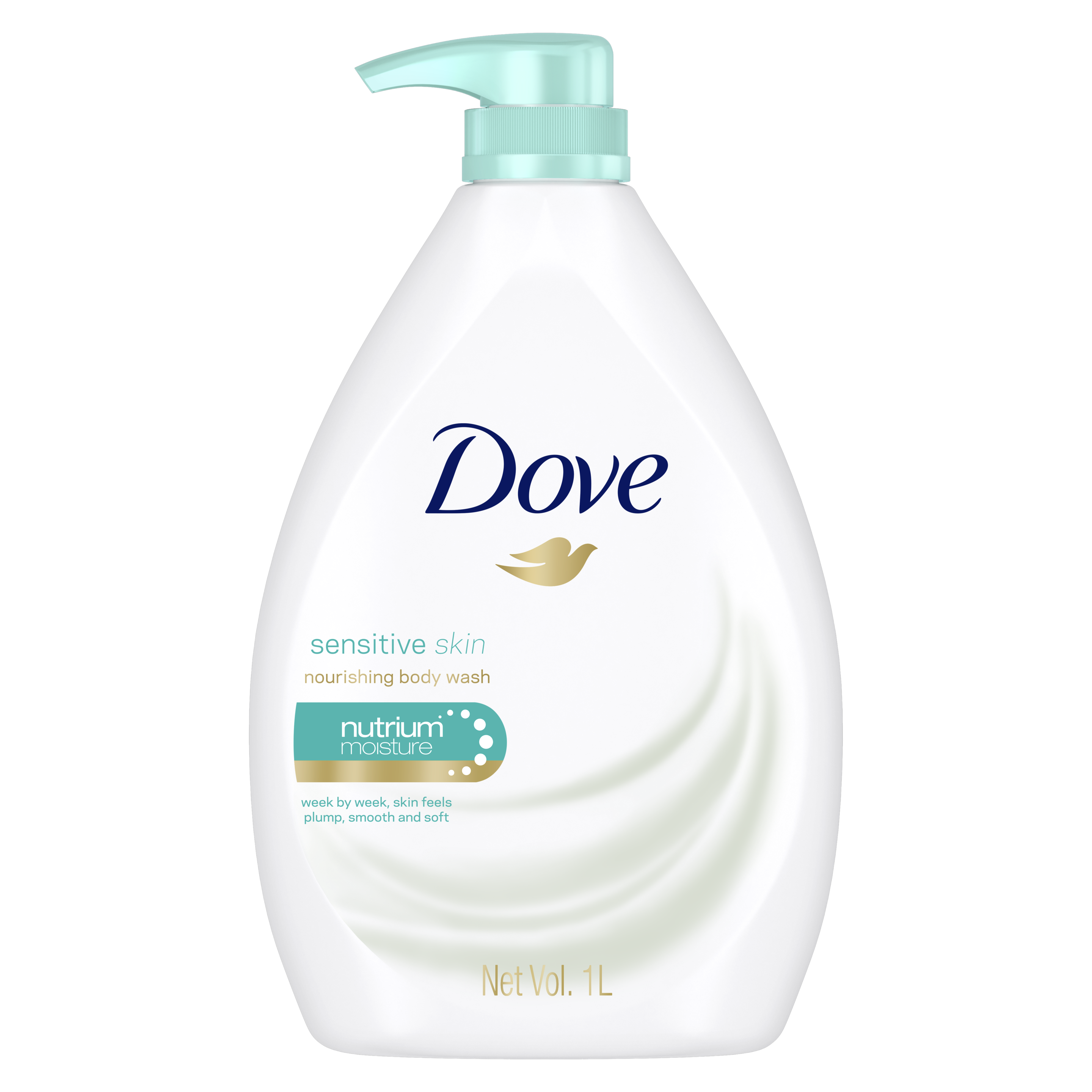
With that in mind, opt for hypoallergenic and fragrance-free formulas that are dermatologist-approved. Choose products formulated for sensitive skin, such as Dove Sensitive Beauty Bar or Dove Sensitive Skin Body Wash. Unlike ordinary soap, Dove helps protect the skin’s natural moisture, and you can use it on your hands, body, or face. As an extra step, inform your dermatologist or OB-GYN about the skincare products you’re using so you’re in the clear.
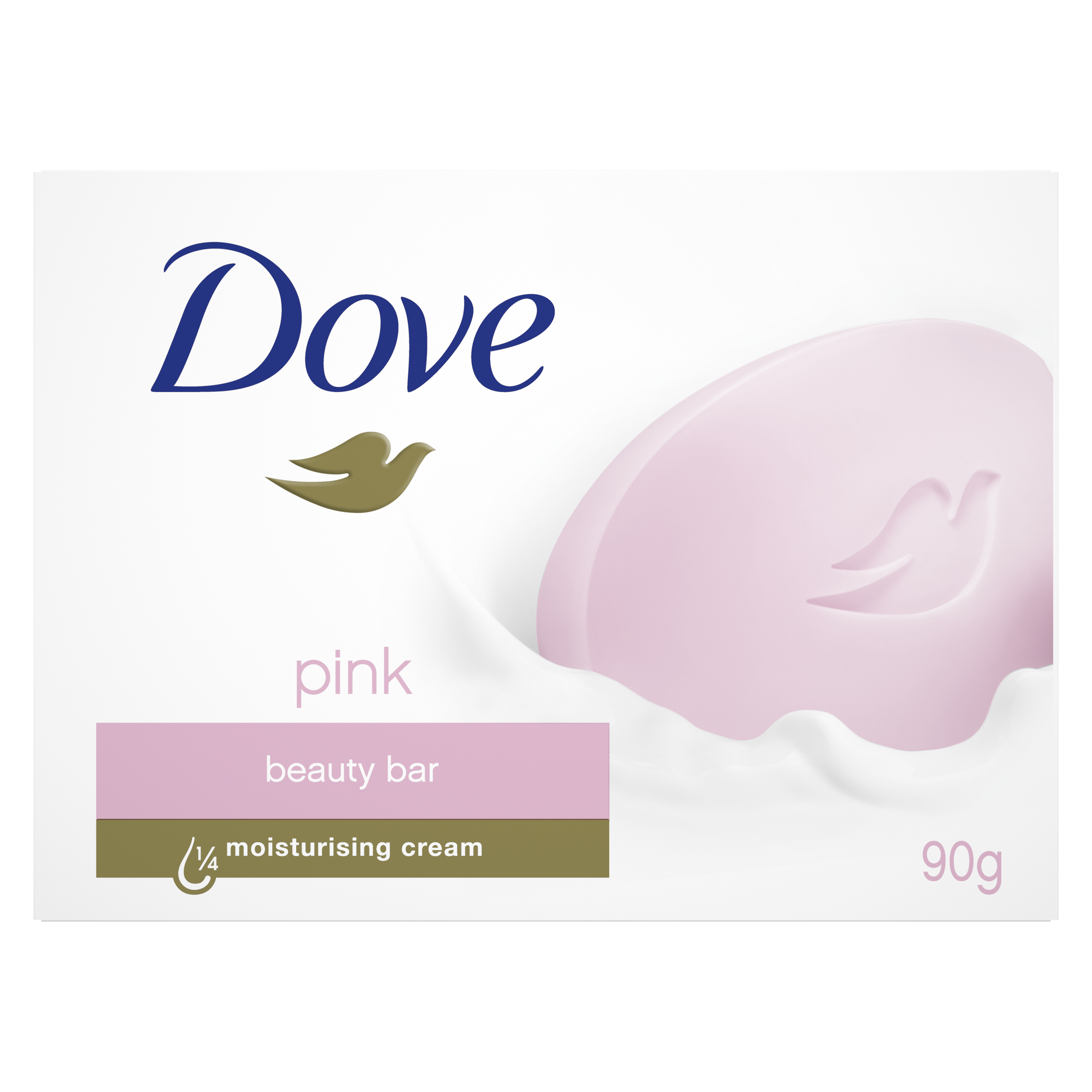
Meanwhile, if dry skin is your concern, the Dove Pink Beauty Bar combines a gentle formula with ¼ moisturizing cream to help replenish nutrients lost during the cleansing process.
What Pregnant Women Should Avoid
A 2022 study in the Journal of Clinical and Aesthetic Dermatology provides a detailed list of ingredients to avoid during pregnancy. Below are some of the most common ones.
- Topical Retinoids: Although the absorption rate of topical retinoids (vitamin A derivatives) is low, there is conflicting evidence regarding their safety for pregnant women.
- Salicylic Acid: Salicylic acid is a common treatment for acne, but its absorption levels can vary. Animal studies have shown possible risks to developing embryos when taken systemically, although most human studies show no significant danger with topical use.
- Hydroquinone: Hydroquinone is a common treatment for these concerns, but experts recommend avoiding it while pregnant. According to a 2019 study, you should reduce using hydroquinone – especially in leave-on products – during pregnancy.
- Phthalates: You can find phthalates in many personal care products. They are endocrine-disrupting chemicals that fetuses are susceptible to at a certain stage of their development.
In addition to the ingredients above, consider personal sensitivities and allergies when choosing your skincare products.
Your Pregnancy Skin Timeline
From that early “glow” to unexpected breakouts or dark spots, your skin tells the story of your pregnancy. Here’s how it can evolve – and what’s really happening beneath the surface.
Your skin may become more sensitive during the first trimester.

Understanding how skin typically changes through pregnancy helps set expectations for the months ahead. As progesterone and hCG rise, your skin starts to produce more sebum. This can cause new breakouts or make existing acne a bit more noticeable.
Your oil glands may also become more active, causing new breakouts to appear and making existing acne look more noticeable. At the same time, your skin can feel more reactive than usual, with occasional redness, stinging, or dryness.
You'll notice a glow, but other changes become more apparent in the second trimester.

As your blood circulation improves, you may notice a natural glow during pregnancy. Pigmentation changes can also become more visible. Melasma may deepen, and the linea nigra on your belly can appear darker. Areas that experience more friction, such as the neck or underarms, may also develop small skin tags.
Skin changes can peak as your belly expands during the third trimester.

Your body is growing fast, and your skin is keeping up. That is why stretch marks during pregnancy can appear, sometimes with a pulled or itchy sensation. You might sweat more, and color shifts usually become prominent in the last semester. Some women also get PUPPP, a pregnancy-only rash that shows up around stretch marks.
Pregnancy-Safe Skincare Ingredient Guide
Pregnancy already brings so many changes to your body and skin, and all those product labels can make things even more confusing. To help you know what’s safe to use, here’s a quick glossary of common skincare ingredients in Filipino and English.
| Ingredient (in Filipino) | Ingredient (in English) | Safe for Pregnancy? |
|---|---|---|
| Walang pabango | Fragrance-free | Safe |
| Hipoalerdyenik | Hypoallergenic | Safe |
| Banayad na panlinis | Mild cleanser/surfactant | Safe |
| Retinoids/retinol/tretinoin | Topical retinoids (vitamin A derivatives) | Avoid |
| Salisilik asido | Salicylic acid | Use with caution |
| Hidrokinon | Hydroquinone | Avoid |
| Ftalate | Phthalates | Safe |
As always, take extra caution as ingredients react differently to different skin types, and being pregnant can also change this. Get clearance from your doctor first.
When to See a Dermatologist or OB-GYN

See a dermatologist if your breakouts become painful, cystic, or infected, or if rashes spread or itch intensely. It also helps to see a specialist for eczema or psoriasis flares that are hard to control or if you’re noticing some rapidly changing pigmentation.
Contact your OB-GYN right away for severe itching on your palms or soles, especially if it comes with dark urine, pale stools, or yellowing of the skin or eyes. Seek care for fever, sudden swelling, trouble breathing, headaches, or vision changes.
Before any appointment, list every product and medicine you use, note when the issue started and what worsens or soothes it, and bring clear photos taken in good light.
Your body’s working overtime to grow new life, so it’s okay if your skin needs extra care, too. Stay gentle with yourself, lean on your doctor’s advice, and choose the right skincare for pregnant women to keep both you and your baby healthy.