Tips and Inspiration
From Unilever Beauty Experts
;Resize=(486,122))

Weeks of stress, OTs, and pollution from your daily commute can leave your skin as dry, dull, and drained as you feel. If you've been meaning to start a skin recovery routine, there’s no better time than now.
Here’s an easy, fuss-free routine you can do even with a calendar packed with family errands, your own to-do checklist, and last-minute work deadlines. With a few targeted steps and the right nourishing products, you can jumpstart your skin restoration just in time to achieve that much needed glow-up.
SOS: Stressed Out Skin
Sudden breakouts and more intense acne on your face are some of the clearest signs that your skin barrier needs some rescuing. When you're stressed, your sebaceous glands go into overdrive and produce more oil that could clog your pores. It’s not confined to just the skin on your face, either. You can develop acne on your body as well.
Whether it’s on the face or the body, a stressed-out skin barrier is also more susceptible to sudden flare-ups of eczema, rashes, and psoriasis. Other common symptoms include dry, flaky skin, sensitivity, and itching. And because the barrier is damaged, allergens, irritants, and germs have an easier time penetrating through the top layer of the skin and causing infections.
Below are upgraded morning and evening routines designed to give SOS for your SOS – a.k.a. stressed-out skin. Face and body included! Try them for two to four weeks to see improvement.
Morning Skin Recovery Routine
As a busy girlie pursuing her dreams, it may be hard to find time for additional steps in your morning ritual, but you don’t have to reinvent your entire skincare routine. A few smart adjustments are enough to help your skin bounce back. The goal here is to cleanse without further stripping the skin barrier and, more importantly, to lock in moisture for the day ahead.
Cleanse gently to maintain the skin’s natural barrier.
When your skin is damaged or stressed, it can become dry and sensitive. You need a gentle cleanser that removes overnight sweat, excess oil, and impurities without stripping your skin’s natural barrier. For your face, use a mild non-foaming cleanser or a pH-balanced cleanser. The former is more moisturizing than foam formulas, while the latter helps maintain the skin barrier’s natural acidity.
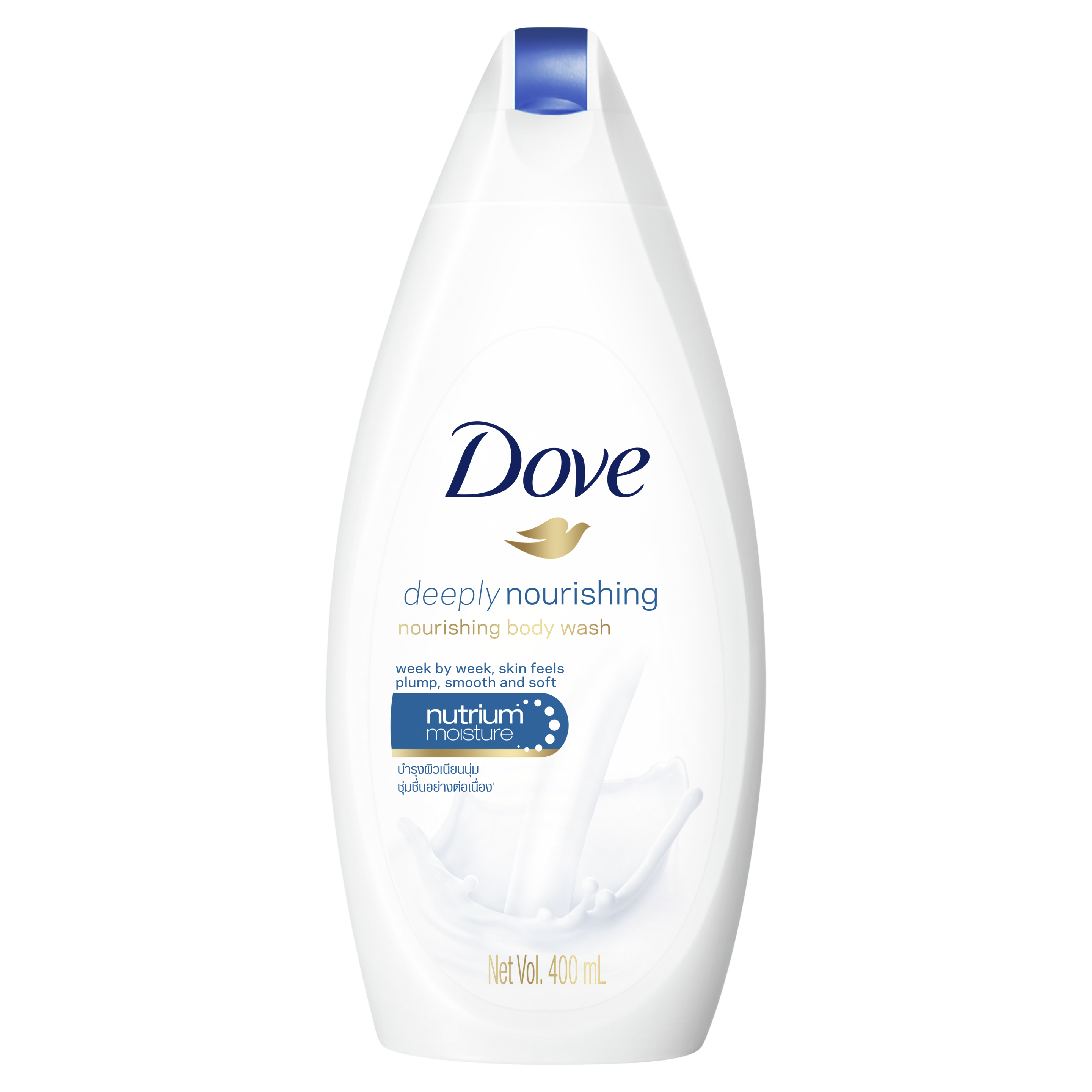
For your body, choose a cleanser that's not only gentle but also hydrates your skin. Dove Deeply Nourishing Body Wash’s NutriumMoisture™ technology nourishes the deep layers of the skin while maintaining your moisture barrier, revealing smoother and softer skin after just one shower.
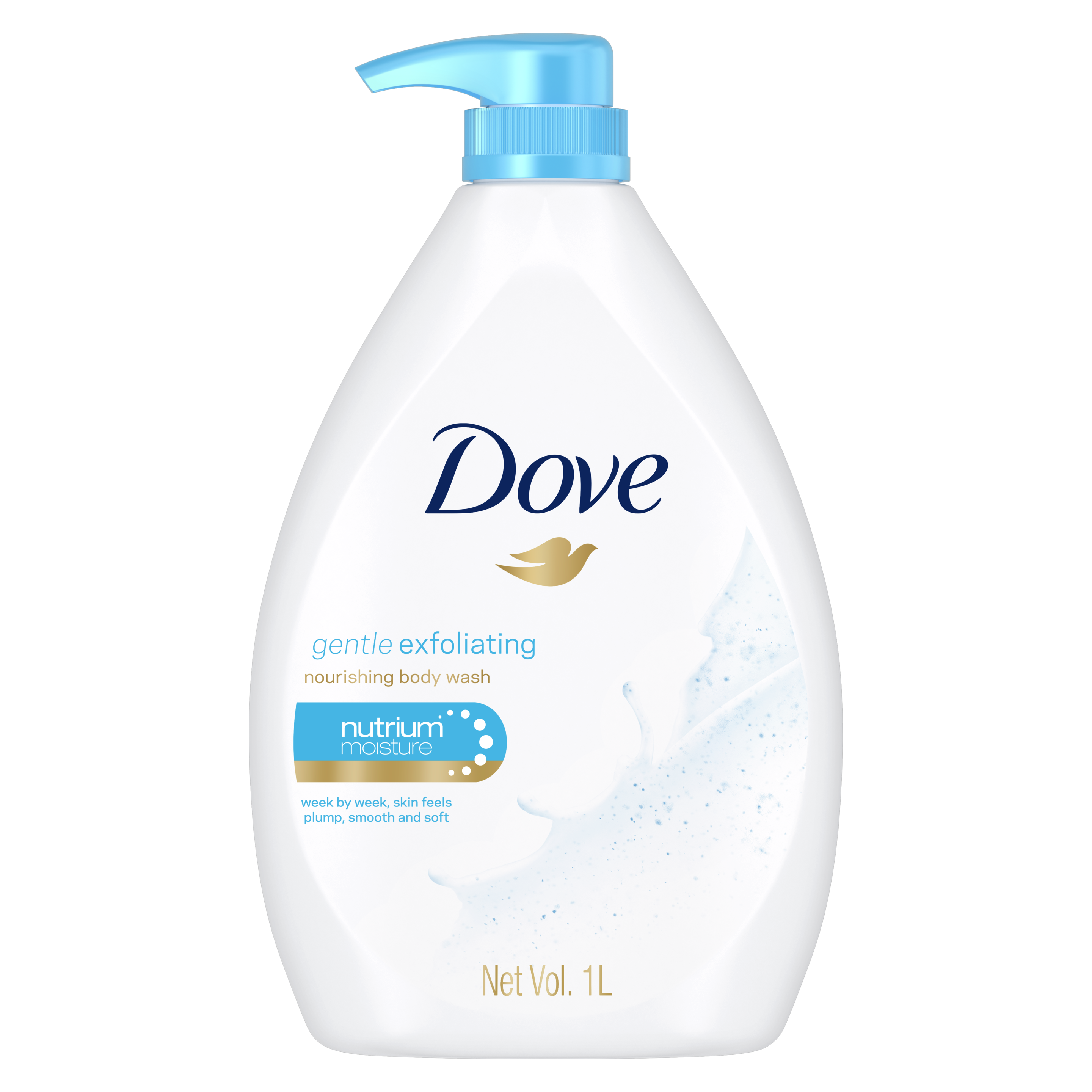
Aside from switching to a gentler cleanser, avoid harsh scrubbing. For mild exfoliation, try Dove Gentle Exfoliating Body Wash. Formulated for dry skin, it gently lifts away dead cells and moisturizes the skin, leaving it soft and smooth with regular use.
Lock in hydration to replace what’s been depleted and stop moisture loss.
Before applying your makeup in the morning, use a hydrating essence or serum on your face. Look for ingredients that boost moisture and support the skin barrier. Think hyaluronic acid to draw in moisture and ceramides to reinforce protection.
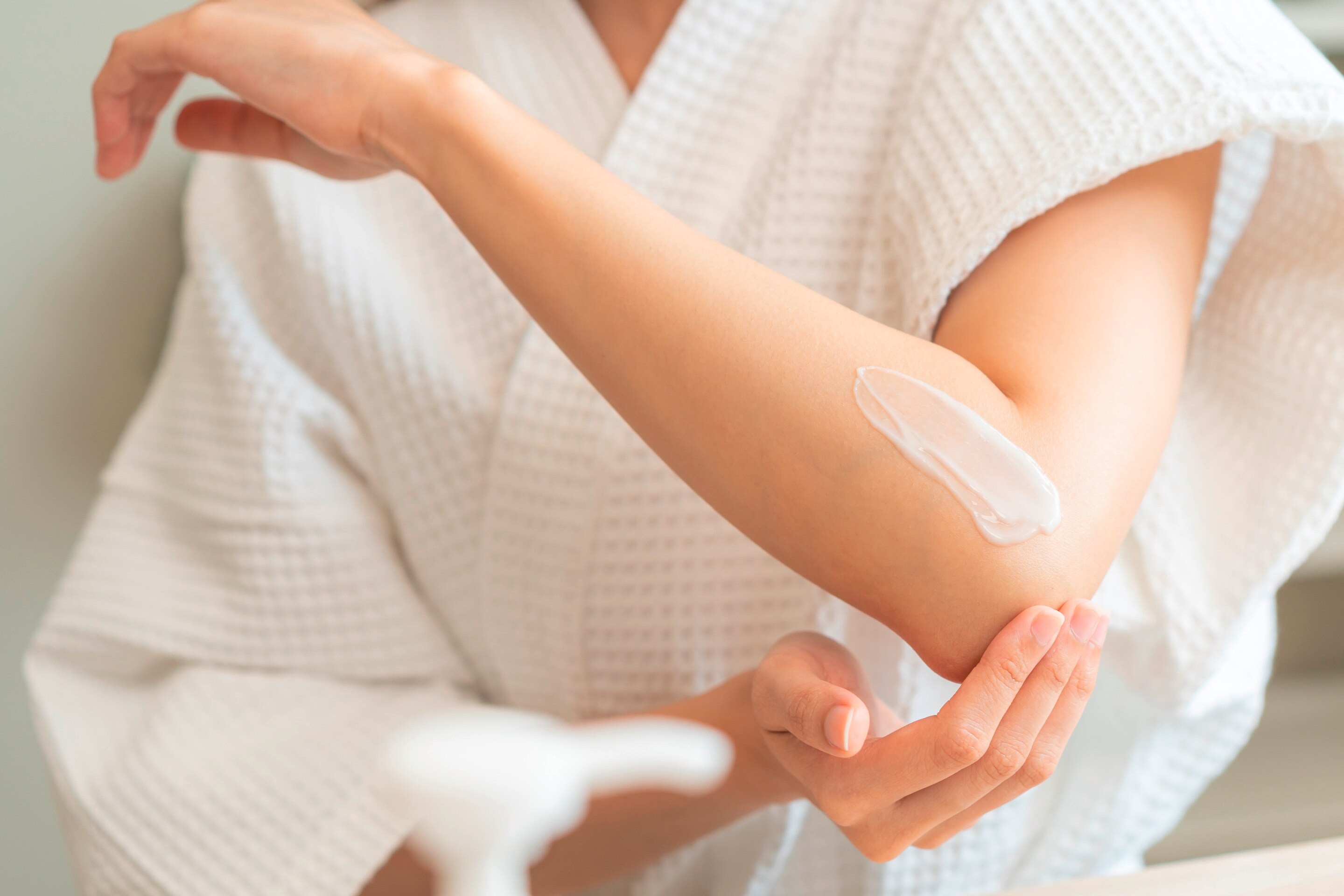
While your body is still damp from the shower, apply a replenishing moisturizer to restore skin plumpness and glow. Because your body's skin is thicker than the skin on your face, it needs deeper hydration, barrier support, and long-lasting moisture. Choose a body lotion with humectants, emollients, and occlusives: Hyaluronic acid and glycerin pull moisture in, squalane and jojoba oil soothe dry patches, and dimethicone and niacinamide help lock in hydration.
If you’re suffering from eczema, rashes, or psoriasis, look for soothing ingredients such as oat extract, and prioritize occlusives to prevent moisture loss. Avoid lotions with fragrances, essential oils, and alcohol. Make sure to apply morning medications before moving to the next step.
Apply a mineral-based sunscreen.
The sun’s UV rays can weaken your skin barrier, making it drier and more sensitive, and they can disrupt collagen synthesis, contributing to sagging and wrinkles. For both face and body, choose a broad-spectrum mineral sunscreen with zinc oxide and titanium dioxide that's SPF 30 or higher. Because mineral filters sit on top of the skin instead of being absorbed, they’re far less irritating for a compromised barrier.
Get separate sunscreens for your face and your body. Sunscreens formulated for the face are lighter and are designed to be non-comedogenic. And opt for cream or lotion sunscreens over gel and spray ones, which can dry out the skin even more.
Even if you’re indoors all day, you’re not off the hook. Blue light from your laptop and phone can trigger hyperpigmentation and accelerate aging. If you’re serious about skin recovery, daily sun protection is non-negotiable.
Evening Skin Recovery Routine
Busy days don’t leave your skin much room to recover – which is why your evening routine matters more than you think. Nighttime is when skin restoration is at its peak, as your body naturally shifts into repair mode. The trick is a routine that works while you rest. There’s a reason they call it beauty sleep after all.
Taking these few minutes now prevents bigger skin problems later, saving you time, stress, and extra effort down the road.
Double cleansing is key.
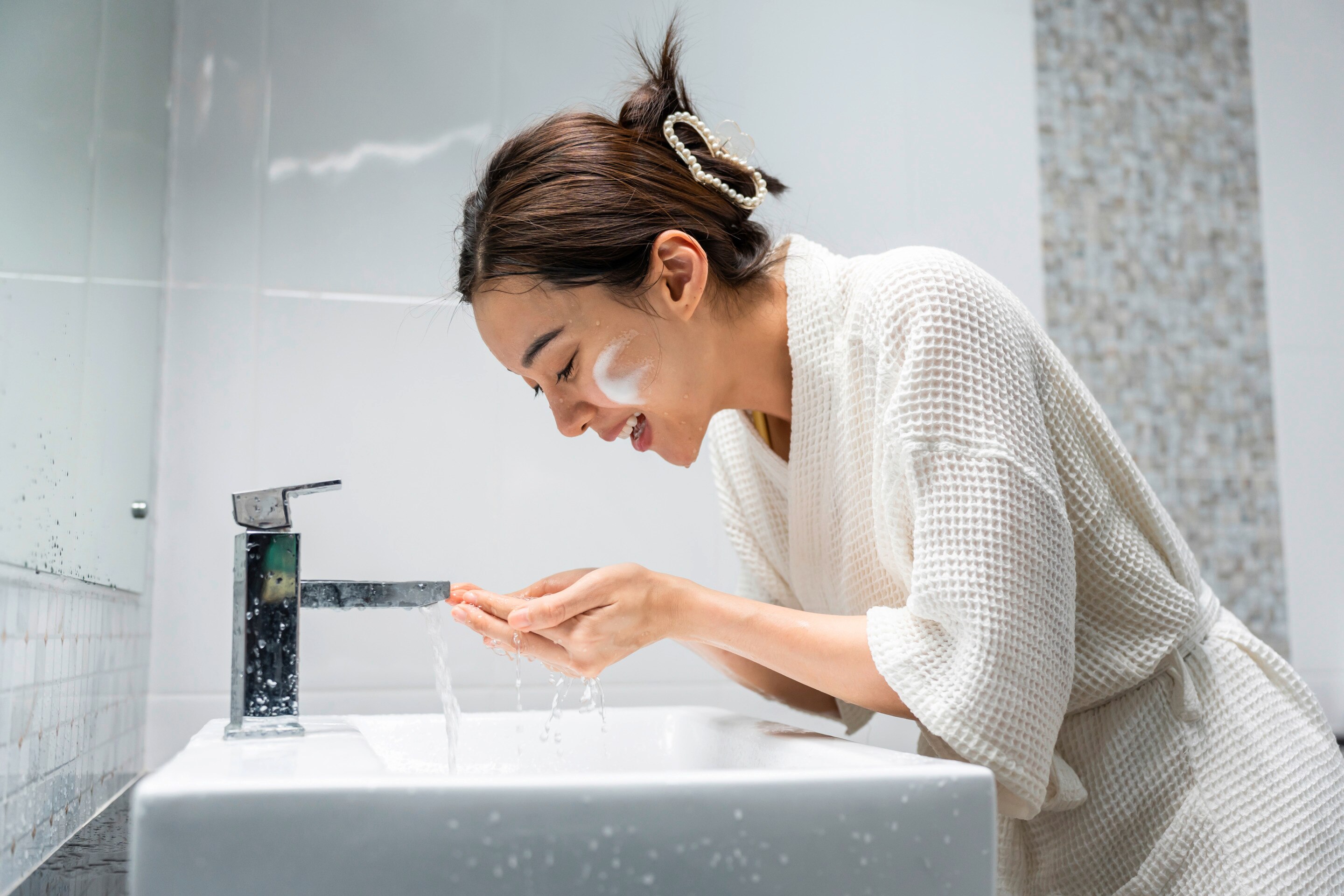
To effectively remove the day’s makeup, excess oil, and grime, start your evening routine with a double cleanse. This two-step method ensures deeper cleansing without stripping the barrier and allows your nighttime treatments to penetrate more effectively.
Start by applying an oil-based cleanser, micellar water, or cleansing balm on dry skin to break down makeup, sunscreen, and sebum. Rinse, then follow with a gentle water-based cleanser to remove sweat, dirt, and impurities from deep within the pores.
If you’re sweaty after a long commute or workout, a quick rinse before bed prevents body breakouts. And since you’re taking a bath anyway, you can double cleanse in the shower to cut down on time.
Exfoliate once or twice a week.
For your face, use mild chemical exfoliants like AHAs to remove clogged pores that lead to breakouts, boost skin rejuvenation, and prep the skin for your serums and moisturizers.
For your body, gently buff away dead skin cells to prevent dullness, get rid of ingrown hair, and smooth rough elbows and knees. Just don’t overdo it – over-exfoliating can irritate the skin and compromise your natural barrier.
Moisturize again – this time, to repair instead of protect.
While morning hydration is all about locking in moisture after your bath and protecting the skin barrier throughout the day, moisturizing at night offers replenishment and helps with regeneration.
Use richer creams for your face and thicker lotions at night since your skin is more optimized for repair. Concentrate on rough patches on your body, like the elbows, knees, and feet.
Boost recovery with targeted treatments.
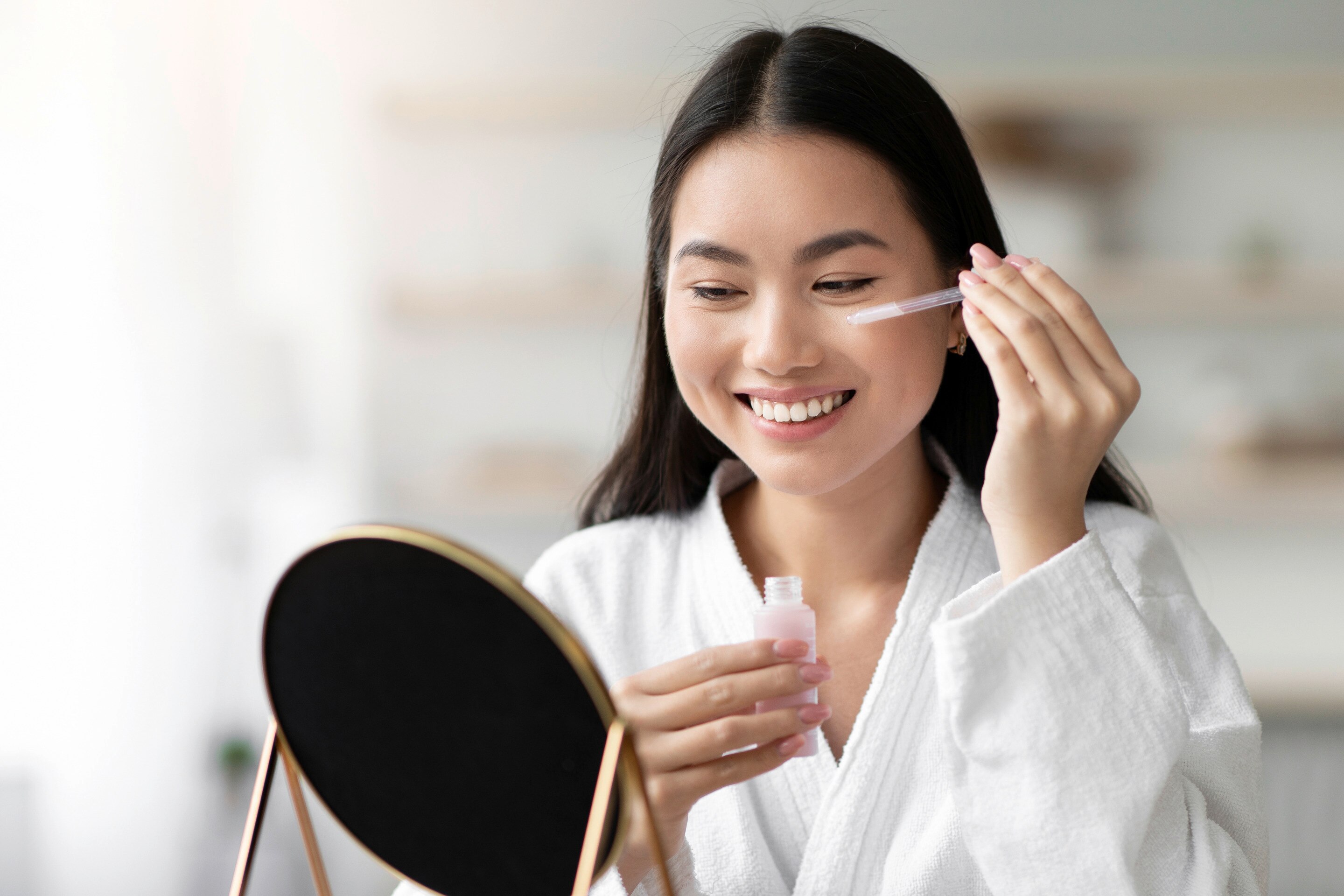
Toners, serums, and essences are absorbed most effectively at night, when your skin is more permeable. Layering them one on top of the other is fine, as long as you know what you’re targeting and the right combination for your skin’s needs. Throw in a gua sha routine or facial massage to boost circulation, encourage lymphatic drainage, and enhance absorption of your products while giving yourself a relaxing wind-down.
If barrier repair is your goal, look for formulas with niacinamide, hyaluronic acid, or ceramides. If you’d like to soften signs of ageing or undo a bit of sun damage, antioxidant boosters like AHAs, retinol, or vitamin C are great options. And on days when your skin feels irritated or extra sensitive, reach for calming ingredients such as aloe, panthenol, or oat extract for instant relief and overnight replenishment.
Just be mindful of pairing similar or strong actives – certain combinations can overwhelm the skin and compromise your barrier rather than repair it.
If you have body eczema, sensitivity, or rough patches, use barrier-repair creams with ceramides, colloidal oatmeal, or petrolatum on affected areas and apply doctor-prescribed evening medications.
Optional: Apply a sleeping mask
Whether you prefer a sheet mask or a gel formula, sleeping masks deliver concentrated active ingredients – like niacinamide, collagen, and peptides – while you rest. As mentioned, nighttime skin is more receptive to all the skin-loving things you apply, and your body is already in repair mode. Plus, it’s an effortless way to pamper yourself and unwind after a long day.
You can also treat your feet to masks. Peeling masks get rid of dead skin while moisturizing masks deliver concentrated hydration to cracked heels and dry skin.
How Long Does It Take for Skin to Recover?
Depending on the level of damage, it takes anywhere from a few days to several months. However, with consistent TLC, you should notice some improvement within two to four weeks, which is, on average, how long it takes for the skin to regenerate.
Skin recovery doesn’t happen overnight. The key here is consistency. And while the skin barrier can repair itself, helping it along with these simple steps can speed up the process.