Tips and Inspiration
From Unilever Beauty Experts
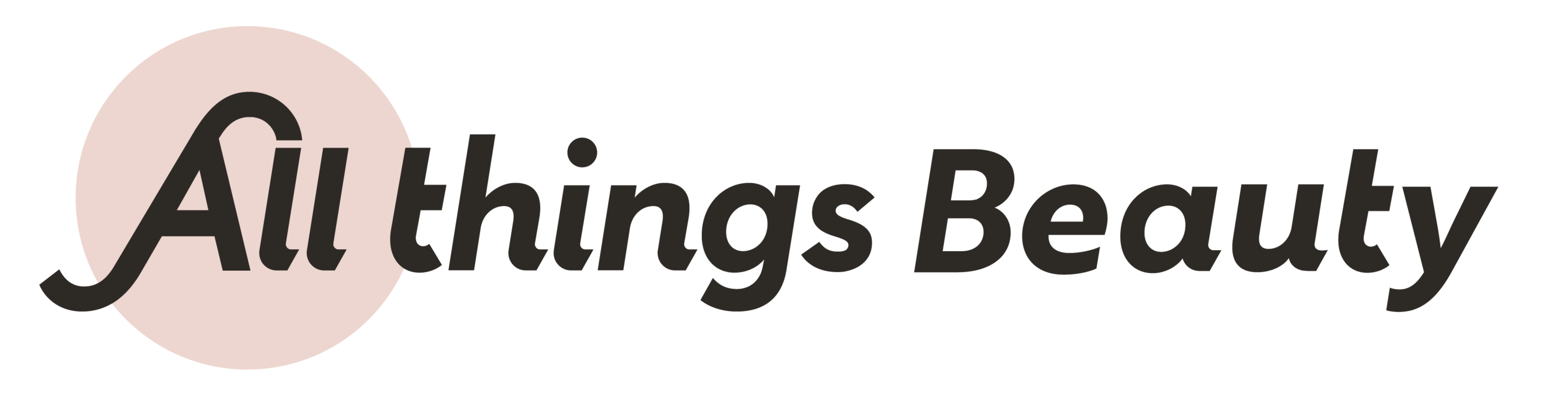

You might notice more hair strands on your pillow, or your hair parting looking a little wider than it used to be. For many millennials, especially those in their late 30s to 40s, these subtle changes can be alarming. While a bit of shedding is normal, in some cases, it could be an early sign of female baldness. Read more about what causes balding in women and the steps you can take to manage it.
Regular Hair Shedding vs. Baldness
Hair shedding is a normal part of the hair growth cycle – most people lose 50 to 100 strands a day, especially when brushing or washing. This does not usually lead to thinning, as new hairs constantly grow to replace what has been lost.
On the other hand, female baldness is when hair fall is no longer replaced by new growth. The most common cause of this is female pattern hair loss (FPHL), a progressive condition that leads to thinning over time, especially around the crown and top of the head. It often begins subtly and becomes more noticeable in your 40s, as hormones shift and hair follicles shrink. Catching it early is key to managing it effectively.
What Factors Cause Female Baldness?

Here’s the thing: Female baldness doesn’t usually look the same as male baldness. Instead of visible bald spots or a receding hairline, women tend to experience a more gradual thinning, especially along the parting or the crown. Maybe you start noticing that your ponytail doesn’t look as thick and bouncy as before, or that your scalp peeks through under certain lighting.
While it’s more common post-menopause, some women start seeing signs of hair loss in their 20s or 30s. What causes baldness in women in their early years? Stress, hormones, genetics, and many other factors come into play.
1. Stress can send your hair into panic mode.
Big life changes (think: a breakup, burnout, getting sick, or even moving cities) can push more hair into the shedding phase. When your body is under stress, it goes into survival mode, redirecting nutrients and energy away from non-essential functions like hair growth. As a result, more strands enter the “resting” phase and fall out a few months later. This condition is called telogen effluvium, and while it’s usually temporary, repeated stress can lead to continuous thinning.
2. Genetics play a huge role.
If your mom, lola, or tita has experienced thinning hair at an early age, chances are you might, too. Female pattern baldness runs in families and can manifest earlier than you’d expect it to. If this is the case, it’s best to seek professional advice for treatments and other expert-guided preventive measures as early as possible.
3. Hormonal imbalances can disrupt your hair’s growth cycle.
Conditions like PCOS, thyroid issues, or even hormonal shifts after pregnancy (or stopping birth control) can throw your hair growth cycle off balance. That’s because hormones, especially estrogen, progesterone, and thyroid hormones, play a key role in keeping hair in its growing phase. When those hormone levels dip or spike suddenly, it can signal your follicles to shift into the shedding phase. Over time, this means your strands may fall out faster than they grow, leading to visible thinning.
4. Your everyday habits can speed things up.
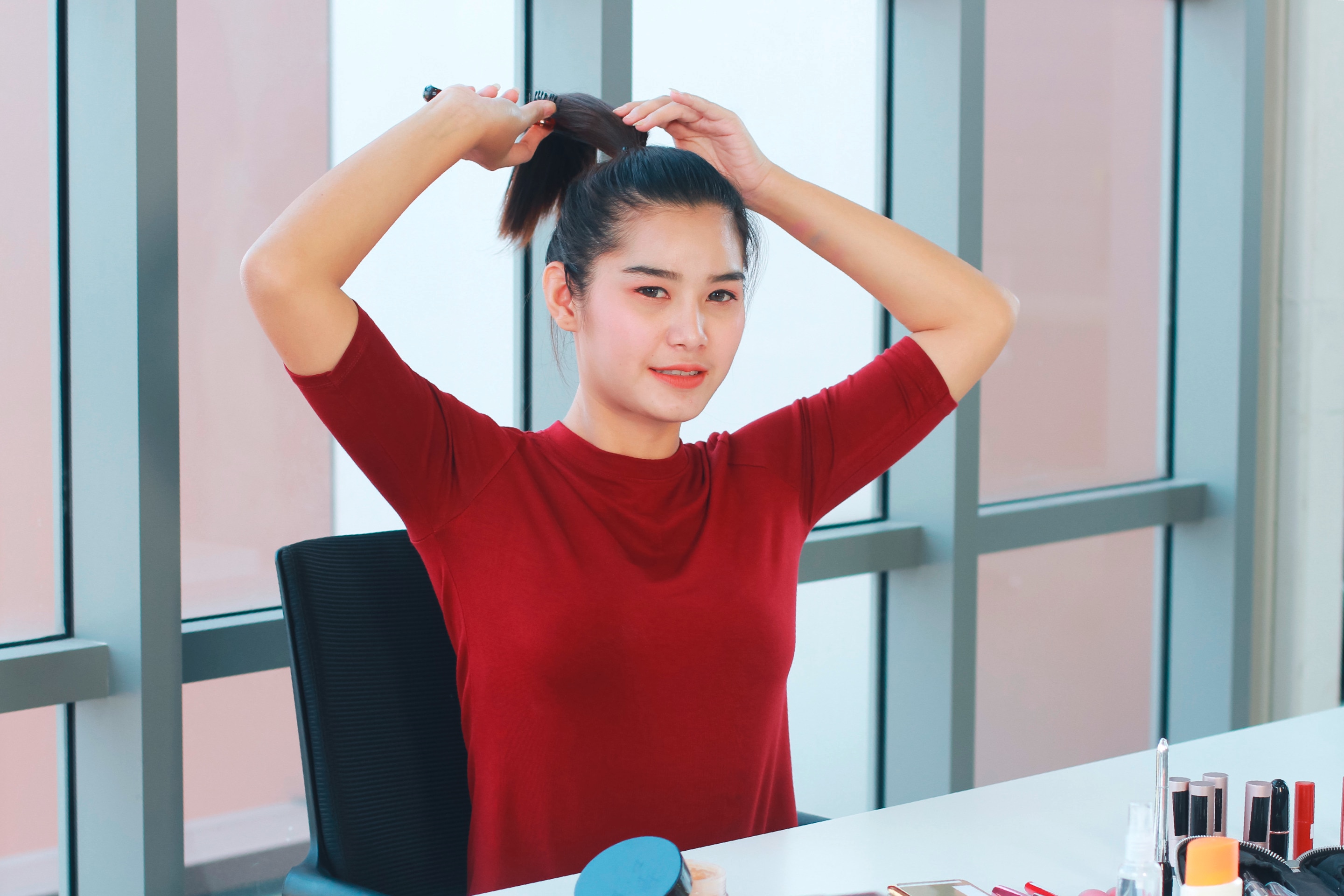
Yes, age matters, but how you treat your hair daily counts, too. Tight ponytails, regular heat styling, or coloring your hair often can damage the hair shaft or strain the roots, causing breakage and even permanent thinning.
Likewise, chronic sleep deprivation can throw off your hair’s regrowth cycle, while poor diet choices can keep your hair from getting the nutrients it needs to grow strong and stay anchored to your scalp.
How Can You Prevent Baldness Early On
There’s no one-size-fits-all fix when it comes to preventing early signs of female baldness, but the good news is that many cases can be managed and even improved with the right habits and care. Here are some good hair habits to consider.
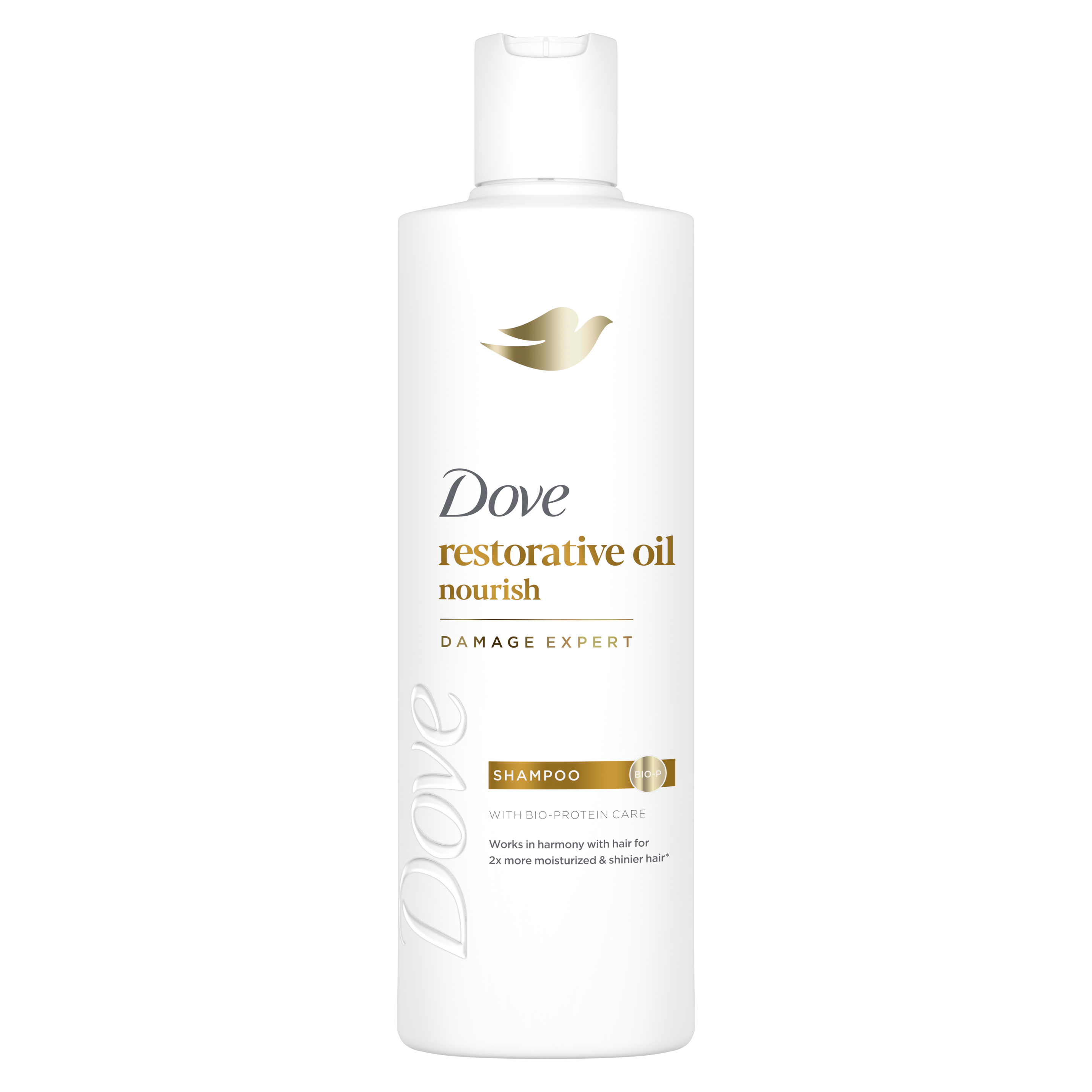
- Go easy on the styling. Once in a while, skip high-intensity tools, chemical-heavy products, or bleach-based treatments to give your hair a break. Let your strands recover with a nourishing shampoo like Dove Restorative Oil Nourishing Care Shampoo, which helps tame frizzy, unruly, or tangled hair that can be prone to breakage.
- Nourish your body (and scalp!) from within. Get your fill of iron, protein, biotin, and zinc from foods like eggs, leafy greens, beans, and nuts. These nutrients play key roles in supporting healthy hair growth: Iron helps deliver oxygen to hair follicles, protein provides the building blocks for strong strands, biotin supports keratin production, and zinc helps with tissue repair and oil balance.
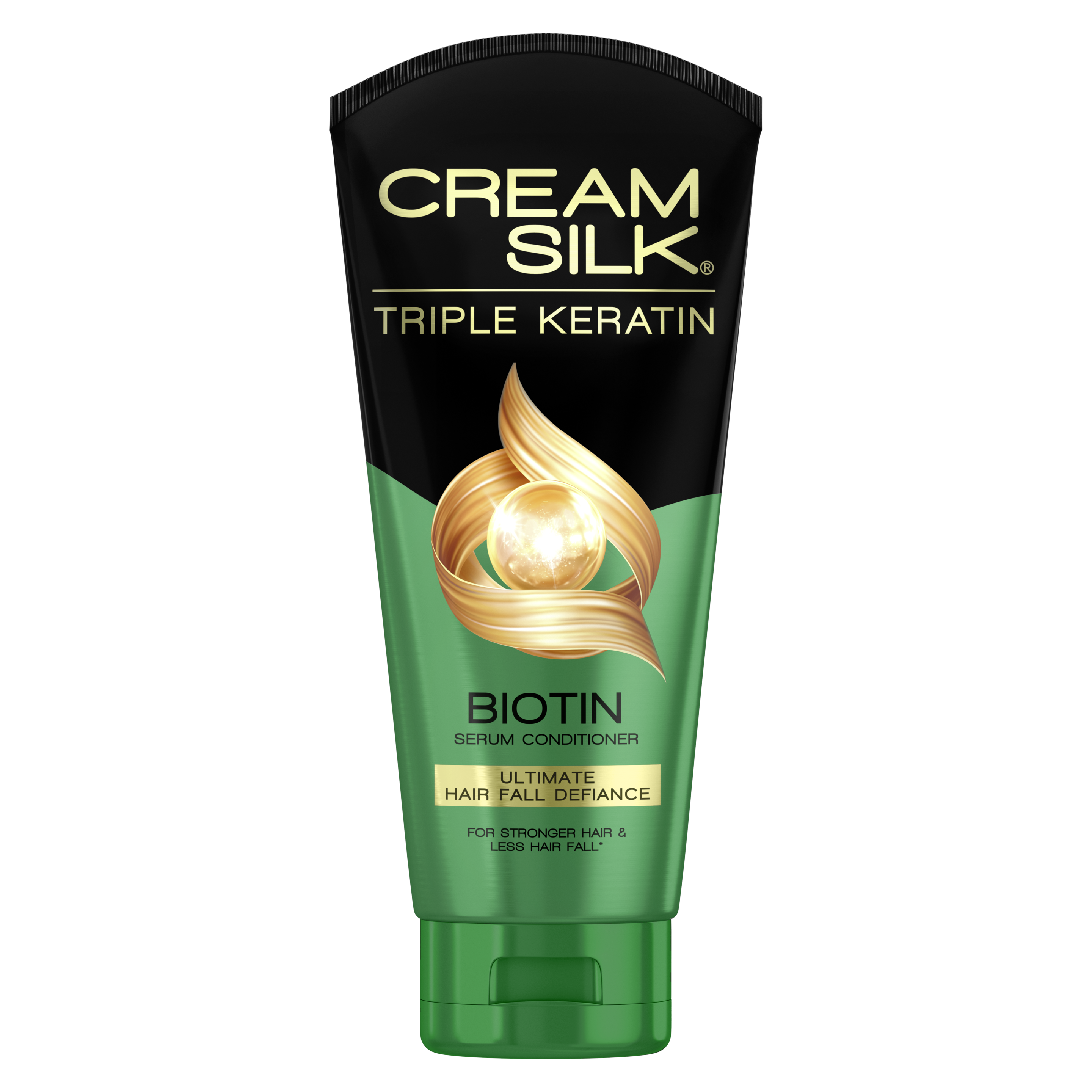
- Choose strengthening products. Look for anti-hair fall shampoos and conditioners that reinforce and strengthen hair. Try Cream Silk Triple Keratin Rescue Ultimate Hair Fall Defiance Ultra Conditioner, which can help reduce hair fall due to breakage by strengthening hair strands.
If nothing seems to be working, it might be time to check in with a professional. A dermatologist or trichologist can help pinpoint the cause (so you can skip the trial-and-error and avoid even more stress!).
Thanks to modern beauty innovations, there are options to address baldness. Per research by Korea’s Annals of Dermatology, clinical studies reveal how hair growth can be stimulated by red light. Meanwhile, topical solutions like minoxidil are generally prescribed to support regrowth, especially when used early. If needed, you can explore medical interventions, such as prescription treatments or even a hair transplant.
It’s Not Too Late
Hair fall or hair thinning can feel overwhelming, especially when you start noticing the signs of possible female baldness earlier than expected. It’s normal to feel alarmed or even a little panicked at first. But don’t lose hope! Understanding the causes is already a great first step. From adjusting your hair habits to trying expert-backed solutions, there are ways to prevent or manage hair loss. Remember: You’re not alone in this, and with the right care and treatments, progress is possible.