Tips and Inspiration
From Unilever Beauty Experts
;Resize=(486,122))
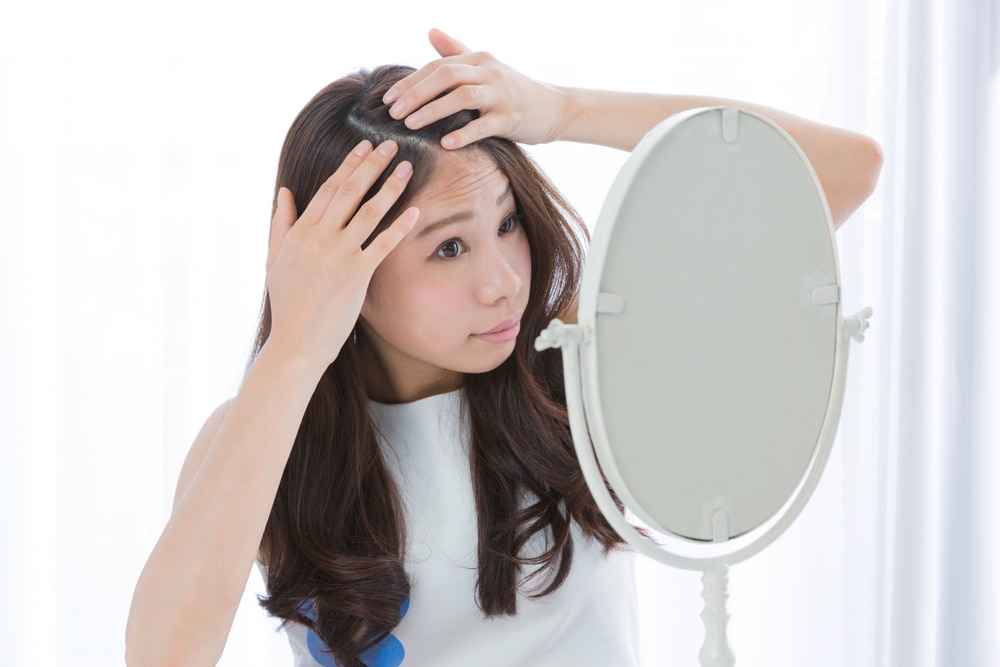
Treating dandruff takes more than just easing the itch and flakes – you need to find out what’s causing it, especially if your dandruff treatment isn’t working. Your condition could include seborrheic dermatitis, an overgrowth of yeast that causes increased skin cell production, and even other conditions such as eczema.
If you’ve been using an anti-dandruff shampoo that doesn’t seem to be doing anything, don’t blame the product just yet – there could be other factors at play. Here are six more reasons for your persistent dandruff and what you can do about them.
1. It Might Not Be Dandruff
Some flakes can result from dry scalp or contact dermatitis, meaning it might not be dandruff at all. Dandruff is a specific skin condition that's worsened by the opposite: too much oil on the scalp.
A microbe called Malassezia globosa, which lives on everyone’s scalp, feeds on the excess sebum, then breaks it down into byproducts that can speed up cell renewal. The dead skin builds up on the scalp and eventually sheds. If you use a dandruff shampoo to treat dry scalp, you could end up with more irritation and flakes.
What to do if it’s dry scalp: A dry scalp happens when your skin loses too much moisture; so, if you see dry or patchy skin on other areas of your body, then that might be indicative of the condition. Keep in mind that the flakes will be smaller and drier as opposed to the bigger, oily flakes caused by dandruff.
Hydrating haircare products like a gentle shampoo and moisturizing conditioner can alleviate the issue. You can also go au naturel with home remedies like coconut oil, aloe vera gel, or even diluted apple cider vinegar to be used as a rinse after shampooing.
2. Your Treatment Is Too Oily
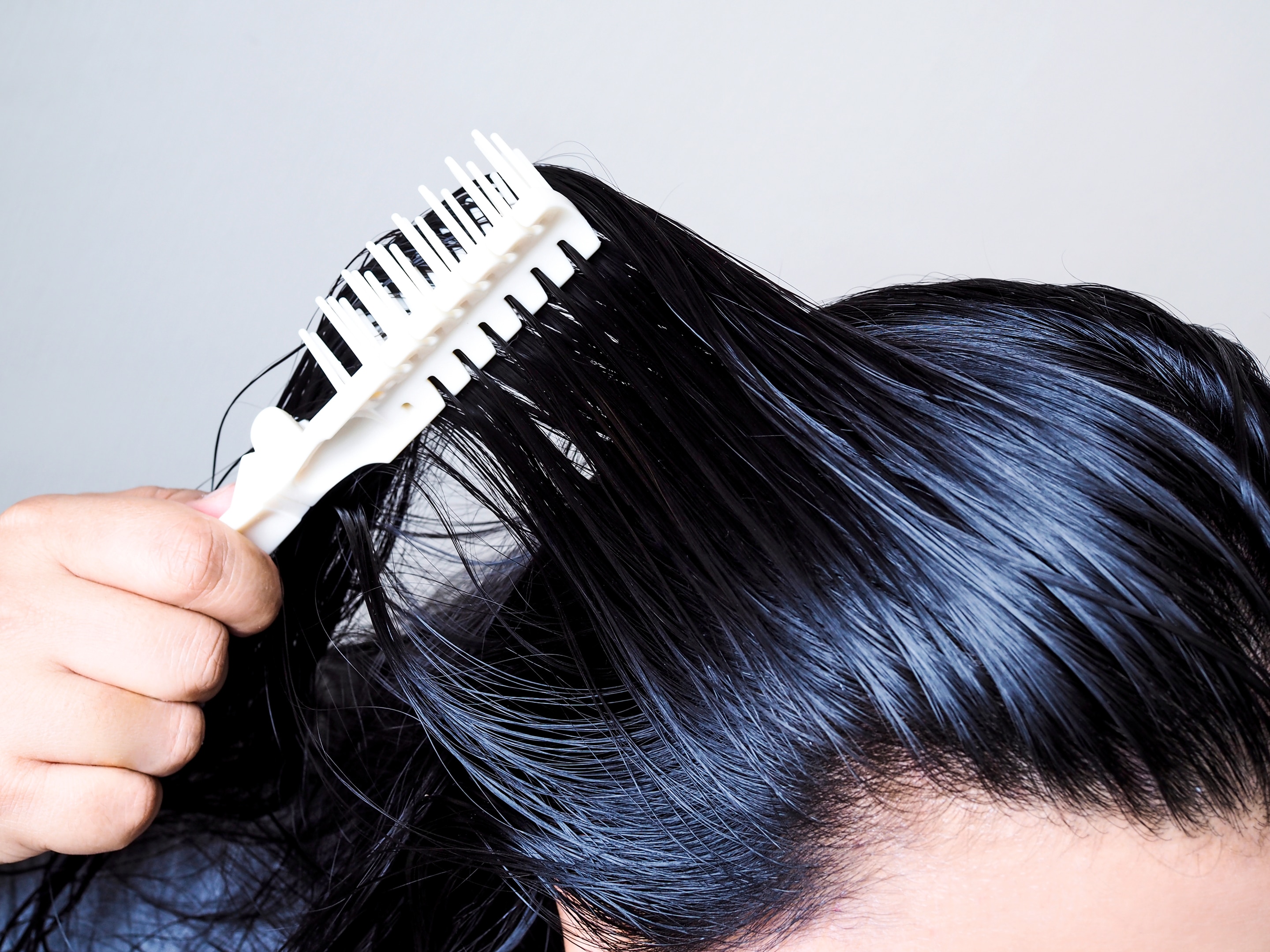
Since dandruff results from excess sebum, adding more oil can potentially irritate your skin. Coconut oil and olive oil are popular dandruff treatments applied directly to the scalp to get rid of flakes. Still, while it may be satisfying to see the flakes come off easily (in the same way it’s satisfying to extract a blackhead or peel off false eyelashes), their side effects might just aggravate the situation.
What to do if your dandruff treatment is too oily: Oil treatment is temporary, so don’t rely on this for the long term unless you want to risk buildup and greasy locks. Turn to other solutions instead, like dedicated dandruff shampoos formulated with zinc pyrithione, which stops the growth of fungi on the scalp.
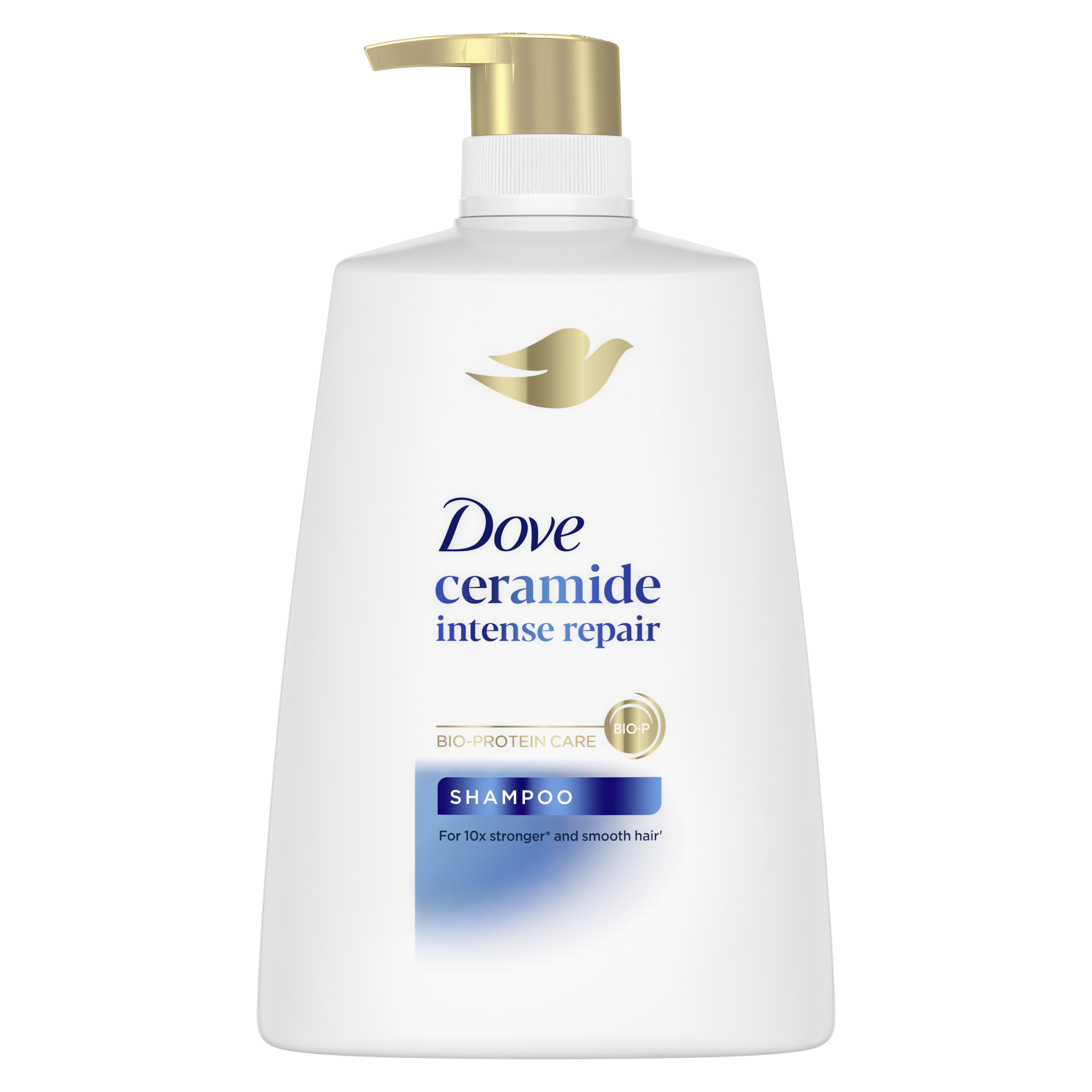
You can also consider ceramide-rich products like Dove Ceramide Intense Repair Shampoo to nourish your hair and scalp minus the heavy oils. Apply it directly on your scalp, gently massage it in, and let it sit for a few minutes, depending on the product’s instructions.
3. You Don’t Shampoo Often Enough
The myth that dry scalp causes dandruff has convinced some people to shampoo less, but skipping the suds might actually make things worse. If you don’t cleanse your hair properly, the yeast and sebum in which dandruff thrives will only accumulate and build up. The result: clogged hair follicles, a smelly head, and even more dandruff.
What to do if infrequent shampooing is worsening your dandruff: Build a haircare routine and stay consistent. More importantly, incorporate an anti-dandruff shampoo in your steps, but keep it to once or twice a week. On regular days, switch it out with a gentler lather good for everyday use.
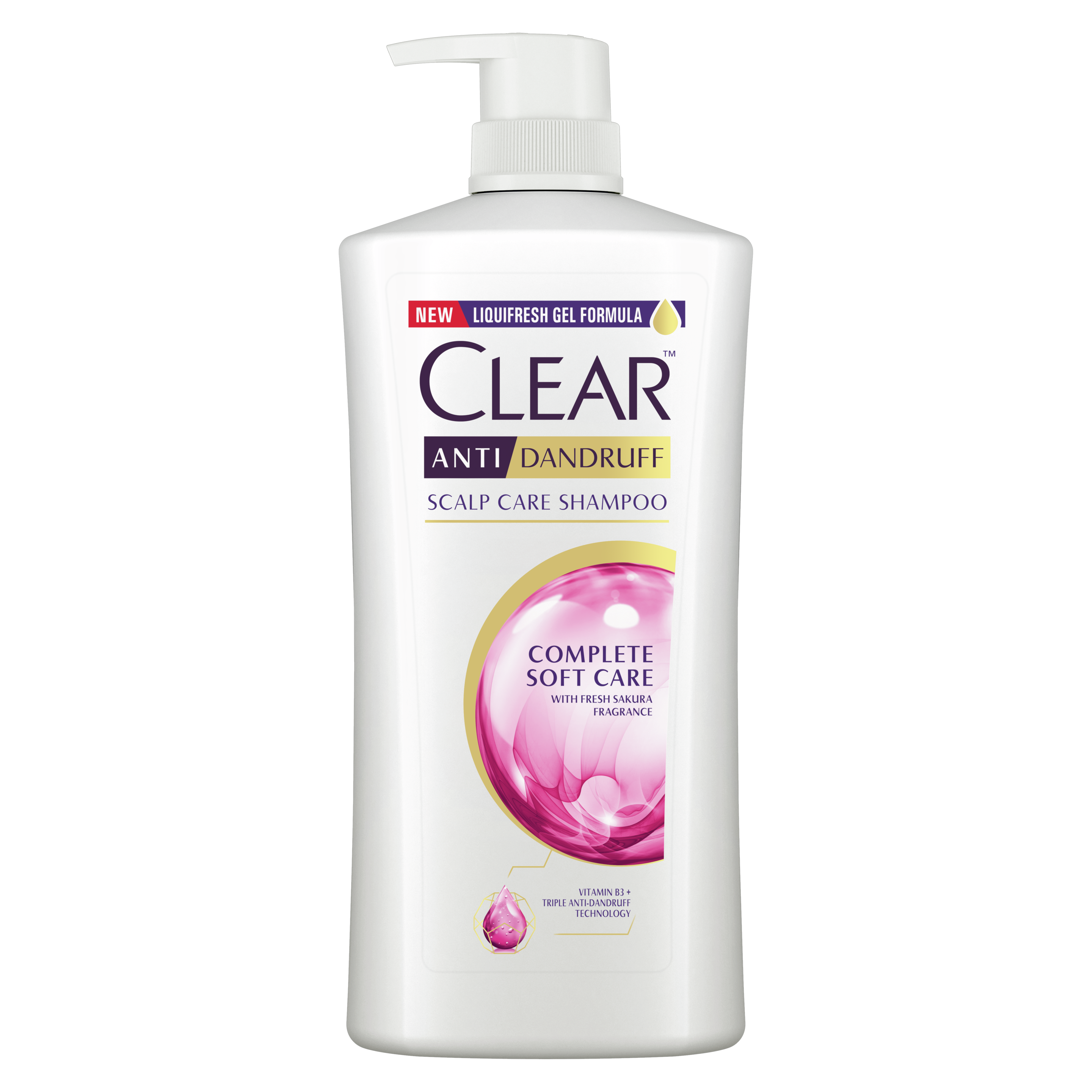
Check out the CLEAR Complete Soft Care Anti-Dandruff Shampoo, which has amino acids that get rid of dandruff while nourishing the scalp. Remember to give the dandruff treatment enough time to work.
4. You’re Allergic to Your Product
If you introduced a product to your scalp and you suspect that it might be causing the flaking, you could also have contact dermatitis. According to the Journal of Agromedicine and Medical Sciences, you can have more than one condition at a time, as contact dermatitis can trigger or exacerbate dandruff.
What to do if you’re allergic to your product: Contact dermatitis is caused by an allergic reaction to irritants and allergens that don’t gel well with your scalp. They could come from your hair dye, styling products, and yes, even your anti-dandruff shampoo. This condition may manifest as thin white scales and result in a rash, a burning sensation, dark, leathery patches, and blisters with oozing or crusting.
The first step to scalp recovery is eliminating the cause of your dermatitis. Lessen the items in your routine, especially if it’s something new you recently added. For immediate relief, press a cool, wet compress over the rash for 15 to 30 minutes, then once you can get to the drug store, purchase nonprescription anti-itch creams or ointments, and apply them one to two times a day.
5. You’re Under a Lot of Stress

According to the UK National Health Service, stress can intensify dandruff. While it’s not directly the cause, it nurtures the main perpetrator, Malassezia globosa, which was mentioned above. Chronic stress weakens your immune system, allowing the microbe to spread further across your scalp.
What to do if stress is giving you dandruff: If your condition is adding to your worries, maintaining a relaxing hair care routine might help. A study on Applied Nursing Research states that self-care in any form can help alleviate stress. This may also include meditative activities like yoga, walking, or breathing exercises.
While eliminating stress entirely might be impossible, you can always avoid it by recognizing your triggers. Try keeping a daily log of what sets off your anxieties or worries and how they’re affecting your dandruff condition. Once you’re aware of them, you can take steps to lessen your exposure and safeguard your peace of mind and scalp health.
6. You’re Eating a Lot of Junk Food

Here’s another reason why your dandruff treatment isn’t working: you’re deficient in certain vitamins. Even if you're using the best dandruff treatment, without a balanced diet, you could still be prone to inflammation. According to a study on Health Science Reports, low blood levels of zinc and vitamin D may cause or worsen dandruff.
What to do if junk food is aggravating your dandruff: Try to cut back on your sugar intake. As per a study on the journal Frontiers in Physiology, a high-sugar diet and processed food can spike your insulin and result in hormone surges that increase the output of oil on your scalp.
Additionally, steer clear of fatty foods, fried foods, refined sugar, and gluten to decrease flaking. Replace them instead with lots of whole grains, meat, fish, shellfish, eggs, green vegetables, and organ meats to aid in improving your scalp’s condition.
When to See a Doctor
Dandruff can be remedied at home. But if you’re unsure whether to continue self-treatment or see a medical professional, here are a few tell-tale signs that it’s time for a checkup.
- If you’ve been using over-the-counter medications for a month and you’re still suffering from flaking, then you may need a stronger prescription from your doctor.
- If symptoms like inflammation or oozing patches won’t go away, they could mean that you’re experiencing something other than dandruff, like seborrheic dermatitis or eczema.
- If you notice significant hair loss or patches of baldness on your scalp, see a doctor ASAP to prevent any long-term consequences.
How to Manage Your Dandruff
If your dandruff treatment isn’t working, pause and assess if something else could be at play, like product allergies, improper diet, or even stress. Research is key, so once you think you’ve found the culprit, take a deeper dive into more specific treatments, like learning how to manage dry scalp and finding a routine that works for you.