Tips and Inspiration
From Unilever Beauty Experts
;Resize=(486,122))

Tangled hair can be a real struggle. Those frustrating knots can turn your morning routine sour and affect your entire day. All the yanking can cause clumps of hair to fall out or lead to breakage – and that’s the last thing you’d want to happen.
Manage tangles one step at a time. Start by understanding what causes them to prevent knots from forming and learn about the gentle ways to detangle without unnecessary pulling. Check out this quick guide.
Why Your Hair May Be Full of Knots
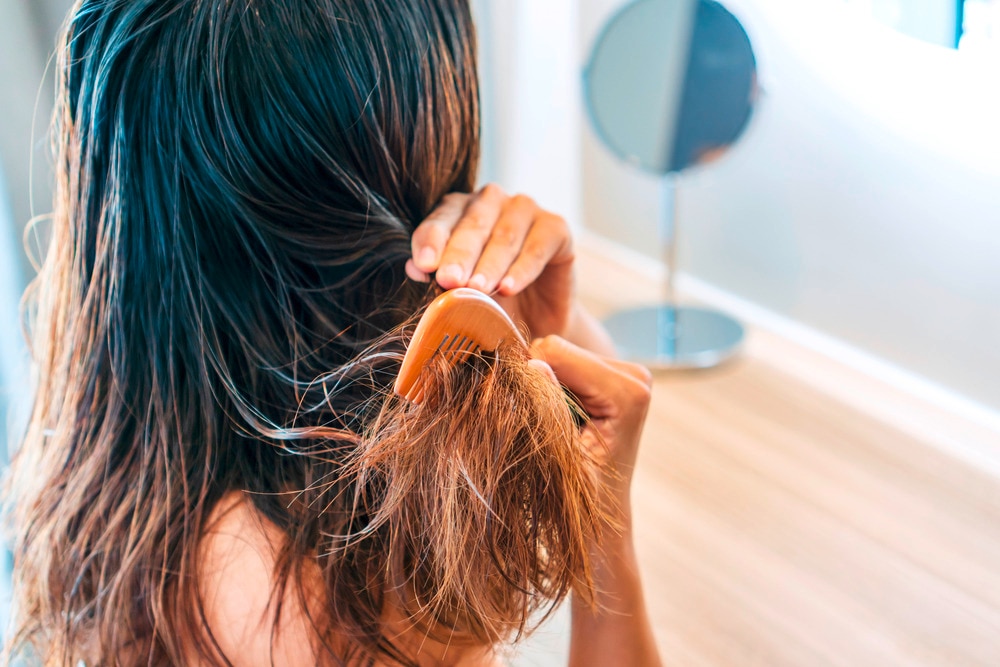
Some people struggle with tangles more than others because of their hair type. By nature, curly or textured hair can knot more easily. However, your haircare habits – or lack thereof – could also be creating tangles in your locks. Here are some things you may be doing that get your strands in a twist:
You don’t brush your hair enough.
Regular brushing helps distribute your scalp’s natural oils along the hair shaft, which keeps strands smoother and less likely to tangle. It also gently unravels small knots before they turn into bigger ones. Just make sure you’re using the right tool for your hair type. Fine, curly, and thick hair all need different tools and techniques.
You use too many products.
Another common culprit behind tangled hair is product buildup from hair sprays, mousses, and gels. Over time, this residue makes strands cling together, leaving hair limp, harder to detangle, and more prone to breakage.
Your hair is dry and damaged.
You might love what these styling tools and treatments do for your look, but a little restraint goes a long way. ICYDK, bleaching, coloring, rebonding, heat styling, and even over-washing change the structure of your hair. These lift the protective outer layer of each strand, making them rough, dehydrated, and tangle prone.
How to Tame Tangled Hair
It may be tempting to hack your way through the nest of hair, but there are techniques to make the process less painful. Follow these tips to keep your hair smooth and tangle-free at home.
1. Style with caution.
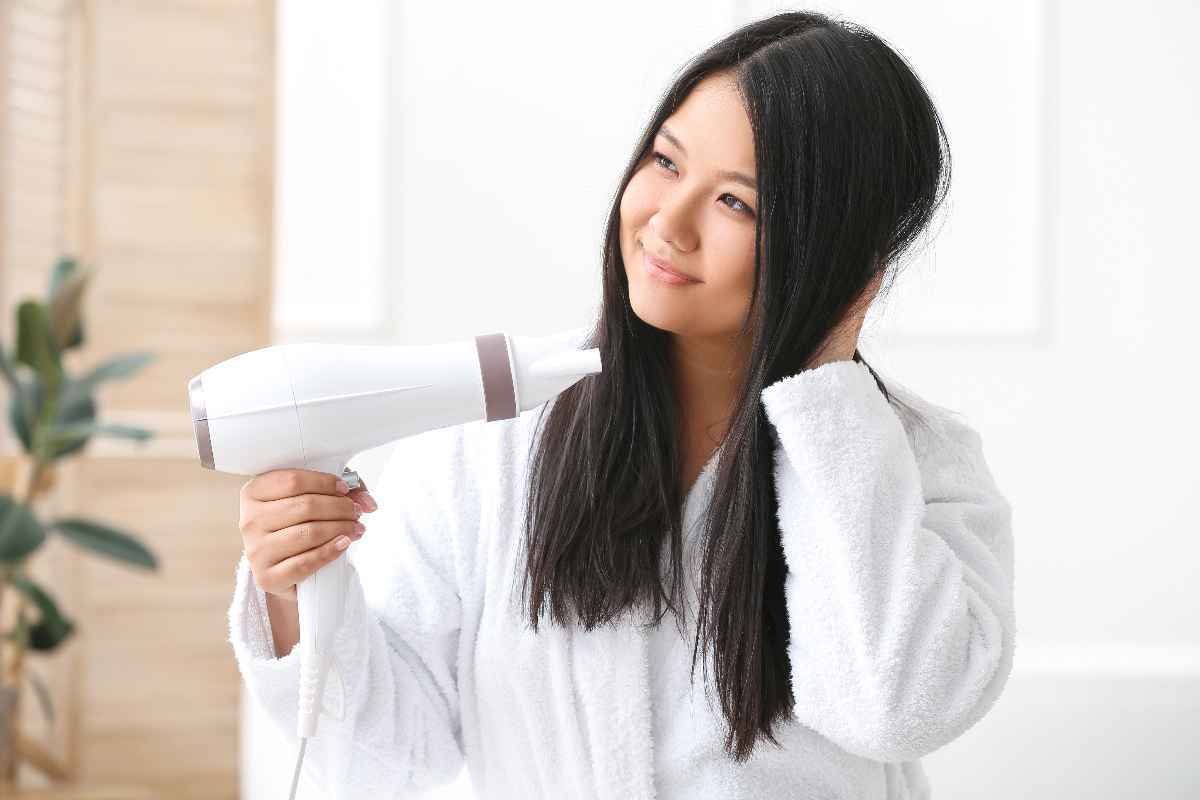
Experimenting with different hairstyles is fun, but do it in moderation. Extreme heat from curling irons and straighteners has serious downsides. Too much of it can fry your strands, making them drier, rougher in texture, and more brittle.
Apply a heat protectant before styling your hair to reduce potential damage. Pay special attention to the ends as they are more prone to dryness. You can also layer a leave-in conditioner to prevent tangled hair.
2. Sleep smart.

Morning bedhead, anyone? Protect your hair while you sleep by using a satin or silk pillowcase. These fabrics create less friction than cotton, reducing the likelihood of tangles. Plus, they feel so soft against the skin and help ward off acne. Alternatively, you can put your locks in a protective hairstyle, like a simple braid or wrapped in a bandana.
3. Keep your roots and scalp clean.
Well-washed hair is less prone to tangling. Because product residue and oil start at the scalp, maintaining a clean base helps prevent buildup that can cause knots. To achieve this, you’ll need to find a good hair shampoo.
The best hair shampoo for you will vary depending on your needs and hair type. If you have:
- Dry or over-processed hair: Go for a keratin shampoo for a restorative boost.
- Oily or regularly styled hair: Use a clarifying shampoo weekly to wash out any product buildup.
- Fine, straight hair: Opt for a keratin straightening shampoo to maintain smoothness.
- Wavy or curly hair: Go for a keratin hair treatment shampoo that will cleanse your waves and curls without drying them out.
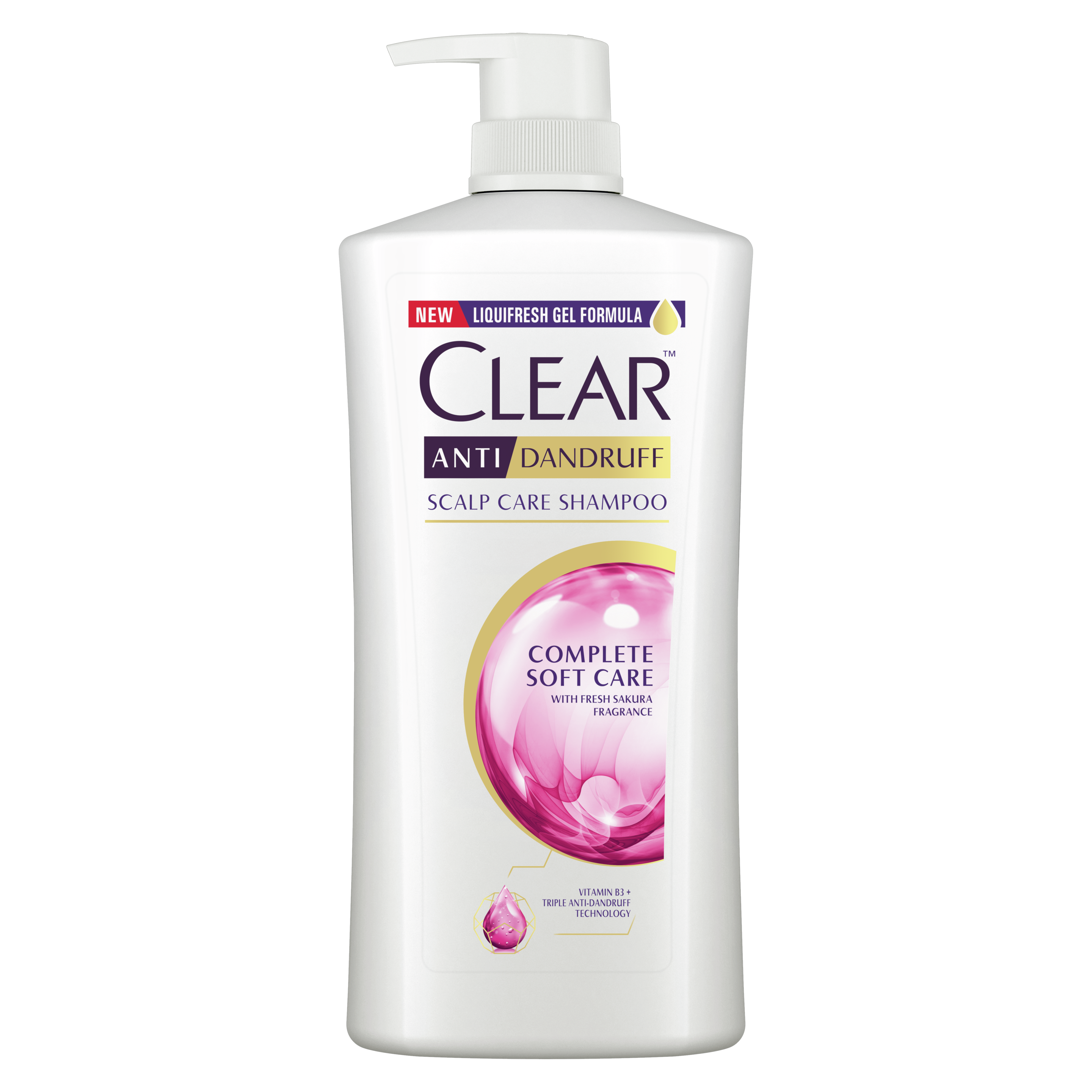
- Dandruff or an itchy scalp: Look for a good anti-dandruff shampoo for women, such as Clear Anti Dandruff Shampoo Complete Soft Care. This relieves itching, removes dry flakes, and clears your scalp of bacteria and dirt.
Generally, you should wash your hair at least every few days. Use your fingertips to thoroughly massage your scalp and dislodge any deep-seated dirt. Rinse with lukewarm or cold water only.
4. Condition regularly to treat dryness.
Conditioner for your hair is like moisturizer for your skin. Its most basic function is to restore your hair’s moisture levels. This is important, especially after using shampoo, which can strip away natural oils and lead to dry, tangled hair.
You can choose a basic conditioner or opt for a more intensive formula if your strands feel extra dry, such as a hair mask or keratin treatment for frizzy hair. A keratin treatment is especially great for restoring health to damaged strands. But according to studies, keratin treatment benefits are much more than that – keratin also forms a UV-protective film over your hair shafts and protects them from sun damage.
If you want to go the extra mile, you can get a keratin treatment for hair professionally done at a salon. But if that’s not within your budget, DIY a keratin treatment at home with a keratin shampoo and conditioner.
Try Vitakeratin Treatment Deep Repair, which is a keratin conditioner for rebonded hair that's also rich in vitamin E and argan oil that helps nourish, protect, and moisturize hair strands.
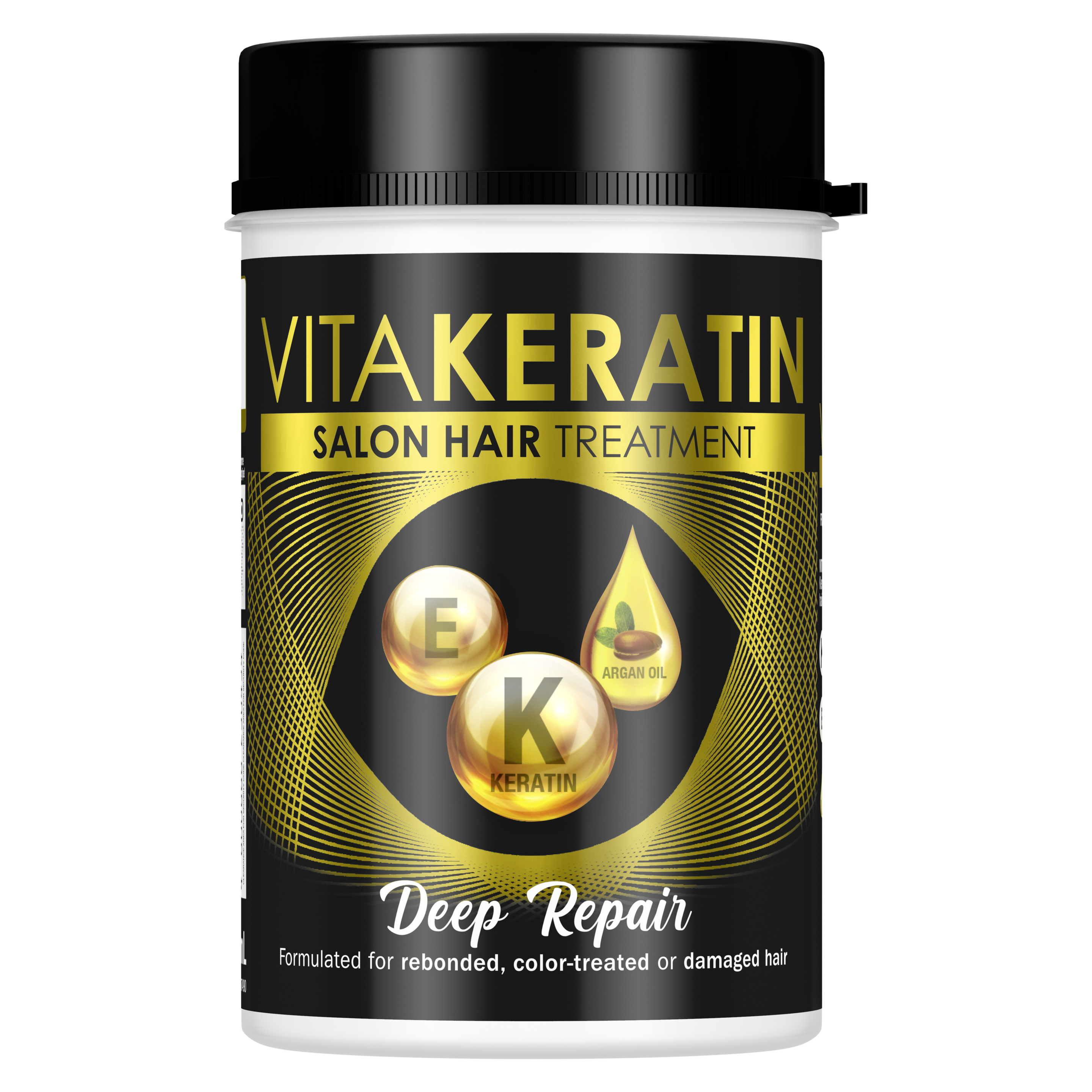
For silkier hair that’s less prone to tangling, condition your locks every time you shower. Concentrate the product along your hair’s length and avoid your roots. Leave your conditioner on for a few minutes, then rinse with cold water.
While tangled hair can still happen, the right habits make it easier to manage. Keep these tips in mind to reduce knots and make your hair routine feel a little more effortless.