Tips and Inspiration
From Unilever Beauty Experts


Tropical countries like the Philippines get high levels of UVB and UVA rays, making sun damage difficult to avoid. Applying sunscreen before heading out can help, but there’s nothing you can do about the lack of trees or shaded sidewalks, especially in the city. If you’re driving during the day, your hands could be exposed to direct sunlight longer than you’d like because of traffic jams.
In case you end up getting more sun than you bargained for, you could end up with premature skin aging. Its symptoms include dark spots, dryness, and wrinkles. You could also get sunburned. If you suspect skin damage from sun exposure, keep reading for possible remedies and necessary measures to keep your condition from getting worse.
What’s the Difference Between UVB and UVA Rays?

Two main types of UV radiation reach the Earth’s surface: UVA and UVB. Each has unique characteristics and effects on the skin.
- UVA Rays: UVA rays account for up to 95 percent of the UV radiation that reaches the Earth. They have a longer wavelength, which allows them to penetrate deeper into the skin’s dermis. UVA rays are responsible for premature aging, causing wrinkles, fine lines, and sagging skin because of their ability to break down collagen and elastin. They also contribute to the formation of age spots and hyperpigmentation.
Humans are exposed to high levels of UVA rays because they are strong throughout the day, even when it’s overcast. They can also penetrate windows.
- UVB Rays: UVB rays have a shorter wavelength and affect the skin’s outer layer, the epidermis. They are the main culprits behind sunburn and play a significant role in the development of skin cancer. Unlike UVA rays, UVB intensity varies depending on the time of day, season, and geographic location. UVB rays are strongest at midday.
Reversing Skin Damage From UVB and UVA Rays
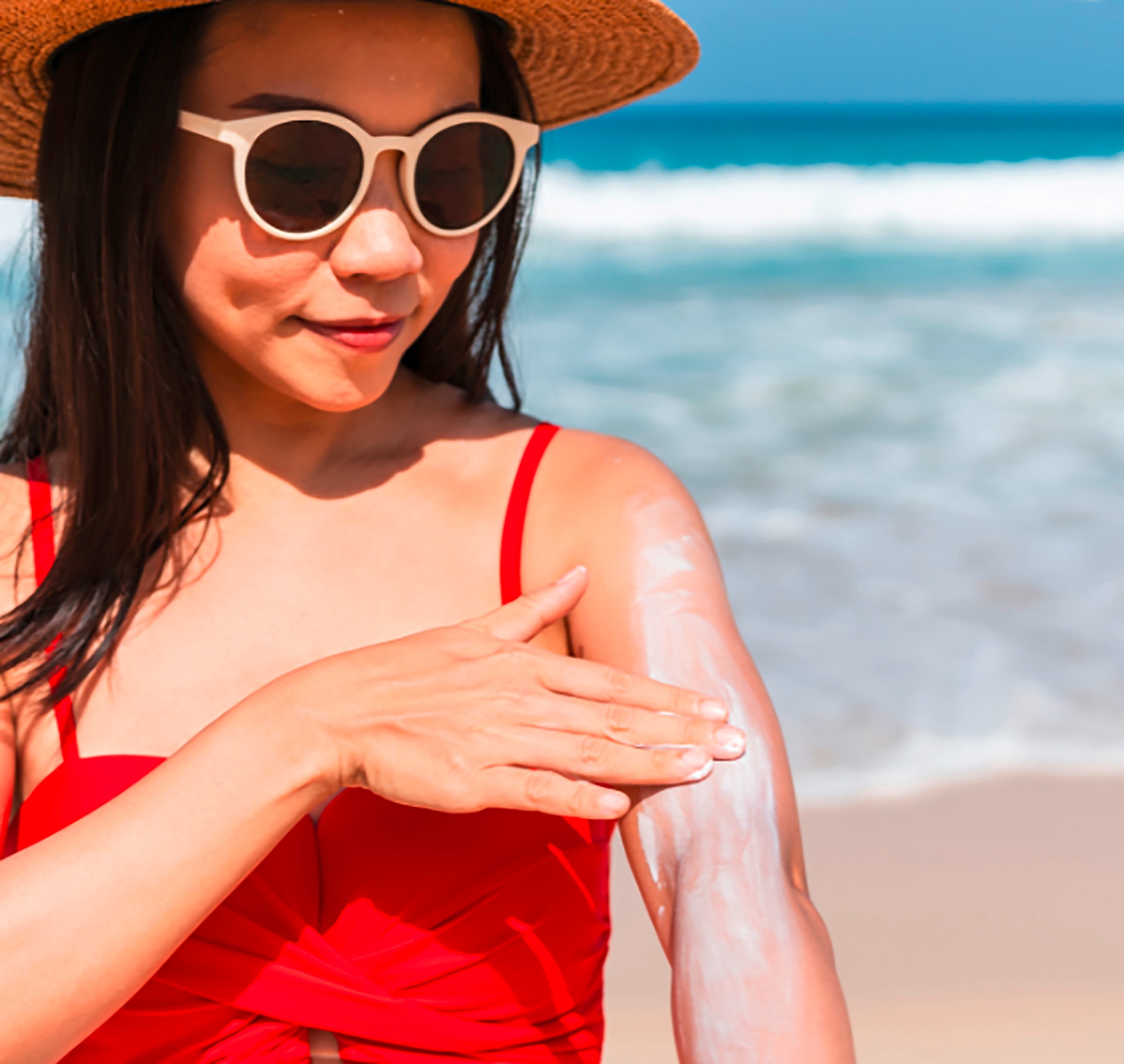
Unprotected exposure means being subject to both UVB and UVA rays, which can result in a mix of skin reactions. Some issues caused by UV rays can be mitigated, but not all damage is reversible. Thankfully, adopting certain practices and treatments can help improve your skin’s appearance and health. Talk to your doctor to get the best skincare regimen for your condition, and to find out what ingredients or measures to avoid.
1. Start with hydration and nutrition.
Drink plenty of water to maintain skin hydration and elasticity, and make sure to consume antioxidant-rich foods such as berries, leafy greens, and nuts, to combat free radicals caused by UV exposure. Support skin repair with omega-3 fatty acids, which you’ll find in certain oily fish and nuts like walnuts and pistachios.
2. Try topical treatments.
Topical treatments can help address symptoms of sun damage if your condition is not too severe (i.e. no peeling, bleeding, extreme dryness, or anything painful).
Read this guide on how to treat sunburn before applying anything on your skin! Better yet, ask your doctor about products that can speed up your skin’s recovery.
On the other hand, if premature skin aging is your concern, try using retinoids, vitamin C, and niacinamide to fade dark spots and improve skin texture.
3. Explore professional treatments.
Depending on your skin’s condition, your doctor may recommend chemical peels, laser therapy, microneedling, or photodynamic therapy to repair damaged skin and stimulate collagen production. Again, do not experiment with these treatments without the go signal of an expert.
4. Repair and prevent.
Use moisturizers with ceramides and hyaluronic acid to restore the skin’s natural barrier. Avoid harsh cleansers and exfoliants that can make your skin even more sensitive, and of course, don’t forget to apply sunscreen! A broad-spectrum product with at least SPF 30 can prevent further damage while allowing the skin to heal.
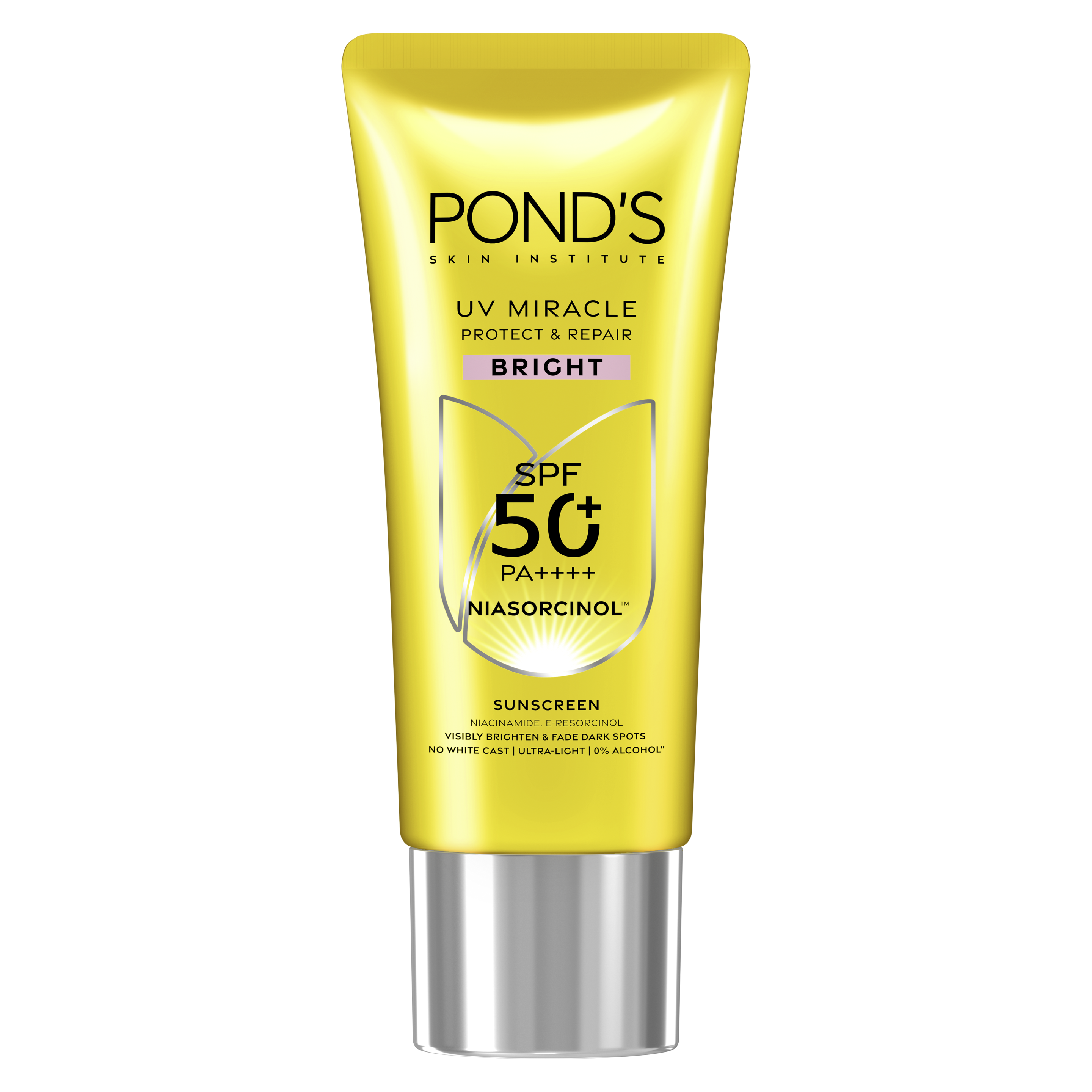
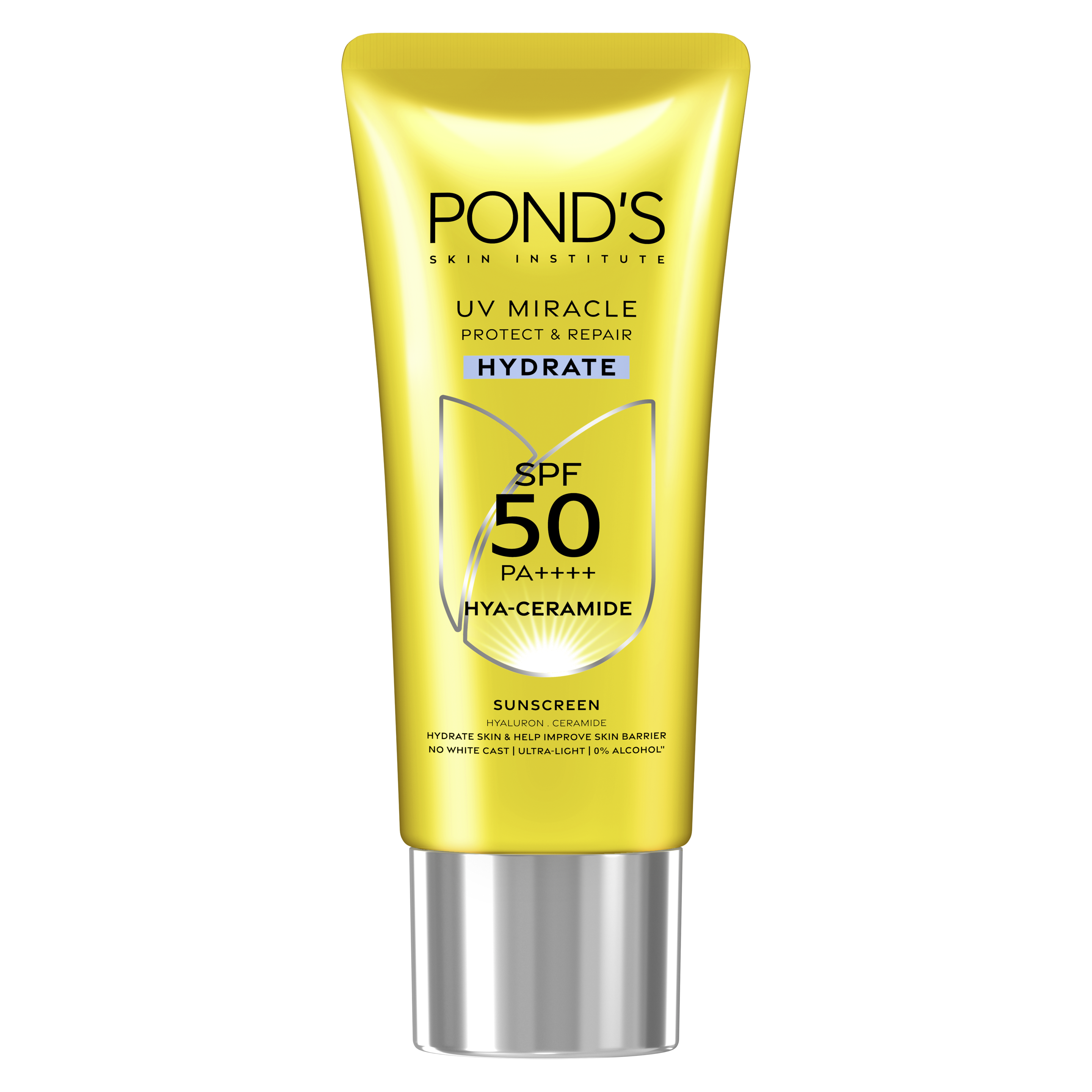
Some examples of good everyday sunscreens are POND'S UV Bright Sunscreen and POND'S UV Hydrate Sunscreen. These come in lightweight formulas with SPF 50 PA++++ to protect the skin from harmful UVB and UVA rays. The former helps brighten the skin and fade dark spots, while the latter improves hydration and leaves a fresh, glass finish.
5. Visit your dermatologist regularly.
Schedule annual skin checks and perform self-examinations monthly to detect any suspicious growths or changes in your skin.
6. Wear extra protection if necessary.

Aside from applying sunscreen, you can wear clothing with UPF (Ultraviolet Protection Factor) ratings, wide-brimmed hats, and UV-blocking sunglasses. Lip balms with SPF are also a must, especially when spending extended hours outdoors. If you can, avoid peak sun hours (between 10 a.m. and 4 p.m.) and seek shade.
Reversing skin damage from UVB and UVA rays is a complex process that requires professional guidance. While some damage may be irreversible, a targeted skincare routine can help improve your skin’s condition and keep it from getting worse.