Tips and Inspiration
From Unilever Beauty Experts
;Resize=(486,122))

Some mornings are just so hectic that applying sunscreen feels like a chore. Still, you know better than to risk suffering the harmful effects of UV rays. That’s where the allure of moisturizer with SPF swoops in, helping streamline your AM skincare routine. Why bother using two products separately when you can have hydrated skin and sun protection with one tube?
Two-in-one skincare products are nothing new, but they’re often better in theory than in reality. Lilia Serobian, an aesthetic nurse treating Khloe Kardashian for melanoma scarring, famously slammed the idea in a recent interview. She said applying sunscreen separately is always better. Double-check the facts here.
Is Moisturizer With SPF Any Good?

Short answer: absolutely! It’s okay to use a moisturizer with SPF, as long as it’s not replacing your good old sunscreen.
The formula itself isn’t much of a concern. After all, these hybrid products you see in the market have been tested for their SPF efficacy and moisturizing properties. The real issue is you’re most likely not applying enough of the product.
The recommended amount of sunscreen for the face and neck is around the size of a 25 centavo coin or ½ teaspoon – the same rule should apply to moisturizer with SPF. However, half a teaspoon’s worth of moisturizer might feel heavy on the skin, which is why most people end up using less product than they should.
Researchers from the University of Liverpool also found that people tend to miss 16% of their faces when putting on a sunscreen-moisturizer, as opposed to 11% when applying regular sunscreen. If you’re used to slathering small dots of cream on your cheeks, you likely won’t get enough sun protection from a moisturizer-slash-sunscreen.
Can You Layer SPF-Added Products for Full Protection?
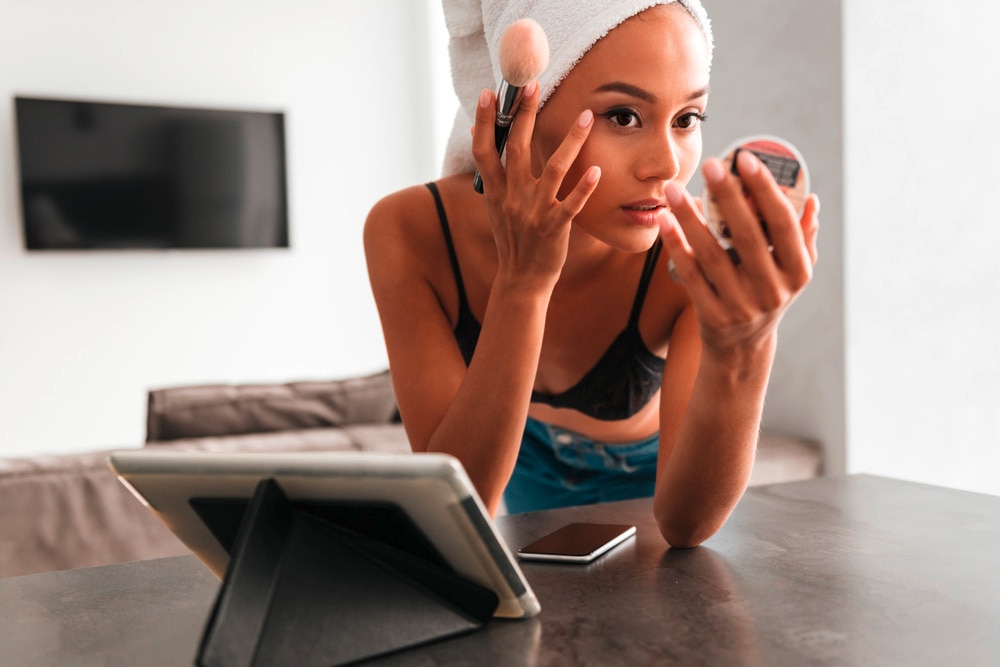
You might be wondering what will happen if you wear multiple products containing sunscreen. They’ll give you extra sun protection, right? It’s not that simple.
Say you’re applying a moisturizer with SPF 15 and a foundation with SPF 30. You’re essentially getting the protection of SPF 30, not SPF 45 – assuming you’ve used enough of both products. Then again, do you really want to cover your face with a teaspoonful of moisturizer and foundation? Unless cakey makeup is the look you’re after, probably not. In other words, it’s more convenient (and safer) to use skincare, sunscreen, and makeup separately.
Should You Use Sunscreen or Moisturizer First?

The dermatologist-approved answer is sunscreen always comes last in a skincare routine. Why? Your sunscreen acts as a shield and can be compromised by other ingredients in your moisturizer. By wearing sunscreen after your skin has fully soaked up all your serums and creams, you can have maximum protection against UV radiation.
If you’re using a chemical sunscreen (one that doesn’t contain zinc oxide or titanium dioxide), the order is a bit different. You should apply it after cleansing because it needs to be absorbed into the skin to work. Wait 60 to 90 seconds before applying moisturizer on top of it.
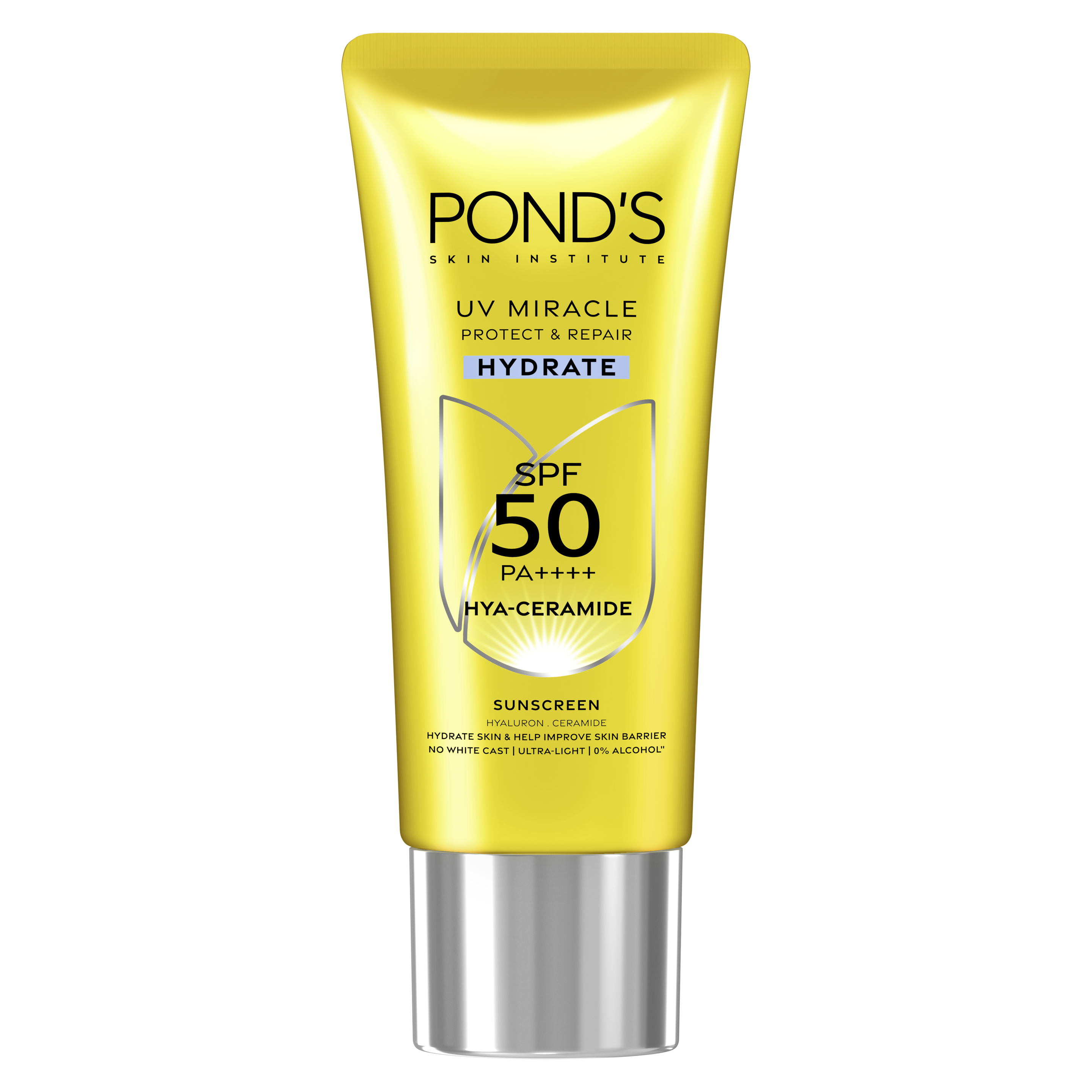
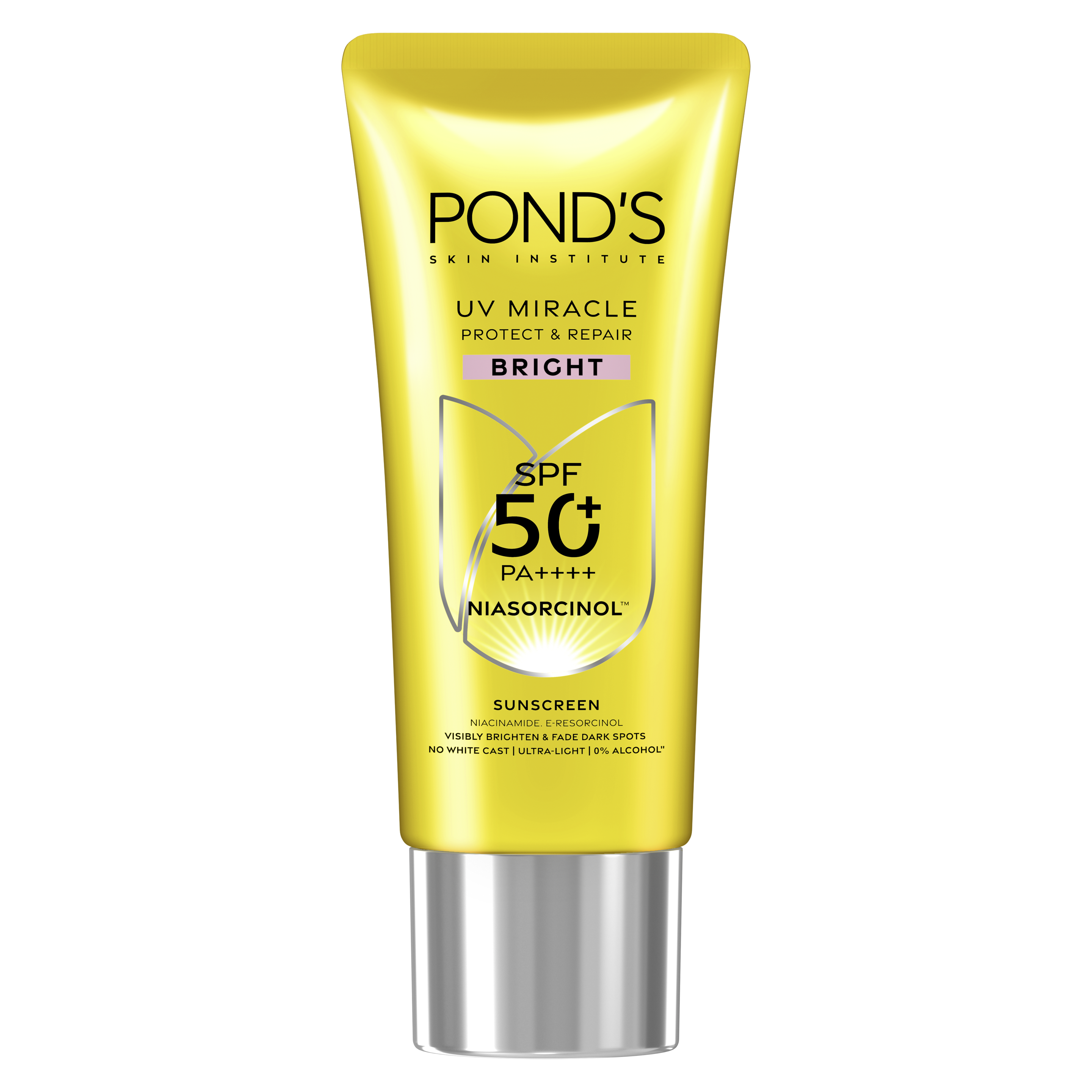
Looking for a good broad-spectrum sunscreen? POND'S UV Hydrate Sunscreen has Hyaluron that instantly hydrates and gives your skin a dewy finish. Or, you can try POND'S UV Bright Sunscreen, which is infused with Gluta-Niacinamide to help fade dark spots. Use this as a last step in your skincare routine.
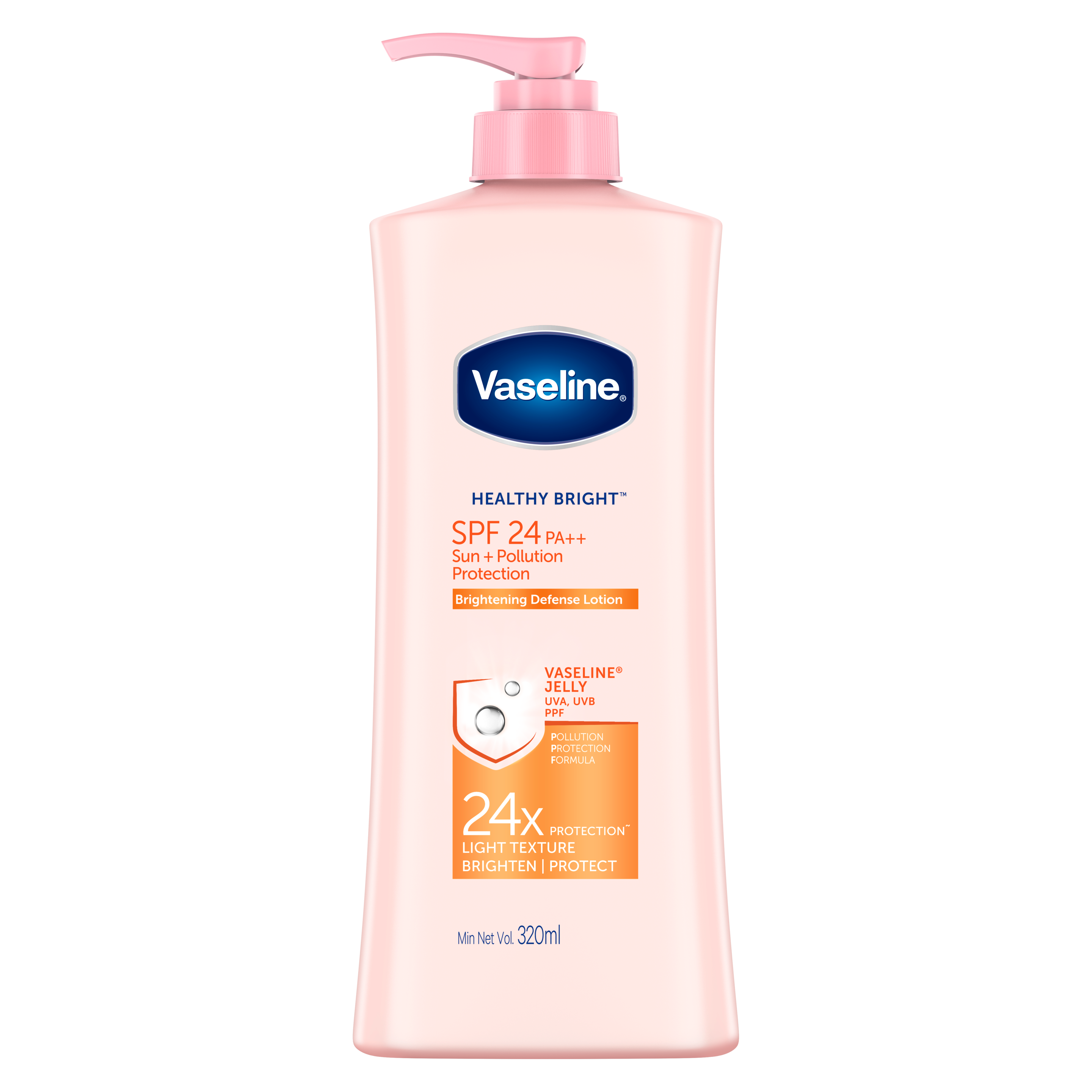
For your body, try Vaseline Healthy Bright SPF24 PA++. It guards you from harsh sunlight and pollution as well as makes your skin look visibly brighter with regular use.
Whether you use a moisturizer with SPF or not, you should always rely on sunscreen as your main line of defense against UVA and UVB. The extra step is worth it!