Tips and Inspiration
From Unilever Beauty Experts
;Resize=(486,122))
Growing up with superstitious beliefs is not uncommon for Filipinos. Pinays, in particular, hear a lot of stories about how adding certain habits to our beauty regimen can make us more attractive. These stories are passed down from generation to generation and presented as facts to an impressionable audience of teenage girls. Most of the time, it’s our moms and grandmothers who share them. However, we can also read about them in magazines, and now, online, too.
In this article, women share the most bizarre beauty regimen myths they’ve encountered. Maybe you’ve heard of them, too?
Wipe Menstrual Blood on Your Face for Clear Skin
You read that right. And not just any kind of period blood, it has to be from your very first period to work. Beauty editor Marbbie Tagabucba — who actually did this — shares, “According to my Mom, this is supposed to ensure that you never develop acne and have clear skin.” While this is a very old superstition, some women still swear by menstrual masking. Marbbie, however, is still not convinced.
“Battling acne for basically my entire life now proved this wasn’t real. What worked is a visit to my dermatologist who discovered that I have PCOS,” she shares.
100 Brush Strokes Will Make Hair Shiny
The beauty regimen to get soft, shiny hair was to brush it for 100 strokes before bedtime. It seems like a totally doable activity, so, naturally, many young girls thought to try it without realizing the consequences.
“I grew up thinking you needed exactly 100 brush strokes to achieve silky, smooth hair,” reveals former magazine editor Nikki Santiago-Rivera. “But my curly hair wasn’t having any of it. I realized in my early teens it was all a marketing ploy of some shampoo brand.” The American Academy of Dermatology states that this can cause split ends and hair loss, so back away from the brush!
Women Must Be Mahinhin
Being demure, soft-spoken, and “hindi makabasag pinggan” were once qualities expected of a woman. In a society that’s traditionally patriarchal, breaking from this stereotype took a long time. And we are still working on it to this day.
Writer Marella Ricketts shares, “Growing up, it frustrated me to hear people describe "Maria Clara" as the ideal image of femininity and beauty. While I respected where it was coming from, it also seemed to paint women as rather one-dimensional.”
In college, Marella discovered that these qualities weren't particularly helpful. "Personally, being able to express yourself — from how you wear your hair to embracing your sexuality — and accepting your complexities and imperfections is more empowering. Beauty should be more accepting, after all,” she says.
White is Beautiful
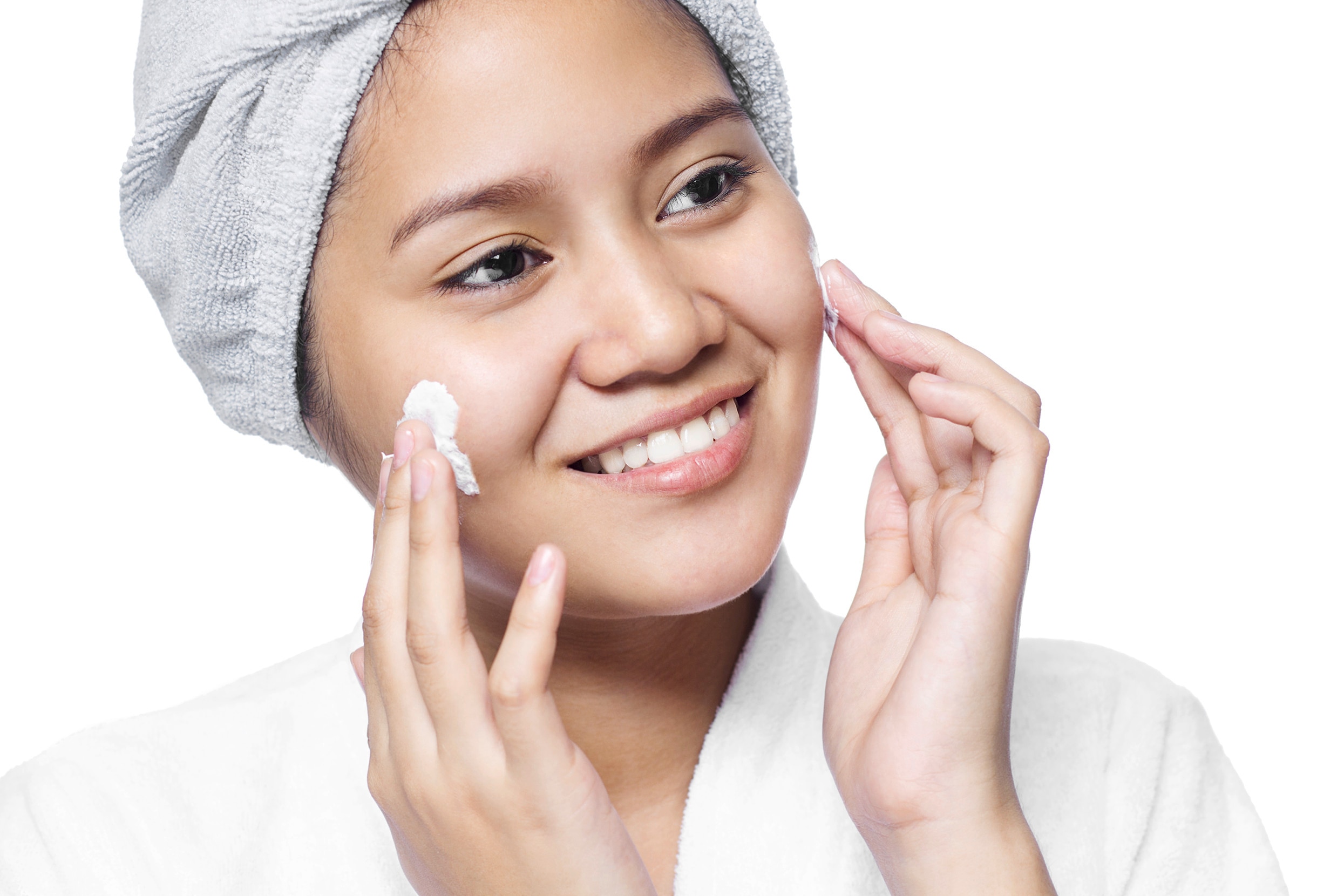
“I do have a myth and it's the classic ‘fair skin is good, dark skin is bad.’ Most of my family got the ‘Chinese’ skin color, so it was on the lighter side, but a good number of us inherited my lolo's dark skin,” shares content manager Tisha Caedo.
In high school, Tisha began a love affair with skin care and developed a personal beauty regimen. It was then that she finally able to embrace her skin tone. "It is what it is and I'm happy with it!” she shares.
The obsession with fairer skin is common in Asian countries. A 2012 study by research firm Synovate found that four out of 10 women in Hong Kong, Malaysia, the Philippines, South Korea, and Taiwan, use whitening creams. A lot has changed since, with brands like Unilever launching a global campaign to remove all “whitening” on their product labels. However, we still have a long way to go.
Don’t Shower at Night to Avoid Pasma
“One myth I remember is you shouldn’t shower or bathe at night because mapapasma ka,” says beauty editor Dinna Chan Vasquez. Pasma translates to “spasm” in English, but it is often referred to as a “folk illness” because it doesn’t have a medical definition.
In the olden days, people believed cold temperatures or lamig can enter the body and cause muscle spasms, chills, numbness, and body pains. Therefore, bathing at night was discouraged during that time. Now, of course, we know that you can take a shower anytime you want — just listen to your body and see what it needs.
Sunscreen is Anti-Darkening
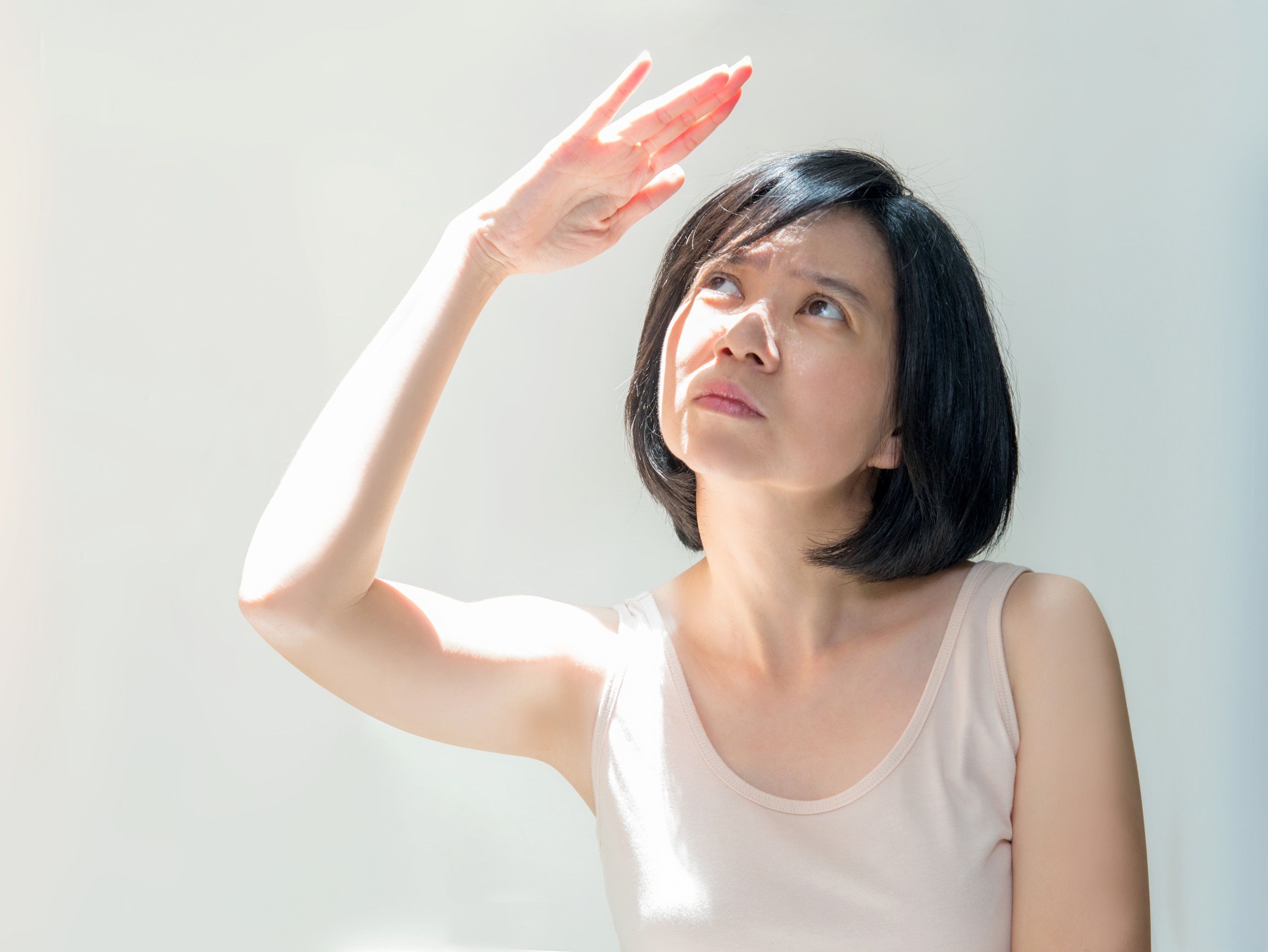
“I hate that it’s all rooted in colonialism,” content manager Mika Isla says. She remembers hearing that you only need to wear sunscreen when you’re going out under the sun, and that red lipstick is for mestizas. “Kapag walang araw, then no need for SPF. I think this stems from our collective old-school belief that SPF is ‘anti-darkening,’ which is so not true!”
By now, many of us know that you should wear SPF outdoors, indoors, and even when it’s overcast. This is because glass does not block all types of UV light. So, unless you live under a rock or drive a submarine, best to wear your sunscreen even when the sun’s not out. As for red lipstick? There are enough shades of red to go around for everyone! Choose the red that makes you smile and feel confident in your own skin.
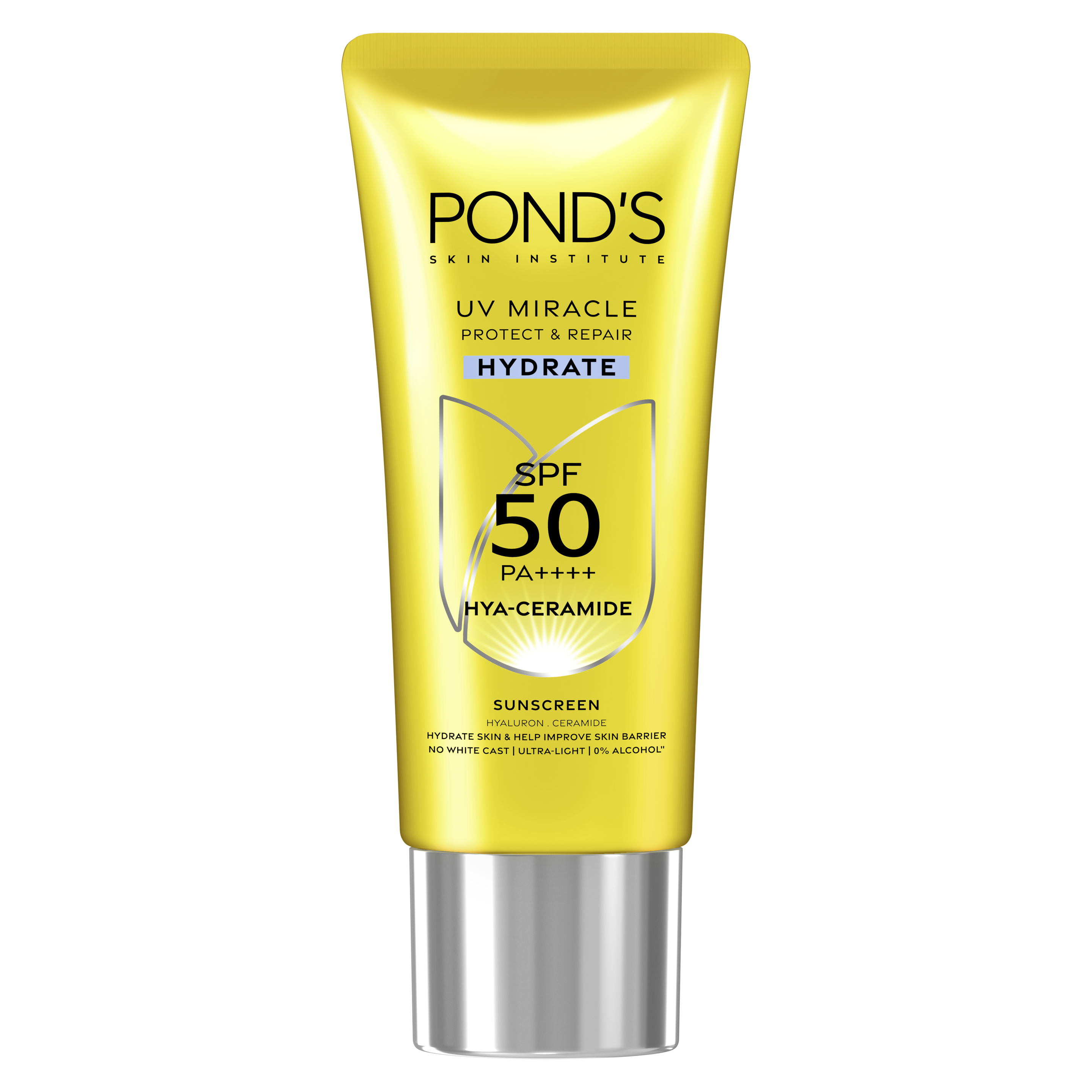
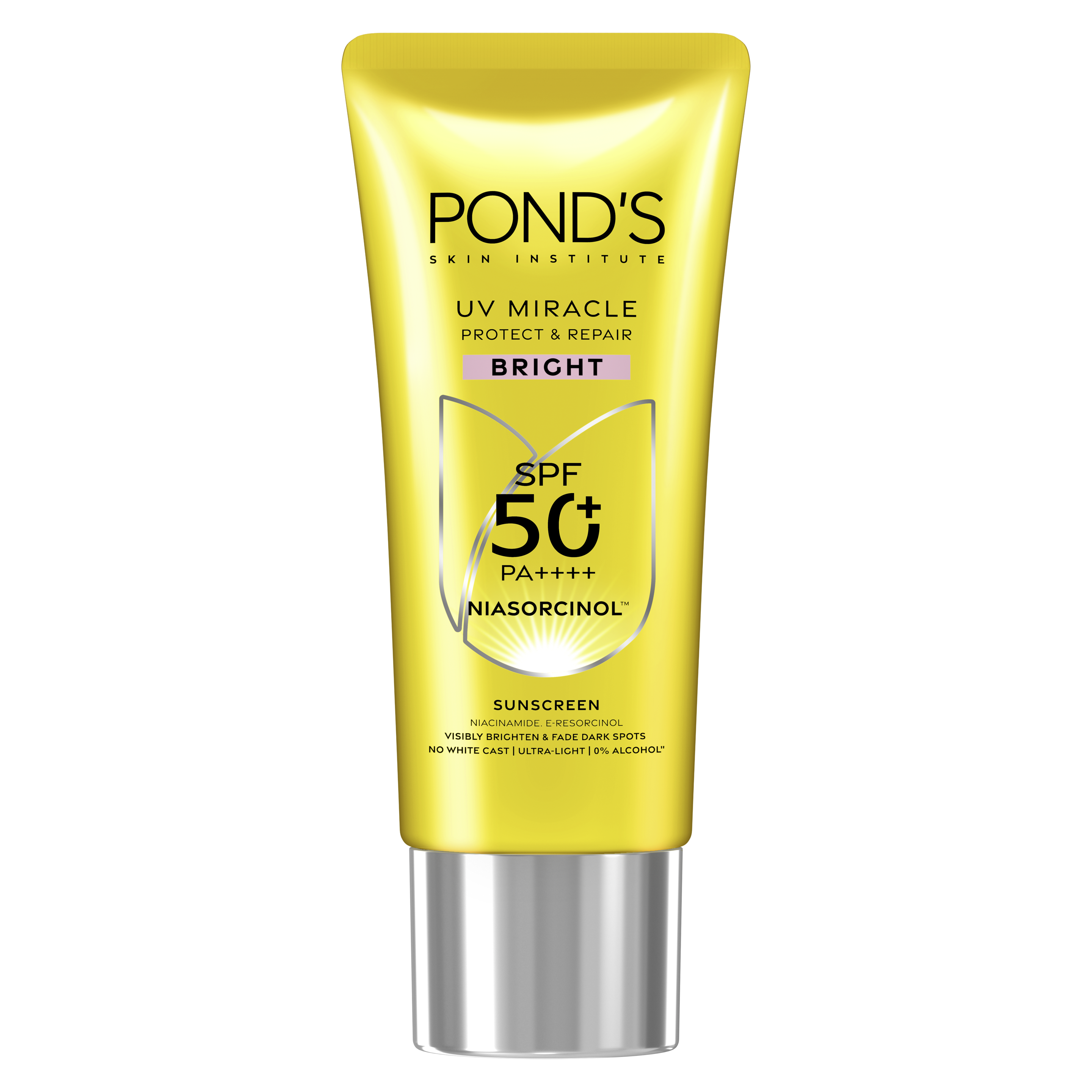
If you want to protect yourself from UV rays while loving the skin you’re in, try POND'S UV Hydrate Sunscreen for dehydrated skin, and POND'S UV Bright Sunscreen for fading dark spots.
Unsubscribe to these myths and build a beauty regimen that’s based on facts and addresses your skin’s specific needs. When in doubt, consult your dermatologist for the best ingredients for your skin.