Tips and Inspiration
From Unilever Beauty Experts
;Resize=(486,122))
They say beauty is in the eye of the beholder, and to some extent, it’s true — we are each influenced by our cultures and interests when it comes to determining what makes a beautiful face. Our unique experiences, upbringing, and consumption of art and media play a huge role in what we think is beautiful. But what if we told you that, according to science, our perception of beauty is actually shaped by factors beyond our control, such as biology, history, and human nature?
What Is Beauty?
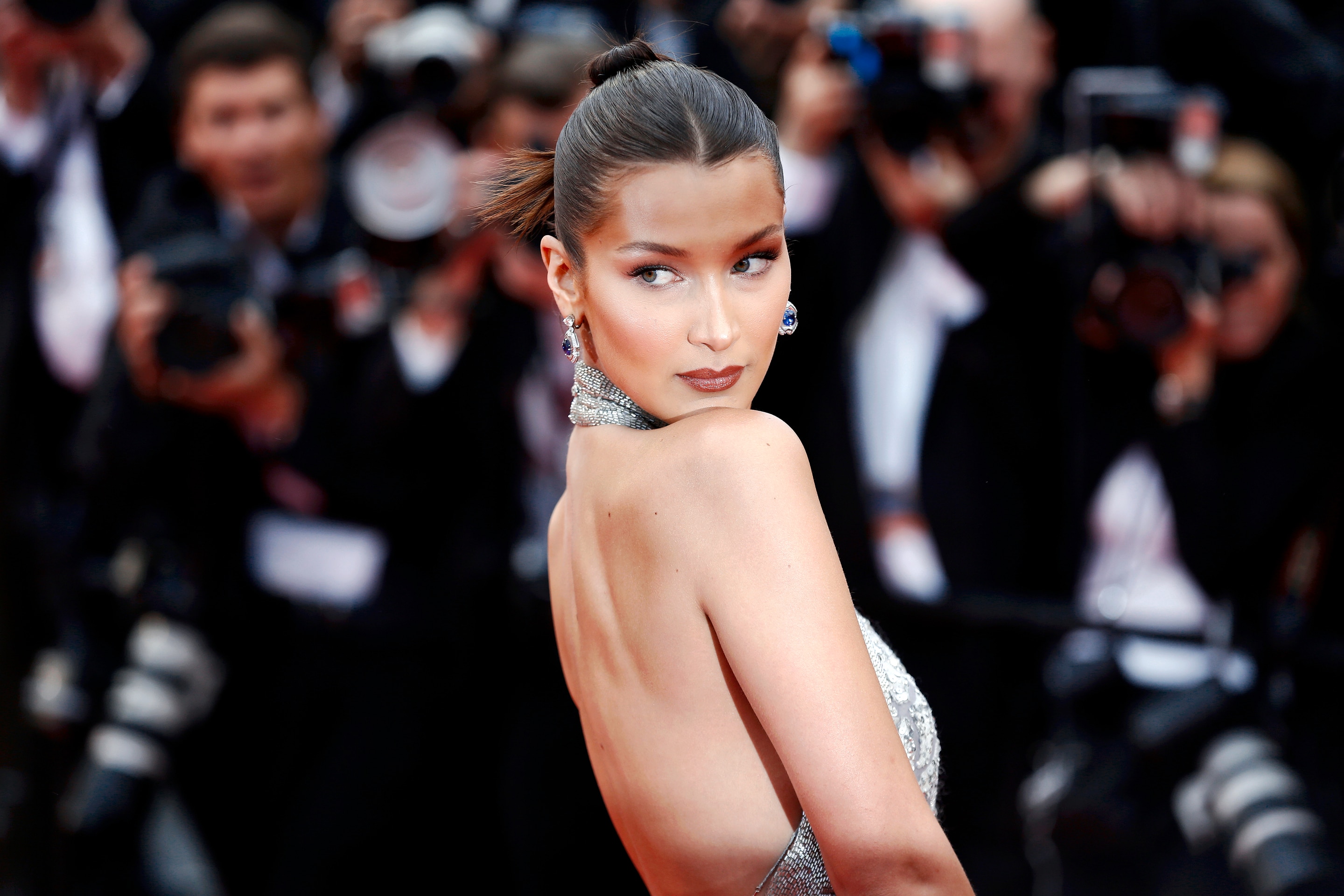
Let’s skip the philosophy lesson and focus on facial beauty. A simple Google search would lead you to the Golden Ratio, or the mathematical computation of beauty based on the Fibonacci numbers. It suggests that physical attractiveness depends heavily on symmetry. The more in proportion the face, the more likely you are to find it beautiful.
A study by cosmetic surgeon Julian de Silva concludes that Bella Hadid has the world’s most perfect face based on this computation (a.k.a. the Golden Ratio face), with her facial symmetry at 94.35 percent. To be fair, he only measured celebrity faces, so you’re still in the running!
On a more serious note, you might ask, what about the models with extraordinarily high foreheads and parted eyes? What about my stunning co-worker with a pointy nose? What about my best friend and her super high cheekbones? Their faces don’t appear to be symmetrical, yet we find them beautiful, and there are contrary studies that say symmetry has very little influence on attractiveness. A 1993 study published in Acta Psychologica Vol. 113, called “Criteria of Facial Attractiveness in 5 Populations”, says that asymmetrical faces can be attractive, too.
Beauty may be difficult to define, but based on more science, certain factors contribute to our perception of beauty. Here are some facial features that are surprisingly attractive.
You have an average face.
A study published in the National Institutes of Health titled “Facial Attractiveness: Evolutionary-based Research” states that since symmetry, which is attractive, is also common, it is also average. This makes us attracted to average-looking faces. In this case, average doesn’t mean so-so, or forgettable. Instead, it refers to the mathematical average of most people’s faces.
For example, most people find it attractive when the distance between a person’s eyes is just under half the width of their face — which is the average distance for most people. So in truth, there is no such thing as the "most attractive face shape." It's all in the facial features and their proportions.
You have a plump face and a soft jawline.
The same study found that feminine, soft facial features are considered attractive. Our brains see facial adiposity, or the perception of weight in the face, as characteristics of a person who is fertile and healthy. However, there is research to contradict this. Another study conducted in El Salvador explored the perception of beauty as a reflection of what we are exposed to. It found that people without internet access preferred faces with more weight than people with internet access. So, if you happen to have the bone structure of Naomi Campbell, don’t despair – you’re still pretty.
Your eyebrows are not arched.
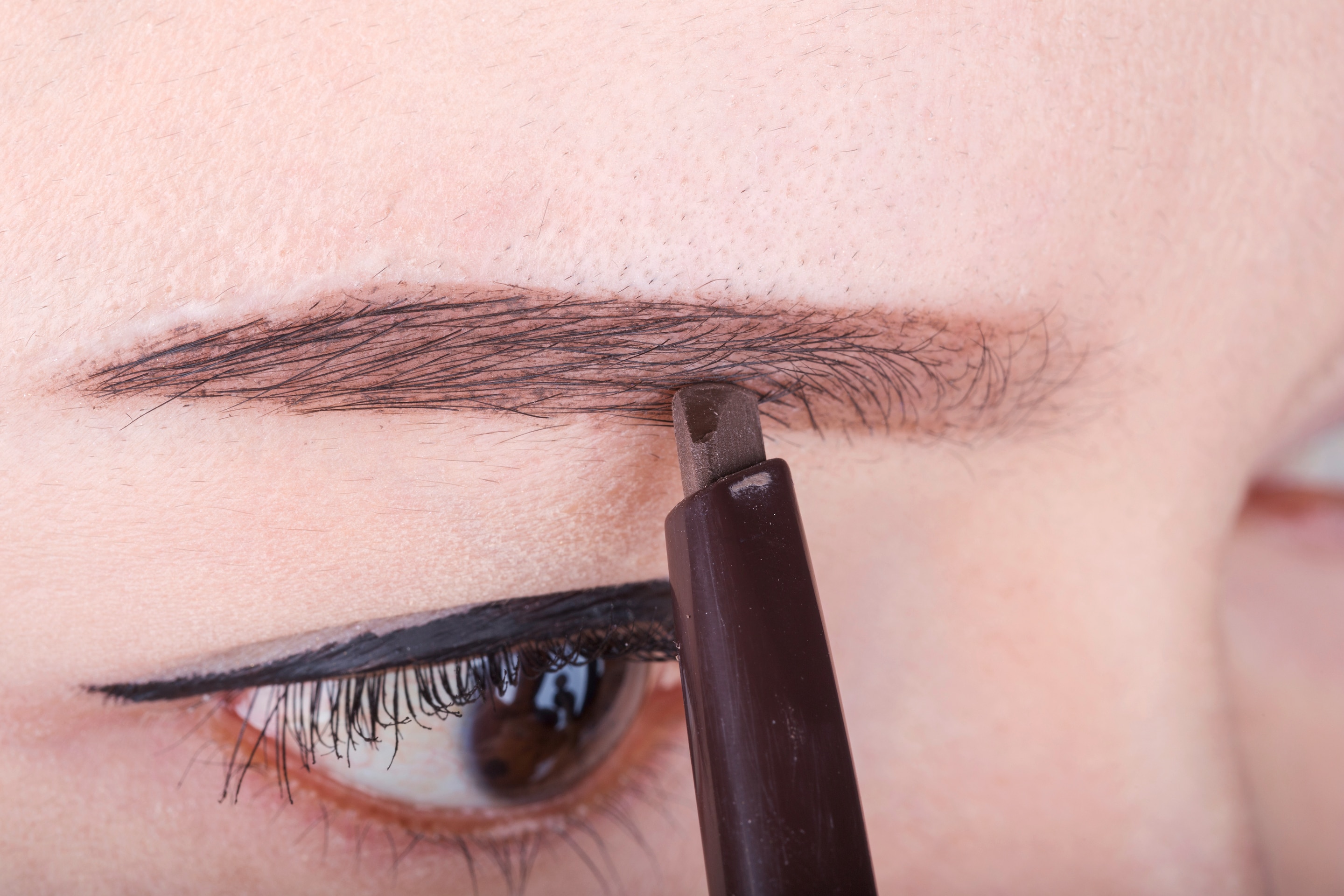
We’ve seen various eyebrow styles come and go through the years, and plenty of different ones can be trendy in the same year. Recently, it’s all about the hyper-arched, perfectly shaped Kardashian brows, bushy “boy” brows, and straight Korean brows. A 2015 study called “Eye Shape Illusion Induced by Eyebrow Positions” published in the NIH found that lower eyebrows that are closer to the eyes make the eyes appear bigger and more attractive. This means those straight eyebrows popularized by K-beauty actually serve a purpose, making smaller eyes look brighter and bigger.
Your skin has yellow undertones.
Since perceived health is a strong metric for what makes a face attractive, skin health and color also play a key role. That’s no surprise, but did you know that having yellowish skin is attractive? Provided that it’s not caused by an underlying medical condition, yellowness is associated with a healthy appearance in faces, says a study published in NIH. The study says yellow skin may advertise health through the intake of carotenoids absorbed through eating fruits and vegetables.
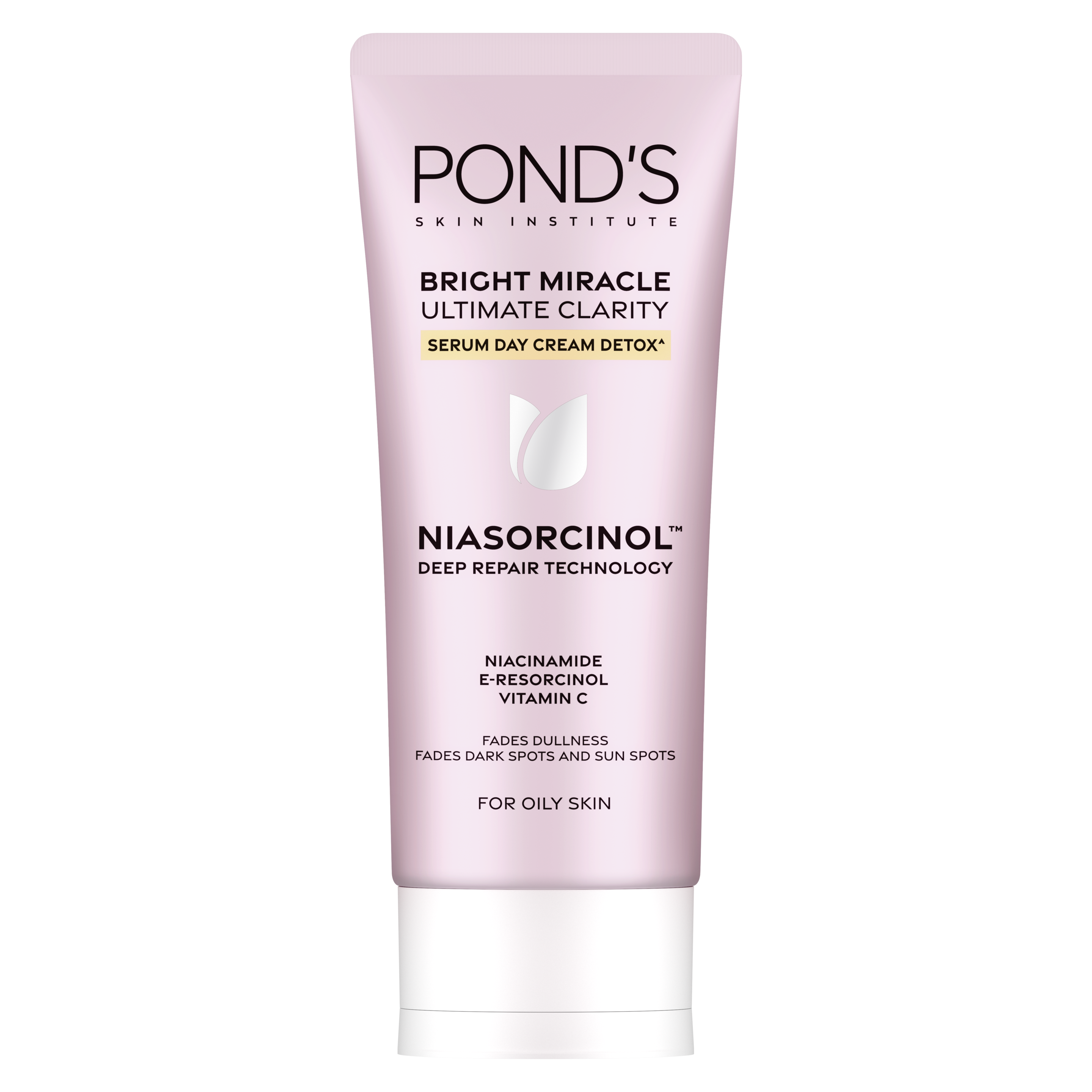
Yellow may not be everyone’s color, but luckily for us, there are other indicators of skin health. Hydration, plumpness, and a glow are all achievable characteristics of healthy skin. Cleanse your face with a glow-boosting micellar cleanser like Eskinol Naturals Micellar Water Glow with Natural Rose Extracts, which removes excess oil and brightens dull skin. Supplement this with POND'S Bright Miracle Day Cream Detox. It has deep-repair technology and vitamin E that fades spots and corrects dullness, helping you achieve radiant and resilient skin.
Product
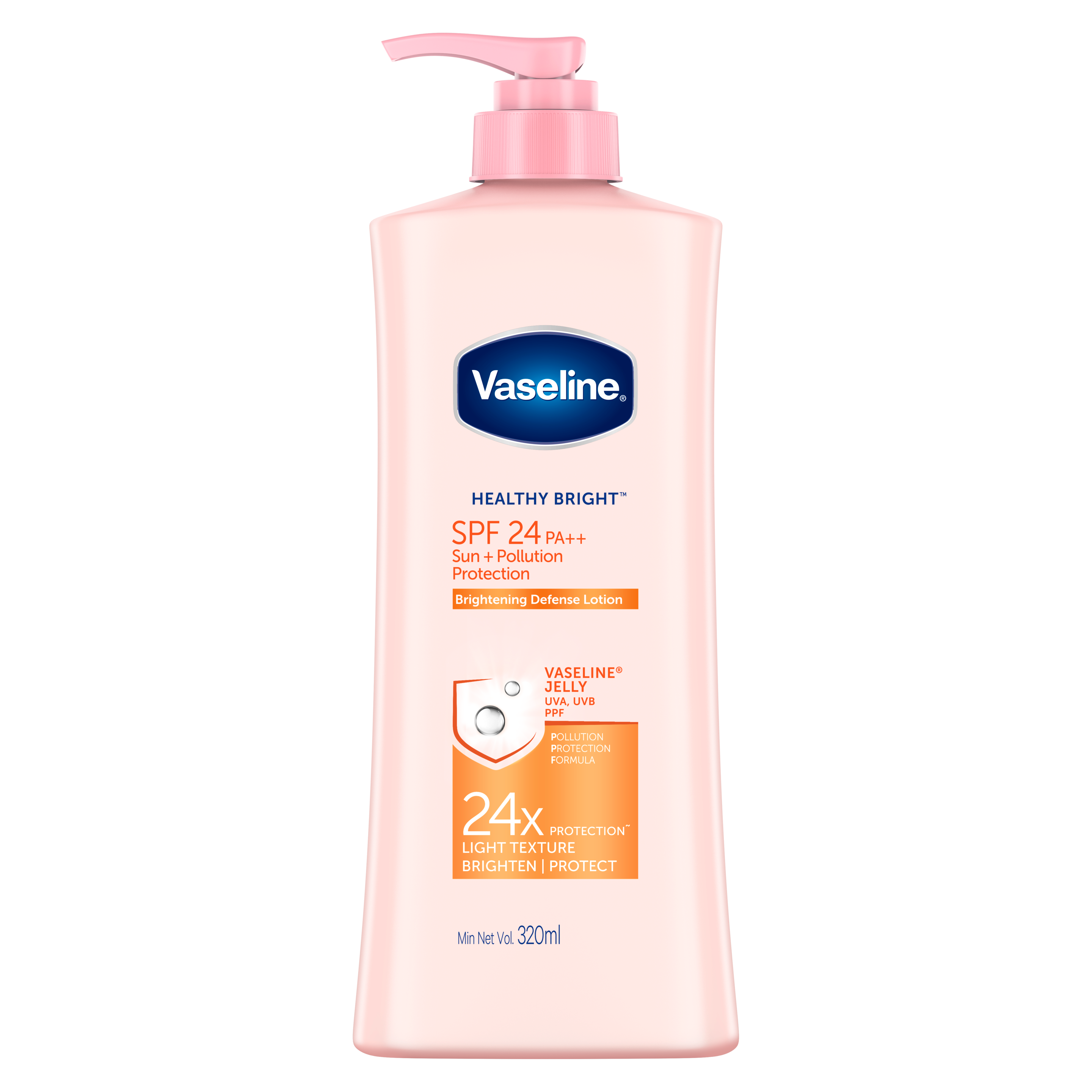
Finally, complete your dewy skincare routine with Vaseline Healthy Bright SPF 24 Body Lotion to even out your skin tone and protect it from UV rays with SPF 24 and PA+++.
At the end of the day, there’s no single perception of beauty that is universal. Our definition of what makes a beautiful face can be as temperamental as our moods. It’s relative to our experiences — past, present, and future. Anyway, it’s high time we celebrate all kinds of beauty, and not just the ones we’re scientifically wired to see.