Tips and Inspiration
From Unilever Beauty Experts
;Resize=(486,122))
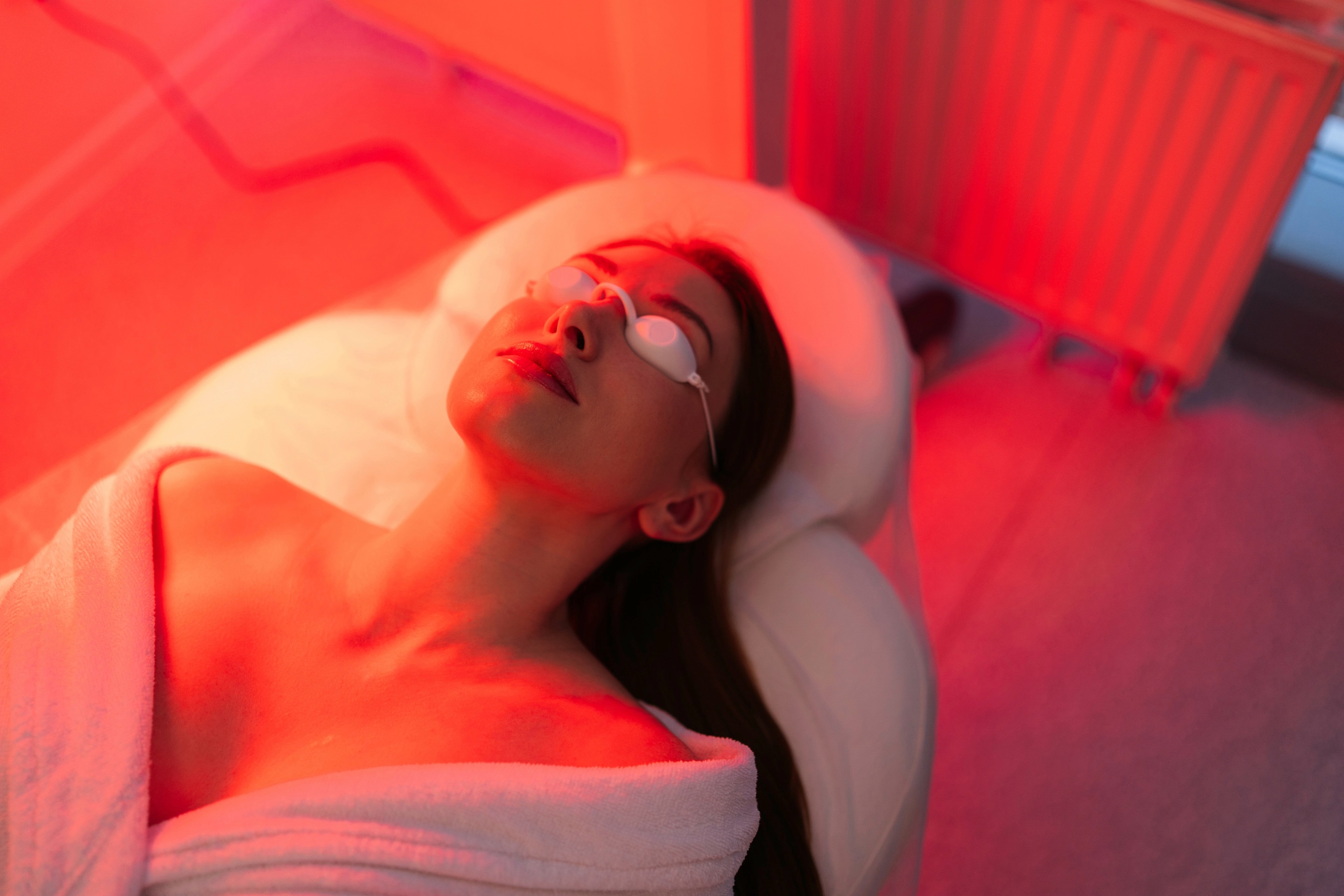
Every so often, an innovative skincare treatment goes from clinical to mainstream – landing not just in salons and on TikTok FYPs, but also on beauty shelves and in your own bathroom. That’s exactly what’s happening with red light therapy, a low-level light treatment that claims to recharge your skin, soften fine lines, and bring back your natural glow.
Are you sold, or does it sound a little too high-tech for home use? Here’s what you need to know about how it works, where it started, and whether it’s worth getting into.
What Is Red Light Therapy?
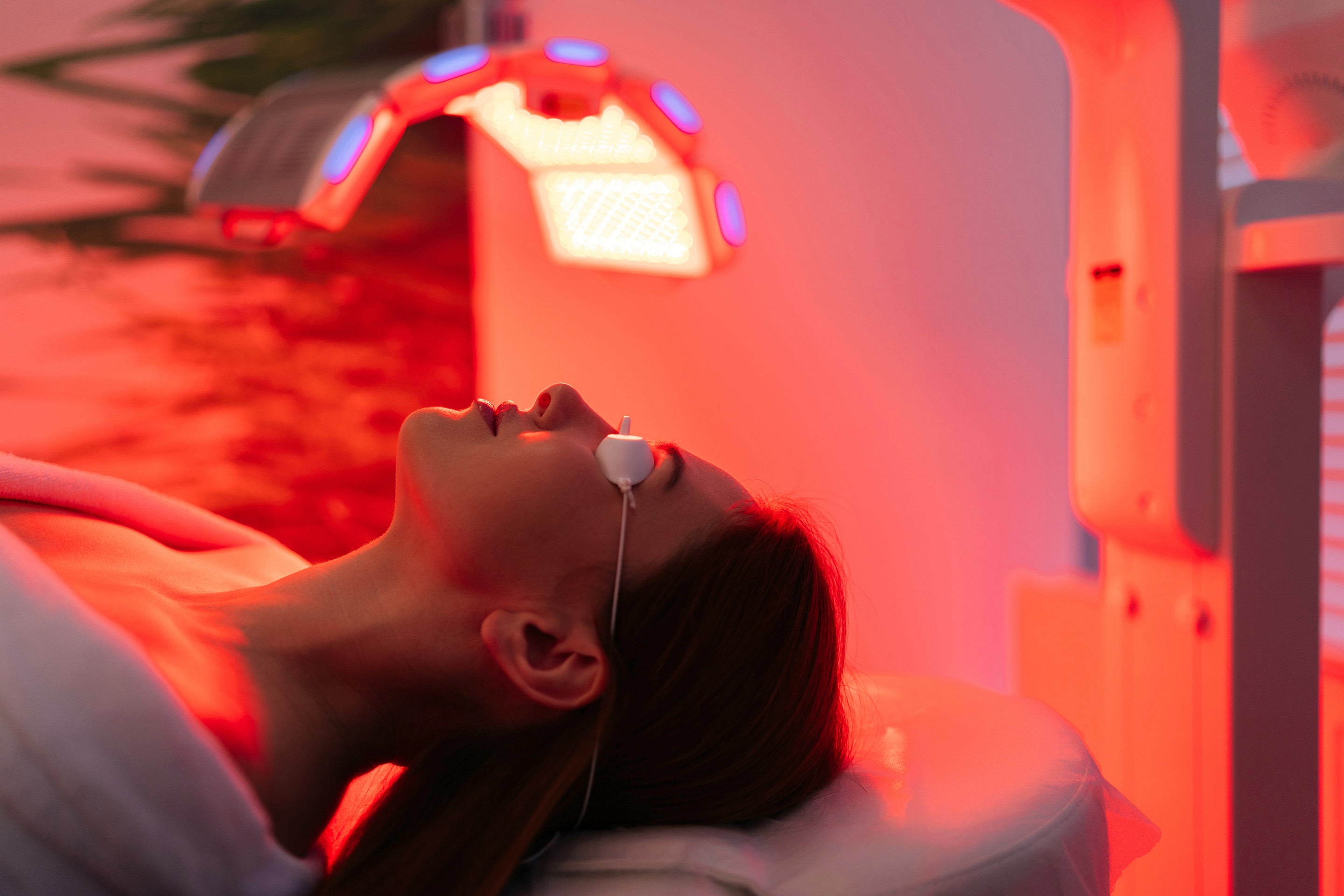
Red light therapy, also known as photobiomodulation, is a non-invasive treatment that delivers low-level red light to the skin. It stimulates the mitochondria (your cells’ energy producers) so they can speed up skin repair, ramp up collagen production, and lower inflammation.
Fun fact: This technology wasn’t actually developed for skincare. It began in the late 1960s when Hungarian physician Dr. Endre Mester, while testing laser therapy on mice, noticed something unexpected: The light didn’t treat cancer, but it did speed up healing and hair regrowth.
Today, red light therapy is widely used in medicine and cosmetics, from treating inflammatory skin conditions to aiding in wound healing. According to a Stanford Medicine report, red light has been shown to trigger cell death in damaged skin cells, including cancerous cells, creating space for healthier skin to regenerate.
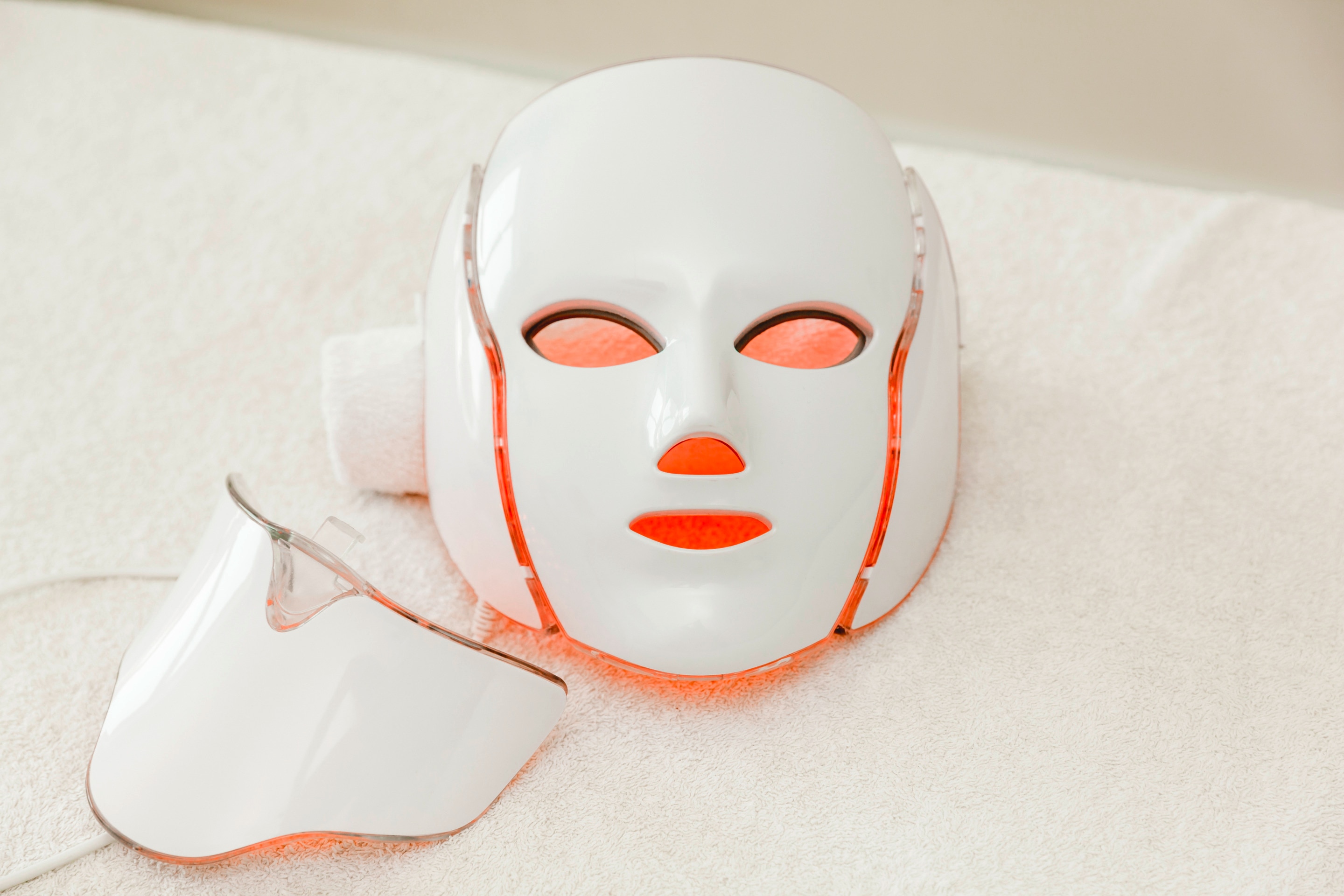
Fast forward to today, beauty brands and facial clinics offer the treatment to help address cosmetic concerns, such as fine lines, sagging, and dullness. And, as you’ve likely seen on TikTok and Reddit, LED masks and handheld devices are now available for at-home use, making the procedure even more accessible.
Does Red Light Therapy Really Work on Your Face?
Research supports the treatment's ability to stimulate beneficial cell activity in the skin. A 2019 study reported that red light therapy increases levels of hyaluronic acid and elastin, which are essential in achieving plump, hydrated, firm skin. Another study found that regular use can reverse some of the visible damage caused by sun exposure.
In short, the treatment supports your skin’s natural repair processes from the inside out. When used consistently and with the right device, it can be a reliable part of your skincare routine.
What to Know Before You Try It
Red light therapy isn’t a one-time fix, and it’s not cheap. Professional treatments can cost anywhere from P1,000 to 3,000 per session, and long-term results typically require multiple visits.
Home-use devices, like LED masks and wands, cost between P10,000 and P30,000. But before you buy, consider this: Not all of them are built to deliver the same intensity as clinical tools. Some are uncomfortable to wear, some don’t last more than a year, and others don’t result in much visible improvement.
So, a red light mask that works for one person might not feel right for another. Some users find the light irritating on their skin, or the effects too subtle to justify the price. And that’s before you even get into the technical specs, such as the exact wavelengths, the strength of the device, and whether it’s FDA-approved.
Red light therapy devices are most effective when they utilize specific light wavelengths that can penetrate the skin deeply, typically ranging from 630 to 830 nanometers. Professional machines tend to deliver stronger, more precise light compared to many at-home gadgets, which means treatments can be quicker and more effective. Lastly, choosing a device with FDA clearance can offer added confidence in its safety and quality, but clearance doesn’t guarantee results for everyone.
Alternative Ways to Rejuvenate Skin
If you want to experience the same skin benefits promised by red light therapy but aren’t ready to make the jump, you can start by being more intentional with your skincare.
Choose products with ingredients that nourish and boost rejuvenation. Try this budget-friendly duo: POND'S Age Miracle Ultimate Youth Day Serum, which helps boost skin repair by reducing fine lines and wrinkles, and POND’S Bright Miracle Day Cream Detox, which is packed with antioxidants to brighten and strengthen your skin barrier.
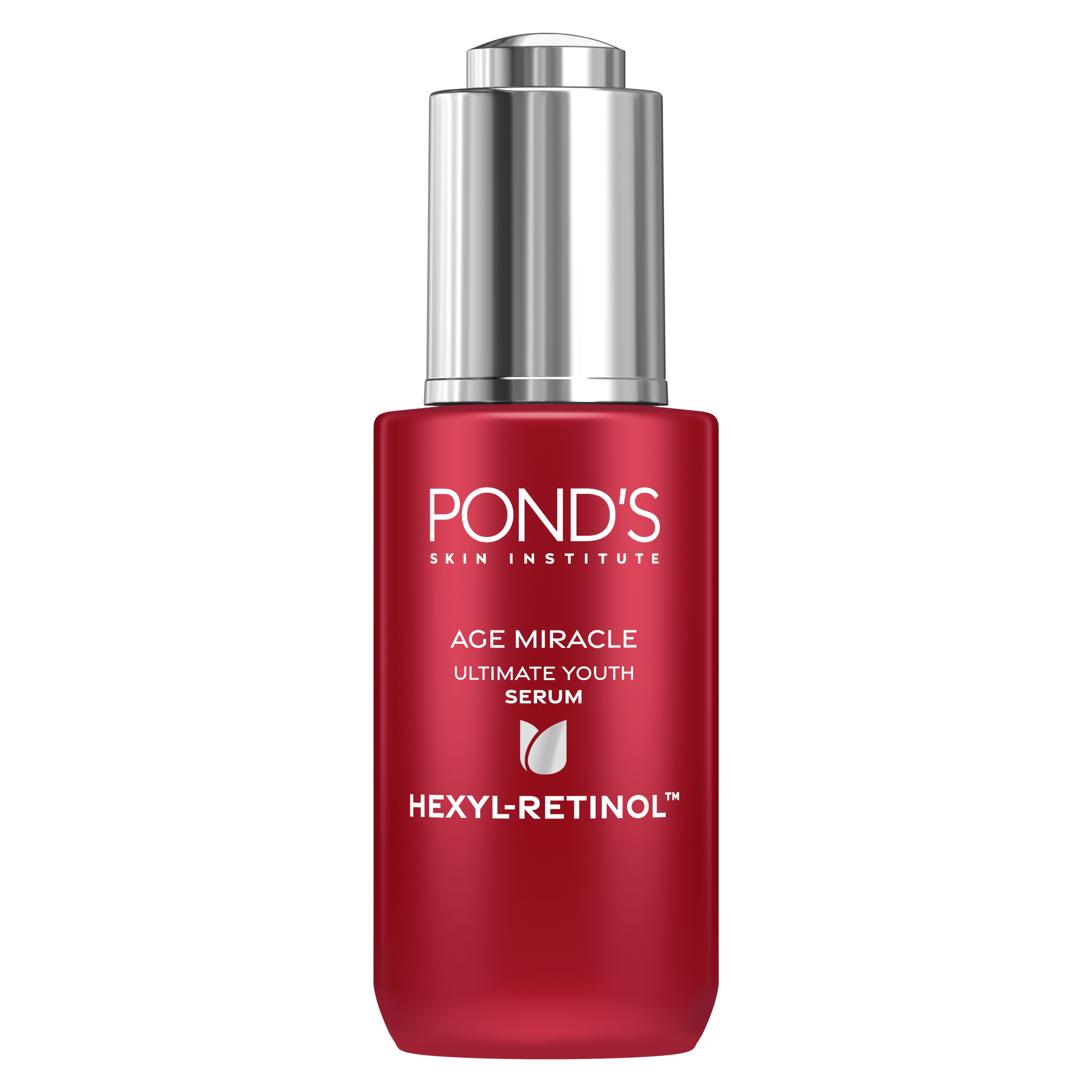
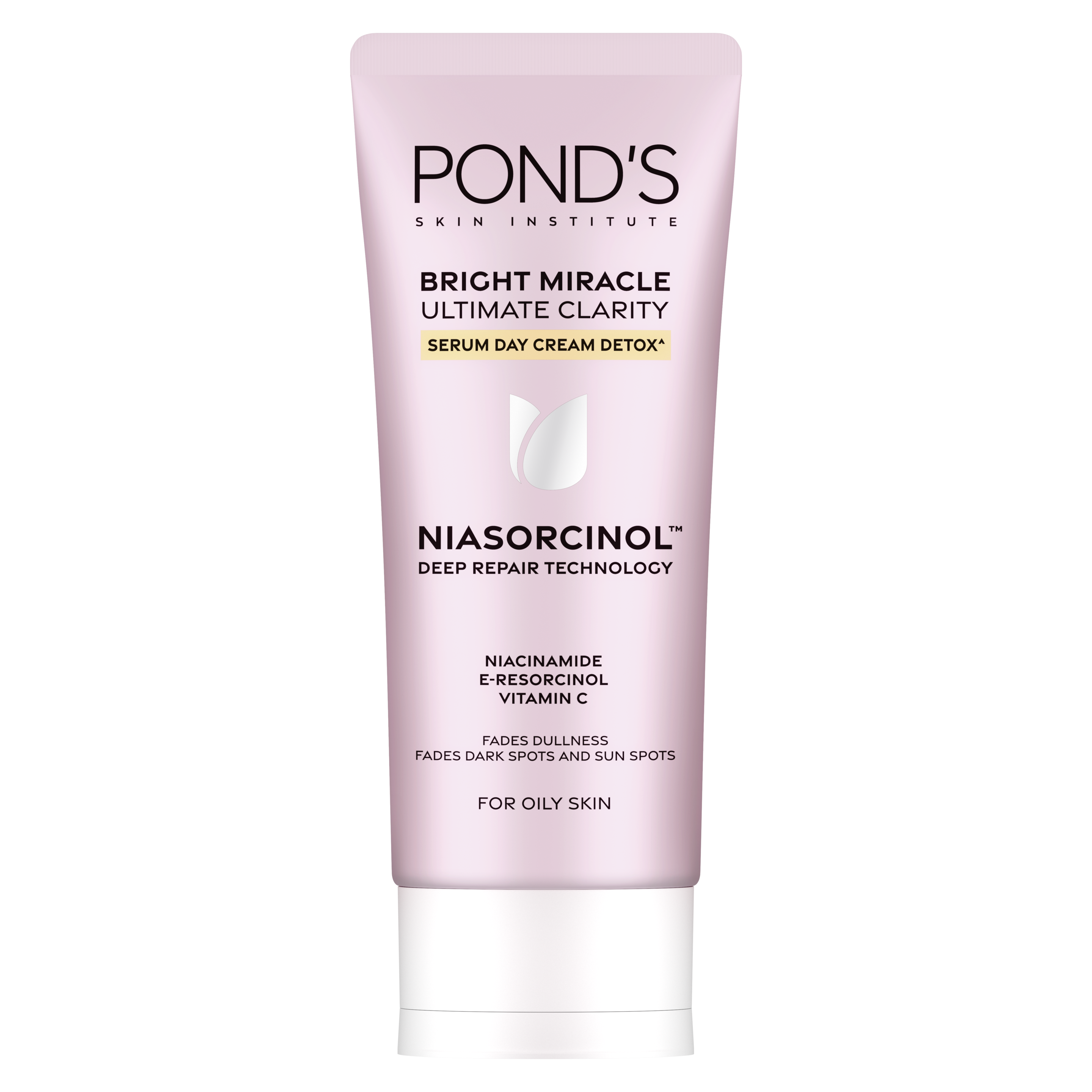
Of course, these won’t give you the exact red light therapy benefits you’re after. Topical skincare won't work in the same way an LED treatment does on a cellular level, but they do support your skin renewal cycle and can help lead to smoother, firmer, more radiant skin over time.
So, Should You Try It?
If you have ongoing skin concerns, you love trying tech-forward treatments, and you’re ready to invest time and money, it's worth trying. But if you’re new to skincare devices, have minimal concerns, or prefer a low-maintenance approach, skincare products may be the better (and more affordable) option. As always, go to reputable salons and consult your dermatologist if you want expert advice.
The bottom line is you don’t need to break the bank to achieve glowing skin. Whether you splurge on red light therapy devices or stick to reliable skincare formulas that work for your skin, the key is consistency.