Tips and Inspiration
From Unilever Beauty Experts
;Resize=(486,122))
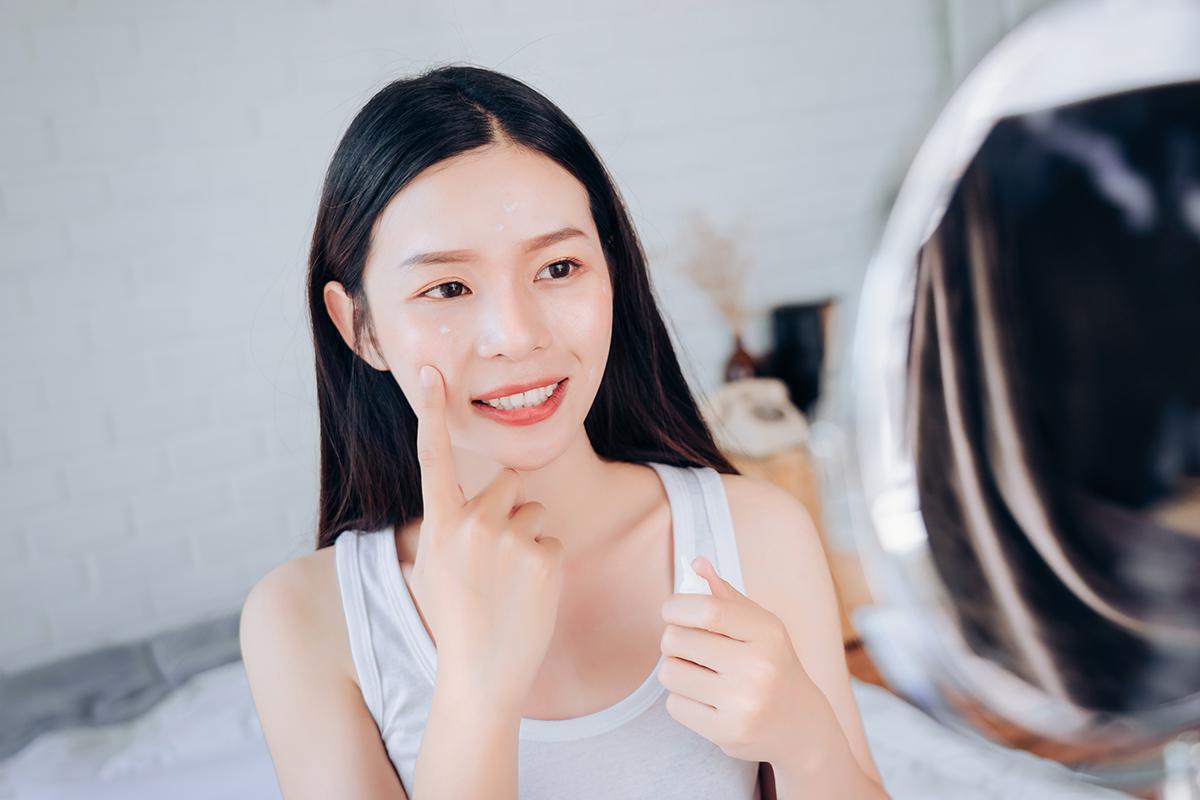
It’s amazing how a tiny zit can trigger obsessive tendencies, but when it’s staring you right in the face, it’s not so easy to resist. Resorting to pimple popping is not uncommon, especially when said pimple decides to rear its ugly head at an ill-opportune time (as they do). However, dermatologists warn against popping zits for a reason – five, in fact. And no, it’s not because they want to take your money.
The Pimple Could Get More Inflamed
There are many different types of acne and degrees of severity. Some just sit on the skin’s surface, while others are more deep-seated and insidious. The latter is similar to inflamed acne, which is usually redder, swollen, and more painful than non-inflamed acne (blackheads and whiteheads).
Let’s say you have a huge blackhead and it’s been bothering you for a few days. It may look about ready to pop, but it’s not. Some blackheads can persist for weeks or months. Popping it can push the clogging deeper in the pore, leading to further inflammation. Moreover, unless you sterilize like a surgeon, you could introduce new bacteria into the pore from your hands, leading to more blackheads.
It Could Result in Permanent Scarring
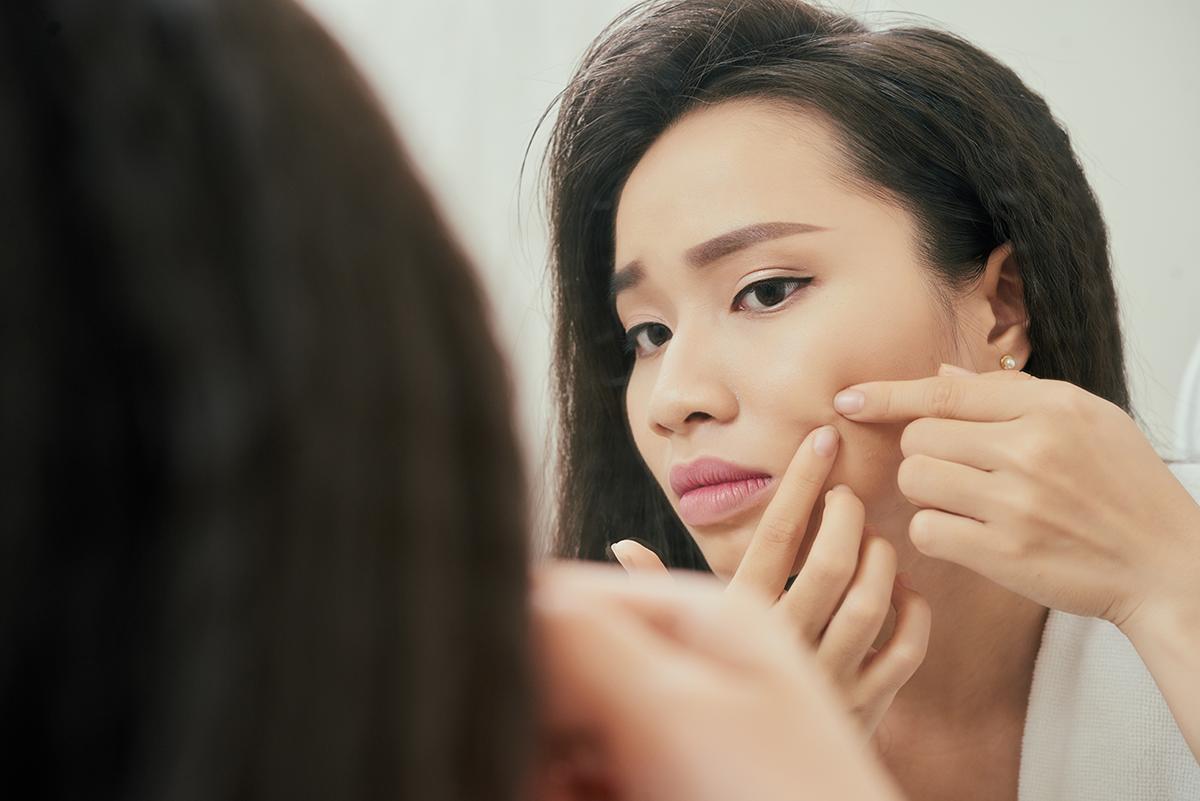
Unless you’ve successfully popped your pimples a gazillion times (which means you’re a dermatologist), then you don’t know the right way to extract a zit. You could exert too much pressure on the skin around the pimple and puncture it with your nails. You could also damage the follicle by trying to squeeze all the debris out. You’d be lucky if it just turned into an angrier pimple — usually, popping leads to permanent scarring. This post-inflammatory pigmentation can appear as pitted skin or dark marks that won’t go away.
You Could Get an Infection
Pimples are not likely to become infected if you keep your hands away from them. Whether or not you squeeze everything out not, a popped pimple is more prone to infection. Once bacteria enter the wound, the pimple can embed itself deeper into the skin, growing larger and more painful. An infected pimple is also redder, pus-filled, and much more difficult to conceal.
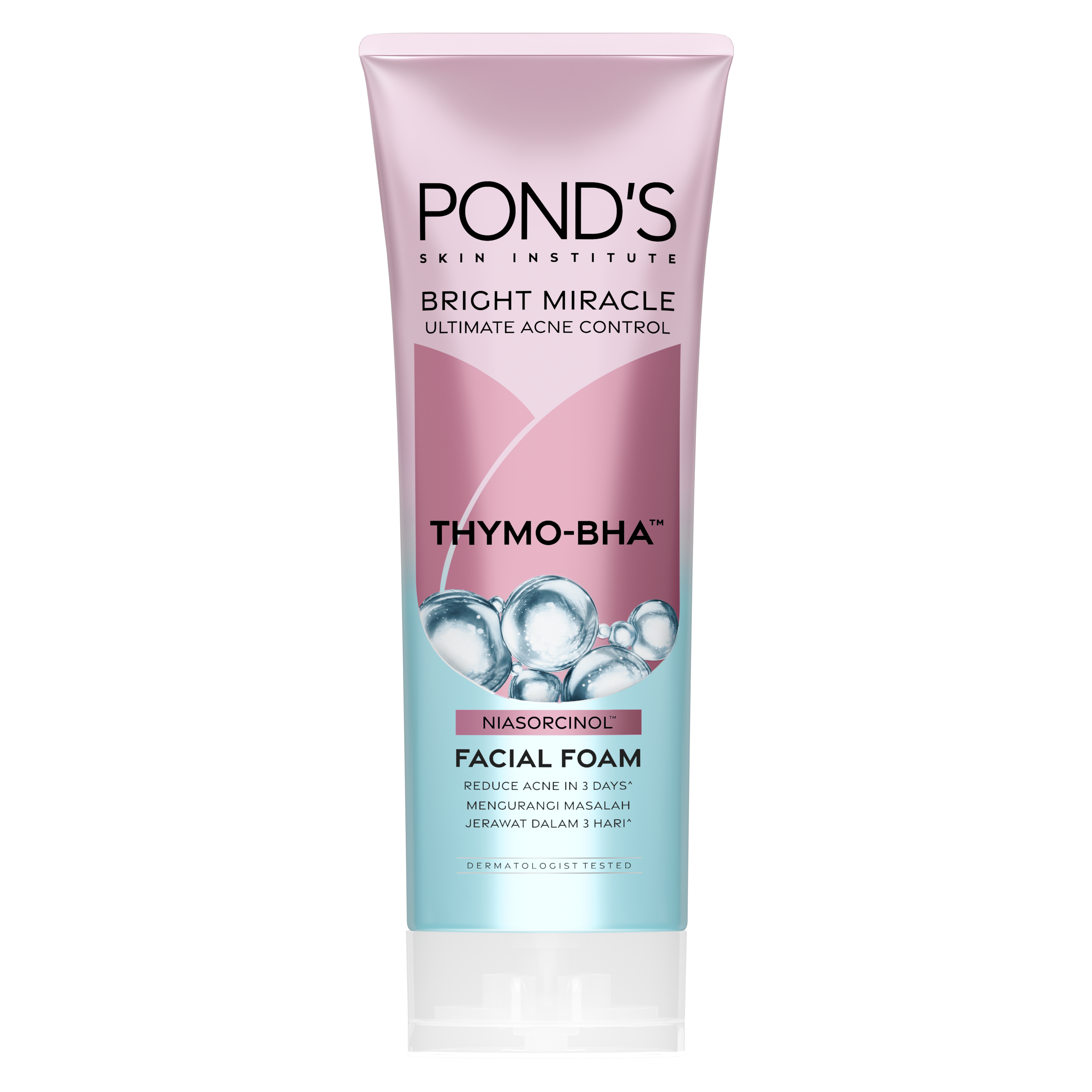
Prevent infection by cleansing your face with an acne-fighting facial wash, such as POND'S Bright Miracle Ultimate Acne Control Facial Foam. Formulated with Active Thymo-BHA and vitamin B3, this fights acne at the root while strengthening the skin.
For clear pores, use POND'S Bright Miracle Ultimate Oil Control Facial Foam. It has activated charcoal that draws out deep-seated dirt and oil from the pores.
It Will Prolong the Healing Process
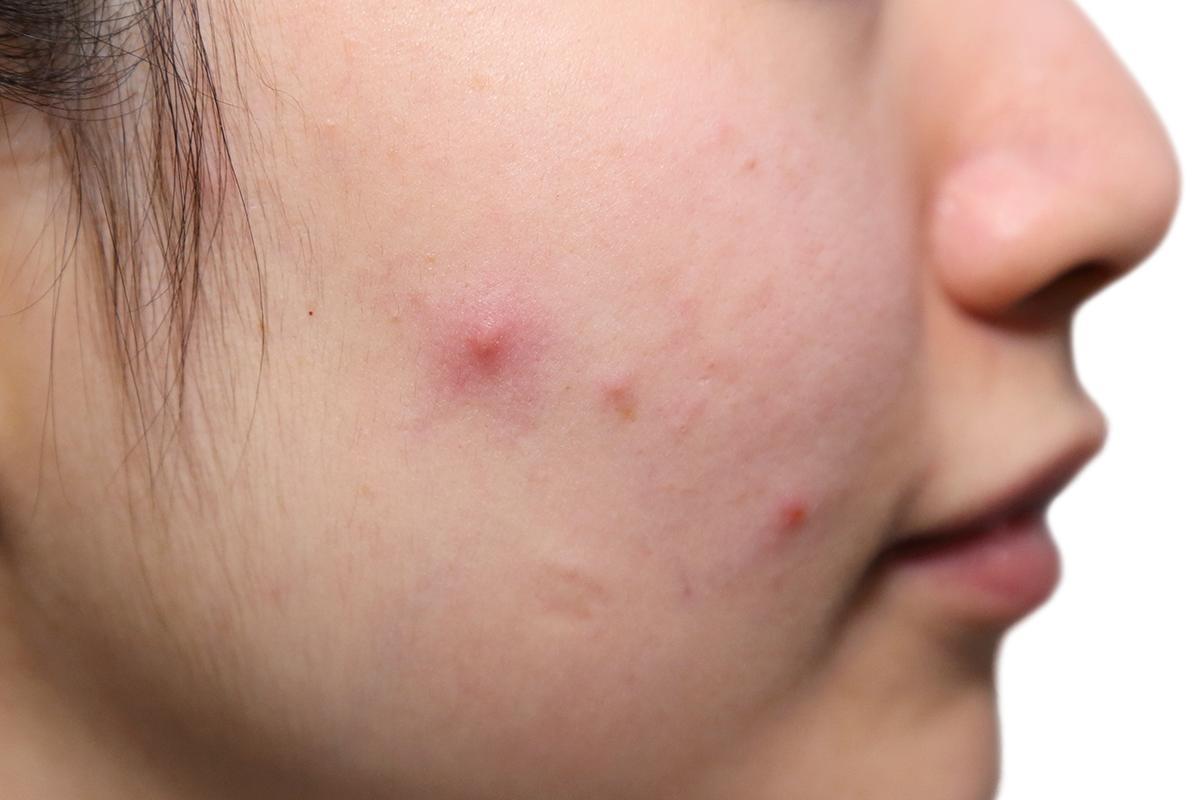
While it’s normal for a pimple to take weeks to heal, popping it will make the process even longer, especially if it’s infected. When you have infected acne, you may have to visit a doctor for antibiotics on top of using your acne products, according to the American Academy of Dermatology. While it’s healing, keep your hands away from your face and keep the area clean with a gentle facial wash. Try not to use makeup while the pimple is healing, no matter how badly you want to conceal it.
Pros Know What They’re Doing
Do-it-yourself pimple popping has a lot more cons than pros. The next time you feel the urge to pop a zit, think about the consequences and consider your pimple popping skills — or lack thereof. Dermatologists are allowed to do it because they have trained to do it. They know how much pressure to apply and where to apply it. They also understand precautions to take to prevent scarring. Plus, they operate in a sterile environment using sterile tools.
Instead of resorting to pimple popping, focus on treating your acne and strengthening the skin. Keeping your hands away from your face is one of the most important things you can do if you have blemishes. Think before you pop!