Tips and Inspiration
From Unilever Beauty Experts
;Resize=(486,122))

Skin woes can be puzzling, especially when you’re dealing with a rash that seems to have materialized overnight. While it’s easy to chalk it up to your skin being sensitive, the truth is sometimes more complex than meets the eye. For instance, that red, blistered patch may be a case of irritant contact dermatitis, or ICD, a fairly common yet often misunderstood skin condition. To better understand the potential triggers and first-line treatments, we tapped a board-certified dermatologist to weigh in.
What Is Irritant Contact Dermatitis?

Let’s start with the basics of irritant contact dermatitis. According to Dr. Hazel Hao-Dy, MD, FPDS, “It’s a form of skin inflammation caused by contact with irritants or substances that damage the skin barrier.” It’s essentially your skin’s way of saying, “Hey, I don’t like this!” when touching anything abrasive or harsh.
These irritants can be present in the gamut from household products to cosmetics. Frequent exposure to detergents and dish soap can damage the outermost layer of the skin and trigger a cascade of reactions. “You may have dry, cracked skin that’s getting worse. It may become inflamed and itchy over time.”
Contact dermatitis rash can also show up within minutes or hours after exposure to strong irritants such as an acid or alkali. “The symptoms are localized and manifest as redness, papules, swelling, and blistering,” explains Dr. Hao-Dy. In severe cases, you may feel pain or burning around the affected areas.
How to Tell If You Have Irritant Contact Dermatitis

Generally, contact dermatitis is a type of eczema and can be classified into two groups based on what causes it: irritant and allergic. They do look similar on the surface, but just like how there are different forms of acne, these two have key characteristics that set them apart.
Allergic contact dermatitis (ACD) is an immune system response that occurs when the skin encounters an allergen, which includes certain metals (like nickel), chemicals in hair dyes, fragrances, latex, preservatives, and poisonous plants. “The allergen is harmless to people who are not allergic to it,” adds Dr. Hao-Dy. “Irritant contact dermatitis will affect anyone who has been exposed to irritants.”
Another hallmark of ACD is its delayed onset. When the allergen enters the body through the skin, the immune system identifies it as an invader and releases antigens to attack it. This ongoing war can take some time to unfold, and unlike ICD, the telltale signs appear a few days after the initial exposure.
How Long Does Irritant Contact Dermatitis Last?
The rash that comes from irritant contact dermatitis typically clears up on its own once you’ve removed the culprit. The duration depends on several factors, from the type of irritant to how long the skin was exposed to it.
However, it doesn’t mean you have to endure the discomfort. “It’s best to consult a dermatologist as soon as you see the early symptoms because they can worsen progressively and impact your quality of life.” She also mentions that treatments such as antihistamines and prescribed ointments can alleviate pain and itching, but avoiding the triggers is equally crucial in managing and preventing flare-ups.
Expert Tips to Keep Irritant Contact Dermatitis at Bay

As with many things, prevention is better than cure. The first step is identifying what irritants your skin is sensitive to. It’s not always obvious, so pay attention to any patterns of skin irritation and note which products or materials seem to cause the problem. A dermatologist can also perform patch testing to help pinpoint specific irritants (and allergens) that affect your skin.
If your daily activities involve frequent exposure to water and cleaning agents, take extra precautions. “The hands are the most common site for irritant contact dermatitis. This can be addressed by wearing protective gloves when you’re working or doing household chores.”Additionally, experts recommend washing hands with lukewarm water and gentle movements to help your skin better absorb moisture.
Since harsh body cleansers can strip the skin of its lipid barrier, it’s essential to choose a mild, hypoallergenic formula like the one in Dove Beauty Bar Sensitive. This fragrance-free soap cleanses while protecting the skin’s natural moisture with its ¼ moisturizing cream. What’s more, it’s gentle enough to be used on your hands, body, and face.
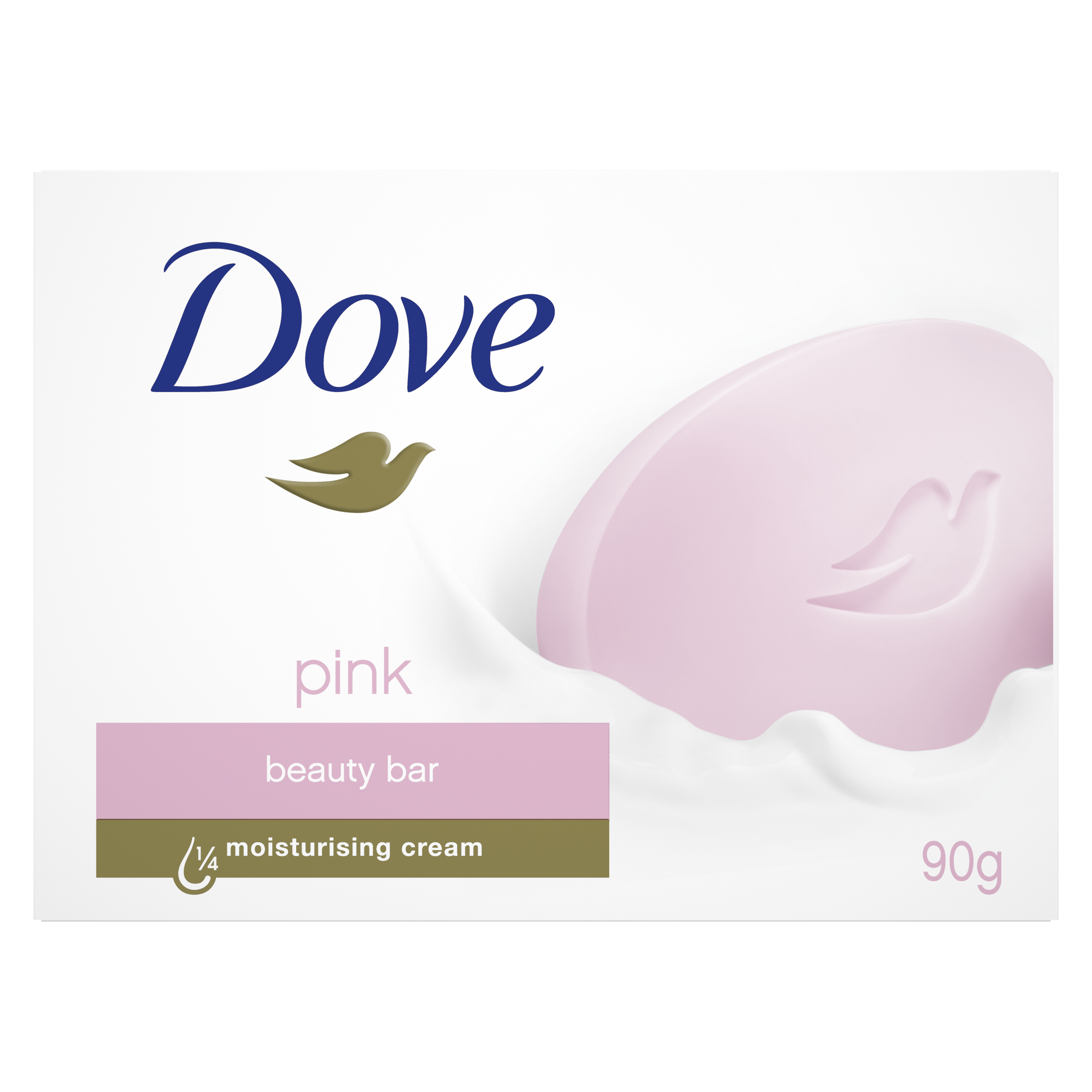
For a more convenient application, try Dove Sensitive Skin Body Wash that features the same moisturizing benefits in liquid form. Made with NutriumMoisture™ technology, it delivers hydration deep into the skin, renewing its moisture barrier. It’s also sulfate-free, which makes it suitable for those whose skin is prone to breakouts.
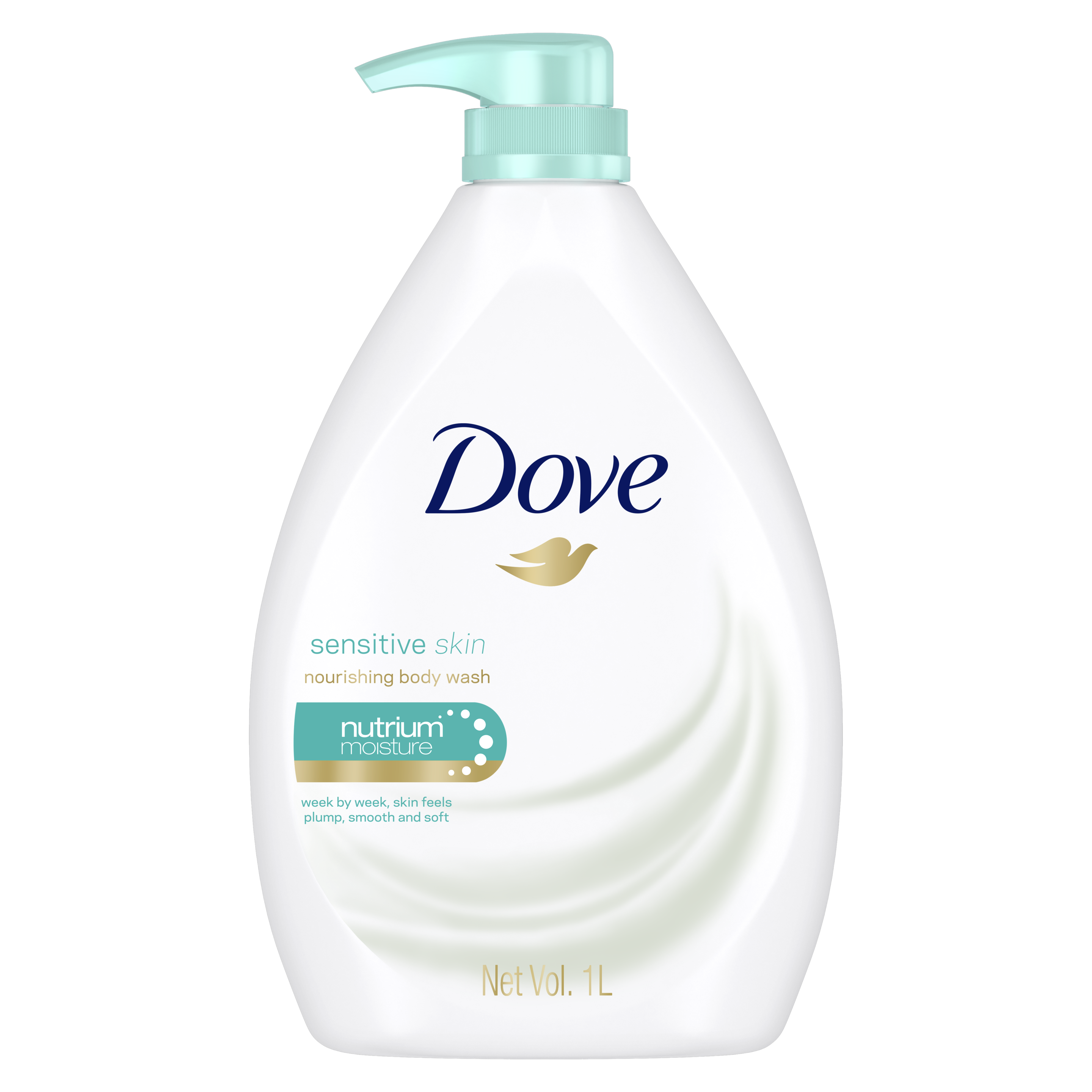
Before going about your day, Dr. Hao-Dy advises to slather a hydrating lotion and an emollient all over the skin. These products help lock in moisture and create an additional barrier against potential irritants. Reapply them after washing or whenever the skin dries out.
It’s important to note that irritant contact dermatitis is not contagious. In fact, it’s entirely preventable. With proper care, you can significantly reduce the risk of flare-ups. But if you’re experiencing persistent symptoms, don’t hesitate to seek guidance from a dermatologist.