Tips and Inspiration
From Unilever Beauty Experts
;Resize=(486,122))

Giving birth is an experience as enriching and empowering as it is challenging. But the changes in your physique do not end after nine months. The truth is that a postpartum body is more than just a few extra inches on your waist. Bouncing back can take longer than the actual pregnancy and may affect you emotionally and psychologically.
“It’s quite downplayed how much a woman changes after having a baby,” says rehab and corrective exercise specialist Mindy Lagdameo. Mindy, who works with women in restoring their bodies after birth via her Mama fit program, adds: “[Delivering a baby] is the biggest injury a woman’s body will ever go through.” Ouch, right?
These changes go beyond saggy skin and stretchmarks. Here are some things you should know about the postpartum body. While it can be an overwhelming experience, you may just be amazed at what you’re capable of.
Your Paunch Isn’t Just Loose Skin
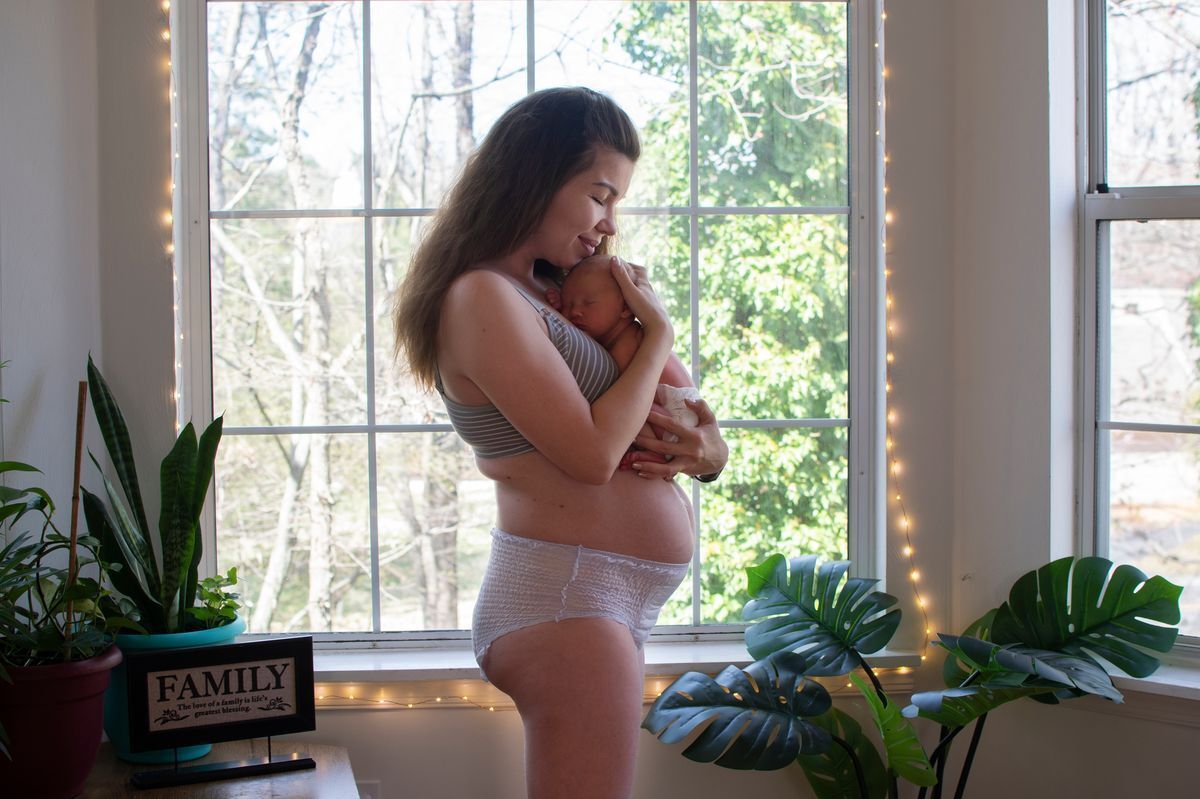
Your belly – or specifically, the parts that stretch during pregnancy – isn’t a balloon. It doesn’t stretch and then shrink back to its original size. Over two-thirds of women develop diastasis recti in varying levels after giving birth. The condition refers to the six-pack abs (yes, everyone has them) splitting from being stretched. The visible result is a pesky pooch that most people assume is a bit of leftover fat from the pregnancy.
A mommy tummy can last months or even years if not corrected. But more than a not-so-flat stomach, it can affect balance, stability, strength, digestion, and bladder control. Unfortunately, you can’t correct diastasis recti with 1,000 sit-ups. It requires specialized exercise, and intense core workouts might worsen the situation.
The Changes Go Beyond the Midsection
When people talk about a postpartum body, they immediately imagine "mom pooch." However, the changes go beyond that. You’ll have to deal with stretchmarks and varicose and spider veins. Your breasts are engorged and you’re probably constipated. It’s not always a conventionally pretty picture.
“Organs are rearranged during pregnancy, the spine changes shape, bones stretch, joints get loose, even your feet can lose their arch,” Mindy adds. “It is an extreme change, physically.”
Your Hormone Levels Go Wild
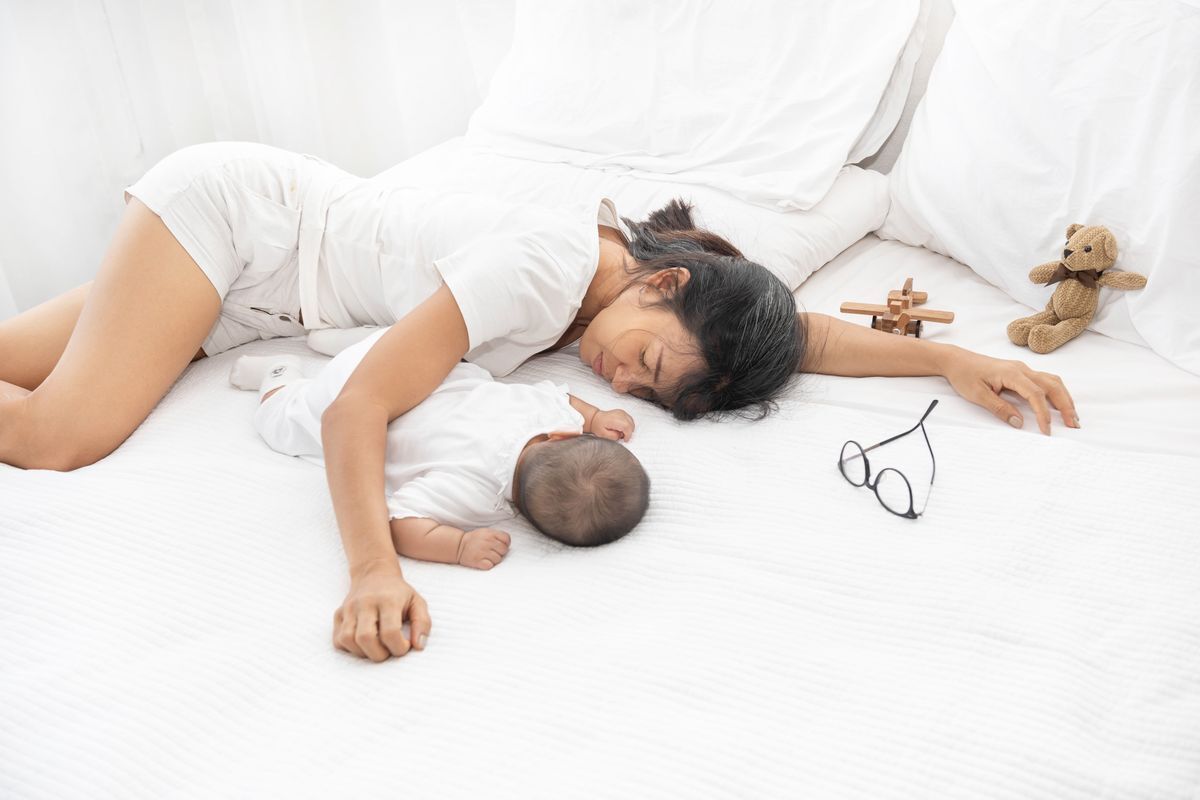
It’s common knowledge that your hormones go haywire during pregnancy, but it doesn’t “normalize” till about a year after giving birth.
Your hormones affect nearly every aspect of your life, from your skin to your mood. According to the book Life Will Never Be the Same: The Real Mom’s Postpartum Survival Guide, your estrogen and progesterone levels plummet, making you more prone to baby blues or the more challenging postpartum depression. Oxytocin, the substance that kickstarts your maternal instinct, can also go on overdrive, resulting in anxiety.
In rarer situations, you could also experience postpartum thyroiditis, which affects two of 25 new mothers. According to Johns Hopkins, the condition may manifest as either hypo- or hyperthyroidism. Symptoms include exhaustion, fatigue, weight loss or gain, weakness, anxiety, and more.
Your Skin Takes a Beating
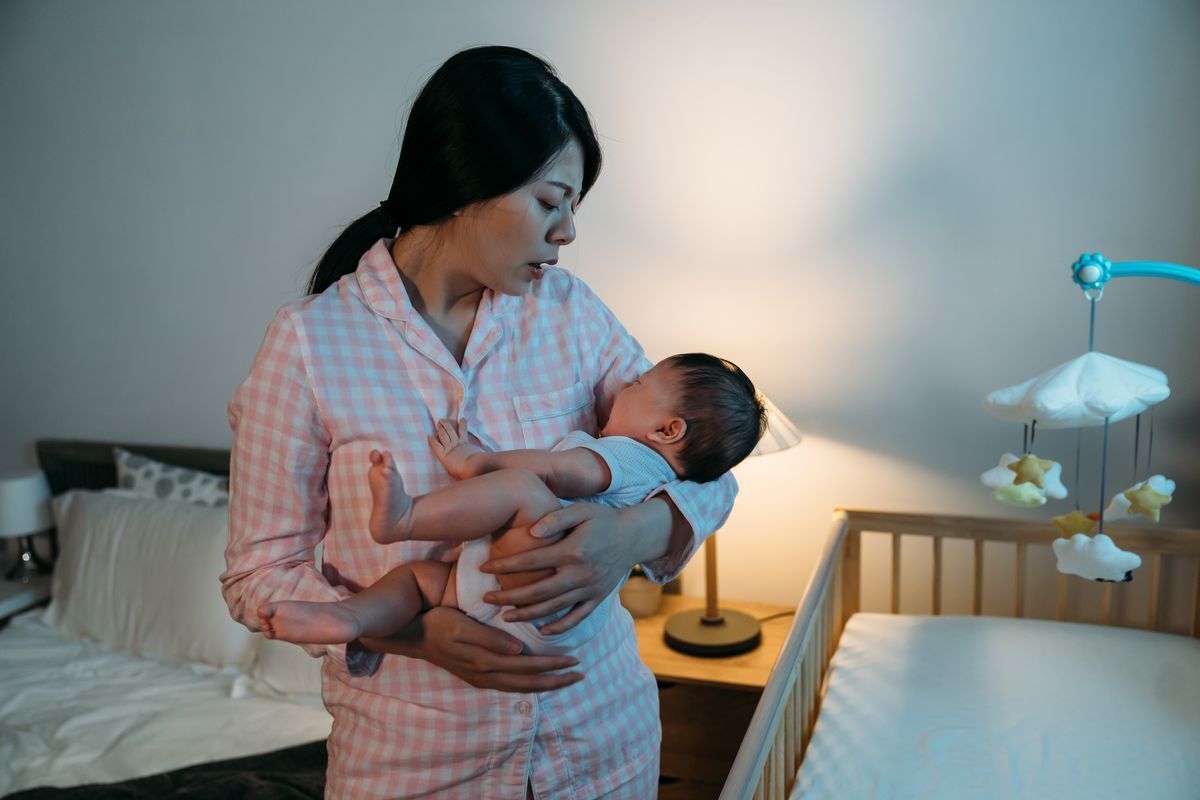
This hormonal roller coaster can also take a toll on your skin. A Taiwan-based study published in the Journal of the European Academy of Dermatology and Venereology states that postpartum acne occurs more often in women who gave birth to baby girls thanks to estrogen fluctuations. Moreover, lifestyle adjustments, such as stress and late nights, can also trigger pimples and other skin concerns.
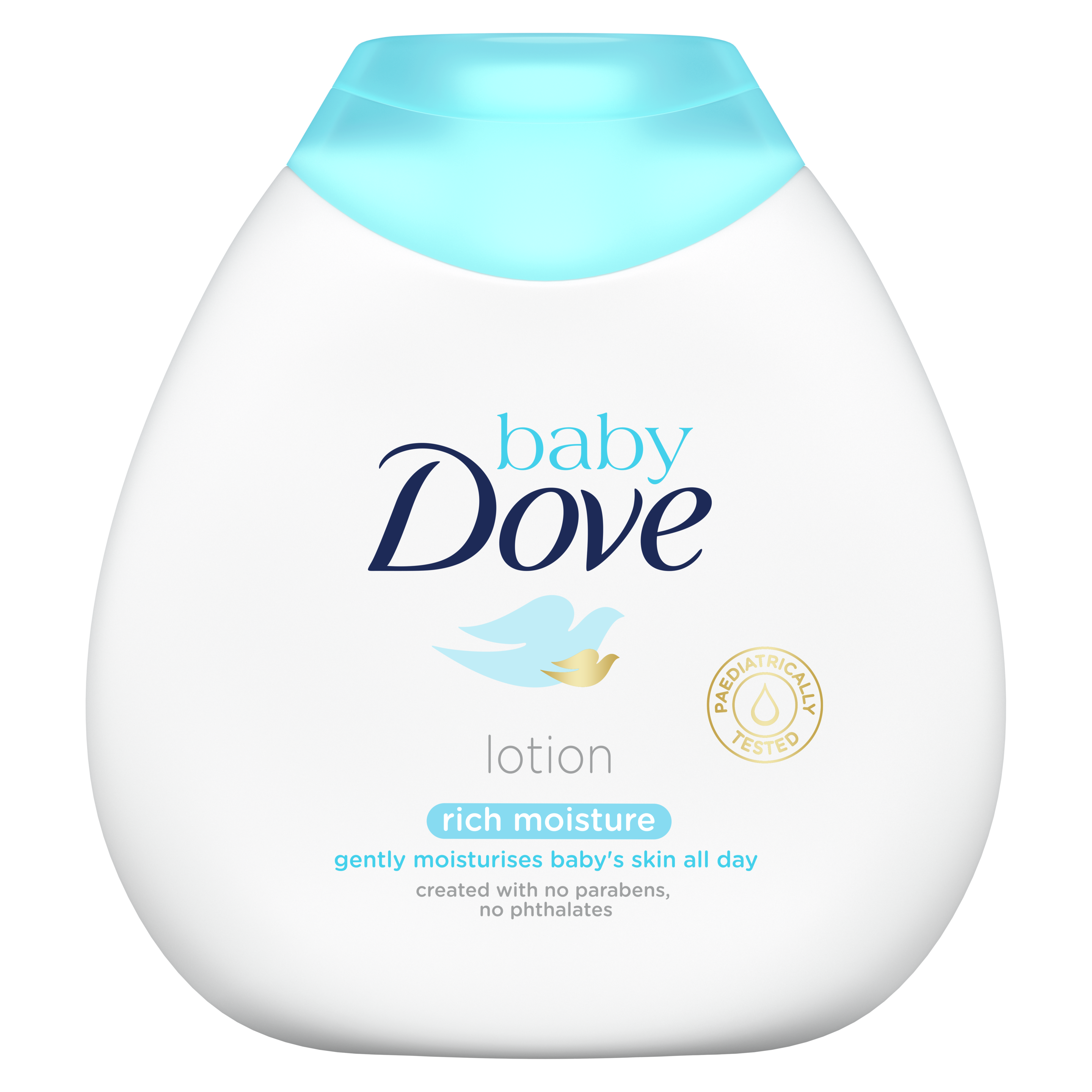
Give your skin some gentle care with Baby Dove Rich Moisture Lotion. It has a mild, hypoallergenic formula ideal for your sensitive postnatal skin and your baby’s.
You’re a New Person
Speaking of unfiltered truths, you won’t come out of the delivery room the same person. You have extra responsibilities now, and your heart has grown twice as big – at least! You have a new body to get used to – and not just yours. While you may need time to adjust to the stretched-out skin and temporary acne, give yourself a break. Your body has impressively withstood so much.
“Society and media can be extremely cruel to postpartum mamas,” admits Mindy. But she says anyone can rebuild their body and return to the activities, movements, and clothes they used to do and love. “You just need to give yourself grace, time, and the right postpartum recovery program.”
“Your postpartum body is new, but it can and will change into something you can control, appreciate, and love again,” she adds. All the changes may be challenging, but you can do it, mom. Just believe in yourself, and don’t forget to exercise a little self-love, too.