Tips and Inspiration
From Unilever Beauty Experts
;Resize=(486,122))
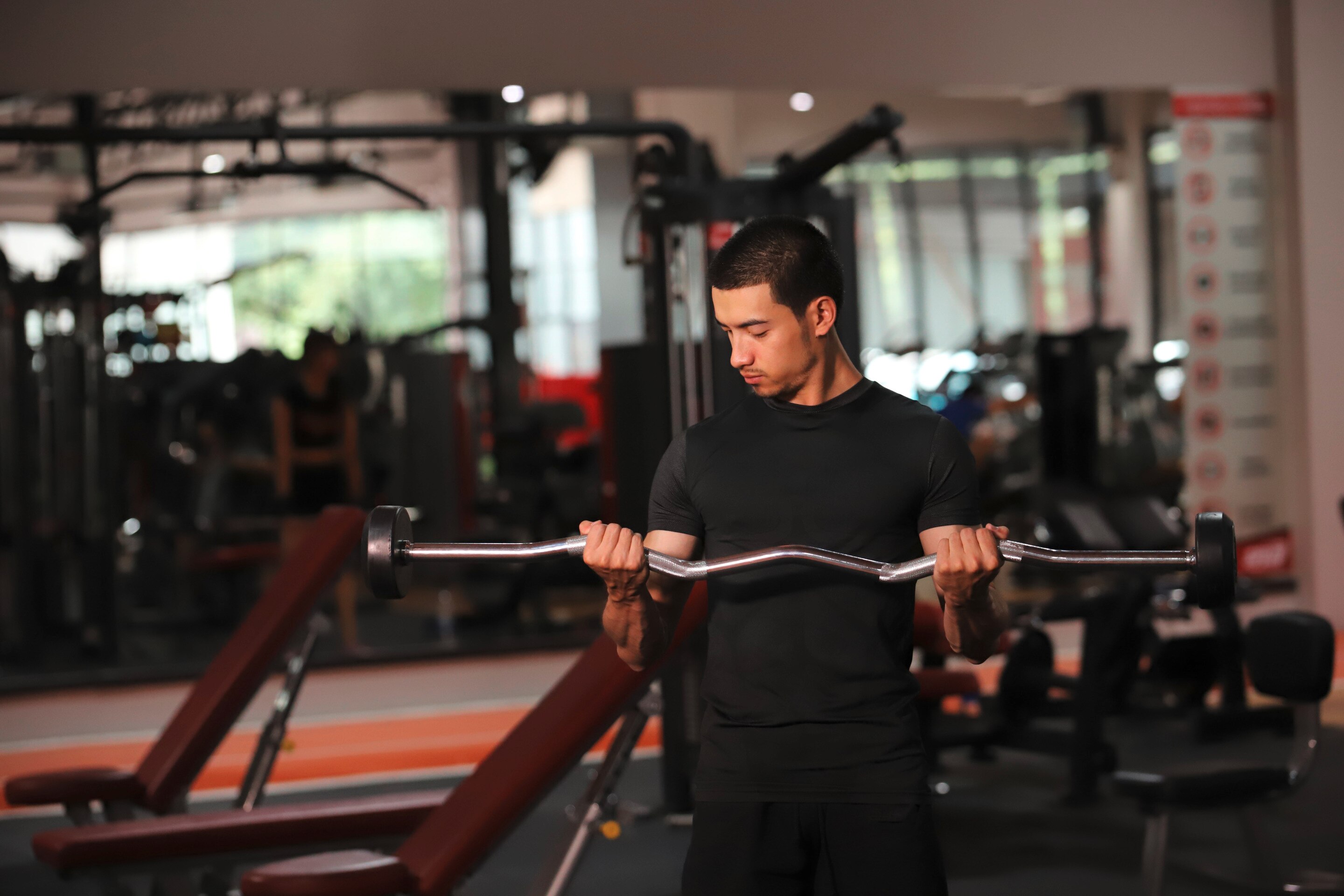
Are you new to lifting weights? Whether you're looking to bulk up, strength train, or simply get fit, the proper lifting techniques and proper lifting posture are the most important factors when you’re just starting. Learning safe lifting techniques not only helps you avoid injury but also ensures you’re building strength the right way.
Start your workout feeling fresh and focused. Use Dove Men+Care Extra Fresh Body and Face Wash for an energizing cleanse before you train, and lather up with Clear Men Cool Sport Menthol Shampoo to keep your scalp cool and free from buildup – especially helpful when you’re sweating through your reps.


A crucial tip for beginners: Master your form before chasing gains. Use a mirror or record yourself to check your alignment. And if you’re unsure about how to lift weights safely or what the proper form looks like, consider working with a trainer. Check out this guide to essential tips and techniques to help you get started.
1. Use Your Legs
One of the most important proper lifting techniques is engaging your legs and not your back. Squat down with knees bent, chest up, and spine neutral. Remember that a proper lifting posture helps protect your lower back and gives you more power as you rise.
2. Get a Good Grip

Make sure your hands are dry, and your hold is steady. Use lifting gloves, if needed. A firm, even grip with both hands gives you better control of the weight and reduces the chance of dropping it.
3. Stand Strong and Face Forward
Your stance affects everything. Place your feet shoulder-width apart with one foot slightly ahead for balance. Always face the object or weight directly to avoid twisting. Lifting at odd angles compromises proper lifting posture and can lead to injury.
4. Keep the Load Close to Your Core
When lifting, hold the object close to your body, ideally at waist height. The farther it is from your center of gravity, the more pressure it places on your back and shoulders.
5. Control the Weight Down
Don’t let go or drop the weights abruptly. Lower it slowly and steadily using the same controlled form as you did on the way up. This often-overlooked habit is key, especially for beginners, and plays a big role in how to lift weights safely and avoid unnecessary strain.
6. Don't Forget to Breathe
Many beginners forget to breathe properly while lifting. Inhale during the easier phase (e.g., while lowering the weight), and exhale during the lift. Controlled breathing keeps your blood pressure stable and improves performance.
7. Rest Between Sets
Lifting when your muscles are overly fatigued can trigger jerky movements, sudden weakness, or even sharp pangs that put you at risk. Worst case, you drop the weights on your throat or your foot.
Taking short breaks (about 30 to 90 seconds) between sets gives your muscles time to recover, helps you maintain proper lifting posture, and prevents your form from falling apart mid-rep. Overtraining is a common beginner mistake, so don’t fall into that trap.
8. Add Strength-Training
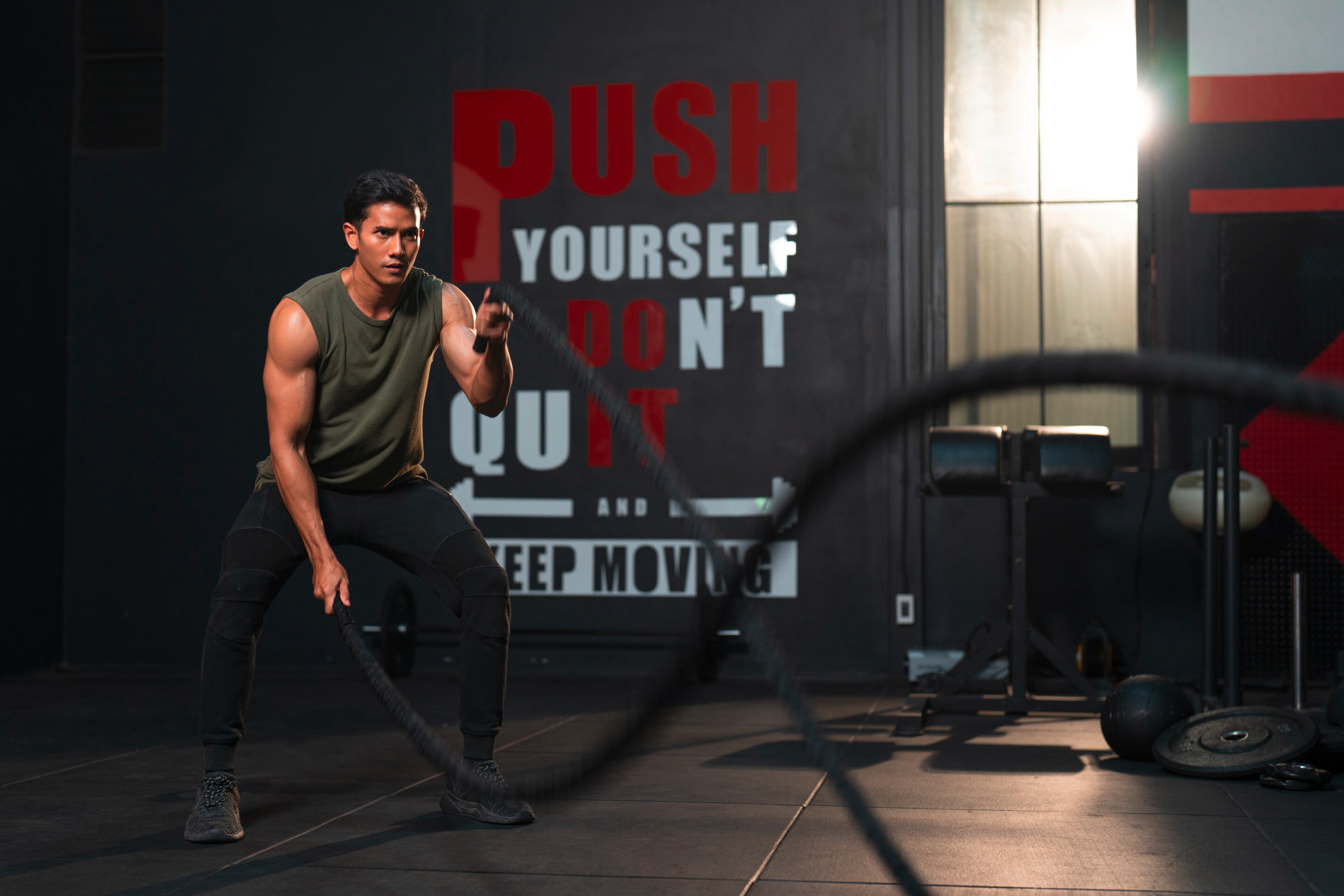
Incorporate exercises that target different muscle groups to support your lifting. A balanced workout plan that involves resistance training or bodyweight exercises, for example, helps you build functional strength safely.
Stay Strong – and Consistent
Steady fitness gains begin with smart habits. By prioritizing safe lifting techniques, you're setting yourself up for long-term success. Go at your own pace, stay consistent, mind your form, and lift slowly and steadily.