Tips and Inspiration
From Unilever Beauty Experts

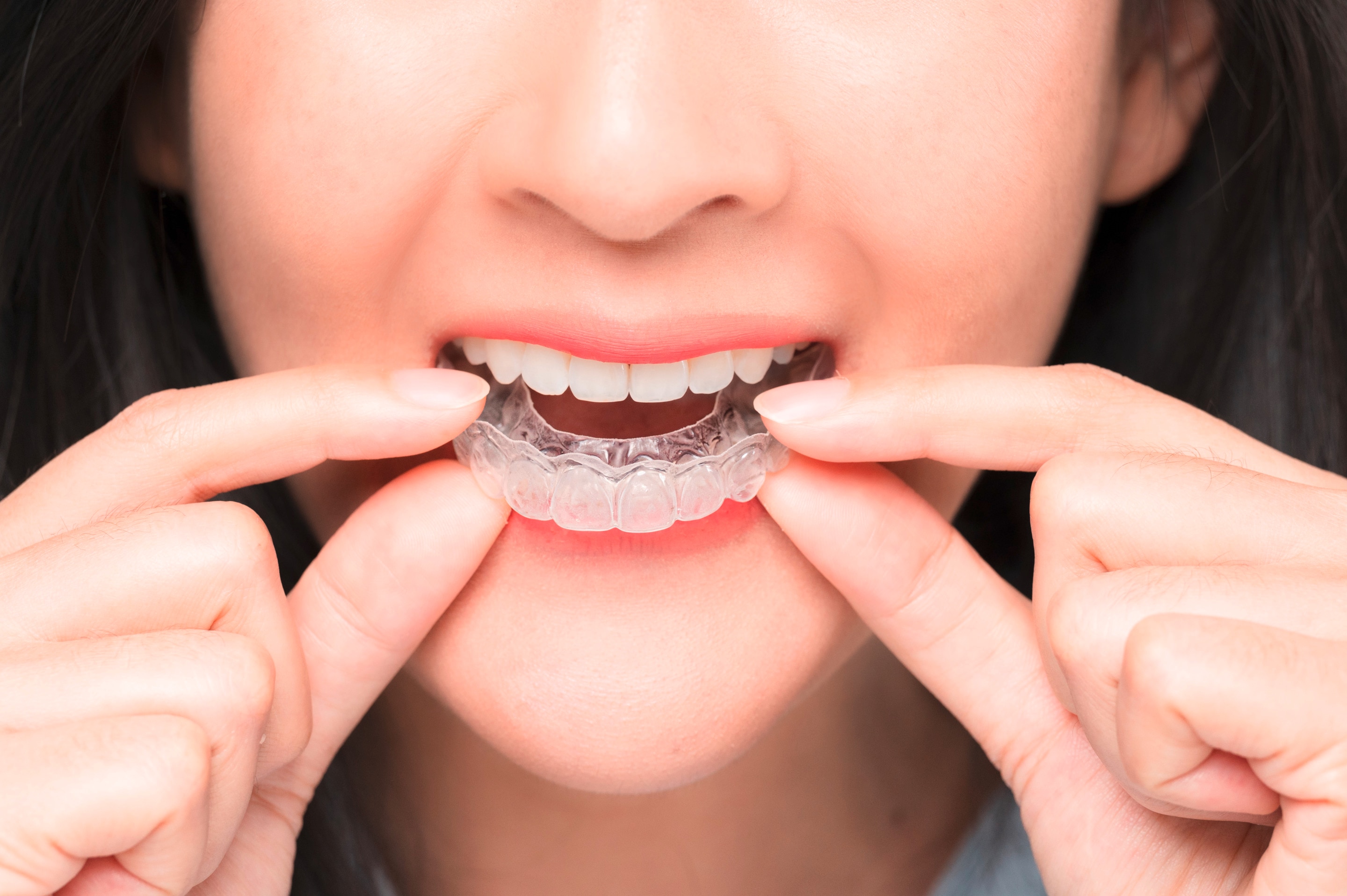
Orphan Annie once sang, “You’re never fully dressed without a smile,” but if your crooked teeth are making you hide yours, you might want to consider orthodontic intervention. And while, once upon a time, that meant metal braces and retainers, these days, there’s a more discreet option. Welcome to the era of teeth aligners – the next-gen fix for sungki teeth.
What Are Teeth Aligners?
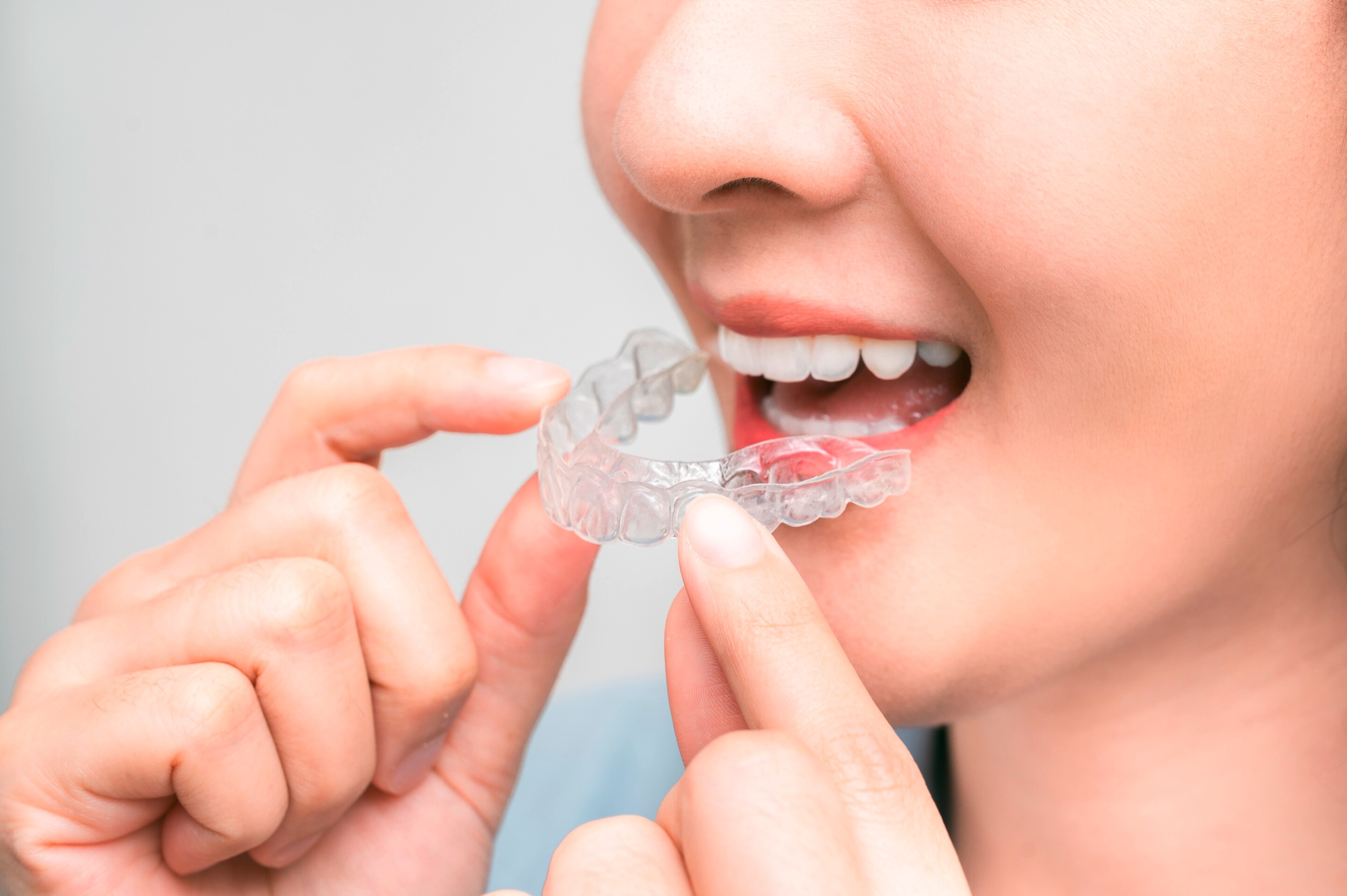
Nearly invisible, they’re popular among beauty influencers and Hollywood A-listers for a low-key way to straighten their smiles. Also known as clear aligners, these custom-molded, medical-grade plastic trays fit snugly over your teeth, applying gentle, controlled pressure to gradually move them into proper alignment. You’ll typically wear them for about 22 hours a day and switch to a new set every two to three weeks as your teeth shift and adjust.
Caring for Your Teeth While Wearing Aligners
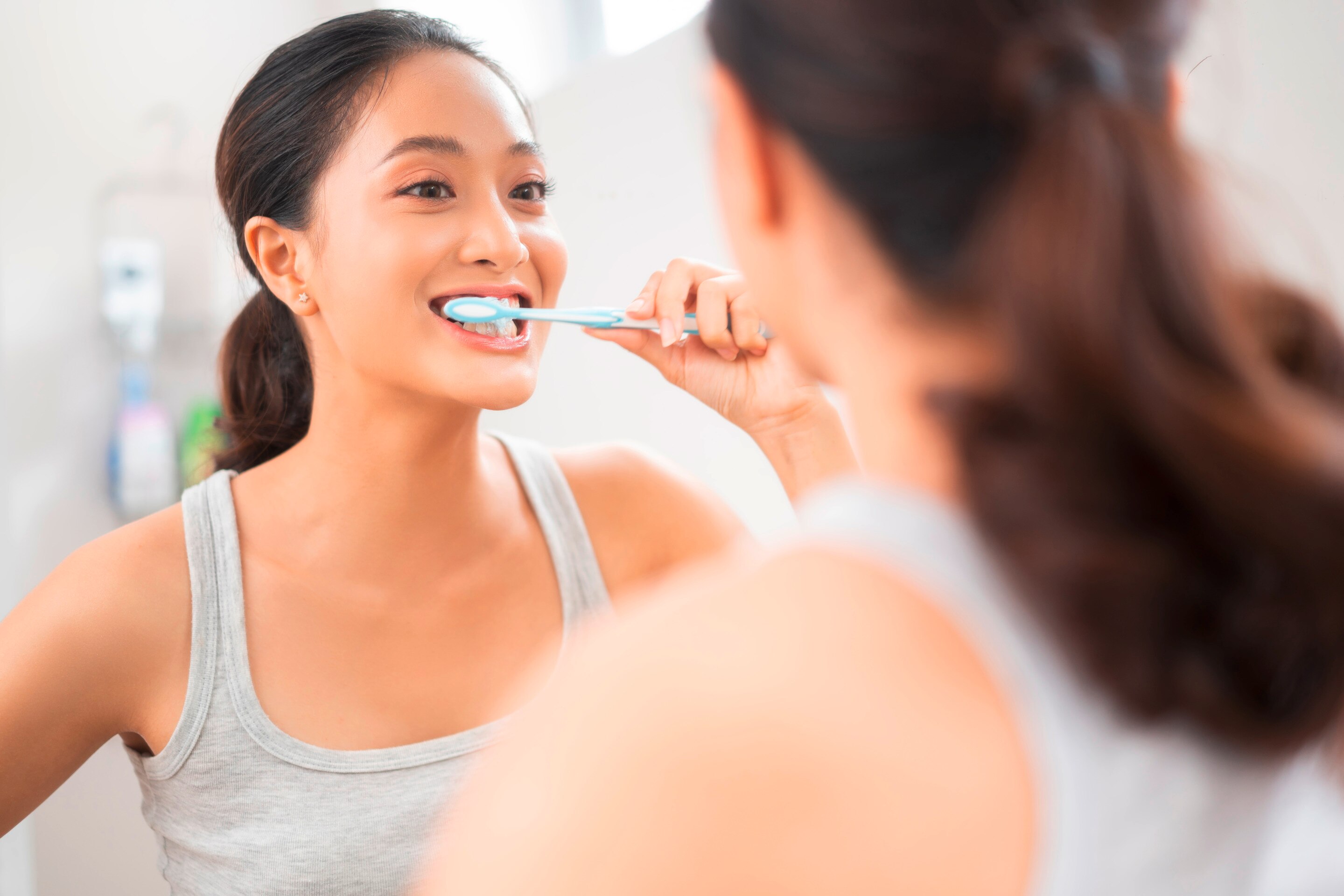
Good oral hygiene is crucial while you’re wearing aligners. Make sure to pop them out before eating and brush and floss after every meal to prevent decay and staining. Clean your aligners daily with a soft toothbrush or an approved cleaner to keep them clear and odor-free. Finally, to avoid discoloration, limit or skip foods and drinks such as coffee, tea, or red wine, which are known to stain teeth.
![[TWIN PACK] closeup Multivitamins+ 2x150g packshot](https://assets.unileversolutions.com/v1/127161445.png)
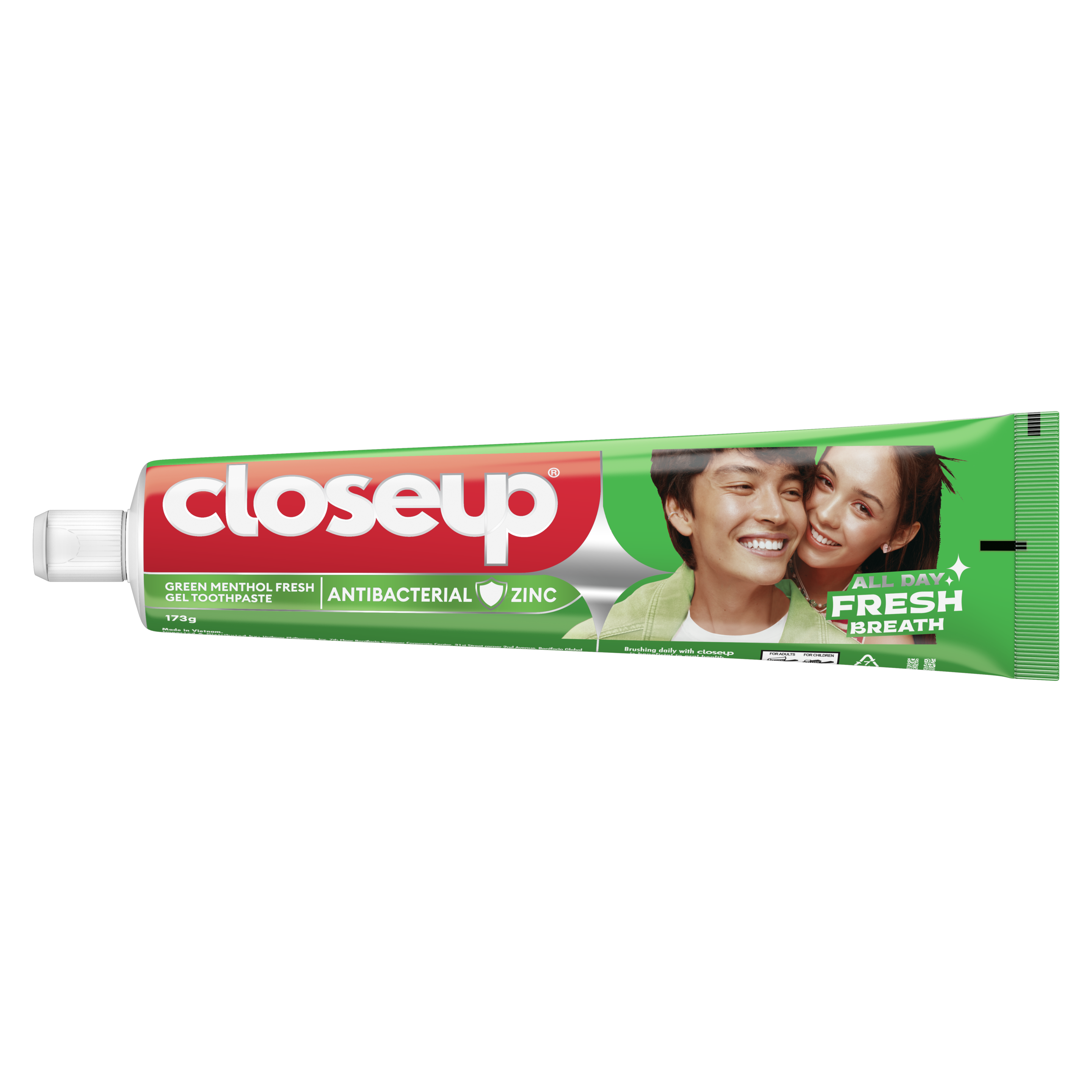
There’s also closeup Green Menthol Toothpaste, formulated with green gel toothpaste and antibacterial mouthwash to keep breath fresh for up to 12 hours, and Microshine Crystals that remove yellow stains.
Who Should Consider Dental Aligners?
So, do aligners work for sungki teeth? According to the American Association of Orthodontists (AAO), teeth aligners are ideal for mild to moderate orthodontic problems. They’ve been used to fix gap teeth, over- and underbite, open bite, and yes, different types of sungki teeth – from crowded teeth to crooked teeth to crossbite.
That said, aligners aren’t a one-size-fits-all solution. The AAO says traditional braces can be a better bet for more complicated cases. If you’re not sure whether you qualify for teeth straightening without braces, book a quick chat with a board-certified orthodontist – they’ll walk you through what will work best for your smile.
Braces vs Aligners
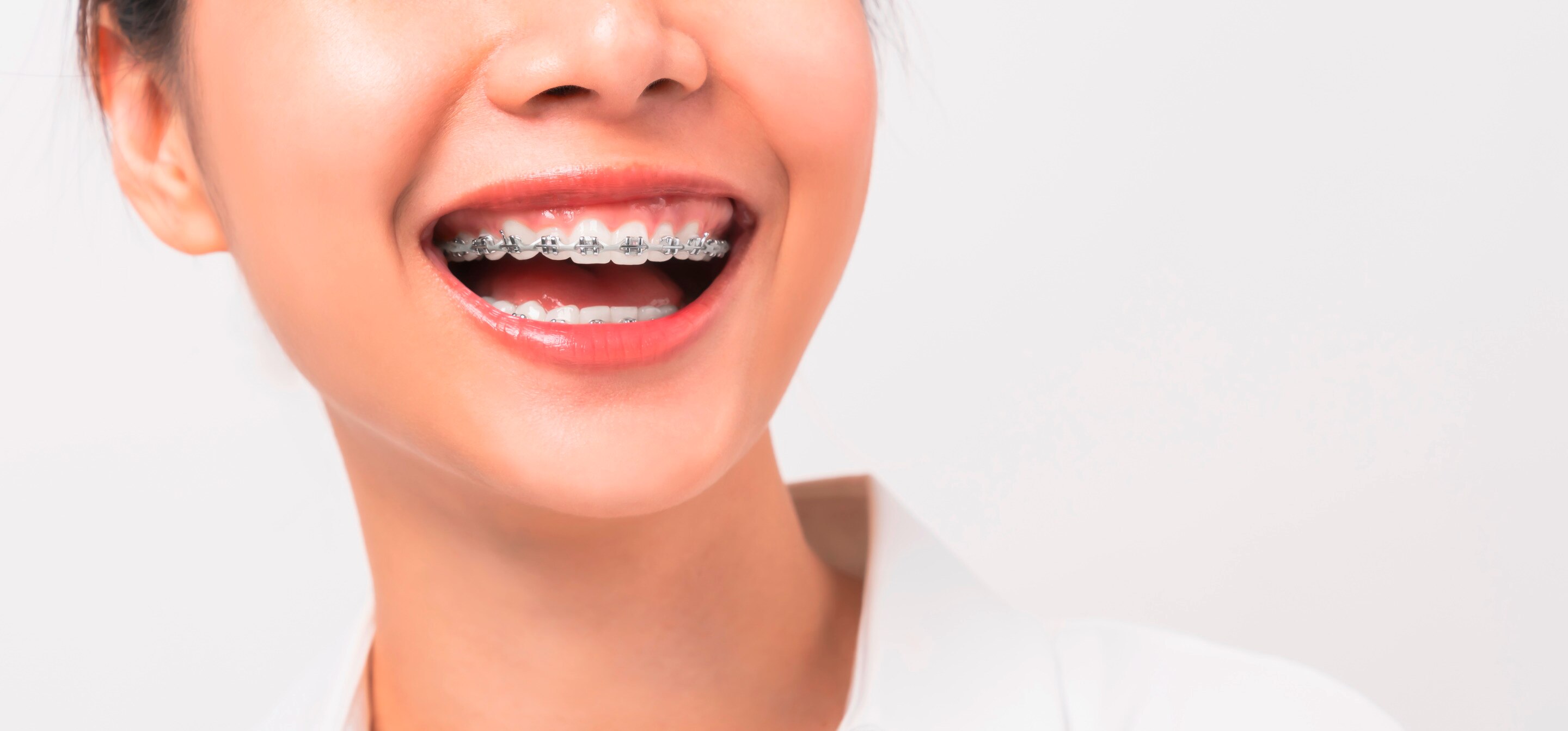
Which treatment should you choose? Below are the key differences between the two.
| What's the deal | Traditional Braces | Teeth Aligners |
|---|---|---|
| Types of Sungki Teeth | Braces work for all types of orthodontic issues, including severe cases. | Aligners are ideal for mild to moderate cases. |
| Aesthetics | Braces are highly visible, although ceramic braces and lingual braces (braces that go behind the teeth) are also available. | Aligners are virtually invisible. |
| Comfort | Brackets and wires may irritate the inside of your mouth and cause soreness. Regular tightening may also lead to some discomfort and pain. | Because they’re made of plastic and are custom-fit, they are more comfortable and cause less irritation to your gums and the inside of your cheeks. |
| Removability | Braces stay fixed to your teeth for the entire duration of treatment. | You can remove your aligners to eat, brush your teeth, and floss (though this also means you’re more prone to misplacing or losing them). |
| Diet Restrictions | You must avoid hard or sticky food that could damage or dislodge the brackets. | You can eat almost anything after removing your aligners. Just be sure to brush your teeth before putting them back on. |
| Treatment Duration | Treatment typically takes 14 months to a year and a half, depending on the severity. | It takes one year to a year and a half, depending on how mild or moderate your case is. |
| Oral Hygiene | Meticulous cleaning around brackets and wires is essential to remove food debris and prevent plaque buildup. | Brushing and flossing are easier because you can remove your aligners. |
Both have their pros and cons. Aligners may look discreet and seem low maintenance, but you need to be disciplined enough to wear for a minimum of 22 hours a day or they won’t work as intended. Braces may be more noticeable, but they’re a tried-and-true way to correct even the most complex orthodontic cases.
So, should you get braces or teeth aligners? The answer largely depends on your needs. Weigh your options carefully, do your research, and consult a trusted orthodontist. Come prepared with all your questions so that you can agree on a solution that works best for you.