Tips and Inspiration
From Unilever Beauty Experts
;Resize=(486,122))

Never enough! Never, never! Brushing is never enough, no matter how meticulous you are with your technique. If you want your smile to shine like a thousand spotlights, flossing your teeth is essential. You need to get between the spaces and clean up the gunk your usual bristles cannot reach.
Discover why flossing is worth the extra attention and how to incorporate it into your routine for optimal results. With a little extra effort, you can achieve a level of cleanliness for your teeth that will leave your dentist impressed.
Top Reasons for Flossing Your Teeth

A Journal of Dental Research study confirms: Flossers enjoy a better quality of life than non-flossers. It found that individuals who know how to use dental floss correctly experienced lower risks of periodontal disease, dental caries, and tooth loss. Here’s a closer look at why you should embrace flossing ASAP.
1. Flossing teeth thwarts plaque and tartar.
Do you know what happens to the food particles stuck between your teeth after a meal? They team up with saliva and oral bacteria, forming plaque – a sticky, yellowish film that clings to teeth and gums. If left unchecked, according to the American Dental Association (ADA), this hardens into tartar, inviting a host of oral issues. But with regular flossing, you can clean those hard-to-reach spots, banish debris, and stop any plaque buildup.
2. Incorporating flossing into your routine helps prevent cavities.
What do 90 percent of Filipinos suffering from tooth decay have in common? They skip flossing, as revealed by a University of the Philippines College of Dentistry survey. Plaque buildup over time can lead to cavities, creating tiny openings on the hard surface of your teeth. At this point, no amount of brushing or flossing can reverse the damage. But if you had started on that complete oral health routine earlier, your risk of tooth decay would have plummeted significantly.
3. Using floss helps keep your breath fresh.
All that food debris stuck between your teeth can decay and lead to foul-smelling breath. It gets worse when bacteria wreak havoc, causing plaque buildup and cavities. This might be why some people, despite brushing extensively, still struggle with bad breath. Mints and breath sprays only mask the problem, but flossing tackles it at the source.
4. Flossing can improve gum health.
Don’t neglect your gums! Soreness, inflammation, or bleeding can signal oral health issues like gingivitis. If untreated, this can escalate to periodontitis, a severe infection that causes gums to recede and teeth to loosen. Flossing is key to keeping these problems at bay. A Journal of Oral Implantology study reveals that combining brushing and flossing reduces gingivitis and gum bleeding more effectively than brushing alone.
5. Regular flossing can protect your heart.
Flossing teeth also helps take care of the heart. What’s the connection? Research by the European Association of Preventive Cardiology found that excellent oral hygiene practices can lower your risk of irregular pulse rates and heart failure. This supports the theory that bacteria from plaque buildup and gum disease can enter your bloodstream, affecting your cardiovascular health. So, flossing isn’t just a win for your teeth; it’s a win for your overall health.
6. Making flossing a habit saves you money.
Flossing is a win for your wallet, too! That little pack of floss can be your best friend in evading expensive dental procedures. Remember: Preventive care is more practical than restoring your dental health and sitting in the dentist’s chair for hours. So, arm yourself with dental floss and dodge those hefty dental bills.
How to Floss Properly

Follow this step-by-step guide from the ADA to floss with ease:
- Take about 18 inches of floss and wind the ends around your middle fingers.
- Hold the floss tightly with your thumbs and index fingers, leaving about two inches in between.
- Lower the floss between your teeth using a gentle, rubbing motion.
- When the floss reaches the gumline, curve it into a C shape. Slide it into the space between the gum and the tooth.
- Use an up-and-down motion to rub the side of the tooth.
- Repeat these steps for the rest of your teeth.
Frequently Asked Questions About Flossing
Need more guidance to ace your flossing techniques? Here are answers to FAQs.
How often should you floss?
Brushing should still be done twice daily. Remember to use a gentle circular motion instead of sawing left to right to prevent injuries. Also, invest in toothpaste with antibacterial properties to keep your mouth fresh the entire day. Go for closeup Gel Toothpaste with Antibacterial Zinc Red Hot, which is infused with an anti-bacterial mouthwash formula to give you long-lasting fresh breath. Or try closeup Gel Toothpaste with Antibacterial Zinc Menthol Fresh, which is formulated to help kill 99 percent of germs that cause bad breath.
Product

Should you floss before or after brushing?
It’s best to floss first. This way, you loosen particles and plaque around the teeth, making your brushing more thorough and effective.
How to floss with braces?
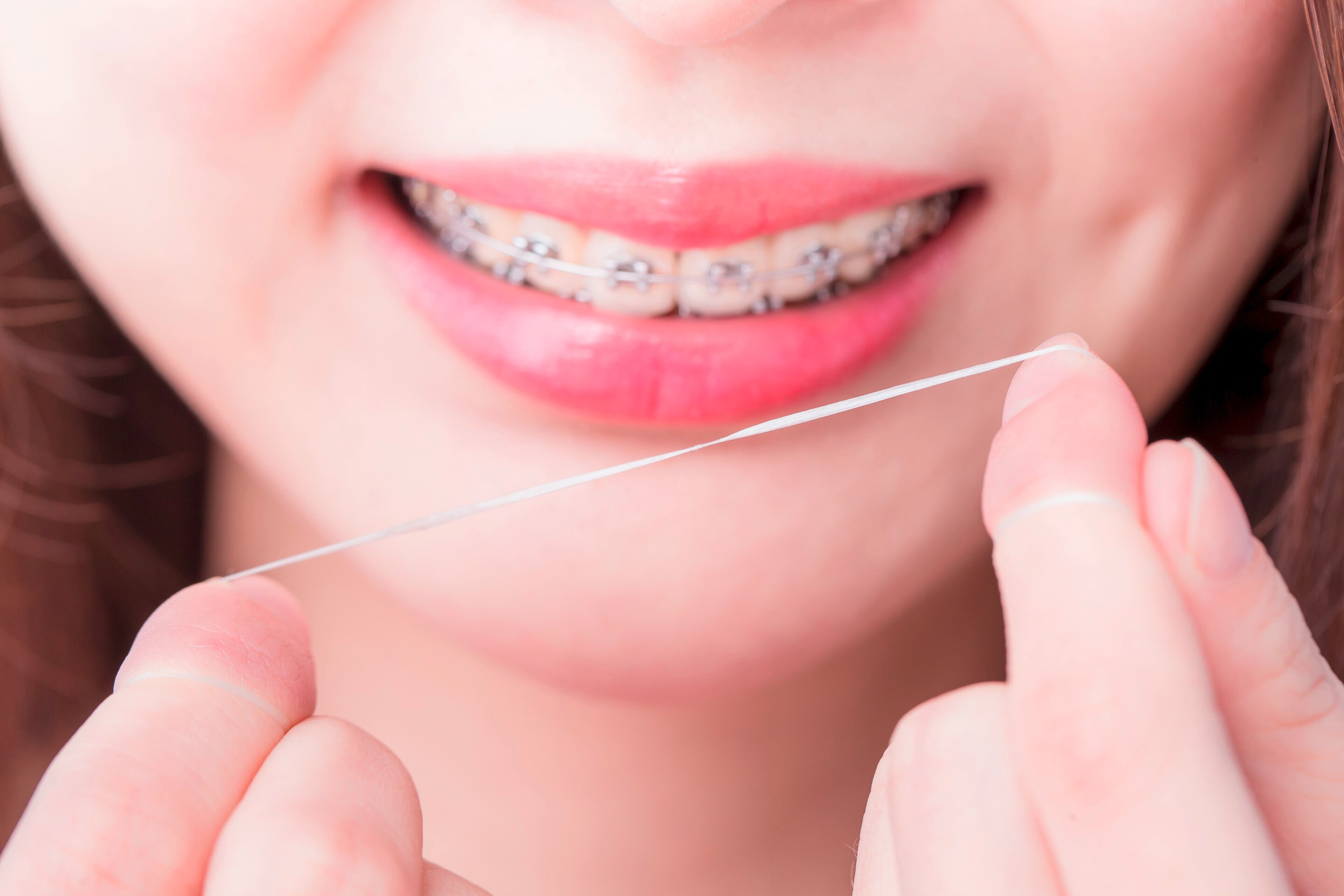
Flossing becomes more crucial when you have braces. Begin by threading the floss behind the brace wire. Then, slide the floss between your teeth using an up-and-down motion. After cleaning, pull the floss out before moving to the next tooth. If you find this process tedious, consider switching to a water or an air flosser.
What is the best type of dental floss?
The ideal floss varies based on personal needs and preferences. According to dental hub BeSeen, not all dental floss is created equal. For individuals dealing with crowded or crooked teeth, waxed floss is recommended for its durability. For those with larger spaces between their teeth, woven or braided floss is more suitable. For kids, you might want to choose flavored options.
Start flossing your teeth like a pro. Always remember the benefits of thorough cleaning and the potential costs of neglecting your oral health. Let that be your motivation to keep your pearly whites shining bright!