Tips and Inspiration
From Unilever Beauty Experts
;Resize=(486,122))

- What Causes Stained Teeth
- Types of Stained Teeth
- Common Habits That Stain Teeth
- 1. Dishes with rich-colored sauces or seasoning can cause stains on your teeth.
- 2. Acid-heavy eating habits can make teeth more prone to staining.
- 3. Frequent snacking can increase the risk of stained teeth.
- 4. Sports and energy drinks can gradually dull teeth.
- 5. Low water intake can make stains linger longer.
- 6. Rushed or inconsistent brushing can lead to buildup.
- 7. Certain medications can affect tooth color.
- How to Prevent Stained Teeth
Coffee, tea, or yosi? When you’ve got stained teeth, chances are, you’ve been accused of consuming the common culprits. But what if none of these are part of your routine? Read on to learn about the other factors that can dull your smile.
What Causes Stained Teeth
Stained teeth develop when pigments, known as chromogens, attach to the enamel. The outer layer of enamel isn’t completely smooth, which allows it to trap pigments over time. When enamel is worn down or softens – often due to acid exposure – it can become more porous, making it easier for stains to settle in and stick.
Types of Stained Teeth
What causes yellow teeth? Is it normal to have yellow teeth? What are the brown spots that look like tooth decay? If these questions have been bothering you, know that while stained teeth may appear similar at first glance, a closer look reveals key differences. Some are surface-level and easier to manage, while others run deeper and require more targeted care.
- Extrinsic stains. These sit on the enamel, or the outer shell of the tooth, and are commonly caused by food, drinks, and poor daily brushing habits.
- Intrinsic stains. These occur within the tooth and may result from medication, trauma, or long-term changes in the tooth structure. Some intrinsic stains may not improve through routine brushing or whitening toothpaste alone and can require professional dental treatment.
- Age-related stains. As enamel naturally thins over time, the yellowish dentin underneath, or the second layer that gives teeth their natural yellowish tone, becomes more visible, creating a deeper, more persistent discoloration.
Common Habits That Stain Teeth
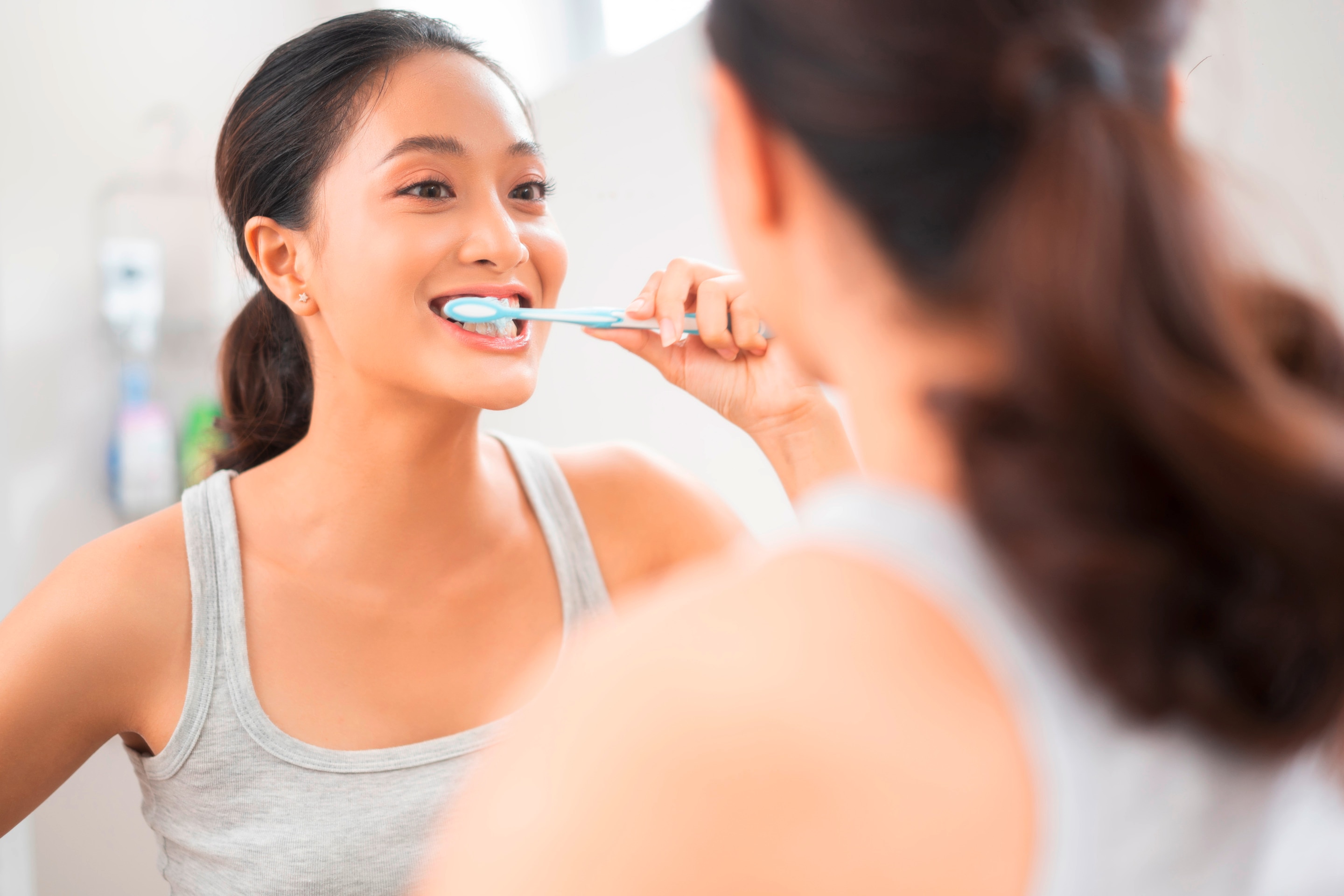
Even if coffee, tea, or cigarettes aren’t part of your routine, you can still develop teeth discoloration. Beyond the usual suspects, foods that stain teeth, as well as factors like oral care habits and age, can all contribute.
1. Dishes with rich-colored sauces or seasoning can cause stains on your teeth.
Meals rich in color – like soy sauce-based ulam, adobo, or kare-kare – can leave behind subtle staining over time, especially since darker pigments are more likely to cling to enamel.
2. Acid-heavy eating habits can make teeth more prone to staining.
Citrus fruits, pickled dishes, and vinegar-based sawsawan don’t stain the teeth directly, but they may temporarily soften the enamel surface. Once that protective barrier is weakened, your teeth can become more vulnerable to discoloration from other foods.
3. Frequent snacking can increase the risk of stained teeth.
Constant snacking doesn’t give saliva enough time to neutralize acids and wash away pigments, creating more opportunities for stains to build up throughout the day.
4. Sports and energy drinks can gradually dull teeth.
While they may seem harmless, many sports and energy drinks are both acidic and artificially colored – a combination that can wear down enamel and leave teeth looking less bright over time.
5. Low water intake can make stains linger longer.
Saliva acts as a natural cleanser that breaks down food particles and protects the enamel, so when hydration is low, stains are more likely to stick and stay on your teeth.
6. Rushed or inconsistent brushing can lead to buildup.
When you don’t brush thoroughly, plaque can accumulate and create a surface where pigments can easily latch on. This can cause your teeth to appear yellow.
7. Certain medications can affect tooth color.
Some antibiotics and antihistamines are known to cause discoloration, especially with long-term use or exposure during early tooth development.
How to Prevent Stained Teeth

If you’re already noticing stained teeth – or want to take the extra steps to avoid them – it helps to be aware of the small habits and tweaks that make a difference.
- Brush properly and regularly. Doing so helps remove surface stains before they settle into the enamel. Aside from preventing teeth discoloration, upgrading your oral care habits can also fight tooth decay and bad breath.
- Rinse your mouth after meals. This helps wash away pigments and acids, especially after eating richly colored or acidic food.
- Stay hydrated. Adequate water intake supports saliva production, which naturally cleanses the teeth and helps prevent stains from sticking.
- Limit exposure to staining drinks and foods when possible. Use a straw for colored drinks. When it comes to food, slice it into smaller pieces so you don’t need to bite directly into it, reducing contact with your teeth.
- Choose a toothpaste designed to help lift stains. Know what to look for when choosing your toothpaste. Many toothpastes in the market have special formulations to address certain needs, including discoloration and whitening.
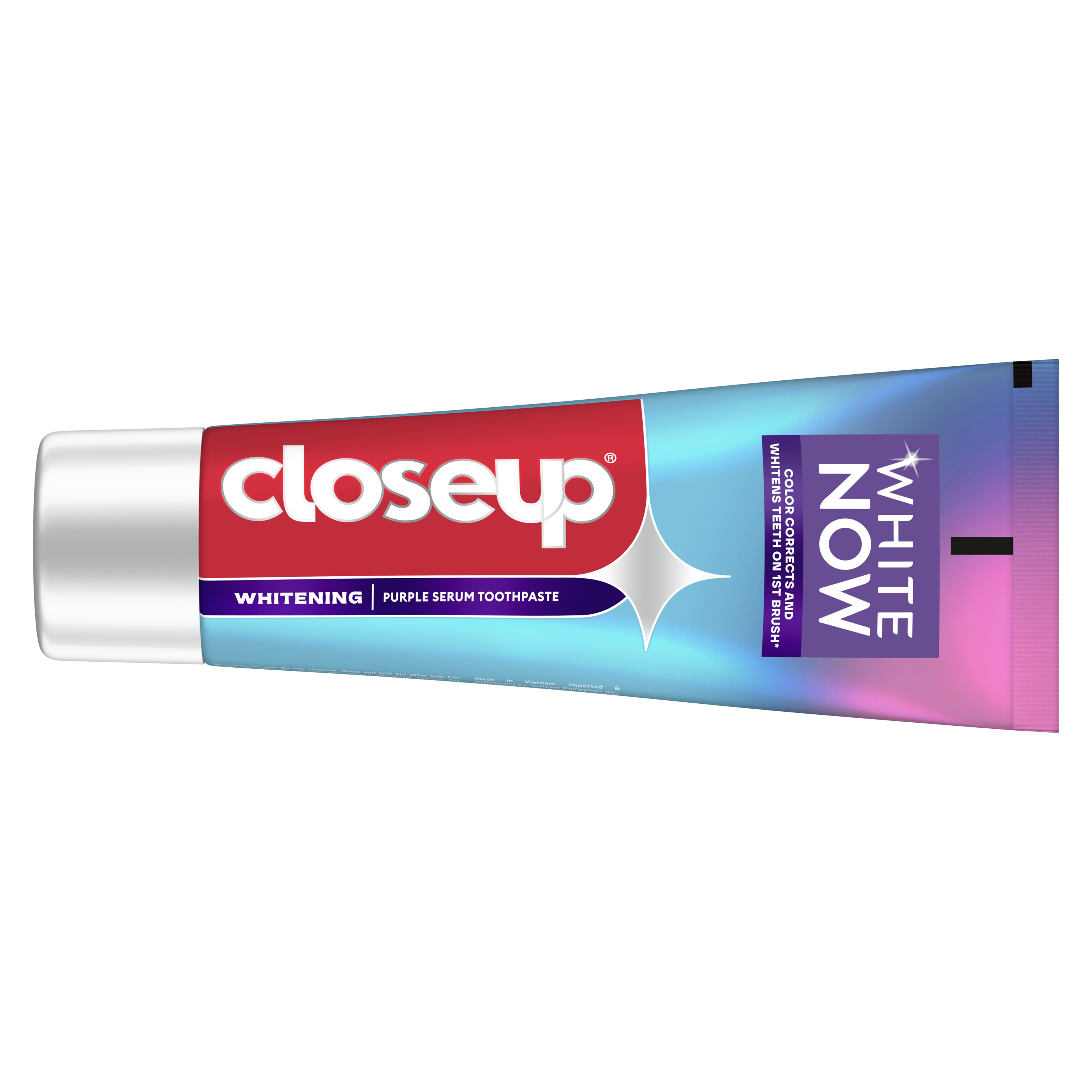
If you’re noticing stained or yellowish teeth, try closeup White Now Toothpaste Purple Serum Gel. Its purple serum can help reduce the appearance of surface stains and yellow tones with regular use, while keeping your breath fresh.
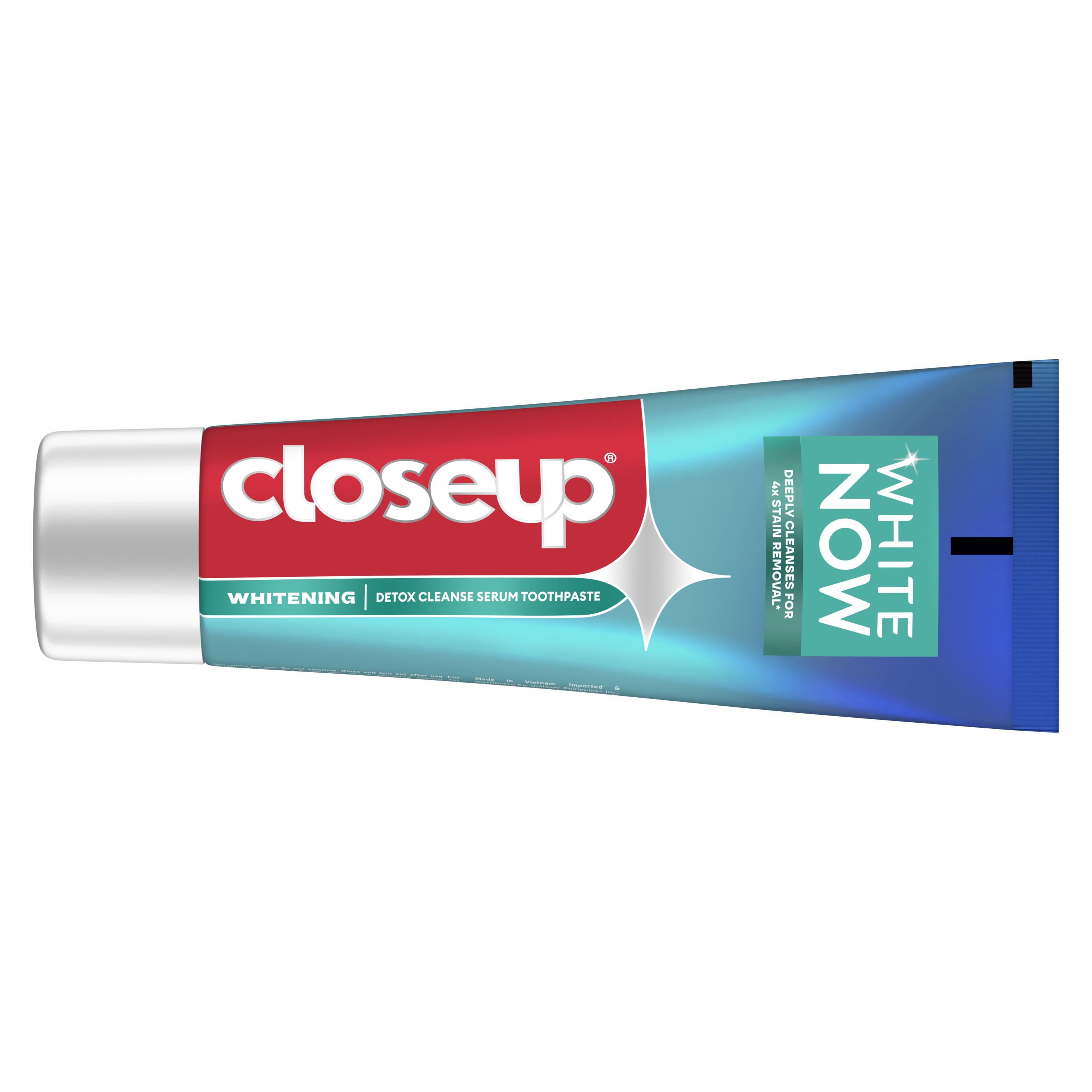
Seeing surface stains? Brush with closeup White Now Detox Cleanse Serum Toothpaste. It’s formulated with kaolin clay that can help make teeth appear visibly cleaner and brighter after use.
If none of these adjustments seem to make a difference, consult a dentist to check for deeper or underlying causes and discuss possible professional whitening or other dental treatments.
Stained teeth don’t happen overnight, but they also don’t have to stick around forever. Knowing what contributes to them (beyond coffee, tea, and yosi) and how to prevent them can help you avoid discoloration before it becomes more noticeable or difficult to address. Over time, good oral care habits can do more than keep stains at bay, helping you maintain fresher breath and a more confident smile.