Tips and Inspiration
From Unilever Beauty Experts
;Resize=(486,122))
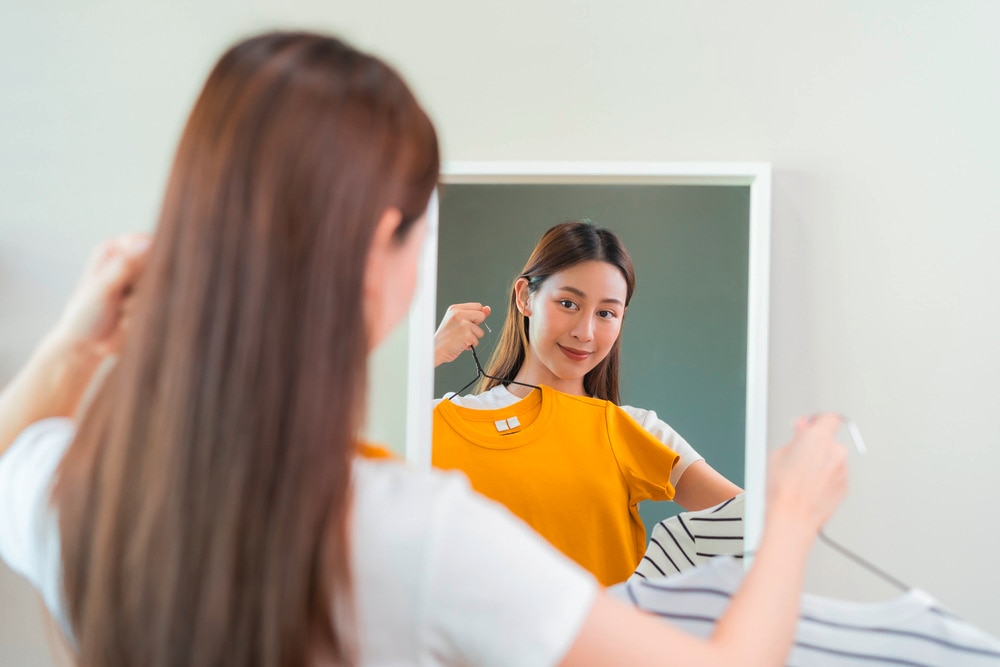
When was the last time you shimmied out of your tattered pambahay and into feel-good clothing? If it’s been long enough that you can’t remember, it’s time to reevaluate your fashion choices. Your self-esteem depends on it. But how? Well, dressing up is more than about functionality – it also plays a vital role in defining and establishing one’s self-image.
The psychology of dress explores the impact of clothing on how people behave, think, and feel about themselves and others. A 2012 experiment on “enclothed cognition” concluded that what you wear and what it symbolizes can impact your psychological processes. In the study, researchers found that participants who wore a doctor’s lab coat were more attentive than those who didn’t. Both groups performed the same tasks – the only difference was wearing a coat.
That’s only one example of how dressing up can give you the confidence to do better and encourage you to regard yourself more positively. Are you ready to use clothing for a much-needed boost? Learn about the concept of self-image, the role fashion plays in developing it, and how dressing up for fun and function can be empowering.
What Is Self-Image?
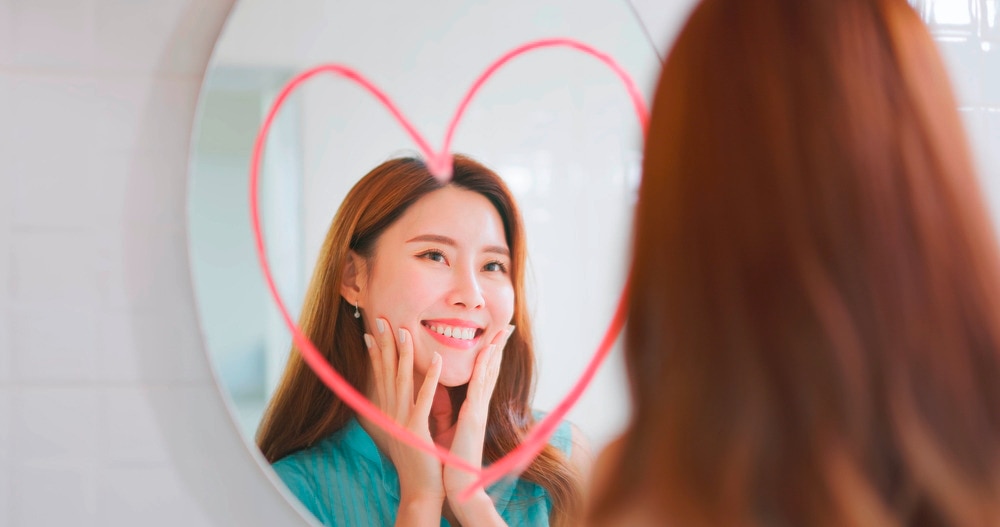
Your self-image(or self-schema, as psychologists call it)is how you view yourself. It can also refer to how you think others perceive you and how you’d ideally like to be. Numerous pieces form this mental picture, including beliefs about your appearance, intelligence, and abilities.
Unfortunately, self-image is highly subjective. For example, some people may be overly critical of their physical flaws and, as a result, develop an unhealthy body image. As you can imagine, it greatly informs your well-being, identity, and how you carry yourself in the world.
Self-image vs. self-esteem: What’s the difference?
While self-image is part of self-esteem, the two concepts are distinct. The latter is more about the value you place on yourself and what you have to offer. When you have high self-esteem, you can walk into any room with your head high because you believe in and respect yourself. But to get to that headspace, you need to have a strong sense of identity.
Meanwhile, self-concept is the umbrella under which self-image, self-esteem, and self-awareness all reside. Positive Psychology defines it as a “comprehensive evaluation of the self,” which involves how you see, value, think, and feel about yourself.
How Is Self-Image Developed?
Like everything psychological, your self-image starts to form in childhood. Your early caregivers influence your self-perception. When you’re a child, your mind absorbs information like a sponge. So, you figure out who you are according to those around you. Maybe your parents supported self-exploration, which could explain why you’re a reflective and open person today.
But your self-image can also evolve as you form relationships, gain experiences, and navigate new environments. For example, receiving consistent and positive affirmation at school or work can make you think more highly of your skills. But on the negative end, you can also internalize toxic ideas from the media about how bodies “should” look. You might begin to think you’re not “quite right” because you don’t fit every modern beauty standard.
Can Dressing Up Lead to a More Positive Self-Image?
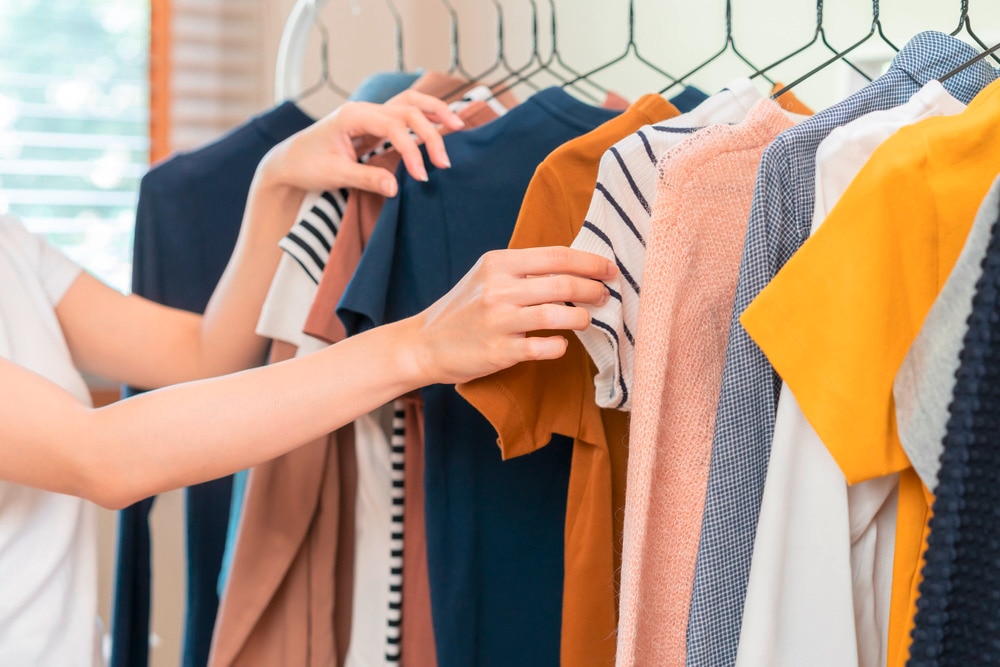
In the podcast Speaking of Psychology (produced by the American Psychological Association, or APA), Carolyn Mair, Ph.D., discussed the importance of psychologists researching and working in fashion. “The fashion industry is about people. Everyone wears clothes, [and they’re] the closest thing to our bodies. They’re our second skin.”
It’s not surprising that your style conveys so much about your self-image. In an article for gradPSYCH Magazine (also by the APA), clinical psychologist Jennifer Baumgartner emphasized, “The clothing you put on your back is an incredibly accurate indicator of what you think of yourself and your life.”
As such, “Trouble in [your closet] can be a sign of trouble in [your life],” she said. For example, someone who avoids bright colors and other forms of wardrobe risk-taking may be limiting themselves in other areas, too.
Dress for confidence and yourself.
Meanwhile, when asked how clothing influences mental health, Mair explained, “It’s stressful for us if we don’t feel comfortable in what we’re wearing, or we don’t feel confident. It stresses us [out], and this means we don’t have the cognitive capacity to deal with the problem at hand.” She theorized that the added mental load is why many successful people, like Mark Zuckerberg, wear “work uniforms.”
Beyond freeing up valuable cognitive real estate, “feeling like yourself” in whatever you wear can also give you the confidence to do your best. “For [many] people, working in a formal suit doesn’t represent their true selves or their self-identity. So, they might struggle to do [their job],” Mair warned. “I think people should be allowed to dress in the way they want because the way we dress is part of our identity, part of who we are.”
Dressing up can be a vehicle for self-expression and self-exploration – both critical for developing a positive self-image. Finding what clothes work best for your needs can also reduce stress, enable better performance, and improve your self-esteem.
How to Use Clothes to Improve Your Self-Image
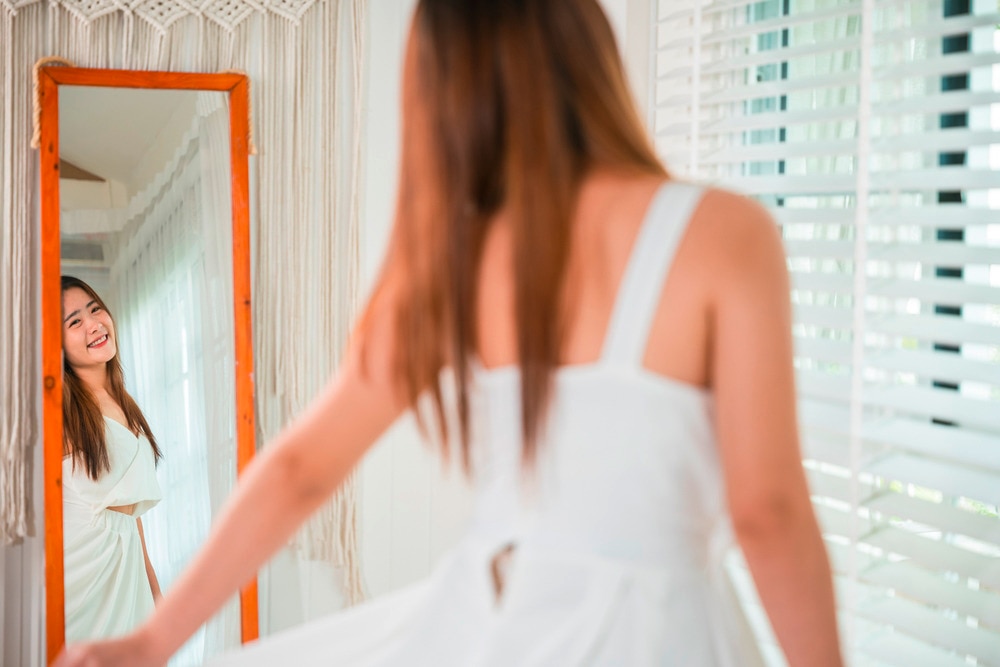
Do you feel like your best and most authentic self in athleisure co-ords? Then keep rocking them! But maybe you’re in a fashion rut and desperate to feel confident in your clothes again. That’s valid, too. If so, start with these tips.
1. Invest in good hygiene and skin prep.
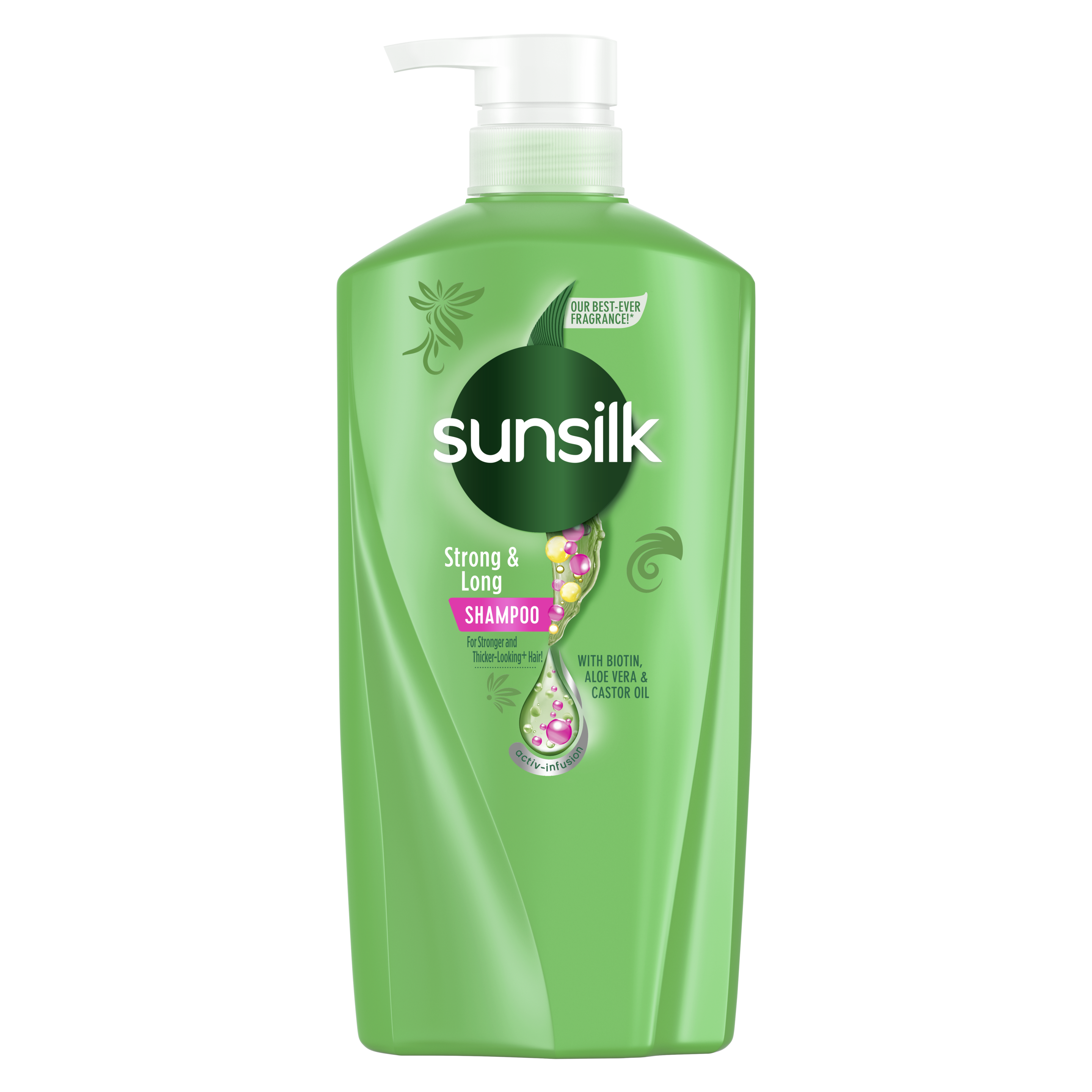
The first step to feeling better in your clothes is to take good care of the body underneath them. That means checking off all the hygiene basics. Strengthen your strands with the Sunsilk Strong & Long Shampoo, then moisturize with the radiance-enhancing Vaseline Gluta Hya Serum Burst Lotion Flawless Bright.
Product
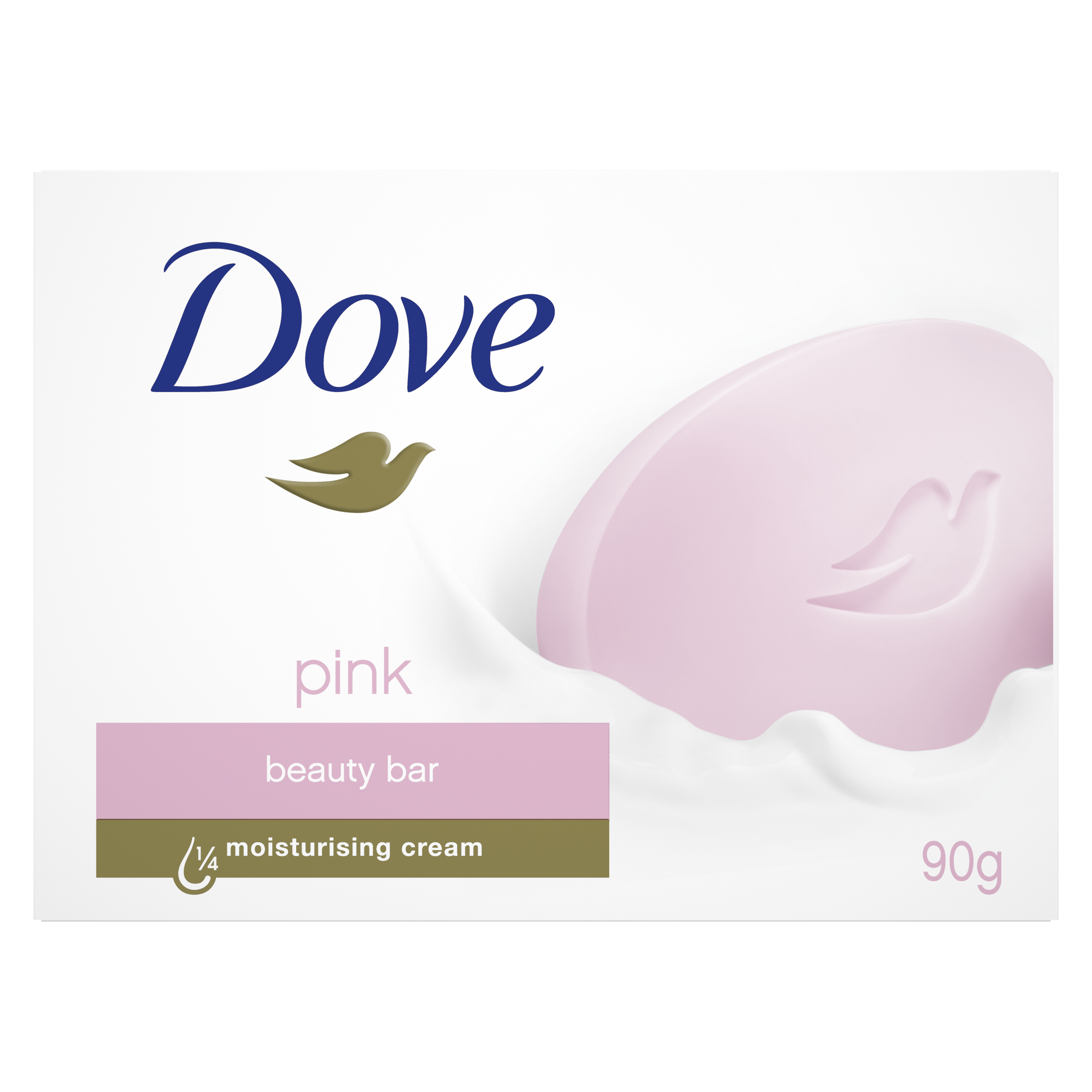
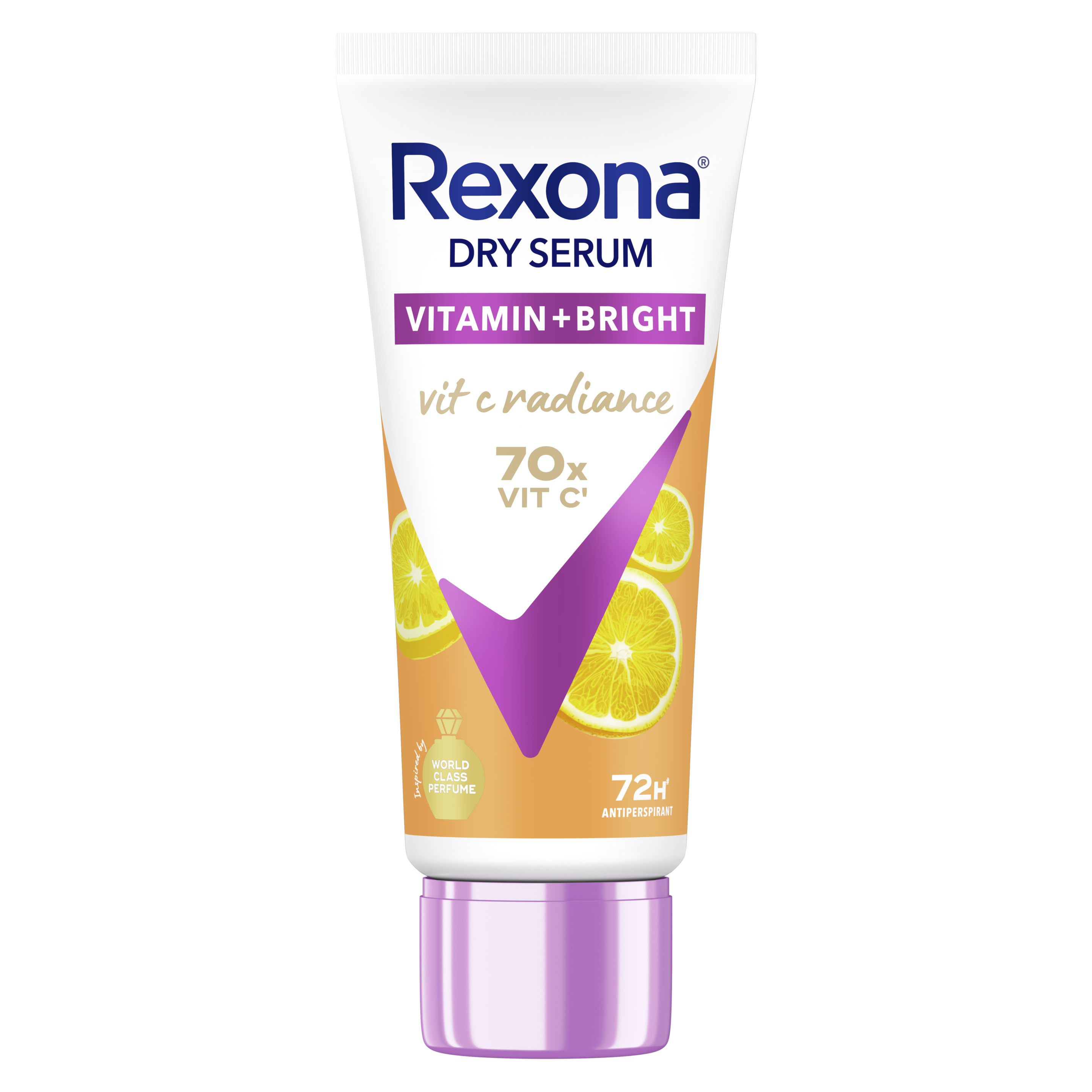
And don’t neglect your underarms! Apply a deodorant that feels like luxurious skincare – but for your ‘pits. Try the Dove Radiant + Care Deodorant Dry Serum 3% Niacinamide 10x Vitamin C & E Dark Marks Reducer if you’re concerned about hyperpigmentation. Or try Rexona Advanced Brightening Deodorant Dry Serum Anti Stain. It has the added benefit of not staining your favorite clothes!
2. Dress in comfortable materials and sizes.
Whether dressing up for a special occasion or dressing down for a girls’ night in, you’ll want to prioritize comfort. No more of that “beauty is pain” nonsense! You shouldn’t feel constricted or self-conscious in your clothes.
Go for fabrics that match your lifestyle: cotton and linen are famously comfy, breathable, and perfect for hot weather. As for sizes, don’t be afraid to size up or down depending on what feels right to you now. Bodies constantly fluctuate – it’s just what they do. The sooner you let go of the notion that there’s a specific size that you “should” fit into, the better you’ll feel.
3. Wear colors that reflect your mood.
If you’re still figuring out your signature style, start smaller by simply opting for colors that match your mood. Are you feeling fun and flirty? Pink is always a winner. Do you want to radiate warmth and happiness? Yellow is the farthest thing from mellow. Is the vibe dark, moody, and mysterious (or simply practical)? You’ll never go wrong with black!
What you wear reflects your self-image, so dressing up can be an opportunity to keep defining who you are to yourself and others. Remember: playing dress-up is for everyone! Use clothing to de-stress, build confidence, express yourself, and tell your story on your terms.