Tips and Inspiration
From Unilever Beauty Experts
;Resize=(486,122))
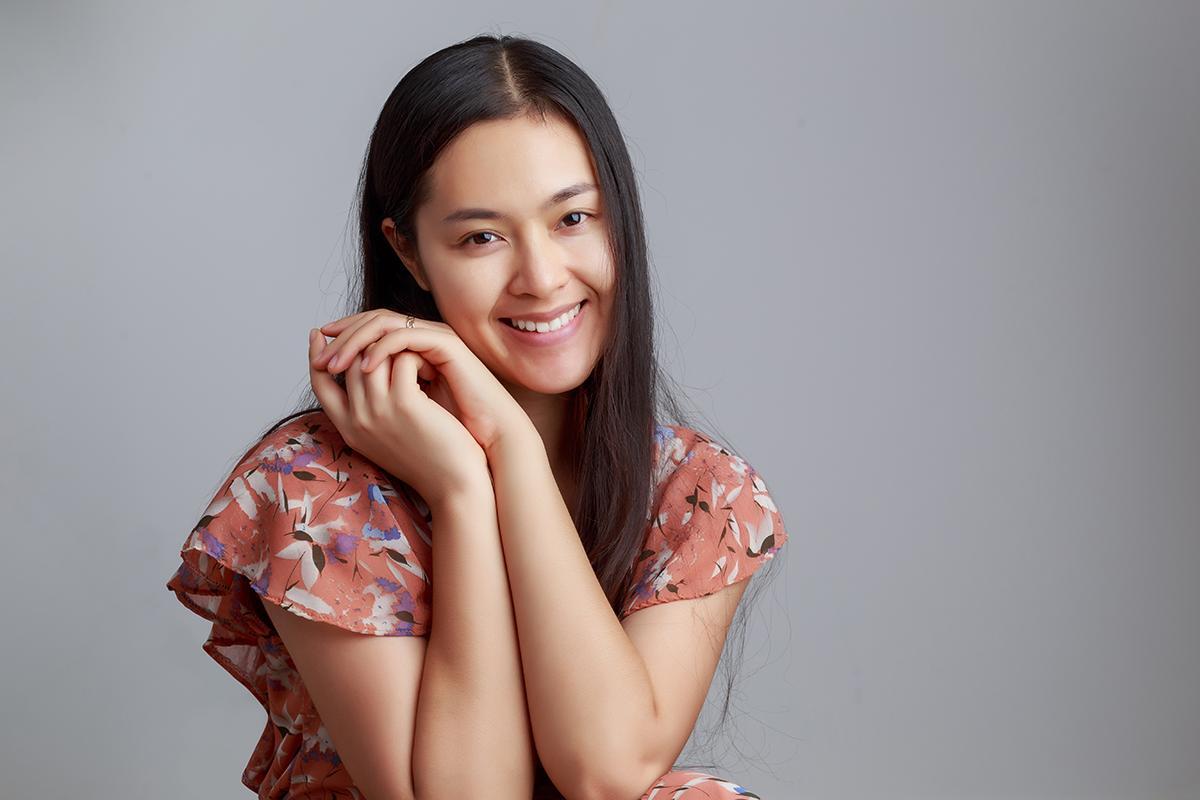
Not to be the woman who cried woke again, but is the concept of natural makeup becoming toxic before our eyes? There was a time when it seemed refreshing to see celebrities show — nay, expose — their bare faces, dark circles, freckles, uncovered skin, and all. It was an antidote to the hyper-contoured, baked-to-perfection looks dominating mainstream media. It sure seemed like society finally was giving the average woman permission to relax and just be herself. But relax we did not.
Being bare-faced a.k.a. makeup-free as a creative or personal choice has always been around. Ads of luxury brands and magazine editorials would shock us with the occasional natural makeup look on a celebrity that we only ever see with a full face on. It was always a welcome change but not necessarily a statement. It was in 2007, however, when one cover sparked a trend. The press called it a “revolution.” The celebrity was Alicia Keys, a staunch advocate of going makeup-free, on the cover of Elle Brasil.
By the time the cover came out, everyone who cared about pop culture and beauty news was well awareof how Keys made it her mission to skip makeup and embrace her natural beauty. She had been going makeup-free on The Voice and then decided to perform bare-faced on the VMAs. Shockingly, the bold move received both praise and controversy. Some people saw it as an attack against women who wear makeup and another prime example of celebrity privilege.
The Perks of Pretty Privilege
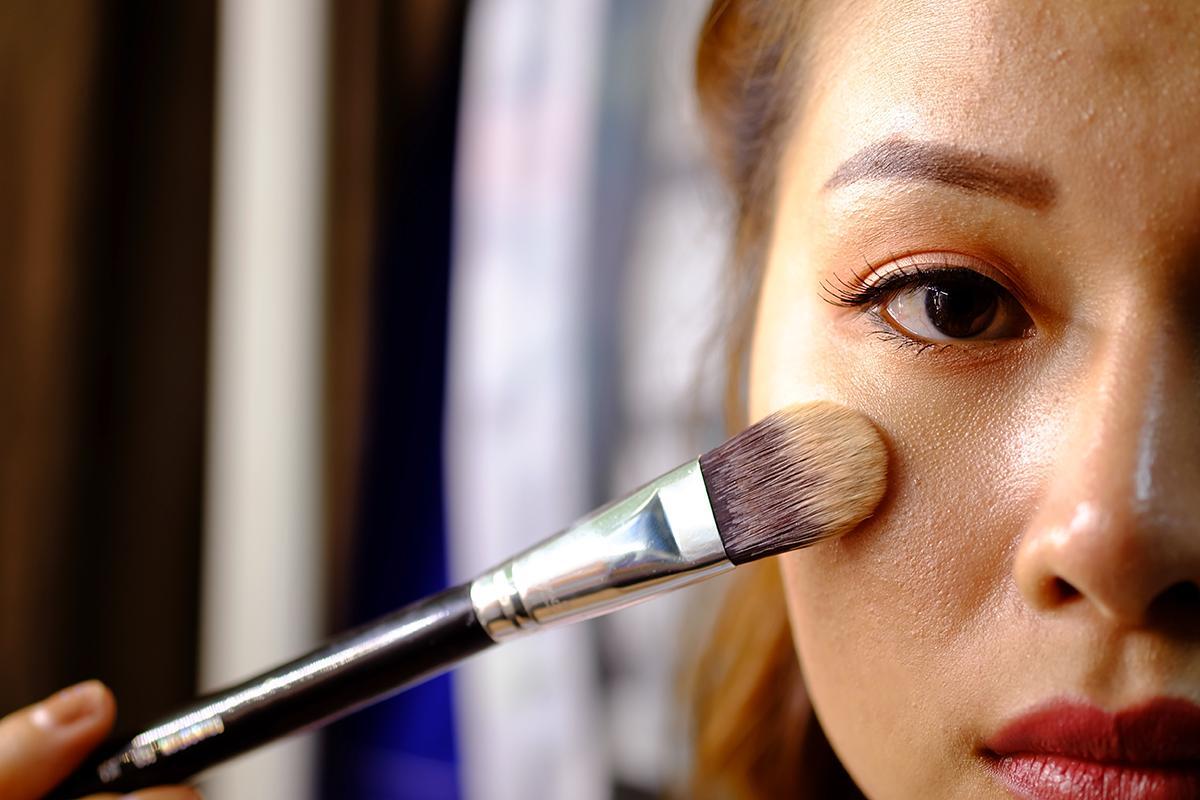
Say what? Yes. Many critics perceived the supposedly empowering act of not wearing makeup at a major awards show a jab against the average woman. On one hand, I was obsessed with Keys’ makeup-free looks. However, I thought they should have been more truthful and called it “natural makeup” instead. After all, several articles that broke down her look did, in fact, list some form of makeup product.
On the other hand, I could see where the naysayers were coming from. It’s so easy to say, “Love yourself. Don’t wear makeup,” when you are one or all of the following things. One: already beautiful by most standards. Two: earn enough money to invest in skincare products and procedures, nutritionists, and personal chefs. If you have a car, and a chauffeur, your exposure to free radicals is limited. A study by the University of California even found that “groomed” women made more money. Three: have a job that allows you some form of creative freedom and one you won’t lose for being “unpresentable.”
The alleged “tone-deafness” of Keys' preaching overshadowed the fact that she is a woman of color representing the beauty of her race. Later, she responded that she wasn’t imposing her no-makeup views on anyone — only that she didn’t want to wear makeup. It’s a sad cycle where, no matter what a woman chooses, she’s always to blame, not society or our institutions for tolerating misogyny and promoting unfair beauty standards.
This issue soon died down with the next news cycle, and #nomakeup selfies soon became a trend (later replaced with #nofilter). Everyone from Britney Spears and Jennifer Lopez to local celebrities started posting their bare-faced photos on social media. It’s inspiring for sure, but the elephant in the room still can’t stop screaming: “BUT YOU’RE ALREADY PRETTY!”
How ‘Natural’ Is Natural?
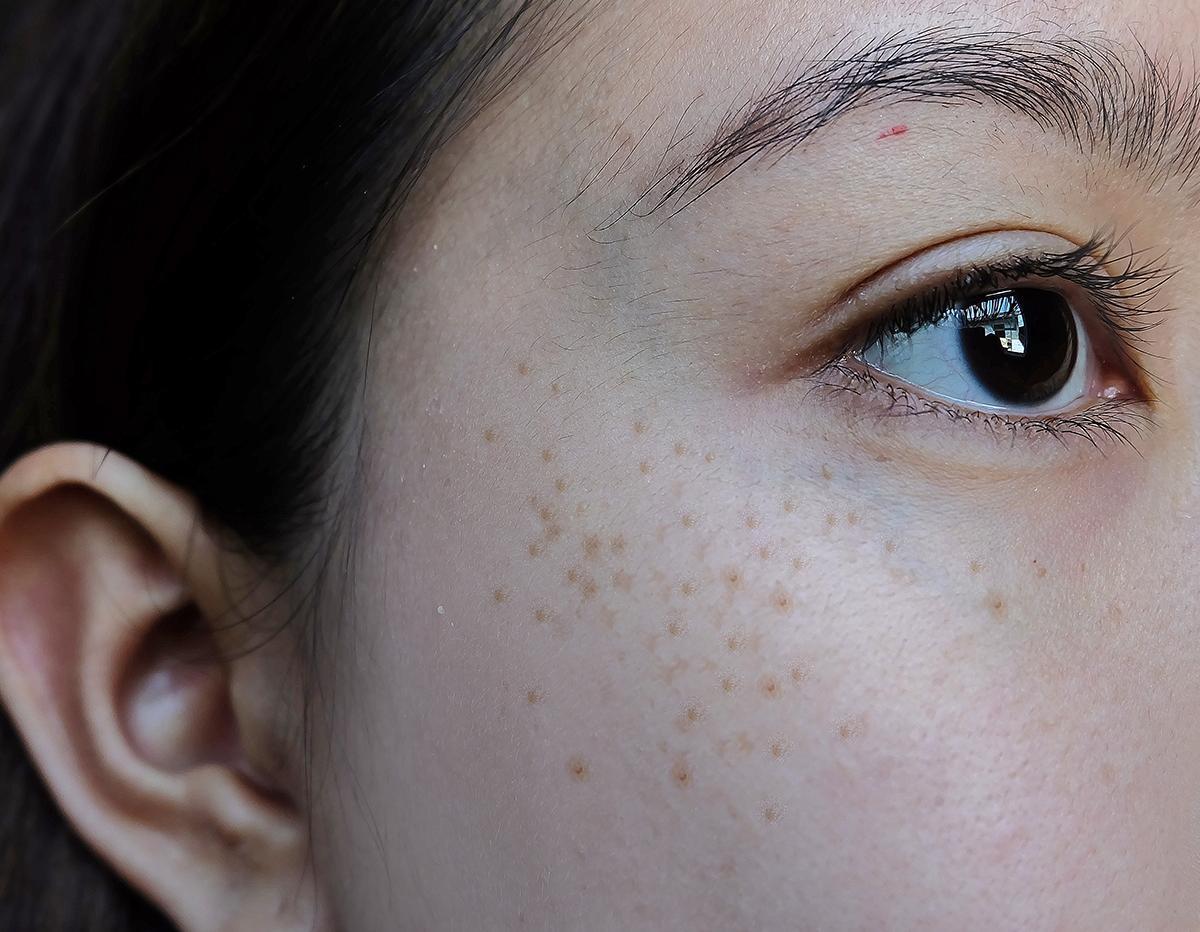
There is also the question of transparency and the definition of “natural makeup” Where do we draw the line? A tiny dot of highlighter on the bridge of the nose changes the appearance of the face — is this fake? Does natural mean light makeup using few products or is layering several products to achieve a natural look acceptable?
One misconception is that natural makeup means no makeup, which any makeup artist will tell you is one of the most complex looks to achieve. Miss Universe makeup artist Ryan Wong, who did Pia Wurtzbach's makeup, once told me that it takes hours and layers upon layers of makeup to create.
At the onset, the disconnect between what’s presented and what goes on behind the scenes is often left unexplained. The result? Many of us praise celebrities and public figures for their “natural” makeup looks only to fail when we try to copy them because they weren’t natural in the first place.
For natural makeup to work, it requires a healthy base. Try POND'S Bright Triple Glow Serum, which brightens skin and gives it a lit-from-within glow with niacinamide and hyaluronic acid. Complement your look with a healthy smile and fresh breath by brushing with closeup Red Hot Toothpaste, and nourished, frizz-free hair with TRESemmé Keratin Smooth KERA10 Shampoo.
Naturally Under Pressure
From childhood, we are taught that simplicity, purity, and modesty are not just values but highly desirable ones in women. Those who wear makeup or are interested in beauty and grooming are branded as “maarte” even to this day. It’s very Filipino to say, “Maganda makeup niya, light lang,” or hear “Maganda siya, simple lang,” particularly from men. If you think about it, though, are these comments ever directed at women who are not classically “maganda”?
In the 1971 book Myths and Legends of the Early Filipinos, women who were described as physically beautiful had long black hair and ivory skin and are winsome, gentle, and of high status. Noli Me Tangere — required reading in schools — hyped Maria Clara as the most beautiful woman in the story. She has a straight nose and skin as white as cotton.
This is what maganda is by conventional beauty standards and most Filipinos do not look like this. It puts women in a conundrum: to be “natural” or to be “maganda”? Either way, we’re still pandering to the dictates of unfair metrics that clearly need to change.
Whether intended or not, the campaign for natural makeup has this underlying message: it’s superior to wearing makeup because it promotes self-love and rejects beauty standards. While its goal is to encourage women to embrace their beauty, its execution falters in its messengers (who, by the way, are not to blame; it's not their fault they don’t need concealer!). It also misses the mark when it carries a holier-than-thou tone that further divides us instead of bringing us together.
Real empowerment can celebrate one’s personal preferences, as well as others’. There’s room for all kinds of beauty and its expressions — natural makeup included. If we are to break free from the trap of doing what is expected of us to belong or feel accepted, telling each other how to celebrate their own brand of beauty is just not the way.