Tips and Inspiration
From Unilever Beauty Experts
;Resize=(486,122))

The more people become aware that certain ingredients can negatively affect their health and the environment, the bigger the interest in clean, organic, and natural products. According to a study conducted by the Climate Change Economic Research Center published in MDPI, marketing trends are shifting towards natural solutions.
This shift introduces a new world of labels, ingredients, and technicalities that can confuse consumers. Clean, organic, and natural are three terms that many use interchangeably. However, they refer to very different things. Here’s a cheat sheet to help you tell the difference.
What Is Clean Beauty?
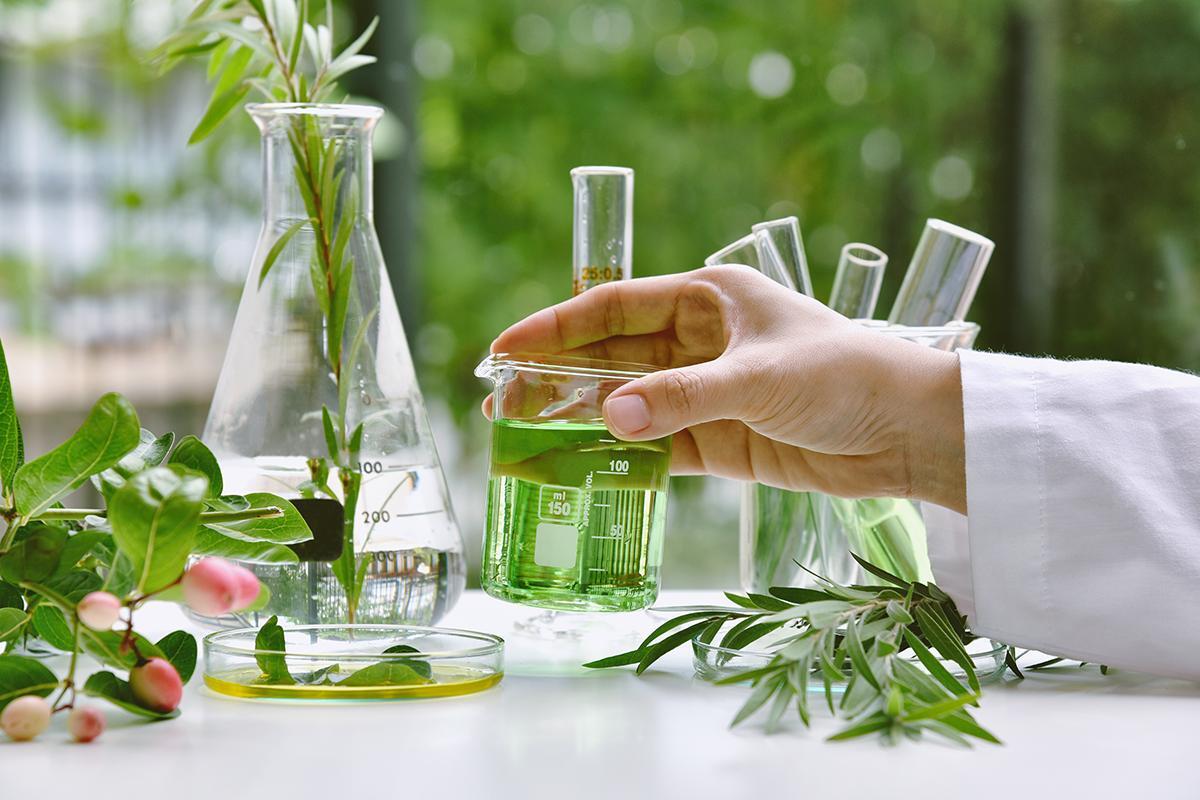
According to the gospel of Gwyneth (Paltrow, who wrote a book on the subject), clean beauty is a lifestyle of healthy meals, good sleep, regular exercise, detoxification, and living in a toxin-free home. In terms of products, it is essentially non-toxic skin and hair care. To be more specific, clean means the product is free from ingredients that are known to trigger toxic responses in humans.
That’s industry consensus. However, the term “clean” itself is not regulated. No board certifies, based on a set of agreed-upon rules and standards, that a product is “clean.” What’s clean for one brand may be unclean for another. It all depends on where they decide to draw the line.
Typically, clean products will also usually have a long “free-from” list. Ingredients such as parabens (preservatives) and sulfates, which are irritating and comedogenic, are often on this list. Some will even go as far as applying this toxin-free philosophy to product packaging. It does not, however, mean they are all-natural or organic.
What Is Organic in Skin Care?
“Organic” refers to ingredients that are grown without pesticides, artificial fertilizers, and synthetic substances. According to the U.S. Federal Food, Drug, and Cosmetic Act, cosmetics labeled “organic” are not necessarily safe. Their website states, “An ingredient’s source does not determine its safety. Companies and individuals who market organic cosmetics have a legal responsibility to ensure that their products and ingredients are safe for the intended use.”
In the U.S., products that have been certified organic by the USDA can use four organic labeling categories as agricultural products, as there is no regulatory body for cosmetics and personal care. Products may be labeled “100% organic” if they only contain organic ingredients.
“Organic” products must contain 95% organic ingredients, while “Made with organic” products must have at least 70% organic ingredients. The latter is not certified organic and may not use the USDA Organic Seal. A product or brand may not use the term “organic” if it contains less than 70% organic ingredients. Organic products are not necessarily natural or clean since people can have toxic reactions to them, too.
What Are Natural Products?
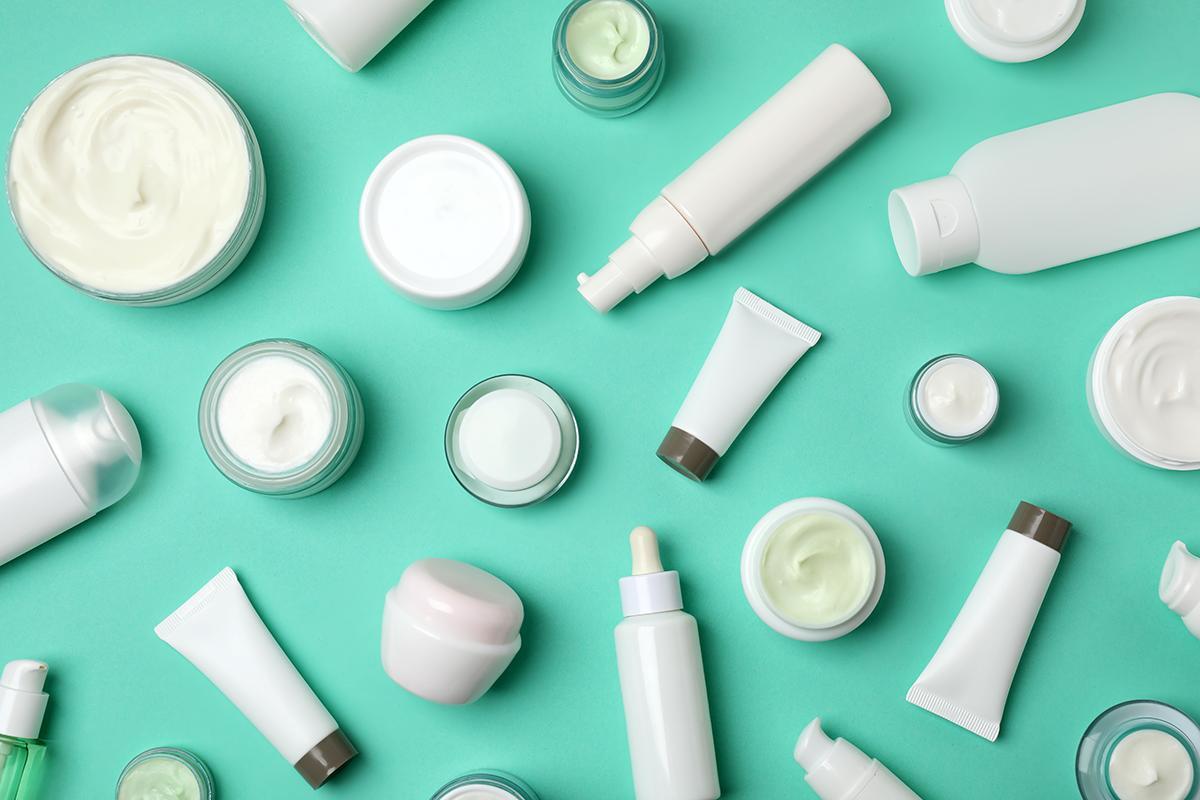
While “organic” refers to how the ingredients are grown and “clean” focuses on what’s not in the product, “natural” pertains to ingredients produced in nature. Water, plants, and natural oils are some ingredients used in natural products.
They can still, however, contain synthetic ingredients. Even those that are labeled “all-natural” can have lab-made ingredients. The US FDA points out that it’s difficult to label products “natural” because it ceases to be a product of the earth once they are processed. However, it’s important to note that not all synthetic ingredients are evil. Retinol and hyaluronic acid are some examples of good chemicals created in a laboratory.
Natural products can be better for the environment if they’re also made with less waste, use sustainable packaging, or are formulated for sustainable use. Love Beauty and Planet Murumuru Butter & Rose Blooming Color Shampoo and Love Beauty and Planet Murumuru Butter & Rose Blooming Color Conditioner, for example, are made with 97% naturally derived ingredients. Both shampoo and conditioner have Amazonian murumuru butter for healthy, shiny hair and Bulgarian rose petals for freshness.
Product
Product
They are cruelty-free, paraben-free, silicone-free, dye-free, and formulated without phthalates. The brand uses 100% recycled plastic for most bottles. It also sources its ingredients and fragrances ethically and uses fast-rinse conditioner technology so you can save water in the shower.
These days, it pays to be a discerning customer. Understanding the differences between organic, clean, and natural products not only prevents you from getting duped by catchy labels. It also helps you make better-informed decisions when it comes to products that you use on your body.