Tips and Inspiration
From Unilever Beauty Experts
;Resize=(486,122))
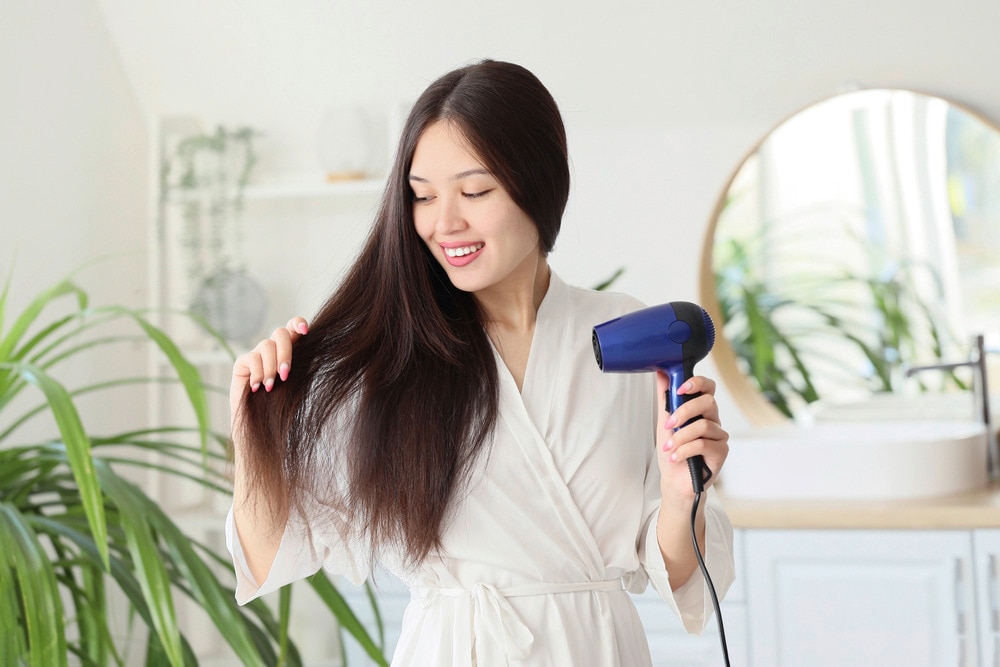
If you’re constantly battling hair that’s rough and refusing to behave, no matter how you style or care for it, your go-to products may no longer be enough. It may be time to turn to a deep conditioning treatment.
Unlike regular conditioning, deep conditioning treatments penetrate the hair shafts, delivering concentrated nutrients for a longer-lasting repair. While regular conditioners maintain hair health, deep conditioners like hair mask treatments are meant for intensive repair.
Understanding Frizzy Hair and Its Connection to Hair Damage
Because of their structure, wavy and curly hair are naturally more prone to frizz, especially when exposed to humidity and other environmental factors. Curly strands have more bends and twists, which means the cuticle doesn’t lie flat. This makes it easier for moisture from the air to enter the hair shaft, causing it to swell and result in frizz. Additionally, the scalp’s natural oils have a harder time traveling down the curves of the hair strands.
But frizz can also be a sign of hair damage, often caused by chemicals and dyes, regular heat styling, or products that strip away the hair’s natural oils. When your strands are stressed, the hair cuticle lifts, allowing humidity to penetrate the hair shaft, causing it to swell and become frizzy.
Signs You Need a Deep Conditioning Treatment
Frizzy hair or not, it’s actually recommended that you do a deep conditioning treatment regularly. It doesn’t matter if you book one at the salon or use a dry hair treatment at home, what matters is that you give your stressed strands the intensive care they need. Below are common signs that your hair needs some SOS.
1. Your hair is dry.
If your hair looks sabog and feels rough, it’s probably dehydrated and in dire need of a hair treatment for dry hair. Frequent heat styling, chemical treatments, sun exposure, or even shampoos with harsh cleansing agents damage the hair, lifting the cuticle and making it difficult for your strands to retain moisture.
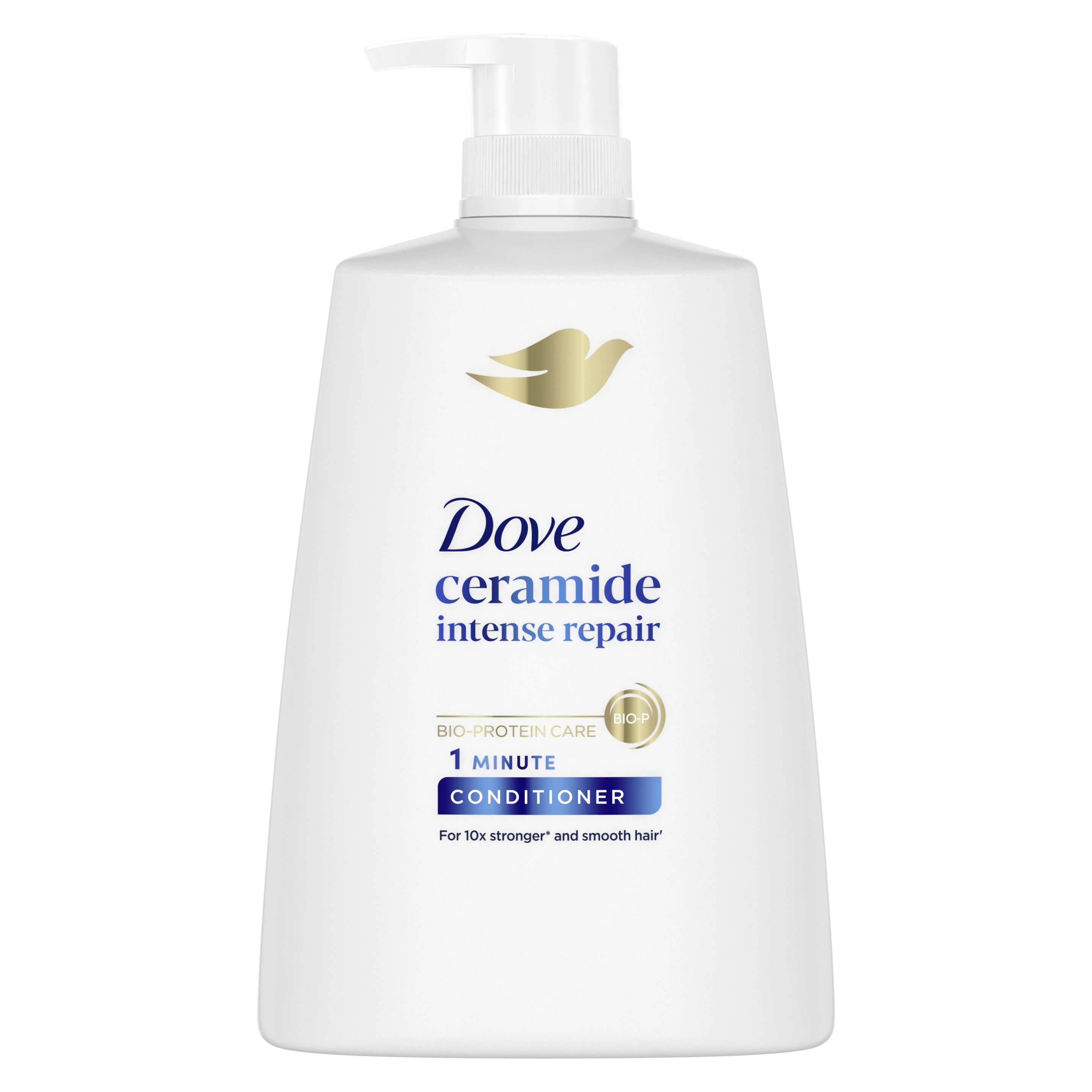
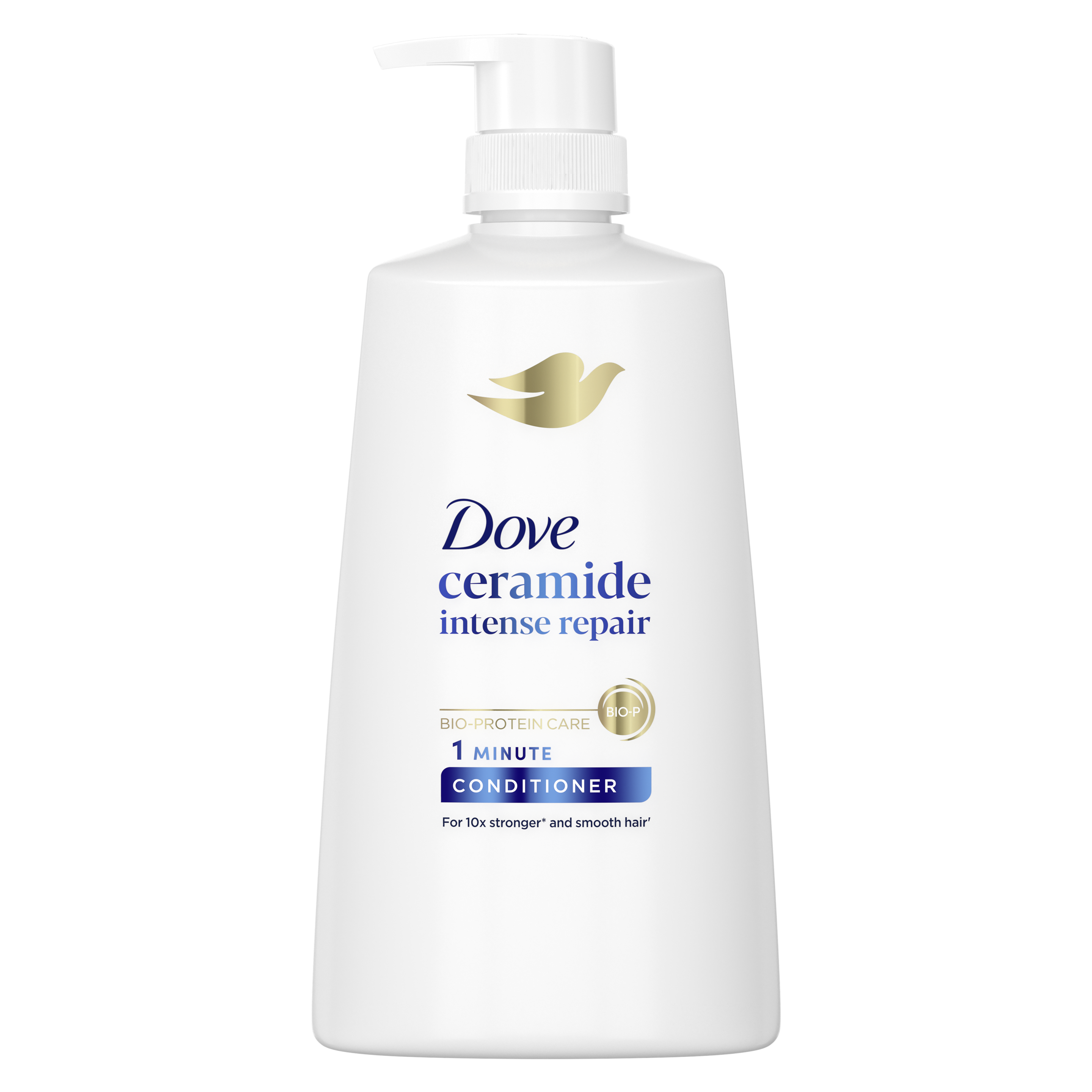
To combat this, wash your hair with a milder shampoo that doesn’t strip your strands’ natural oils. Follow it up with a deeply moisturizing conditioner like Dove Ceramide Intense Repair Conditioner. Enriched with ceramides, it protects the hair cuticle and seals in nutrients.
Once a week, switch out your regular conditioner for a deep conditioning dry hair treatment to give your locks that extra boost of hydration.
2. Your hair is dull.
You can usually spot dull hair when your strands look flat, lackluster, and unable to catch the light. This is because the surface of dry and damaged hair is no longer smooth. The lifted cuticles make it hard to reflect the light, so you end up with strands that look dull and lifeless.
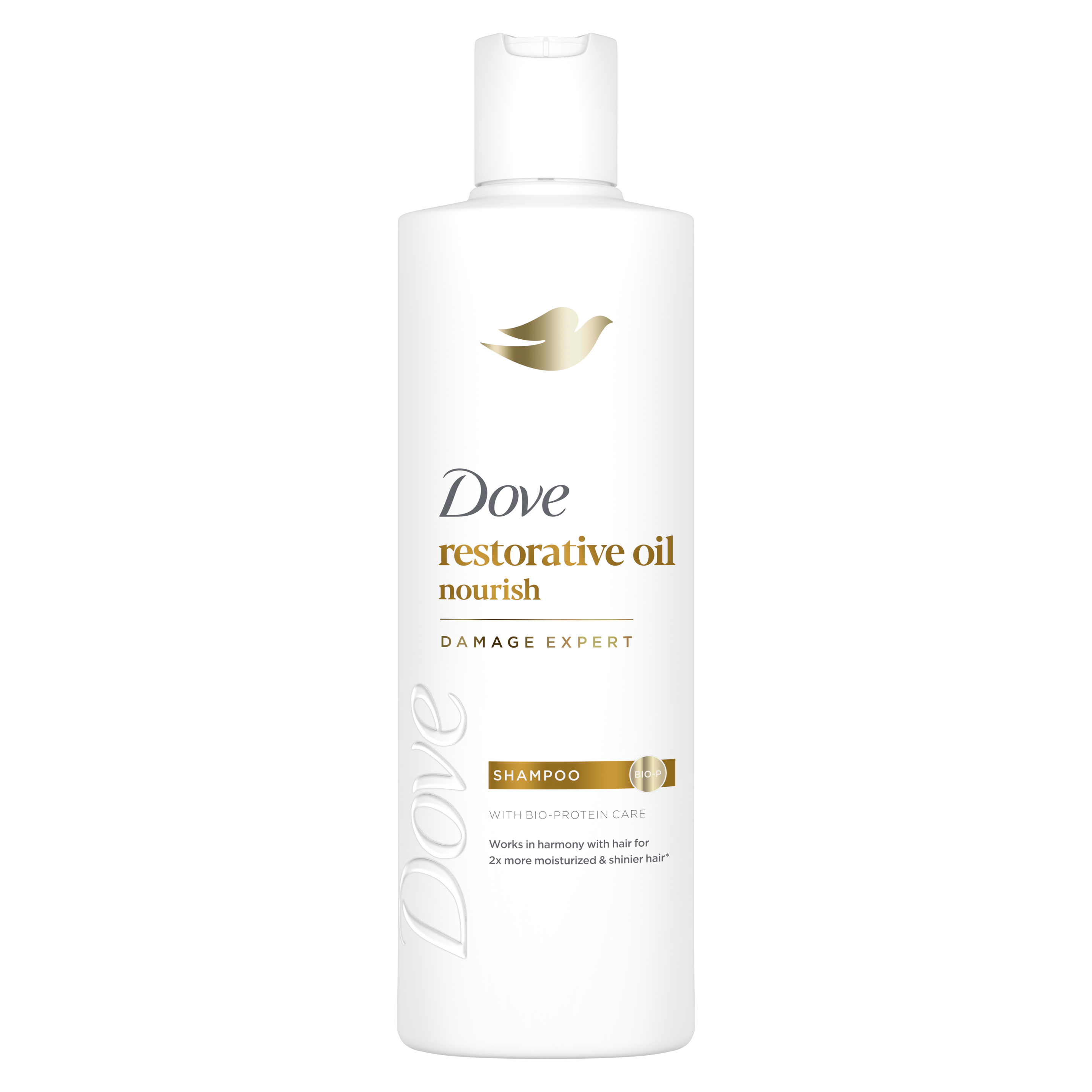
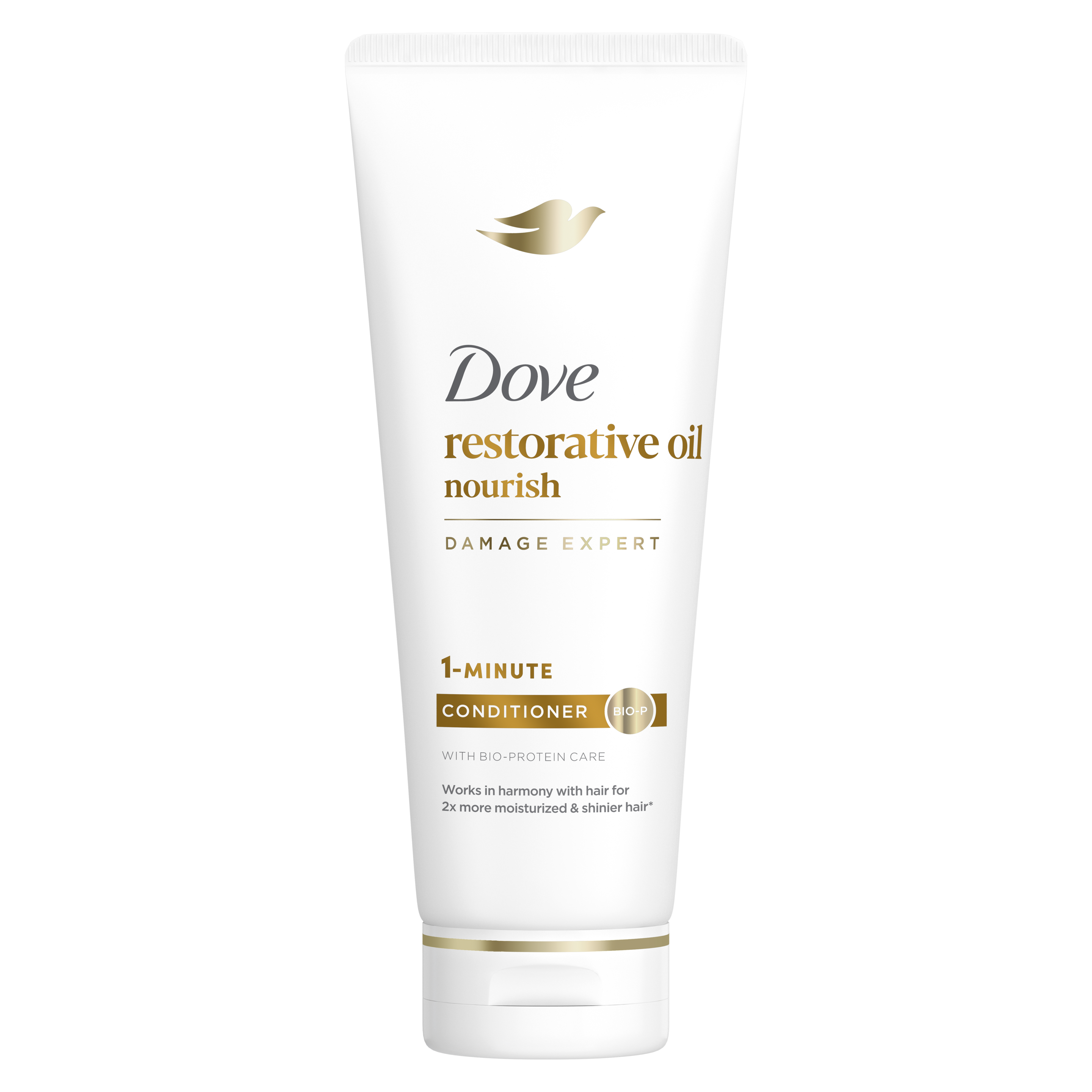
To restore your hair’s natural sheen and luster, use a shampoo and conditioner that contains oils rich in essential fatty acids. Dove Restorative Oil Nourishing Care Shampoo and Dove Restorative Oil Nourishing Care Conditioner feature a blend of argan, marula, and sunflower seed oil that locks in moisture, giving you two times more moisturized and smoother hair. For intensive care, use a hair treatment for dry hair once a week.
3. You suffer from flyaways.
Flyaway hair sticks out and away from the main body of hair, especially in dry or cold weather conditions. They’re often caused by static, breakage, and lack of moisture.
To tame flyaway hair, start by tackling its root causes: dryness and damage. The best treatments for dry and damaged hair contain ingredients that restore moisture, strengthen your strands, and protect your hair from future stress.
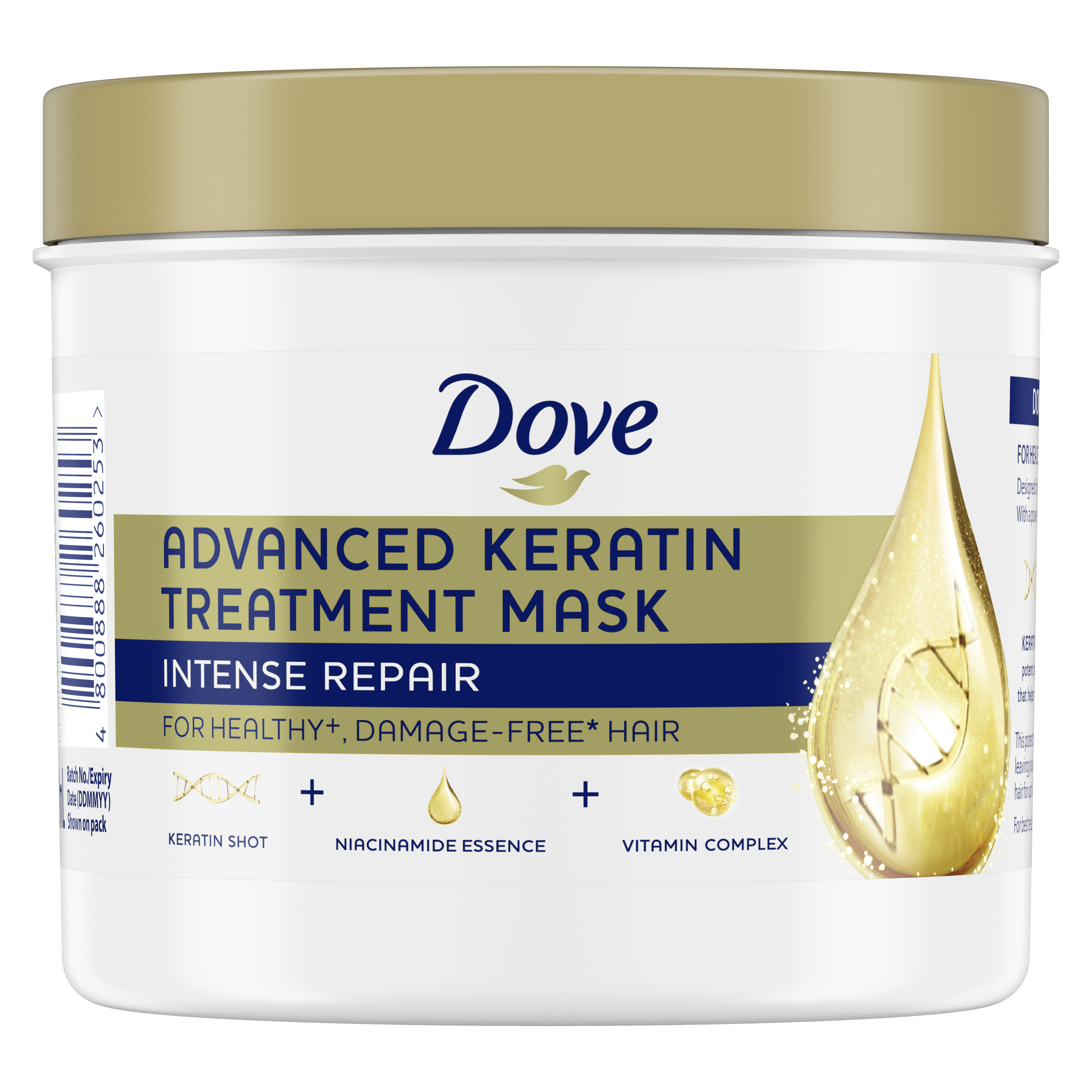
Dove Advanced Keratin Treatment Mask contains keratin, niacinamide, and a vitamin complex. Use weekly alongside Dove 1 Minute Serum Conditioner for hair that’s more resistant to breakage.
4. Your hair is prone to tangles.
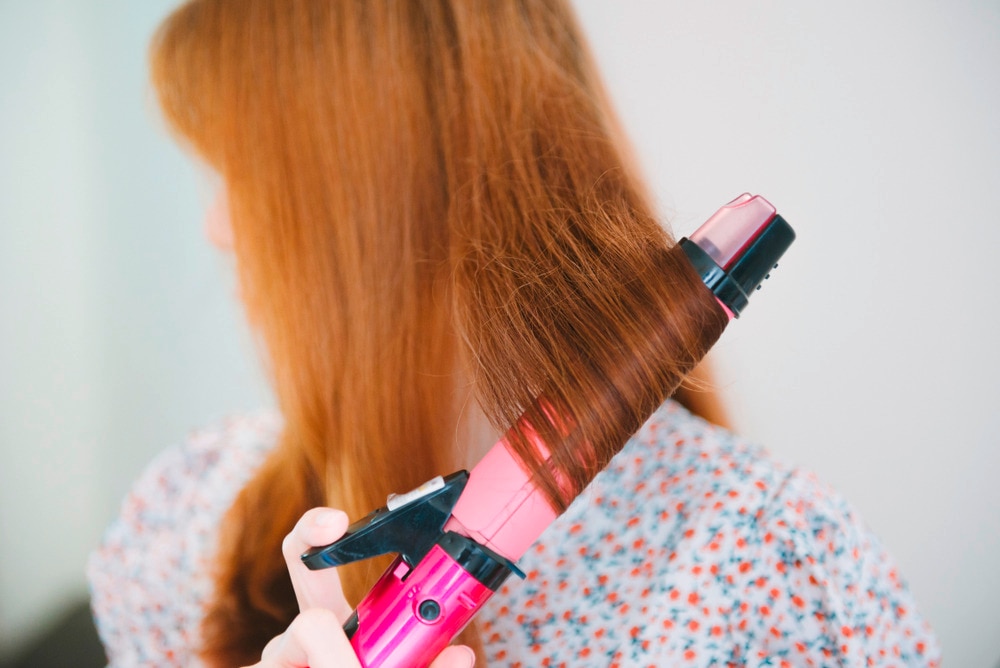
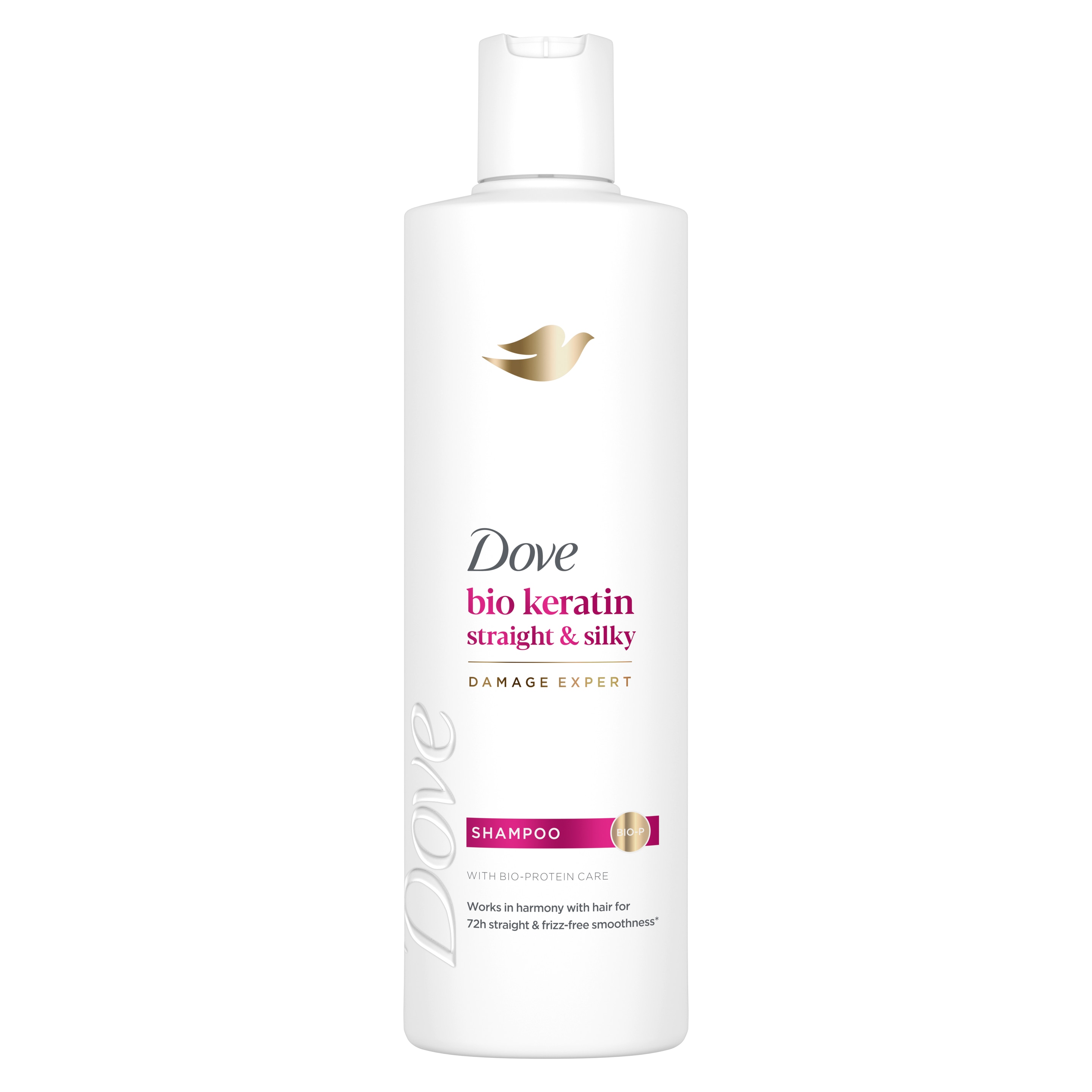
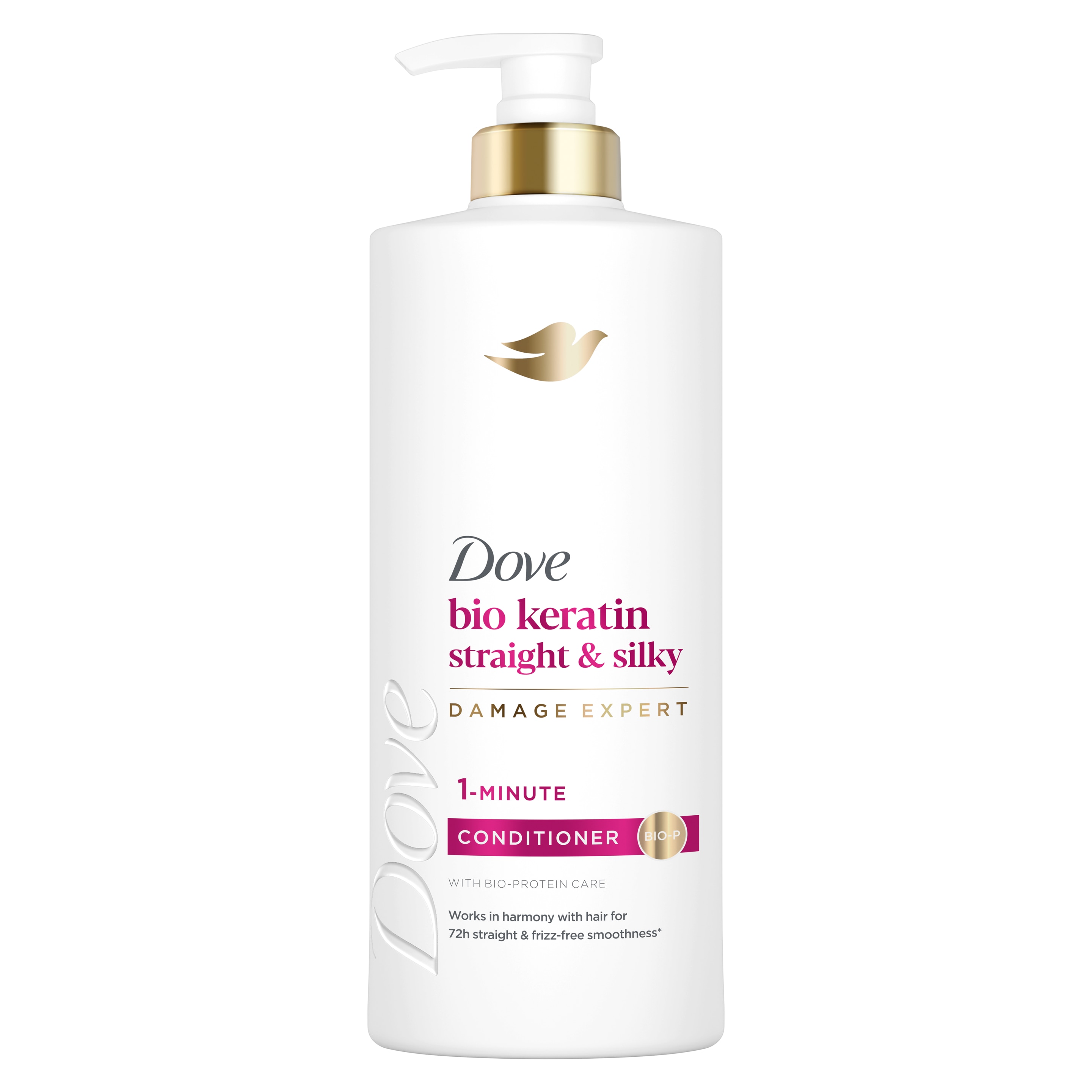
If your hair is constantly knotting or hard to manage, this is a clear sign that it needs more moisture and slip. Dove Bio-Keratin Straight & Silky Shampoo and Dove Bio-Keratin Straight & Silky Conditioner contain bio-keratin that helps smooth and protect hair from humidity and frizz for 72 hours with regular use. Once a week, treat your strands to a deep conditioning treatment to smooth the cuticle, reduce friction, and make styling easier.
5. You have split ends.
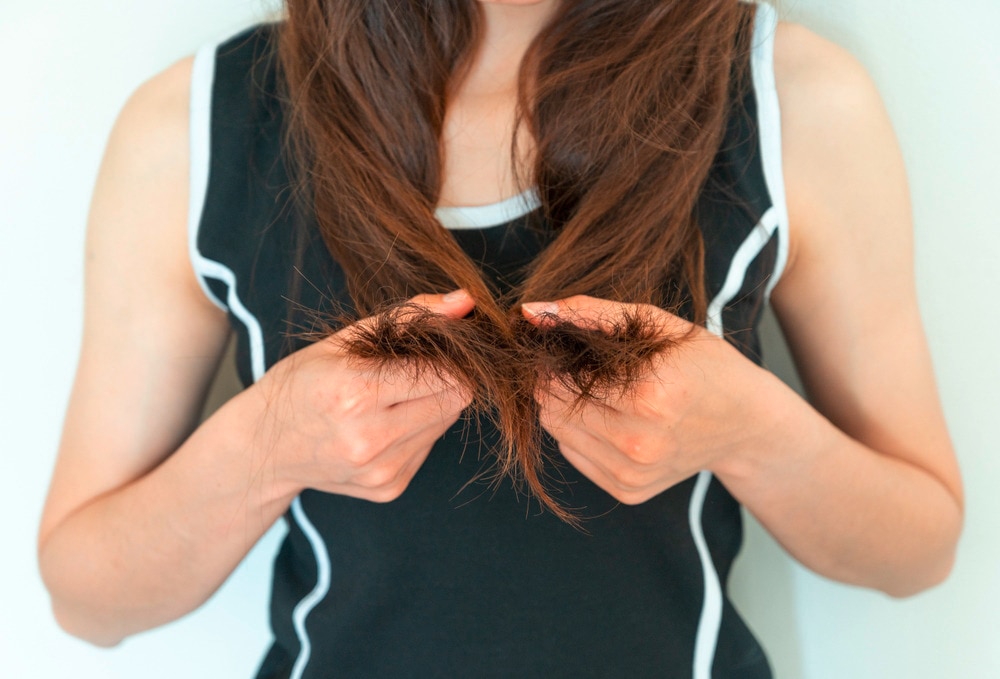
A lifted, damaged cuticle leaves the inner hair strand exposed and weak, making it more susceptible to split ends and breakage. If you’re seeing split ends, it’s a sign your hair is damaged – and it’s time for a trim!
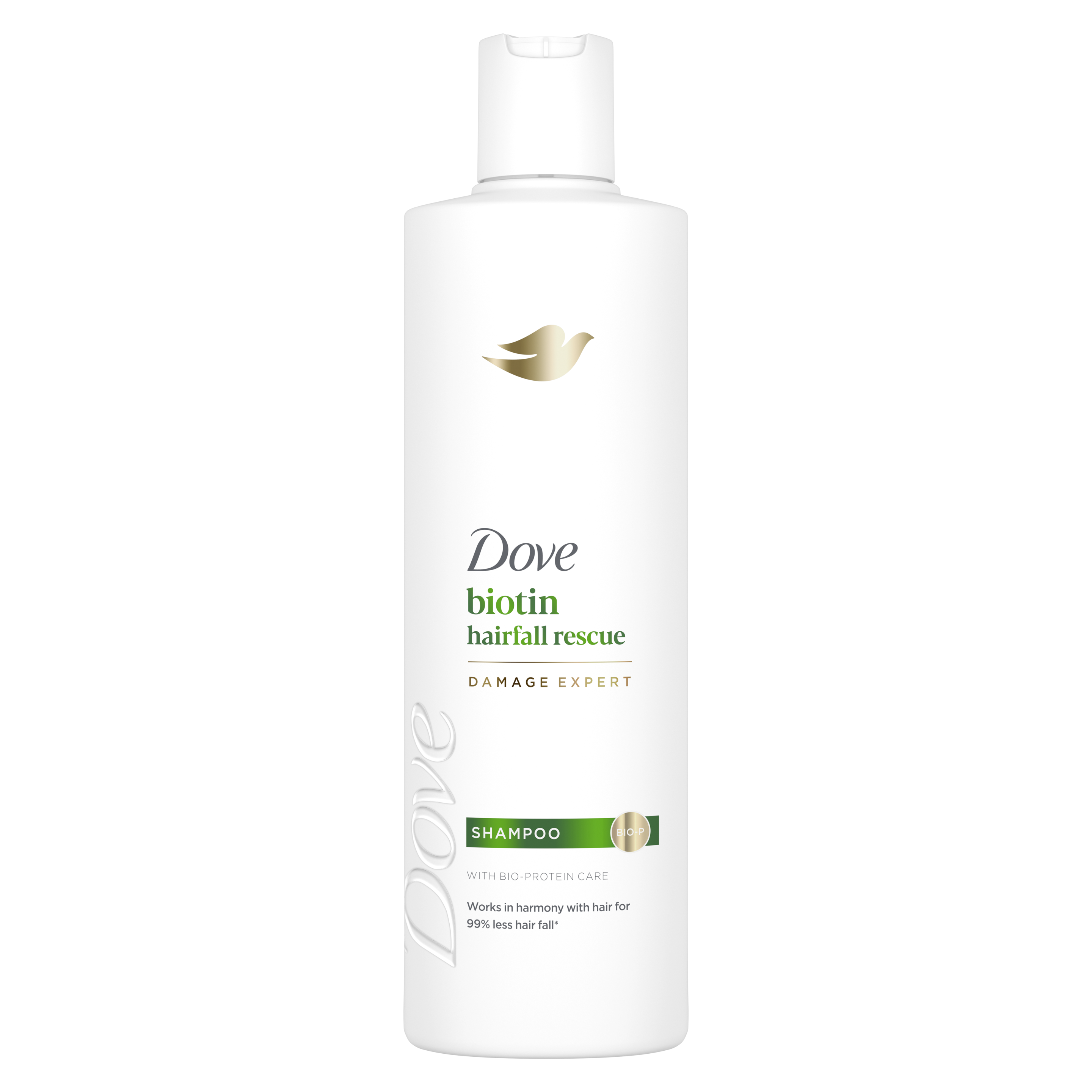
You can also prevent split ends with Dove Biotin Hair Fall Rescue Shampoo, which is formulated to strengthen hair fiber elasticity and fortify weakened hair. Afterwards, use a hair treatment for damaged hair to smooth the cuticle and seal the surface.
6. Your hair is buhaghag.
Unmanageable volume is often a sign of dryness or a lifted cuticle. A deep conditioning treatment helps smooth the hair shaft and weigh strands slightly, making your hair easier to manage.
7. Your curls or waves lack definition.
If your wavy or curly hair looks uneven, with some strands curlier than others, it may be a sign of dryness or frizz disrupting the natural pattern. Regular dry hair treatments help restore moisture and definition, bringing consistency back to your curls.
8. You often color or chemically treat your hair.
Frequently coloring, rebonding, bleaching, perming, or undergoing other chemical processes leaves you with hair that’s prone to dryness and weakness. These treatments work by breaking down the hair’s internal bonds so the strand can be reshaped or recolored. While effective, this process also weakens the hair structure, leaving it brittle, porous, and more likely to frizz or snap. A hair bonding treatment works by repairing broken bonds inside your hair strands, strengthening them from within. This reduces breakage and frizz, restores shine, and makes your hair smoother, more resilient, and easier to style.
While a deep conditioning treatment can restore your hair moisture, the best results come from combining it with a consistent hair care routine. Minimize heat styling, nourish your strands regularly, and protect your cuticles to prevent frizz, dryness, and damage before it starts. With the right care and targeted treatments, you can keep your hair smooth, strong, and effortlessly manageable every day.