Tips and Inspiration
From Unilever Beauty Experts


The difference between sunscreen vs. sunblock can be confusing. With so many factors to consider, where do you even begin? What are they, anyway, and does it matter which one you use? Sunscreen and sunblock can be easy to mix up, so here’s a quick breakdown of what sets them apart. Understanding the difference helps you choose the right one and enjoy the benefits of sun protection.
What Is SPF?
If you’ve ever wondered about the three letters on the label of your sunblock or sunscreen, SPF means “sun protection factor.” Knowing the SPF benefits for your complexion helps greatly, as it’s a measure of how well a product protects the skin from UVB rays. The higher the value, the more likely you are to avoid sunburn.
Sunscreen vs. Sunblock: What’s the Difference?
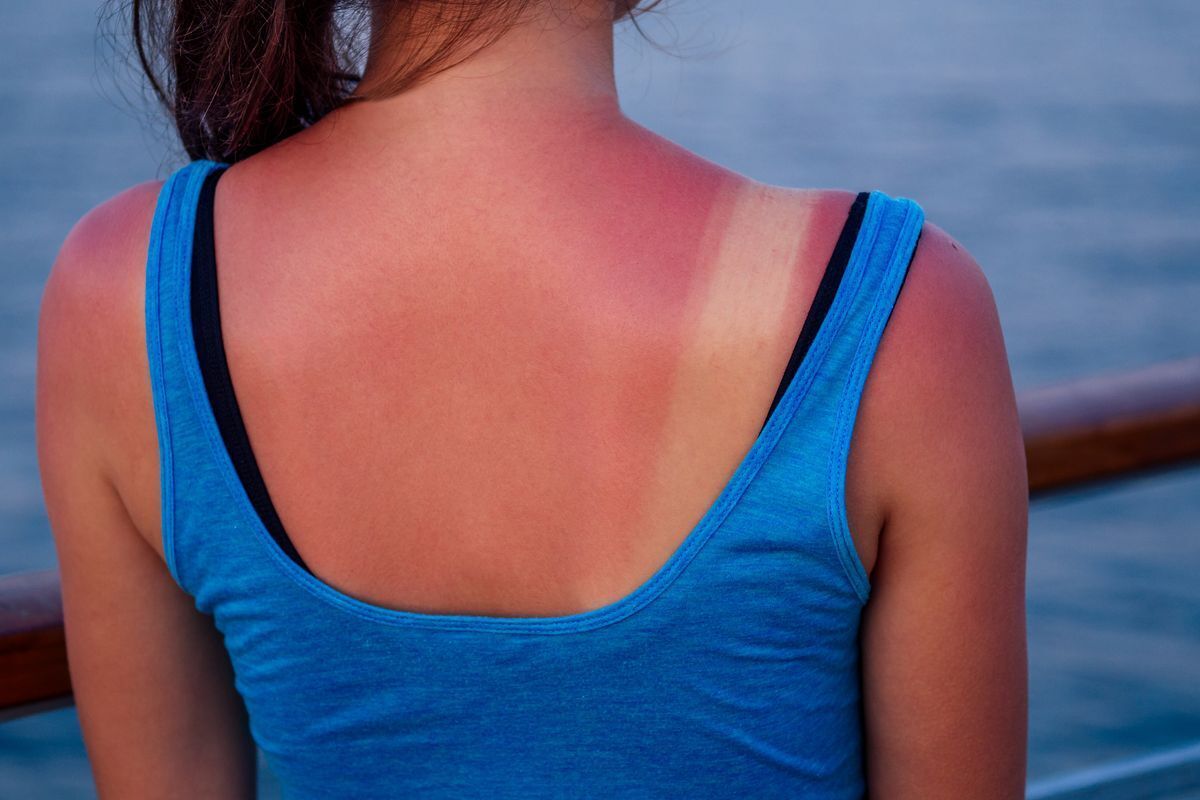
The main difference between sunblock and sunscreen is how they protect the skin. Sunscreen uses a chemical process where UV light is absorbed and converted into heat, then released from the skin. It absorbs UV rays before your skin can catch anything, saving it from photodamage.
Sunblock, on the other hand, physically blocks UV rays with mineral ingredients, such as titanium dioxide and zinc oxide, that shield the skin from the sun. This type of SPF is known (and disliked) for the white cast it leaves on the skin. The benefit of sunscreen, in contrast, is that it disappears upon application.
Another difference between sunscreen and sunblock is that most sunscreens block the skin from both UVA and UVB rays. Sunblock products, meanwhile, are mostly meant to prevent sunburn from UVB exposure.
To find out if your product can prevent both photodamage and sunburn, look for the “broad-spectrum” on the label. This means it passed the US Food and Drug Administration’s test for UVA and UVB protection.
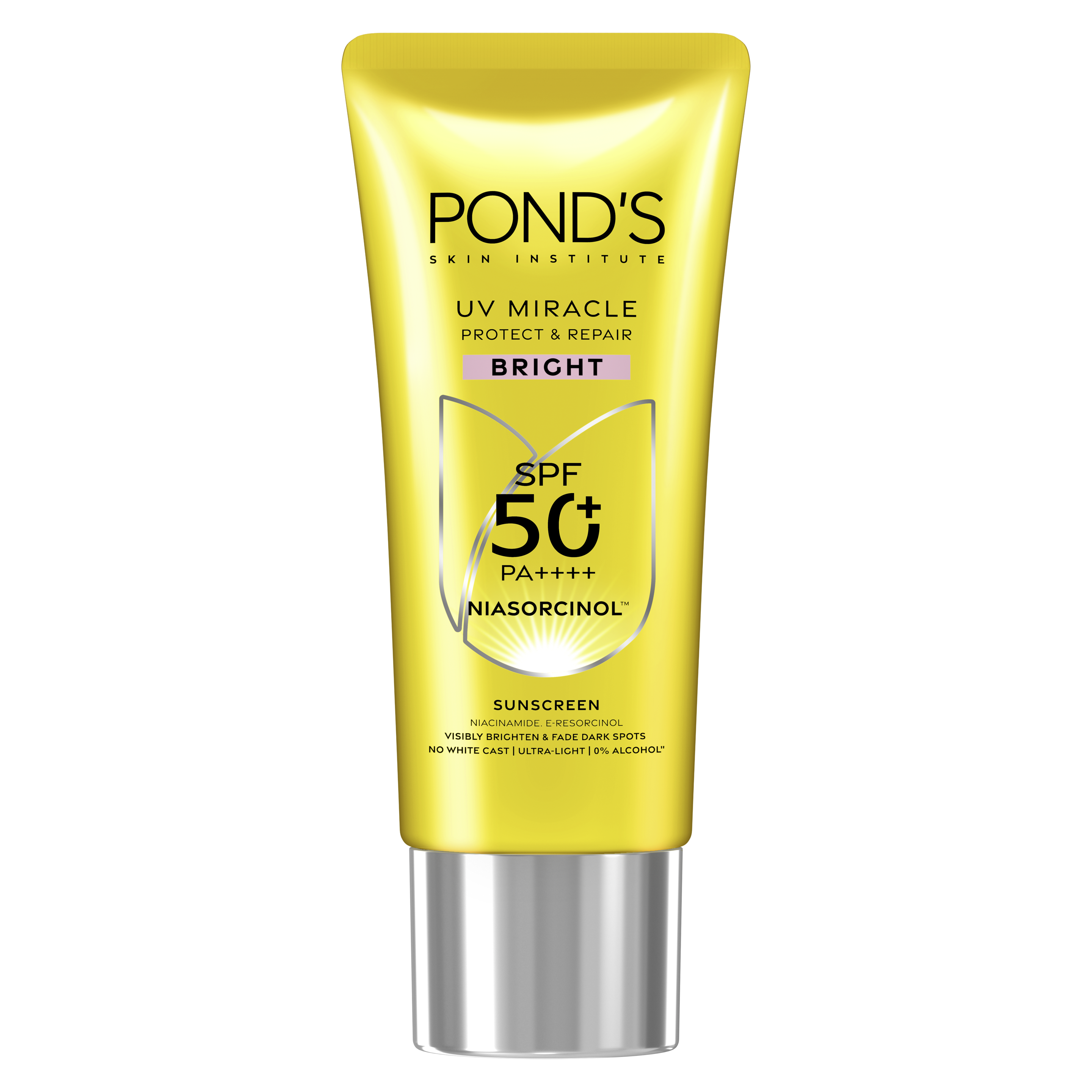
If you prefer a sunscreen’s benefits, there’s POND'S UV Bright Sunscreen, which will protect your skin against both UVA and UVB rays.
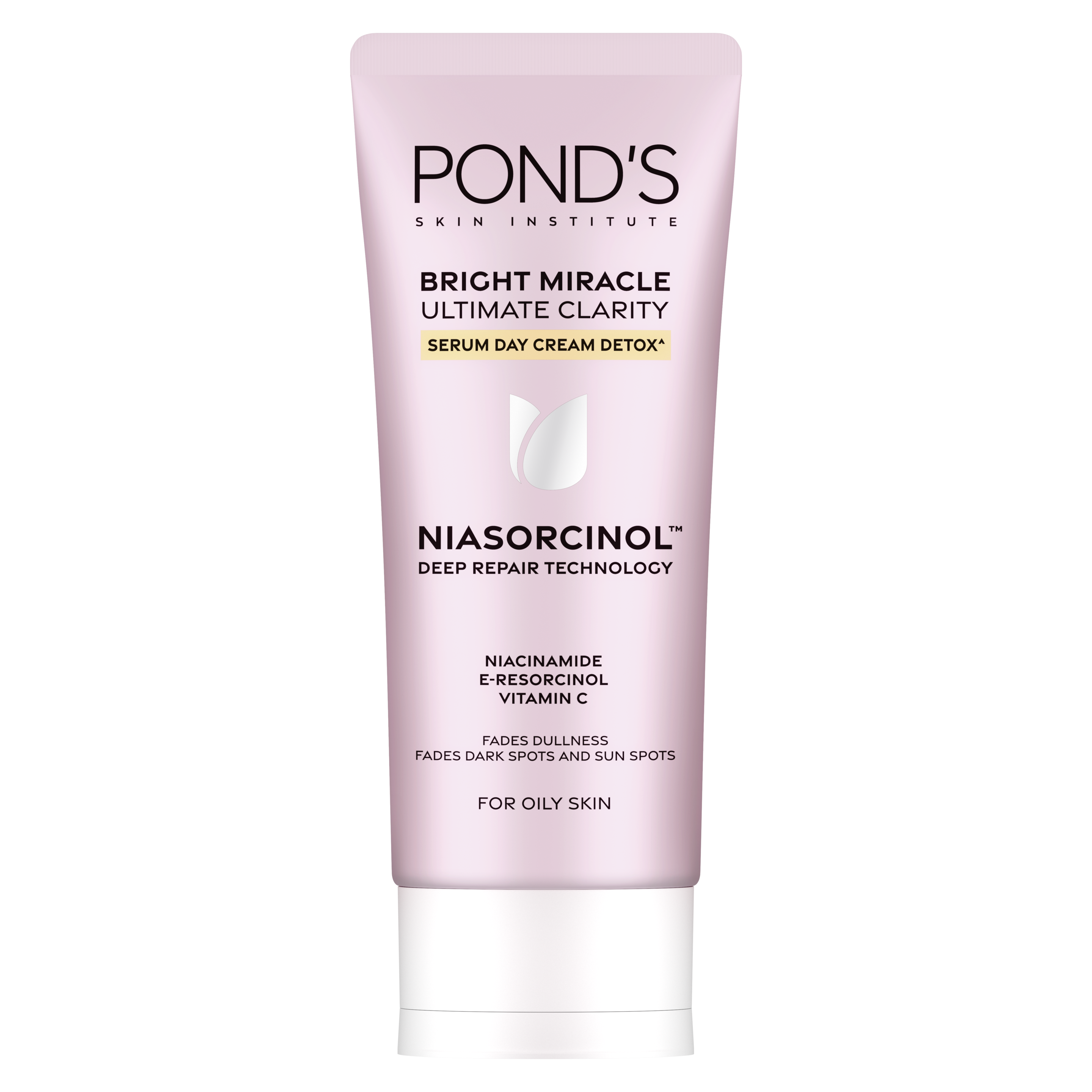
For rejuvenated skin, use POND'S Bright Miracle Day Cream Detox. It’s powered by deep repair technology to help give you radiant, spotless skin by fading dark spots and dullness.
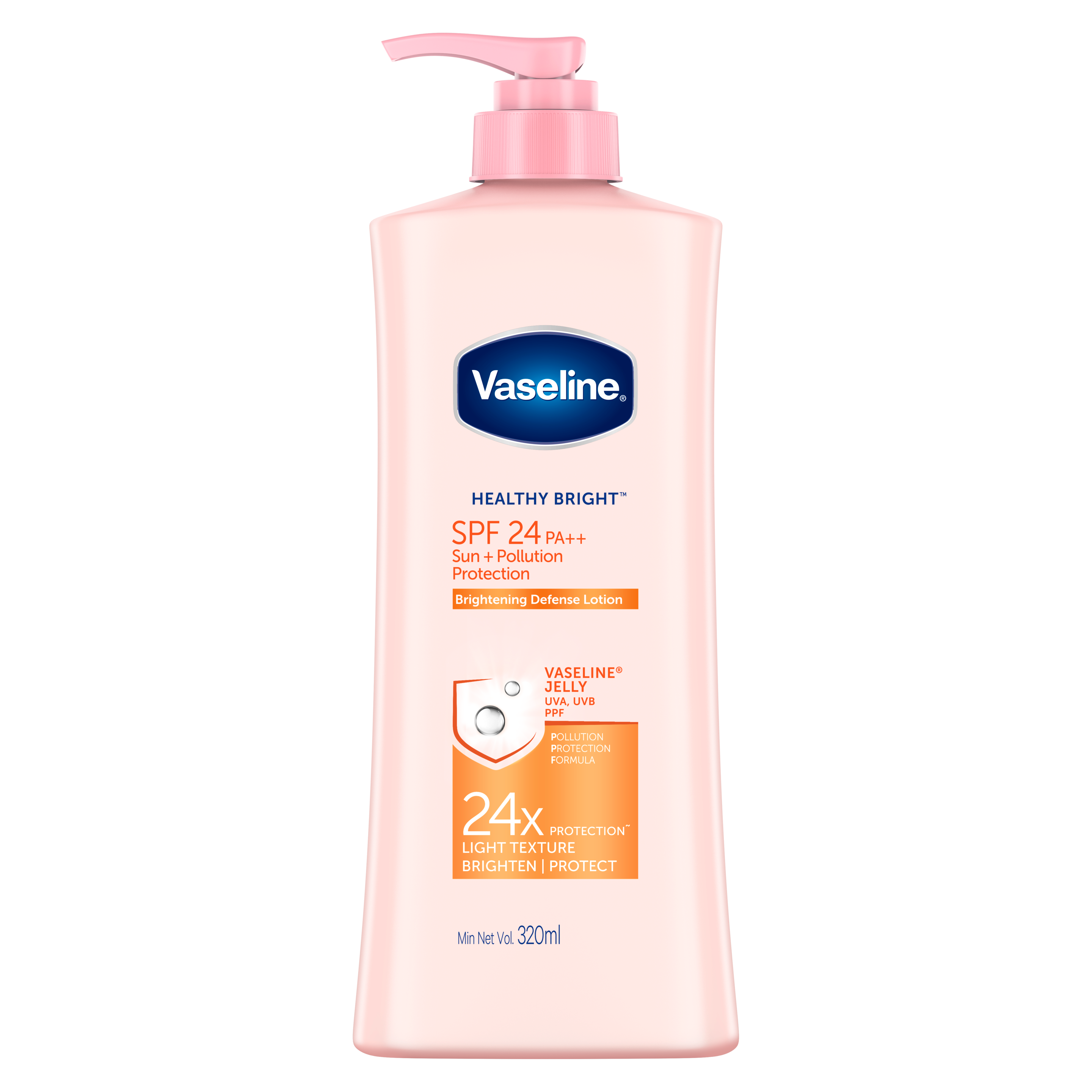
For the body, use Vaseline Healthy Bright SPF24 PA++ Sun + Pollution Protection Body Lotion to protect against UV damage. ICYDK, PA is short for Protection Grade of UVA, and the plus signs indicate the level of defense. This labeling system is mostly used in Asia.
How to Pick Your SPF

Sunblock or sunscreen? When choosing your sun protection, consider your skin type and needs. Certain sunscreens for the face have chemicals that can irritate sensitive skin. These can also have occlusive ingredients that can trap sweat and oil in your pores. To avoid triggering breakouts, read this guide on choosing face SPF for oily skin. On the other hand, as mentioned above, sunblock does leave a white cast that can mess with your skin color and makeup.
It all comes down to your skin’s needs and how a product makes you feel. Ultimately, your chosen SPF must shield your skin from UV rays. If your product accomplishes this, you’ve made the right decision. As a rule of thumb, it should have at least SPF 30, which blocks 97% of ultraviolet rays, according to the American Academy of Dermatology. Note that you also need to reapply both types throughout the day.
As the popular beauty adage goes, the best sun protection is the one you like to use. You are the winner in the sunscreen vs. sunblock debate, regardless of which one you choose.