Tips and Inspiration
From Unilever Beauty Experts

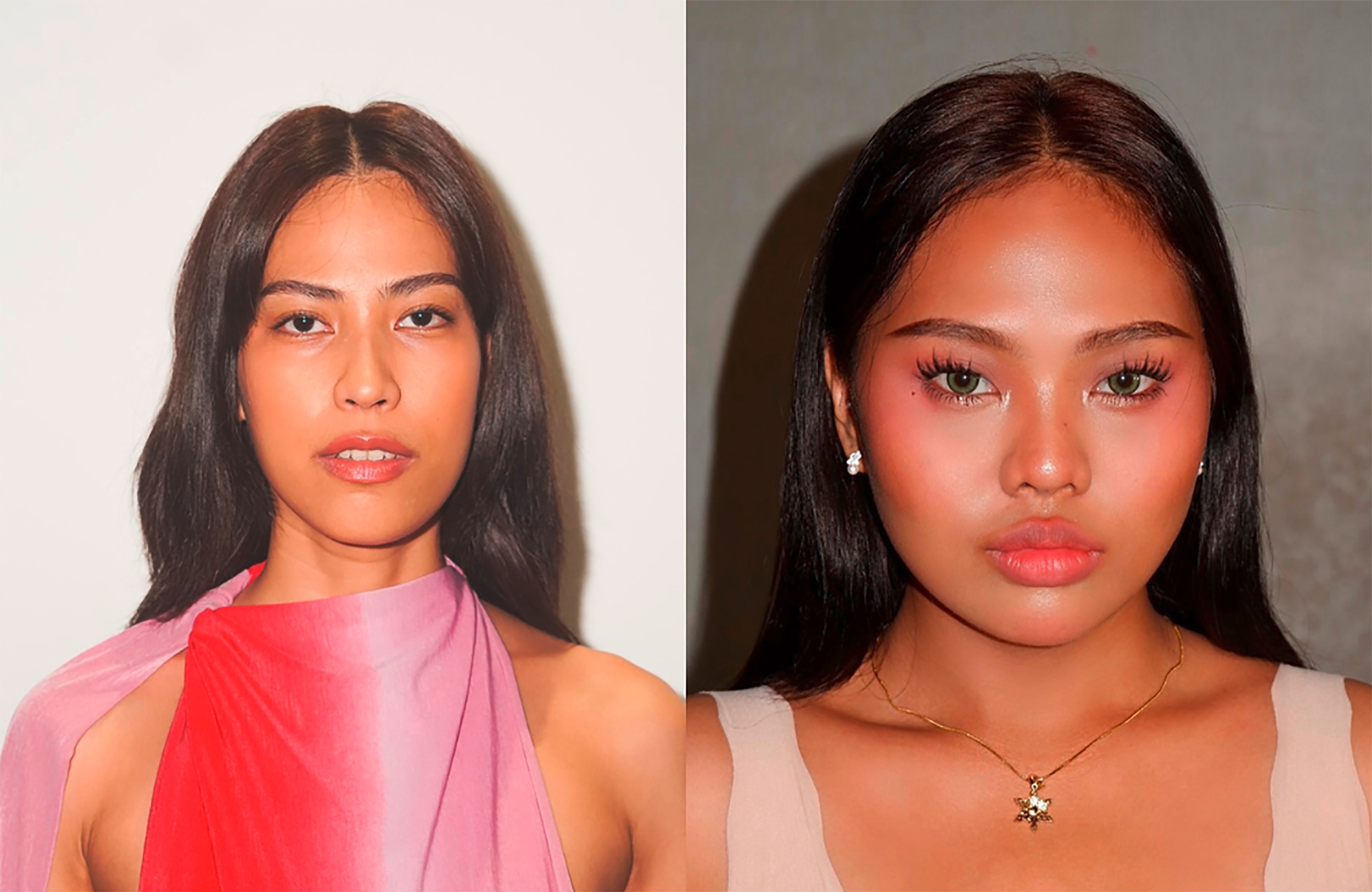
Color correctors are products you never knew you needed until you saw a makeup guru use them. Suddenly, you're on the hunt for pastel hues of green, pink, and purple to hide those signs of hyperpigmentation on your face. But if you have morena skin, finding the perfect match for your complexion may take some trial and error.
The whole point of color correcting is to neutralize spots, not block them completely. If you use the wrong shade, you might end up emphasizing problem areas. To save you from disappointment, beauty influencer Joana Marquez shares her tips on choosing morena-friendly color correctors and applying them like a pro.
Types of Color Correctors
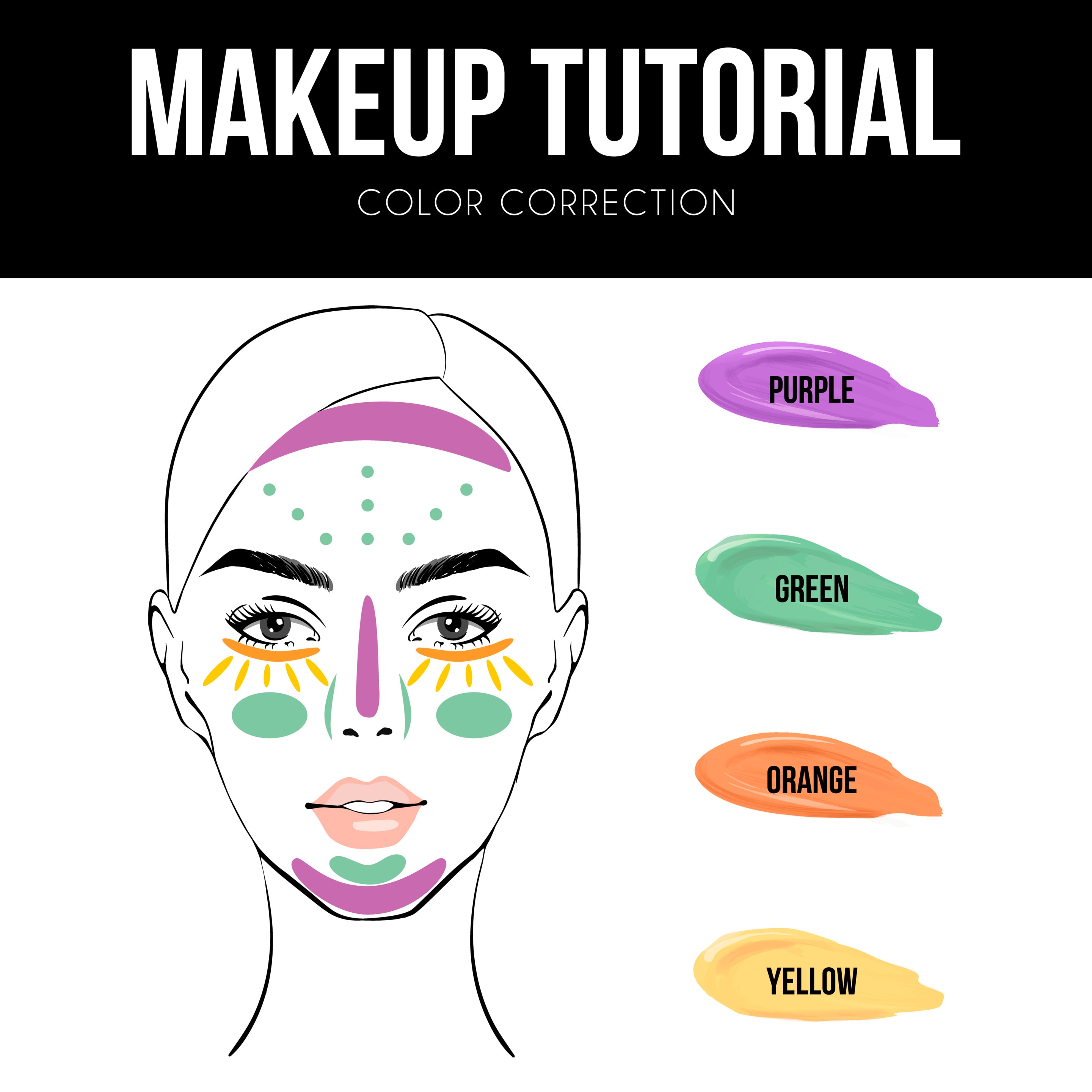
Color correctors come in various shades, each designed to address specific issues. You need to understand color theory to use them effectively. No need to worry, though – here’s a simplified breakdown of the three most recommended color categories for morena skin.
1. Conceal redness using a green color corrector.
2. Highlight key areas of your face with a yellow color corrector.
Yellow correctors are perfect for brightening dullness and softening redness on olive and warm undertones. If you have a warm undertone like Nadine Lustre, apply it on your under-eyes or any areas that appear sallow. You can also use it to warm up any foundation that’s overly cool for your morena skin tone.
3. Camouflage dark circles with an orange-based color corrector.
If you’ve been searching high and low for a color corrector for eye bags, any shade in the orange family is your best bet. “Peach and orange tones are most suitable for morena skin while red color correctors complement those with darker skin,” explains Joana.
If your morena skin leans cool like model Anna Buquid (with pink or blue undertones) these hues counteract blue and gray pigments, helping conceal shadows under the eyes and hyperpigmentation. Other Filipino beauty influencers, like Nate Javier also uses a peach corrector to brighten under-eye darkness before foundation.
Layering Different Shades of Color Correctors
Morena skin tone varies widely. The corrector you use also has to match your tone, otherwise, the product will show through your foundation.
Salmon-colored correctors work better for those with light caramel skin, whereas orange or red correctors suit darker complexion. “Experiment first with the products you already have. Mix your regular concealer with red lipstick, adjust the tone, and find the perfect match of color corrector based on your little concoction,” reveals Joana.
Green color correctors can be a little bit tricky to use, especially if you have slightly tanner skin. Since the shade is very cool, it can make your complexion look ashy. A workaround is layering a peach-colored corrector over it. This step warms up the area and helps blend the green into your skin tone more naturally.
As for yellow color correctors, well, they’re very unfussy. Yellow is incredibly versatile and works well on all skin colors with a warm undertone.
When to Use Color Correctors
Color correctors should be the first product you apply after your skincare routine. For a seamless application, make sure your face is prepped.
Start with a cleanser to remove impurities and excess sebum, followed by a hydrating toner or a lightweight moisturizer, and, finally, protect the skin with POND'S UV Bright Sunscreen. It has SPF50 PA++++ and gluta-niacinamide that helps fade dark spots. If you have dry skin, try POND'S UV Hydrate Sunscreen, which has hyaluron for an extra boost of moisture.
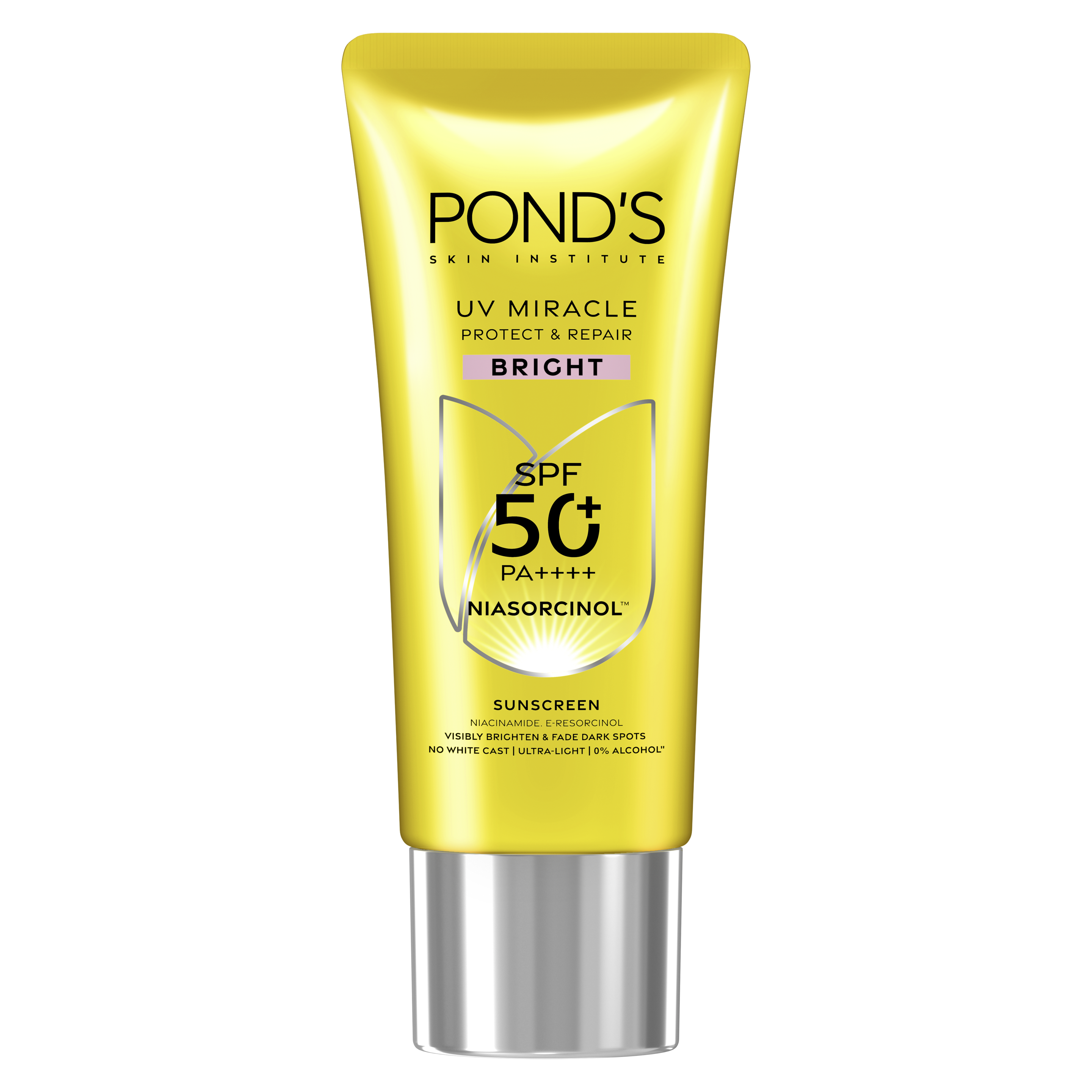
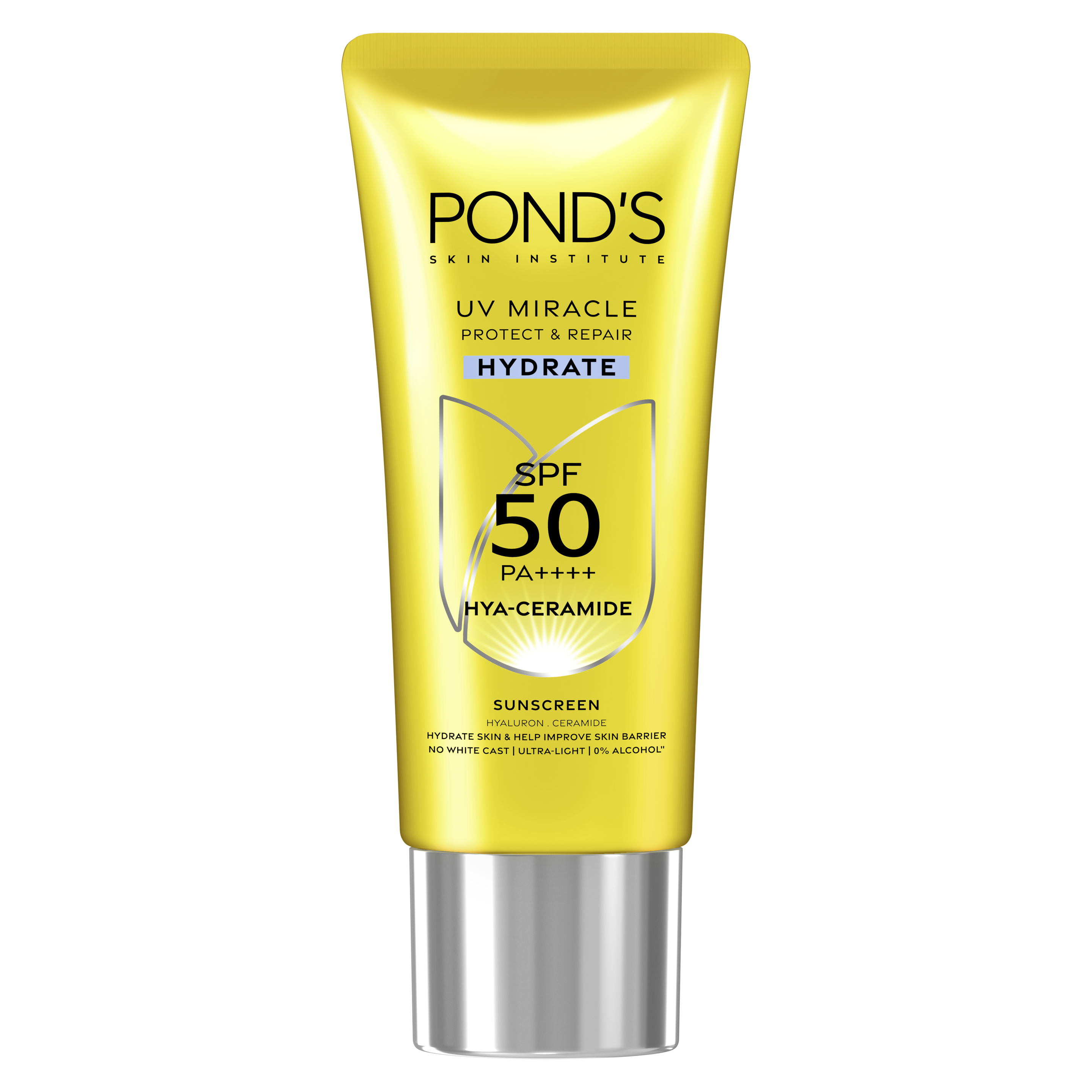
After prepping your skin, apply your chosen color correctors where you have discoloration. A little product goes a long way. Next, apply foundation and concealer as needed. Blend everything by tapping gently with a sponge or a stippling brush to not lift the color correctors underneath.
Color correctors are game-changers for morena gals who want that my-skin-but-better finish. They help neutralize hyperpigmentation and other imperfections without the need for too much foundation or concealer. That said, you don’t have to buy all three color categories. Just pick the shades that can address your problem areas.