Tips and Inspiration
From Unilever Beauty Experts

- Itchy Rash after Childbirth? Here’s What You Need to Know.
- Skin Rash After Childbirth: How Long Before It Fades?
- Remedies and Relief: How to Deal with a Postpartum Rash
- 1. Apply a cool compress or wet wrap.
- 2. Take a colloidal oatmeal soak or a lukewarm bath.
- 3. Choose gentle, hypoallergenic cleansers.
- 4. Practice relaxation techniques and get some sleep whenever you can.
- 5. Wear loose, breathable clothing.
- 6. Check the ingredients of your skincare products.
- 7. Ask your doctor before using any form of cream or ointment.
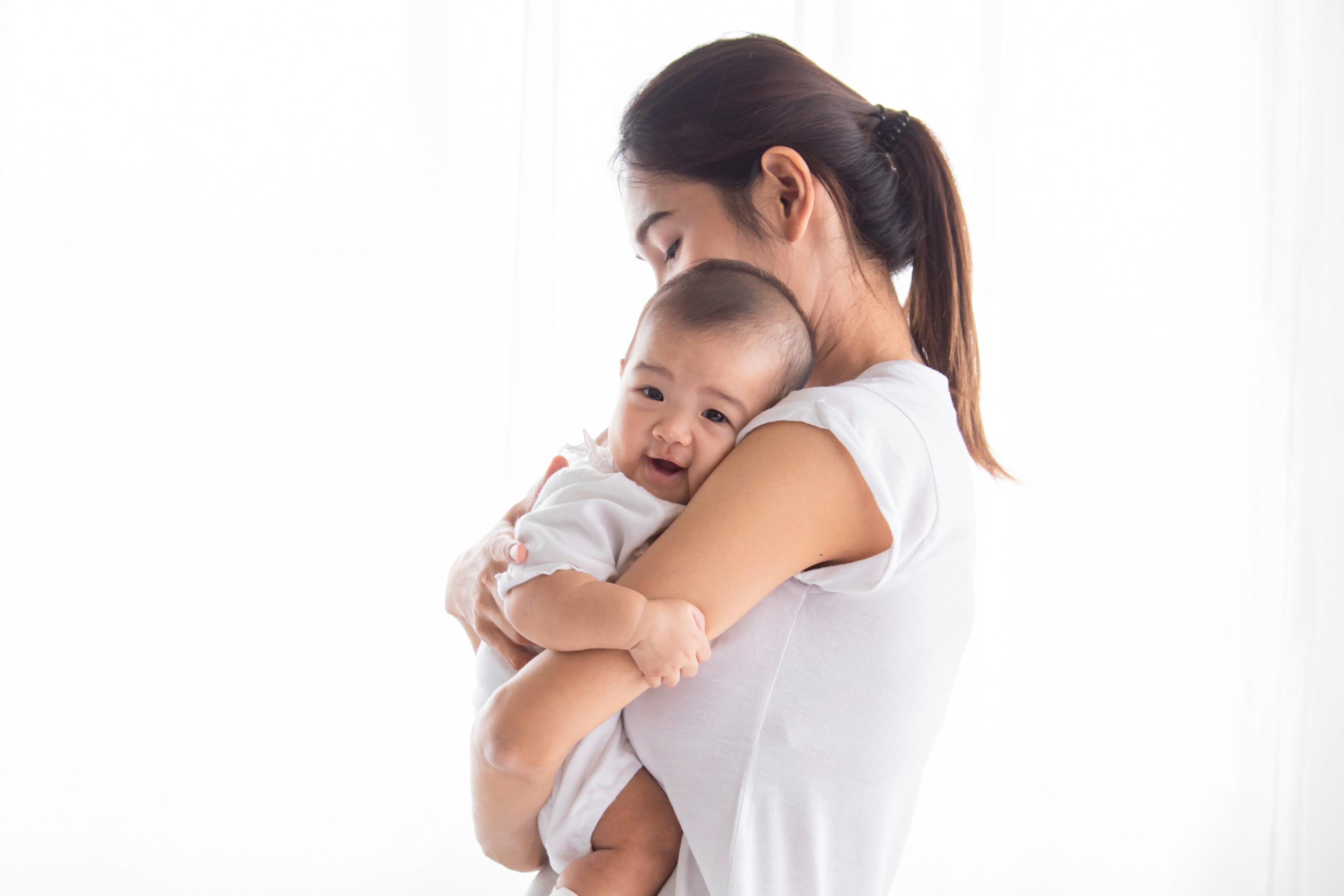
You’ve read the parenting books, signed up for every prenatal class, and leaned on your circle of mommy friends for advice – but there’s one postpartum surprise no one warned you about: getting a rash after childbirth.
After your baby is born, you experience hormonal changes, stress, and skin sensitivity, which can all increase the chances of developing an itchy rash. And yes, it can be uncomfortable, and frankly, one more thing to juggle when you’re already running on little sleep.
Rashes are usually temporary, but that doesn’t make them any less annoying. Read on to learn what postpartum rashes are, what causes them, and effective remedies you can try to address them.
Itchy Rash after Childbirth? Here’s What You Need to Know.
A common rash that develops after childbirth is known as postpartum hives. These appear as red, itchy bumps on the skin, can show up anywhere on your body, and are often triggered by allergies, infections, hormonal shifts, toxins, or stress.
During pregnancy and the postpartum period, your body is extra sensitive. Hormones are fluctuating, your immune system is adjusting, and even your liver may process substances differently – making your skin more prone to irritation and reactions.
Skin Rash After Childbirth: How Long Before It Fades?
Thankfully, it’s temporary, won’t affect your baby’s health, and isn’t contagious. How long it lasts depends on the underlying cause. For most moms, it lasts a few days to a couple of weeks, but for some, it could last from four to six weeks.
Rashes from hormonal changes often fade as your hormones settle, while those caused by allergies usually disappear once the trigger is gone. If hives last more than a couple of weeks, they could be related to a liver imbalance, so it’s worth checking in with your doctor. In any case, postpartum hives are temporary and usually clear up on their own.
Remedies and Relief: How to Deal with a Postpartum Rash
For the most part, home remedies should address mild irritation and help your skin recover without causing further discomfort. Below are tips on how to soothe your skin if you do end up with a rash after childbirth.
1. Apply a cool compress or wet wrap.
Place a clean, cool cloth on itchy or inflamed skin for 10 to 20 minutes at a time. This helps reduce redness, soothes irritation, and can relieve the uncomfortable tingling or burning sensation that sometimes comes with postpartum rashes. It also helps prevent you from scratching, which can slow healing or make the rash worse. Apply as needed for relief.
2. Take a colloidal oatmeal soak or a lukewarm bath.
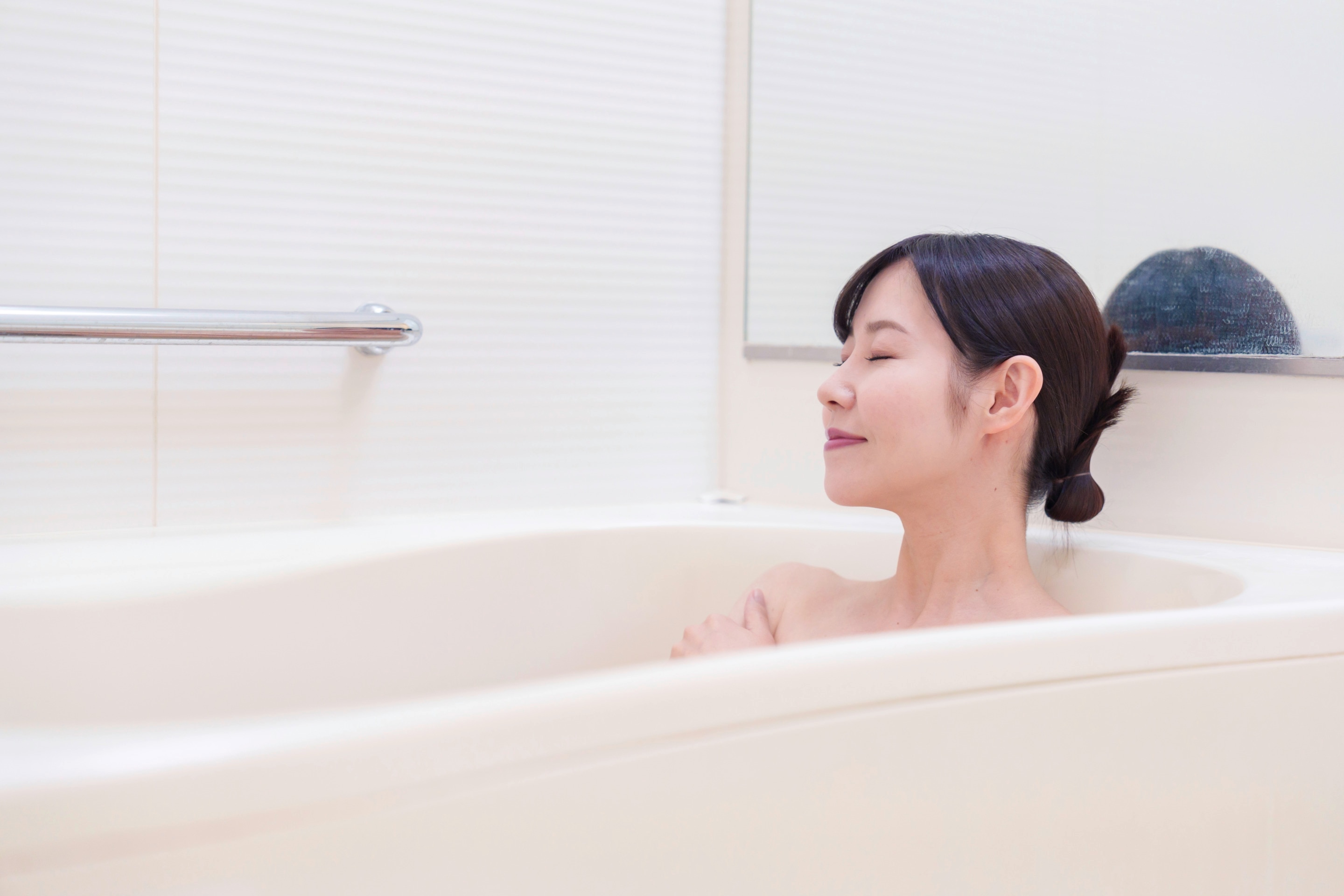
Colloidal oatmeal has natural anti-inflammatory properties that help soothe irritated skin while acting as an emollient to lock in moisture and protect your skin’s barrier.
Soaking in a gentle oatmeal bath or a lukewarm bath can calm inflammation, hydrate your skin, and relieve itching. You can DIY colloidal oatmeal by blending raw oats into a fine powder and adding it to your bathwater.
3. Choose gentle, hypoallergenic cleansers.
If you develop a skin rash after childbirth, it’s always best to seek the advice of your doctor. With guidance from your doctor, gentle care is key. Fragrance-free, sulfate-free, and hypoallergenic cleansers can help clean the skin without irritation.
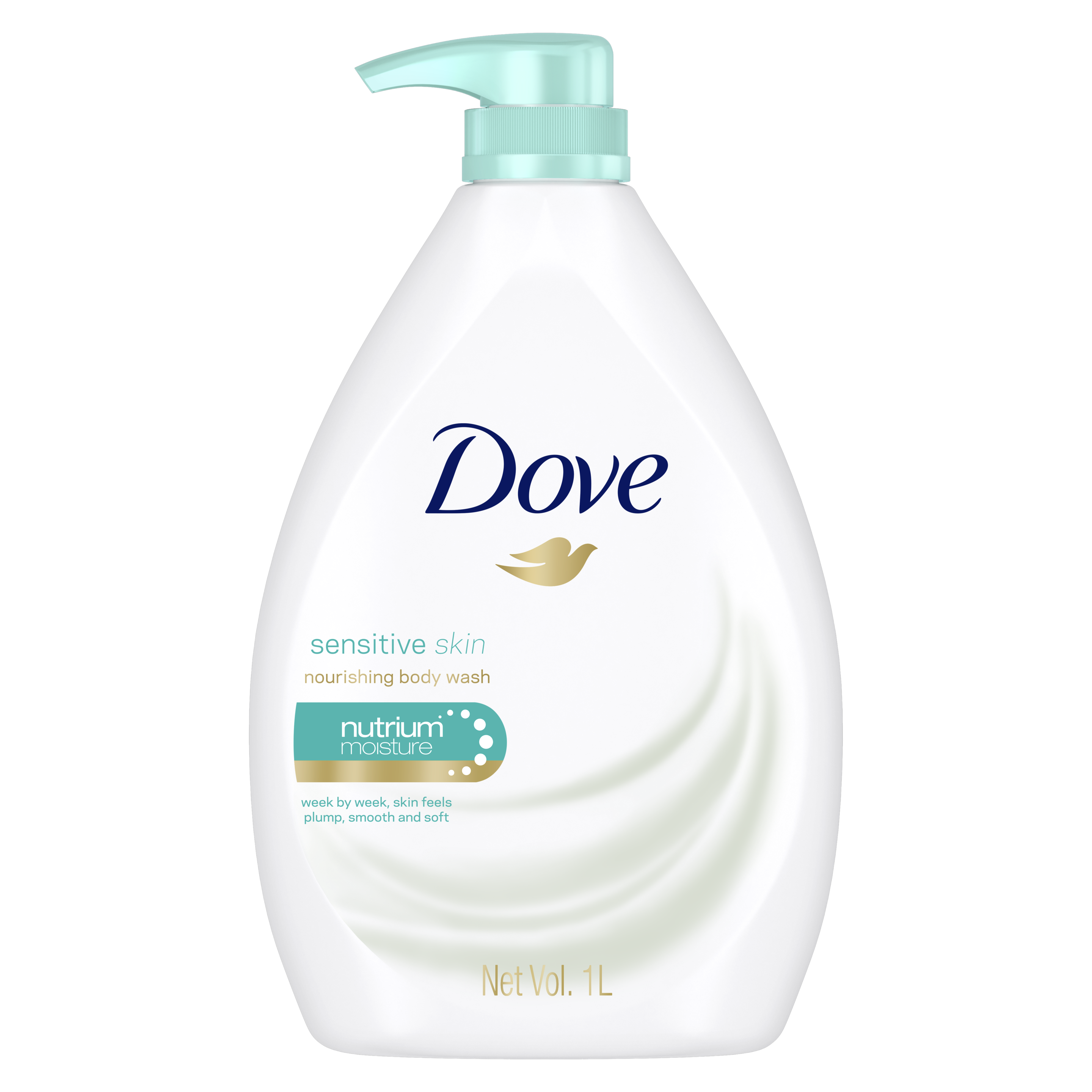
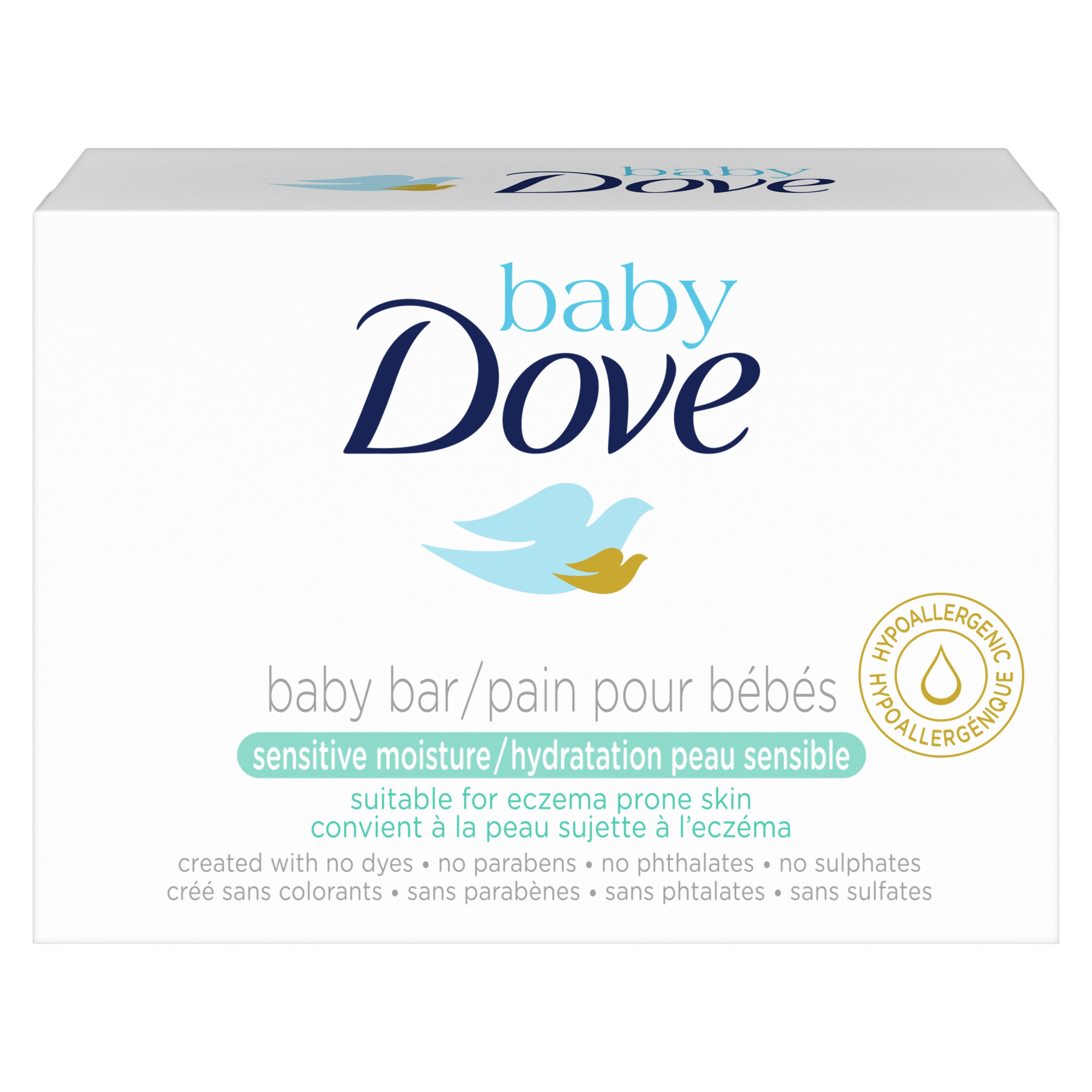
Dove Sensitive Skin Body Wash ticks all the boxes. Plus, it’s formulated to be gentle on your skin’s microbiome, helping to strengthen and protect your natural barrier while soothing your skin. You can also share Baby Dove Sensitive Moisture Bar with your newborn. It’s a deeply moisturizing bar that minimizes the risk of allergies that could trigger postpartum hives. Note that even if a product is labeled as irritant-free, it’s best to err on the side of caution and do a patch test before using it on your baby.
4. Practice relaxation techniques and get some sleep whenever you can.

Stress and fatigue can sometimes make postpartum rashes worse, so taking time to relax can help your skin heal. Try deep breathing exercises or meditation to calm your mind and body. And although this might feel nearly impossible with a newborn, prioritize sleep. Take naps when you can and aim for as much rest as possible. Better sleep supports both your physical and mental health, which in turn can help your skin recover more quickly.
5. Wear loose, breathable clothing.
Tight fabrics can trap heat, cause sweating, and create friction – all of which can lead to flare-ups and discomfort. Wearing loose clothing in breathable fabrics allows air to circulate, keeping your skin cool and dry. Soft materials, like 100% cotton, are gentle on sensitive skin and help prevent further irritation.
6. Check the ingredients of your skincare products.
What are the top-rated rash creams for sensitive skin after childbirth? Treating a rash before your pregnancy isn’t the same as treating a rash after childbirth. Postpartum skin tends to be more sensitive, and your products should also be safe for your baby. It’s important to read the labels of your creams, lotions, and body washes. The best rash creams are formulated to be gentle, hypoallergenic, and fragrance-free. Regardless, it’s still advisable to perform a patch test first, or better yet, get clearance from the doctor.
7. Ask your doctor before using any form of cream or ointment.
A common question that moms dealing with a rash after childbirth ask is: “Can I use medicated ointments that are safe for breastfeeding to treat a postpartum rash?” While many mild, hypoallergenic creams are generally safe, it’s always best to check with your doctor first. They can recommend products that are safe for both you and your baby, help you avoid ingredients that might irritate your skin, and ensure your rash is treated effectively.
If your postpartum hives have gone on for four weeks or longer, or you develop more severe symptoms, visit your healthcare provider immediately.
Getting a rash after childbirth is the last thing a new mom needs. Hopefully, following these simple home remedies – from applying a cold compress to wearing loose clothes to using a hypoallergenic body wash – can offer some relief and allow you to enjoy your first weeks with baby in comfort.