Tips and Inspiration
From Unilever Beauty Experts
;Resize=(486,122))

Worried about the hyperpigmentation on your buttocks? ICYDK, hyperpigmentation is a skin condition that produces dark spots or patches on your skin. This happens when the skin cells produce too much melanin – the substance that gives our skin, eyes, and hair their color – due to damage or poor health.
Many factors can cause hyperpigmentation, from your hormones to friction to the fact that you’re a proud morena. There’s no harm in it, but if you want to know more about the discoloration on your body, especially your derriere, then read on.
What Causes Hyperpigmentation on Your Buttocks?

Sun exposure, hormonal changes, and inflammation can all lead to hyperpigmentation on your buttocks. You can also develop it if you wear underwear or clothing that's too tight, causing friction against the skin. Here are some of the most common types and causes.
Melasma causes your skin to produce more melanin.
Sometimes referred to as the “mask of pregnancy,” melasma often manifests in expectant mothers. Estrogen and progesterone spike when you’re pregnant, which will produce more melanin than usual. The same thing can happen, too, when you take birth control pills.
Sun exposure can lead to spots on your behind.
Too much UV exposure can lead to sunspots on the skin. They’re flat, brown spots that typically form on parts of your body that are always exposed to sunlight. So, if you like frolicking on the beach with your buns out, then you may experience discoloration in that area.
Friction can make your butt darker.
Constant pressure can also cause your skin to darken. Common culprits are from tight clothing or when the skin rubs against itself. Prolonged seating, such as in long-distance driving, may be another reason. If you’re working an office job that requires you to be at your desk for long hours, stay active and stand or walk from time to time.
Post-inflammatory hyperpigmentation can cause discoloration.
Our skin reacts to irritation or trauma by creating more melanin than needed. The result? Pesky dark spots and discoloration that can appear as tan, brown, or blue-gray patches. Causes of post-inflammatory hyperpigmentation (PIH) include acne, eczema, bug bites, burns, rashes, and allergic reactions, among others.
Butt acne will result in bumps on your bum.
Butt acne is the likeliest reason behind the hyperpigmentation on your buttocks. It's technically not acne but a condition called folliculitis, which occurs when hair follicles are infected or inflamed by bacteria or fungus. It can appear as little white-headed pimples around the hair follicle or as small red bumps.
Folliculitis resembles an acne breakout and can also be caused by touching or rubbing your skin, wearing overly tight clothing, frequent sweating, or shaving. Another factor is eating too much sugar. A 2018 study published in the Journal of Pediatrics found that consuming sugary drinks more than seven times a week increases the risk of developing acne.
How Do You Manage Hyperpigmentation on Your Buttocks?

Dark spots on your buttocks are harmless and rarely need treatment, but if it’s something that concerns you, then you can start by maintaining proper hygiene. Cosmetic treatments are also available; just make sure to consult a trusted dermatologist. To learn more treatments for butt hyperpigmentation, scroll below.
Wear loose fabrics.
Tight clothes trap moisture in that area, along with dirt, sweat, dead skin cells, and bacteria. You can avoid this situation by wearing breathable and moisture-wicking fabrics. After all, perspiration – while not terrible – can lead to various skin issues.
Change and wash your clothes.
Sweaty, warm skin creates an ideal environment for bacteria; hence, you should always wash up and change into fresh clothes after exercise. The same rule applies after swimming at the pool or beach. Never let your swimsuit dry up on your body, as the skin-tight material fosters a damp environment that allows fungi to thrive.
Always apply sunscreen.
Prevent your dark spots from getting worse or developing new ones with sunscreen that’s at least SPF 30 or higher. Apply it every two hours, especially if you love tanning under the sun.
Use gentle exfoliators.
Regular exfoliation lightens dark spots and renews skin. When you notice mild signs of skin irritation, such as rough patches or bumps, gently exfoliate the area to help reveal fresh skin without causing a reaction.
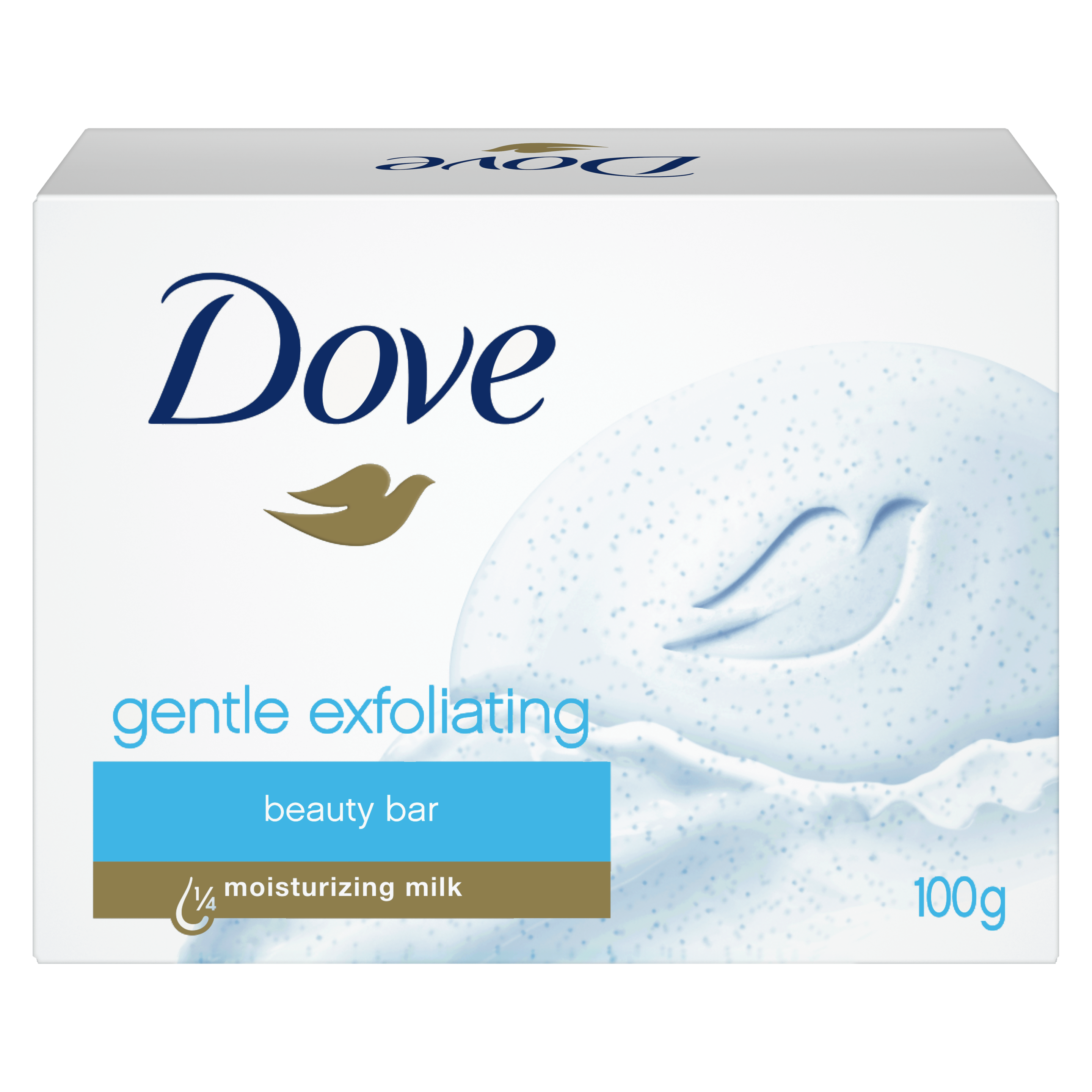
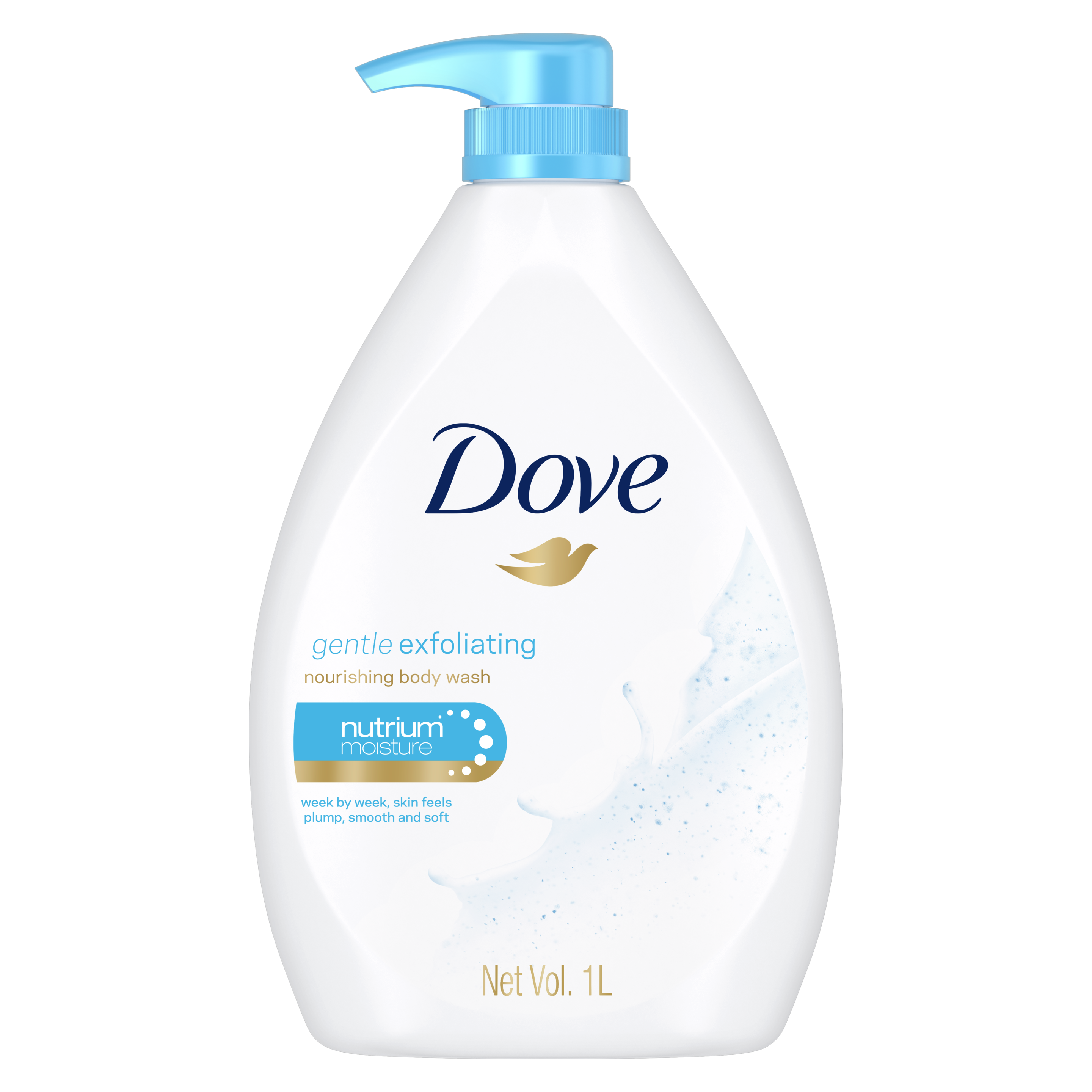
Try Dove Beauty Bar Gentle Exfoliating. It washes away dirt and dead skin cells, leaving your skin feeling soothed and renewed. You can also use Dove Gentle Exfoliating Body Wash if you prefer the silky feel of body wash.
Get a cosmetic procedure.
When all else fails, consult a dermatologist for the best treatment to get based on your condition. Chemical peels work well for sun damage, melasma, and age spots, while laser treatments target deeper pigmentation and can deliver longer-lasting results.
Is it Normal to Have a Dark Butt Crack?
The folds in friction-prone areas of your skin, like the buttocks, have a higher concentration of melanocytes – the cells responsible for producing melanin. Meaning, you don’t need to worry about a dark butt crack, since it’s a biologically common trait.
The Bottom Line
Hyperpigmentation on your buttocks may be caused by various factors, but can ultimately be lessened or controlled with good hygiene, a consistent skincare routine, or cosmetic treatments. At the end of the day, those dark shades are nothing to sweat about. Discoloration is a natural part of your body, and it’s completely fine if you decide to embrace it instead.