Tips and Inspiration
From Unilever Beauty Experts
;Resize=(486,122))

When you’re parenting a newborn, you might find yourself constantly worrying about your baby. Are they sleeping enough? Feeding enough? Babbling enough? Even the smallest signs of baby skin irritation can cause concern. After all, red spots can appear suddenly and out of nowhere – a patch of crimson here, a few bumps there. But with gentle routines and the right skin irritation remedies, you can help minimize these flare-ups.
Read on to learn about various skin irritation causes and practical tips on what you can do to soothe your mini.
Why Baby Skin Is So Sensitive (and What You Can Do About It)
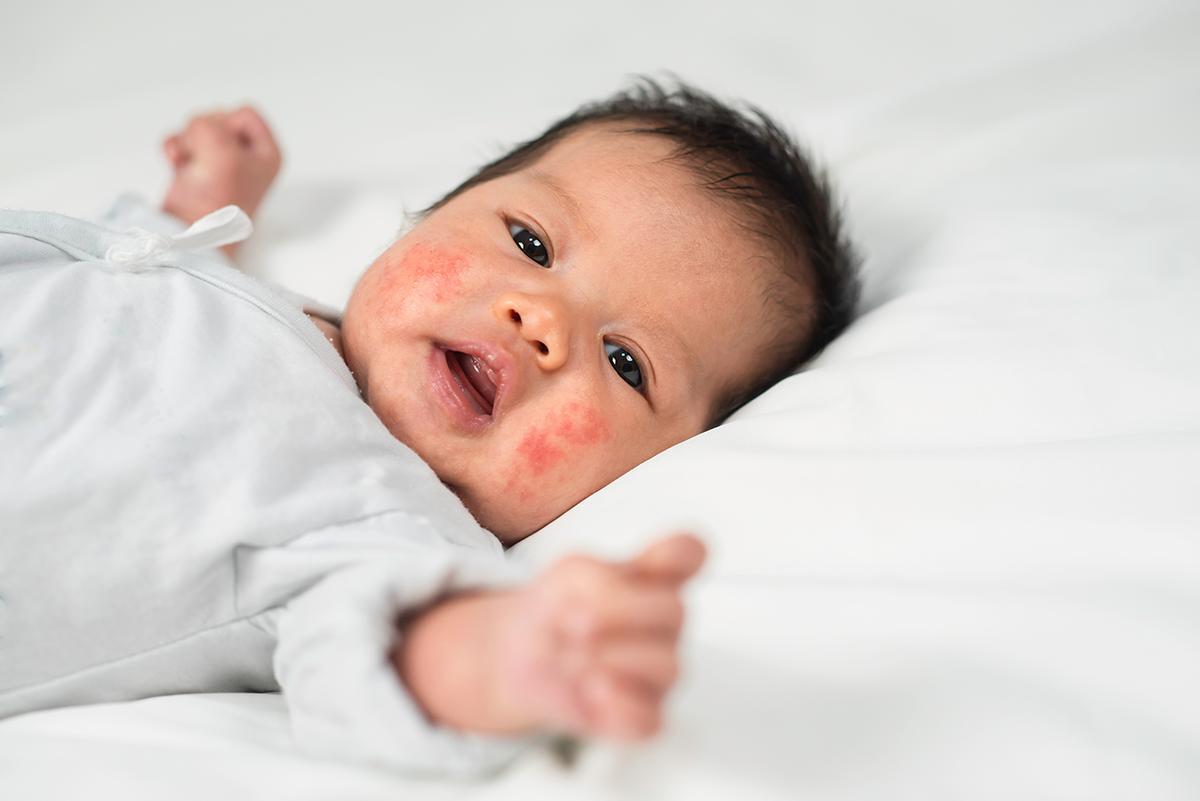
Baby skin is thinner and more delicate than adult skin. Its protective barrier function and skin microbiome are still developing, which makes it vulnerable to external irritants. So, don't be surprised when you see a bit of baby skin irritation at some point.
Common skin conditions in babies include diaper rash, heat rash (bungang araw), baby acne, cradle cap (baby seborrheic dermatitis), and baby eczema. External factors like heat, friction, and harsh products can also trigger baby skin irritation.
It’s important to take these signs of irritation seriously. Play it safe and consult a physician first for expert medical advice. While you wait for your doctor’s appointment, here’s how you can manage and soothe your baby’s skin at home:
Step 1: Cleanse gently with a hypoallergenic wash.
Maintaining cleanliness is the first step to healthy skin. For your baby's everyday bath, use a mild and hypoallergenic baby wash that won’t strip the skin of its natural moisture. Mix with lukewarm water. Apply and rinse using soft strokes to avoid aggravating the skin even more.
Step 2: Moisturize with baby-safe ingredients.
After cleansing, apply a gentle moisturizer formulated specifically for sensitive skin. Look for mild, non-irritating ingredients like glycerin, ceramides, or natural oils. Regular moisturizing will help hydrate the skin, strengthen its natural barrier, and prevent irritation from coming back.
Step 3: Protect against heat, diapers, and other irritants.
Itchy diapers, tight clothing, and hot weather can all cause irritation. For maximum comfort, keep your baby’s skin dry by dressing them in breathable fabrics and changing diapers frequently. You can also apply a thin layer of protective cream in areas that are prone to friction or moisture.
Baby Skincare Tips
Most baby skin irritation is minor and eventually goes away with time. But why wait? With good habits and gentle skin care, you can prevent future flare-ups from happening at all. Here’s what you can do to maintain good skin health for your baby:
Less is more.
To avoid aggravating baby skin, don’t overload them with multiple layers of skin care products. Stay away from formulas that contain potential allergens, such as fragrances or dyes, which can trigger flare-ups.
Instead, look for gentle remedies that are made specifically for babies. To combat skin dryness, you can moisturize with a baby-friendly lotion or ointment. If it’s a rash that you’re not sure how to address, resist the urge to DIY your own solution and consult a doctor instead.
Make sure your baby is always fresh and clean.
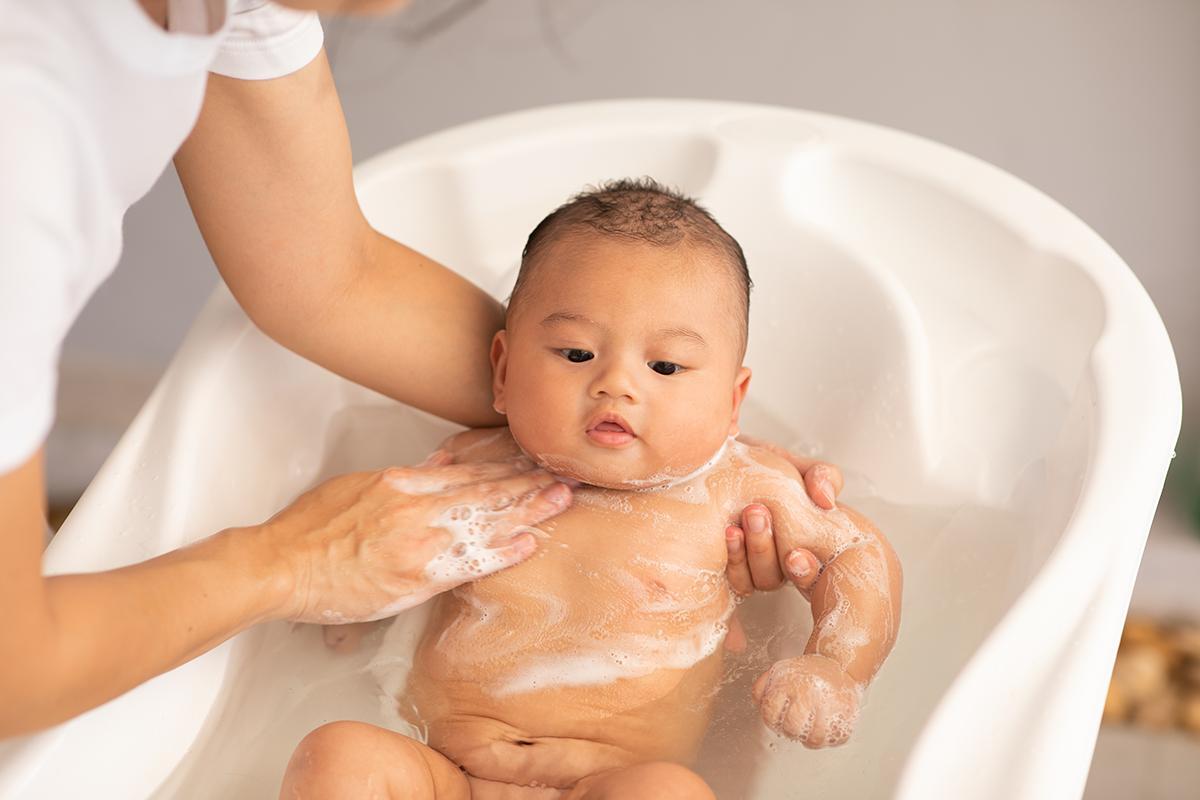
It’s never too early to practice good hygiene. Make washing up a part of your bedtime ritual together. This can help lull the baby’s senses and prep them for sleep.
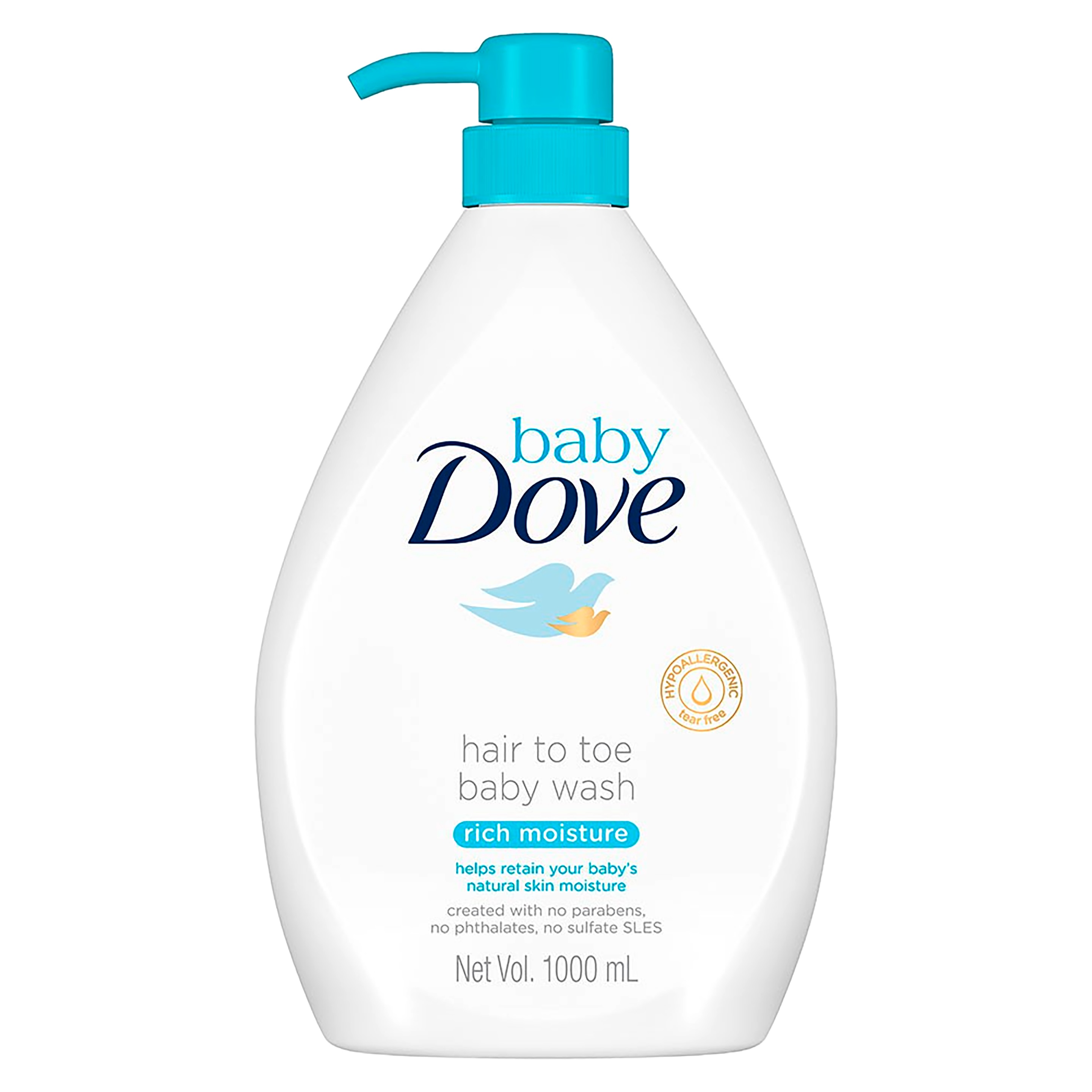
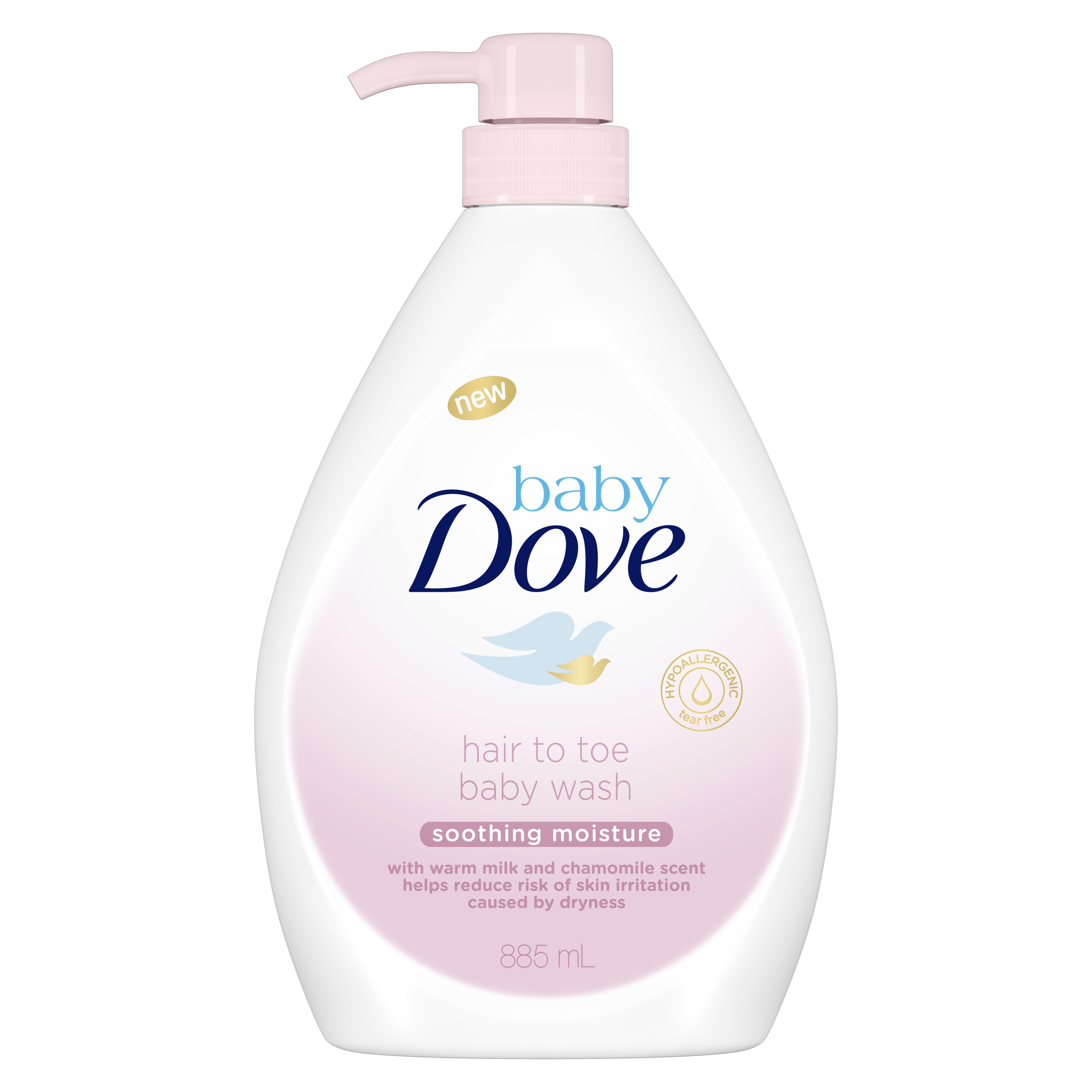
Take note, though, that many experts do not recommend daily baths for babies. However, when you live in a tropical place like the Philippines, your baby might feel more comfortable bathing every day. If so, opt for gentler products. Use Baby Dove Soothing Moisture Hair to Toe Wash or Baby Dove Hair To Toe Rich Soothing Moisture. Free from dyes, parabens, sulfates, and phthalates, they’ve been tested and approved by ophthalmologists, dermatologists, and pediatricians to make sure your baby’s body is safe and nourished.
In place of a full-on bath, you can also keep your baby feeling fresh between baths by gently wiping down their face, neck, hands, diaper area, and little skin folds with a soft, damp cloth. It’s a simple way to remove sweat and dirt without drying out their delicate skin.
Keep your baby’s skin cool and dry.

Many parents are praning that their babies may feel too cold. They try to remedy this by swaddling them or layering blankets. But if overdone, this can cause overheating and lead to sweat, itchiness, or heat rashes.
Heat stress can pose real risks to infants. To avoid it, try to maintain a comfortable middle ground. On hot days, turn on your air-conditioning to keep your baby’s space cool. Simply adjust the temperature if it gets too chilly, instead of over-bundling your baby with layers of blankets. On cooler days, turn on a fan and keep a window open to improve air circulation.
Be a diligent diaper changer.
Diaper rash can be one of the most painful skin conditions a baby can experience. If you’re using disposable diapers, change them as soon as they’re wet or soiled. When you’re at home, skip diapers and opt for breathable materials that are gentler on the skin instead, such as lampin.
As a preventative measure, apply diaper cream at night to keep your baby comfortable as they sleep.
Look out for external irritants.
Have you checked your baby’s clothes, swaddles, or bedding? Certain materials may be scratching or irritating their skin. The problem could also be your laundry detergent or your own perfume. Always read the labels, as the products you’re using may contain ingredients that are too harsh for baby skin.
How to Prevent Bungang Araw and Diaper Rash
The Philippines’ hot and humid climate can easily trigger flare-ups, including diaper rash and bungang araw. To protect your baby’s skin, make these simple habits part of your routine.
- Keep your baby’s room cool and comfortable. Humidity can make baby skin more prone to bungang araw, so keep air flowing with a fan or air conditioning on a gentle setting, especially during naps.
- Choose soft and light fabrics. Breathable fabrics like cotton let air circulate and absorb sweat better than synthetic materials. Avoid tight clothing that rubs against the skin.
- Skip heavy lotions during hot days. Thick creams can block pores and trap heat, making rashes worse. Opt for light, baby-safe moisturizers that absorb quickly while still keeping the skin hydrated.
- Apply a protective cream or barrier ointment. After every diaper change, use a thin layer of baby-safe cream to protect the skin from friction and moisture. This helps prevent diaper rash and bungang araw.
- Give your baby some diaper-free time. Letting the skin breathe helps reduce trapped moisture and allows minor irritations to heal faster. Place your baby on a clean, soft surface and let them enjoy some fresh air each day.
Quick Facts on Baby Skin Irritation
Caring for sensitive baby skin can raise a lot of questions – from how often to bathe your baby to identifying different types of rashes. Here’s what you need to know.
What are some best practices when bathing my baby?
Keep bath time quick and gentle. Use lukewarm water and a mild, hypoallergenic baby wash that won’t dry out the skin. Clean one area at a time, paying attention to the folds around the neck, arms, and legs where moisture can collect. After bathing, pat the skin dry with a soft towel and immediately apply a light baby lotion to lock in hydration.
What does a skin allergy look like on a baby?
There is no one-size-fits-all description for skin allergies, as they can come in various forms, such as contact dermatitis. However, you can spot general irritation by paying attention to any skin abnormalities that suddenly appear. Look out for redness, itchy patches, small bumps, or swelling, then consult a physician to get an official diagnosis.
What does a milk rash look like on a baby?
A milk rash, or drool rash, is a type of contact dermatitis caused by constant moisture from milk or saliva sitting on the skin. It usually appears as small red spots or patches around the mouth, chin, and cheeks. Gently clean the area and pat it dry after feeding, then apply a light layer of moisturizer to protect against irritation.
When should I see a doctor about my baby’s skin irritation?
Most mild rashes clear up with gentle home care, but some signs mean it’s time to call your pediatrician or dermatologist. If the rash spreads quickly, forms blisters, oozes, or is accompanied by fever or unusual fussiness, seek medical advice right away. Persistent or severe irritation could point to an infection or an underlying skin condition that needs professional treatment.
Dealing with baby skin irritation mostly comes down to paying attention. Notice how their skin reacts to different fabrics, products, and temperatures, and consult an expert when needed. With gentle routines and the right baby-safe solutions, you can keep your baby’s skin happy and flare-up free.