Tips and Inspiration
From Unilever Beauty Experts


In today’s chaotic world, nothing is sexier than a man who speaks well, follows through, and stands by what he says. And even more so when he doesn’t have chapped lips!
No, but seriously speaking, dry, flaky lips can be distracting and pull attention away from what you’re trying to say. Lip care may be the least of your concerns right now (a valid point, to be fair), but think of how your rough, peeling lips are draining your rizz. Check out this guide to help you prevent getting chapped lips.
What Causes Chapped Lips

If you’re wondering “why are my lips always dry,” the answer may come from habits you barely notice. More than bad lip care, chapped lips are often a result of lifestyle habits, unconscious behaviors, or other environmental factors. Here are a few:
- Dehydration due to unhealthy habits. Not drinking enough water, smoking, or frequently breathing through your mouth can contribute to moisture loss, leaving the lips feeling dry and the skin dehydrated.
- Lip-licking. You may not be aware of it, but when you lick your lips repeatedly, it can create a cycle of moisture loss as saliva evaporates quickly.
- Weather and environmental exposure. The sun, wind, cool outdoor air, and air-conditioning all contribute to stripping moisture from the lips.
- Harsh oral care products. ICYDK, certain strongly flavored or foaming oral care products may irritate the lip area in some individuals, especially those with sensitive skin or lips.
- Skincare near the mouth. Active ingredients in your skincare like retinol, salicylic acid, and benzoyl peroxide, can unintentionally dry out your lips when skincare products spread too close to the mouth.
How to Prevent Chapped Lips
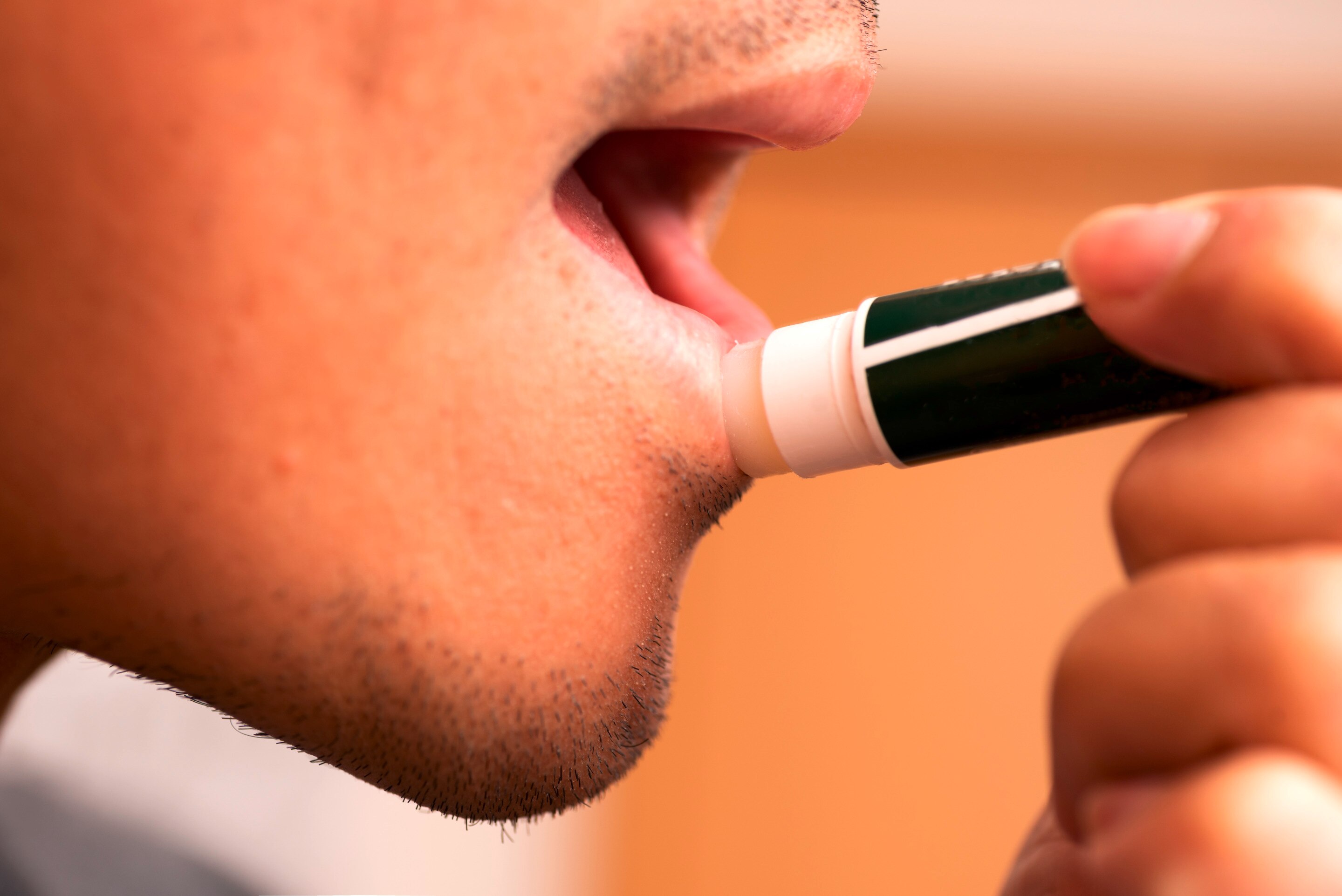
It’s easy to brush off dry, chapped lips – but you shouldn’t. When you speak, people naturally notice your mouth, so don’t make it uncomfortable to look at. Follow these tips on how to prevent chapped lips:
1. Use a lip balm.
Just think of it like your deodorant – you don’t wait for it to become a problem before you start using it, right? So, use a lip balm before your lips are parched.
Choose a lip balm with SPF and ingredients like shea butter, beeswax, or ceramides to help seal in moisture and protect the lips from dryness. Apply it after brushing your teeth in the morning, before you head out, and before bed. It’s also smart to keep one in your bag, your car, and your work desk drawer, so you can reapply as needed.
2. Check your toothpaste.
You can have a solid lip and oral care routine and still run into irritation in the area. Certain strongly flavored or highly active oral care formulations may irritate sensitive lips in some individuals, especially when toothpaste remains in the mouth area after brushing.
To avoid this, brush slowly and keep your lips gently closed but relaxed, making sure to rinse thoroughly so no toothpaste residue stays around the lip line. If your lips feel tight and dry after brushing, that may be a sign that your toothpaste, or even your brushing technique, is irritating the area.
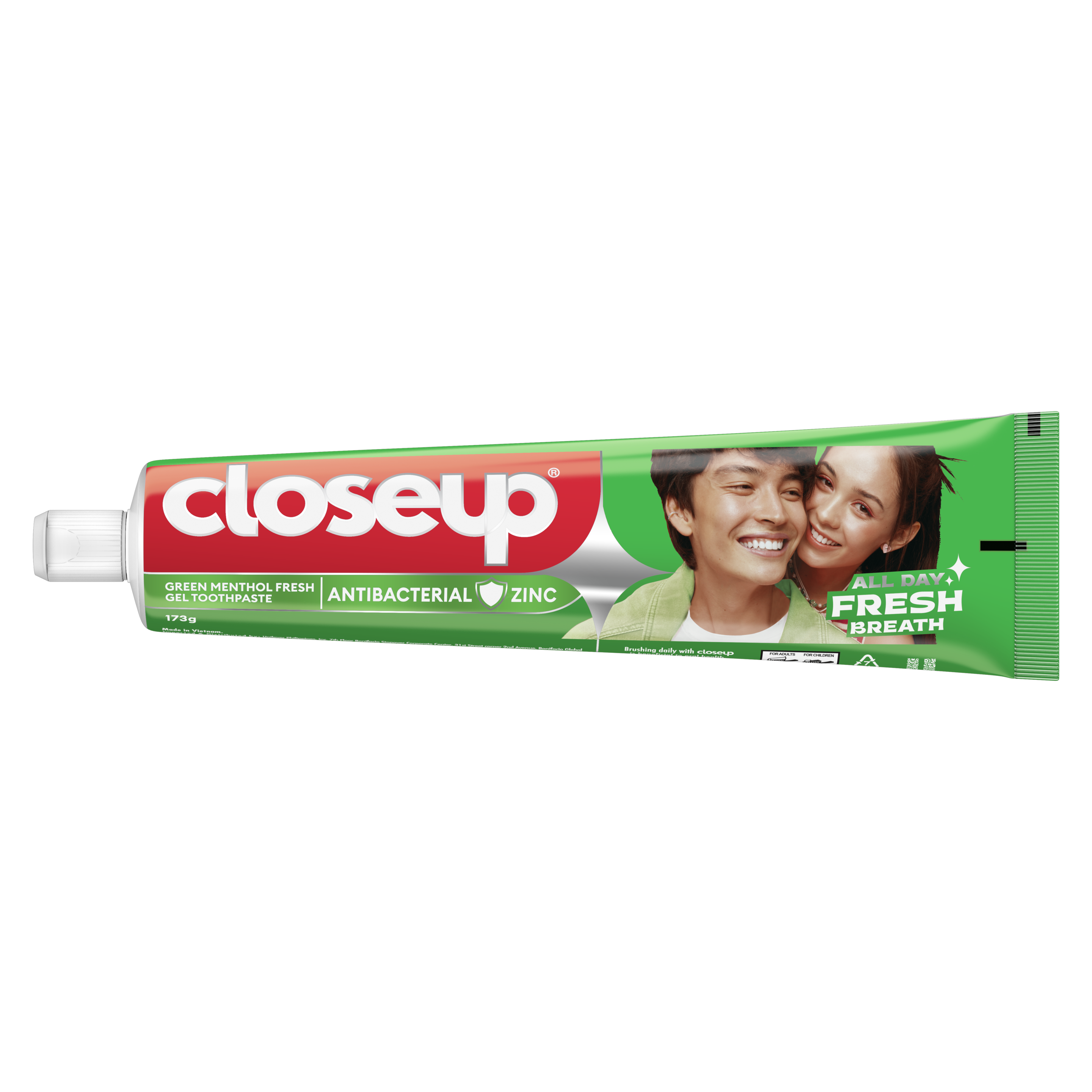
If your lips feel tight or ‘burned’ after brushing, your toothpaste might be too aggressive. You don't have to sacrifice freshness to save your lips. Try a gel formula like closeup Menthol Fresh Toothpaste. It combines the power of a paste and mouthwash in a tooth gel, giving a deep clean and long-lasting freshness when used regularly and can feel gentler around the lip area for most users.
3. Stop licking your lips.
Lip licking may be related to dryness, habit, or unconscious stress responses, and doing so only makes it drier and causes saliva to evaporate quickly. The best way to curb the habit? Keep your lips hydrated, especially in dry environments or air-conditioned spaces.
4. Avoid picking or biting your lips.
Picking or biting only damages the surface layer of your lips and slows down healing. It often leads to more flaking, more irritation, and in some cases, small cracks that take longer to recover.
5. Take hydration seriously.
If your day runs on coffee, iced drinks, or long hours without water breaks, your lips are often the first to show it. Dry lips can sometimes be linked to dehydration, especially if you’re drinking a lot of caffeinated or dehydrating beverages and not getting enough water throughout the day. Keep a bottle within reach so drinking water becomes automatic, not something you only remember to do when you’re already thirsty.
6. Be careful with your skincare.
If you’re using acne treatments or exfoliating products, make sure to avoid the mouth area during application. It’s easy for these formulas to spread slightly as you blend them in, especially around the corners of the mouth. When that happens, the lips can end up feeling dry, tight, or irritated, even if you didn’t apply anything directly to them.
7. Watch out for mouth breathing at night.
Mouth breathing while you sleep can dry out your lips because constant airflow prevents moisture from staying in place. You might notice less mouth breathing when sleeping on your side, although persistent mouth breathing may still be worth checking with a healthcare professional, especially if it happens regularly during sleep. You can also try applying a thicker layer of lip balm before bed to protect your lips overnight.
If you’ve tried everything to no avail, your chapped lips may be caused by a deeper issue. See a dentist if you think it’s related to toothpaste, brushing, or irritation around the mouth, or consult a dermatologist if it feels like a skin condition.
At the end of the day, words can take you far, but your chapped lips may stay in people’s minds forever. So, make a good impression and get to the bottom of your dry, flaky lips before it does.