Tips and Inspiration
From Unilever Beauty Experts
;Resize=(486,122))
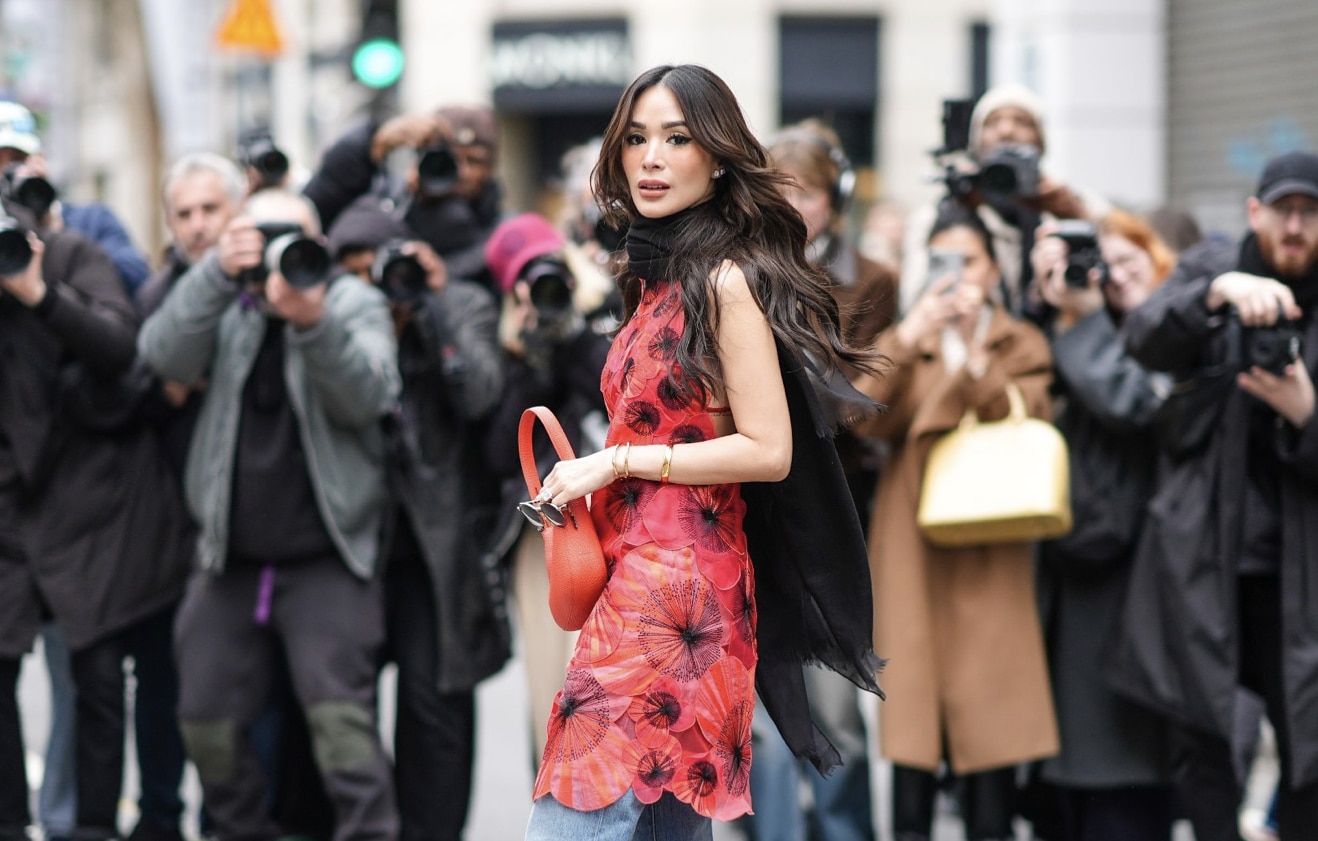
Filipino beauty standards favor fair skin, straight hair, and a tall nose bridge. Shaped by the country’s colonial past, these ideals have long defined what was seen as “beautiful.” Recently, though, there’s been a shift in how Filipinos define beauty, thanks to globalization and social media. Here, three beauty insiders share their thoughts on the factors that influence Filipino beauty standards today.
How History Shaped Philippine Beauty Ideals
In pre-colonial times, broad faces, tattooed skin, and – gasp – flat noses were considered beautiful. What’s more, beauty standards in the Philippines were defined “not only by one’s physical appearance but her character and status in society as well.”
However, when the Spaniards arrived, they brought with them Eurocentric beauty standards that would leave a lasting impact. The mestiza look – fair-skinned, sharp-nosed, and Western-looking – was believed superior, cemented by over three hundred years of colonial rule. The subsequent arrival of the Americans further reinforced those ideals.
No wonder those beauty standards persist to this day. It’s difficult to challenge a bias that's been deeply ingrained in the nation’s psyche, but it looks like change has finally arrived. Growing exposure to the rest of the world has broadened how Filipinos define beauty.
K-Beauty, Celebrity Influence, and How Social Media Plays a Role
From Korea’s soft power to celebrity power, Filipinos are now finding inspiration beyond the Maria Clara mold. And social media is driving that change – introducing the local market to ever-shifting K-beauty trends and products, as well as a diverse mix of celebrities and beauty influencers who show that there’s no single way to be beautiful.
K-Beauty and Korean Skincare
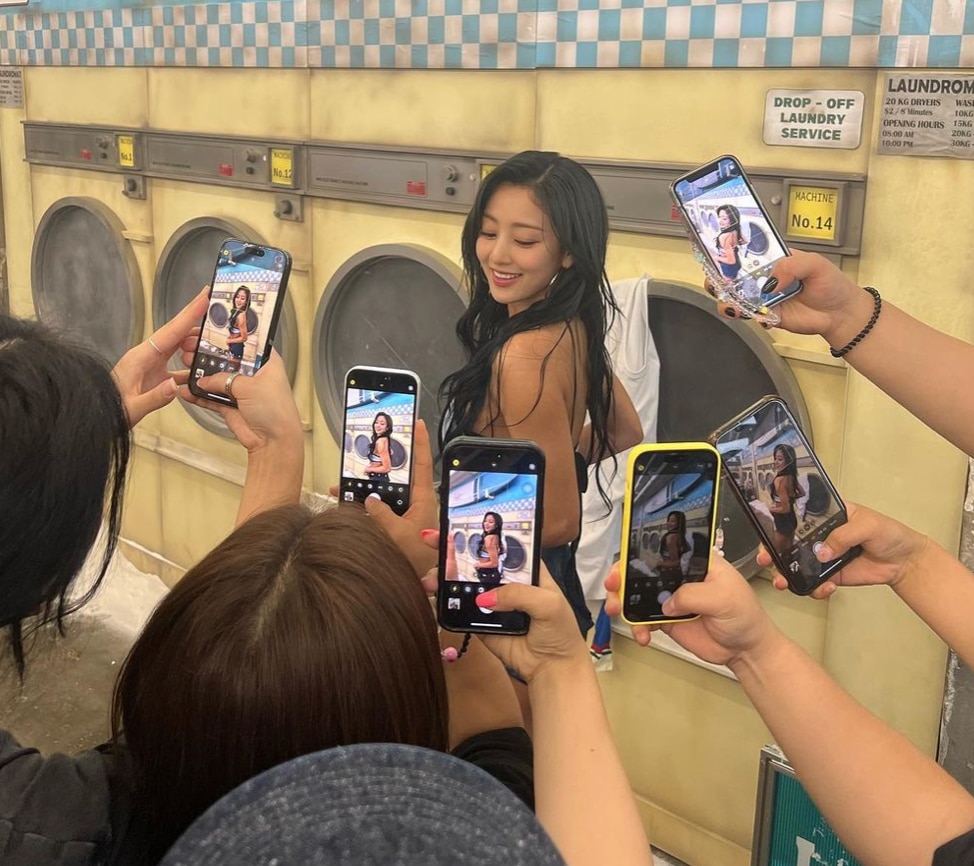
K-Pop, K-Drama, K-Beauty – there’s no question that South Korea has taken the world by storm. Judith Cantada, a marketing director in the cosmetic industry, acknowledges the huge impact Korea has had – and continues to have – on local beauty trends and standards. “There has been a noticeable shift towards prioritizing skin quality to achieve poreless, smooth, and fair skin,” Judith shares.
K-Beauty influence in the Philippines has inspired everything from your nightly 10-step skincare routine to treatments that can help you achieve the coveted V-shaped contoured face. Social media has only amplified this influence, with TikTok influencers sharing tips on how to achieve “glass skin” and no other than Kylie Jenner using a Korean PDRN serum in one of her videos.
Still, for Judith, beauty standards should extend beyond products and procedures. They only play a supporting role to authenticity and your overall well-being. “It’s still important to take that daily walk, drink that green juice, and keep a positive outlook – hard but true.”
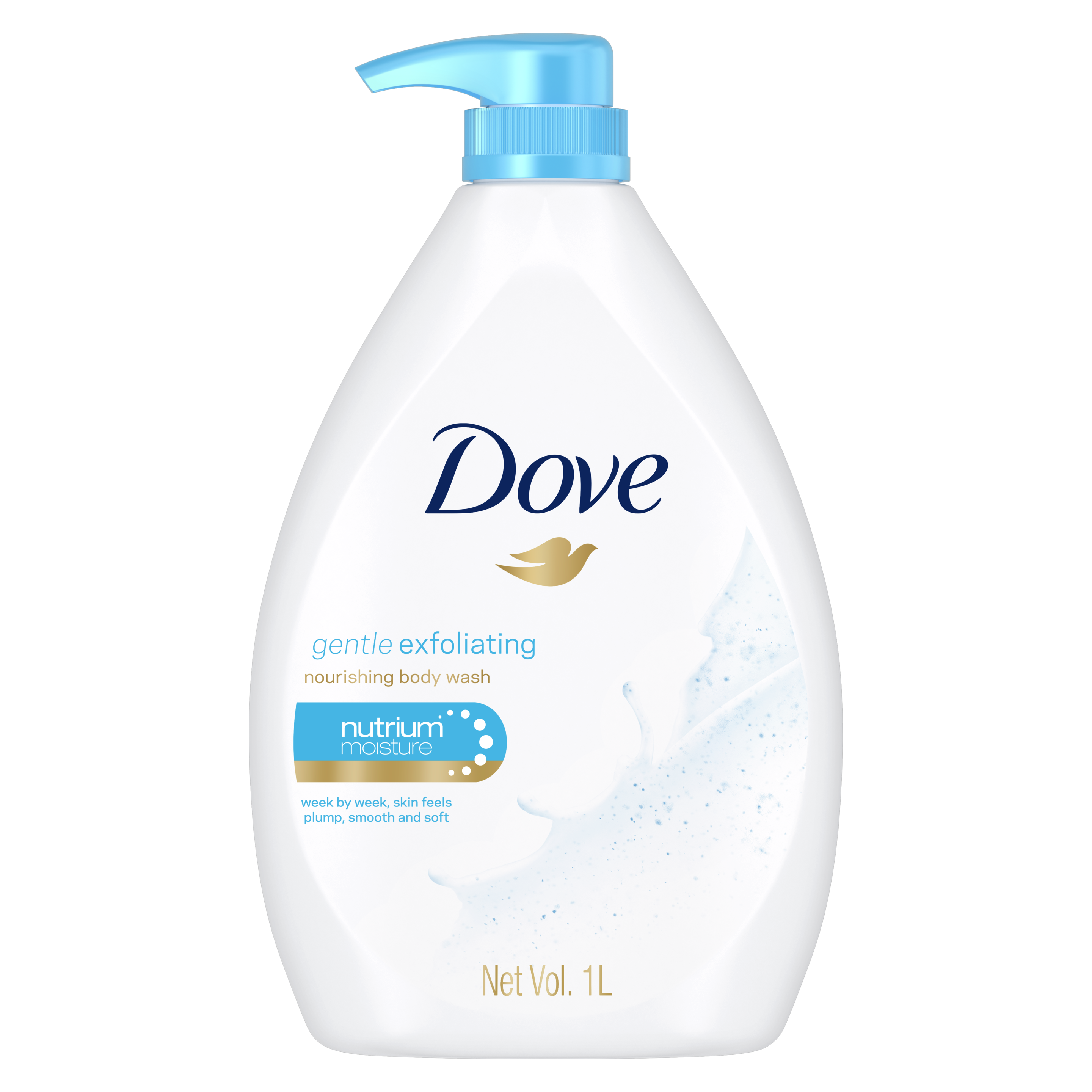
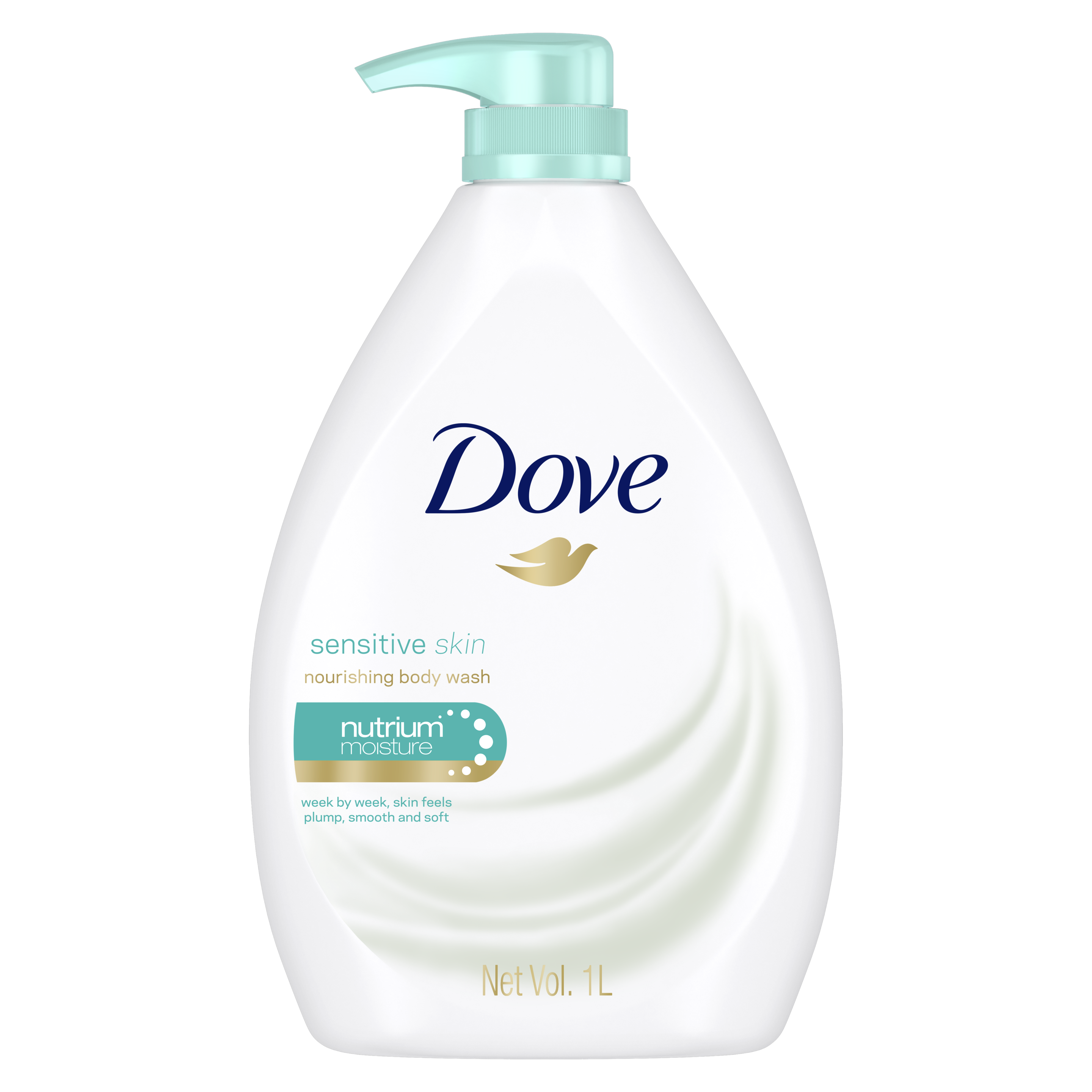
Nurture that sense of well-being with a nourishing bath or shower routine using Dove Gentle Exfoliating Body Wash. It has NutriumMoisture technology and exfoliating beads to revitalize and beautify the skin. If you have sensitive skin, use Dove Sensitive Skin Body Wash with Moisture Renew Blend. This sulfate-free, hypoallergenic, and fragrance-free formula goes deep within the skin to help renew lost moisture.
The Power of Celebrity
Well-aging physician Dr. Kaycee Reyes believes that local and international celebrities play a big role in determining current beauty trends. She notes that, thanks to K-pop idols and Hollywood celebrities, Filipino beauty standards have become more diverse. “Now there’s more appreciation for natural, brown skin, different body types, and classic Filipino looks, moving away from the past preference for paler complexions.”
While Korean pop culture has led to the desire for clear skin, a slim physique, and a delicate facial structure, modern Hollywood ideals of beauty, such as a strong jawline and a fit body, have also gained traction. “The athletic build has become synonymous with attractiveness, inspiring global health trends.”
For young Filipinas who are exposed to both ends of the spectrum via social media and to whom beauty treatments and top-notch skincare are now more accessible, Korean and Western beauty influences are redefining beauty.
Finding a balance between the two is key. Dr. Reyes advises focusing on appreciating your unique qualities. Amidst all these influences, determine what beauty truly means to you, and work on embracing a more inclusive definition. After all, beauty routines are not just about appearances, but also a form of self-care.
The Shift Toward Inclusive and Diverse Filipino Beauty

For beauty editor Mara Go, the influences of Filipino beauty standards are quite predictable, but the results are refreshing. Although pop culture and celebrities still hold sway, there’s no longer a singular idea of what “beautiful” should look like.
“Beauty has become more intimate and personal, with the focus shifting to beauty as an experience, a form of self-care, and a language of self-expression,” Mara says. Sure, people will still want to emulate their idols, but as times – and priorities – change, how we are influenced by these leading factors also change.
Today, there's a growing momentum for more inclusive and diverse Filipino beauty standards. From Apo Whang-od’s groundbreaking Vogue Philippines cover to Bretman Rock’s rise as a global beauty icon and Sophia Laforteza’s celebration of Pinay beauty on the world stage, it looks like the tides are finally beginning to turn. Filipinos are starting to embrace a more modern Filipino beauty ideal – one that is starting to step away from the country’s colonial past and even outside K-beauty and celebrity influence.