Tips and Inspiration
From Unilever Beauty Experts
;Resize=(486,122))
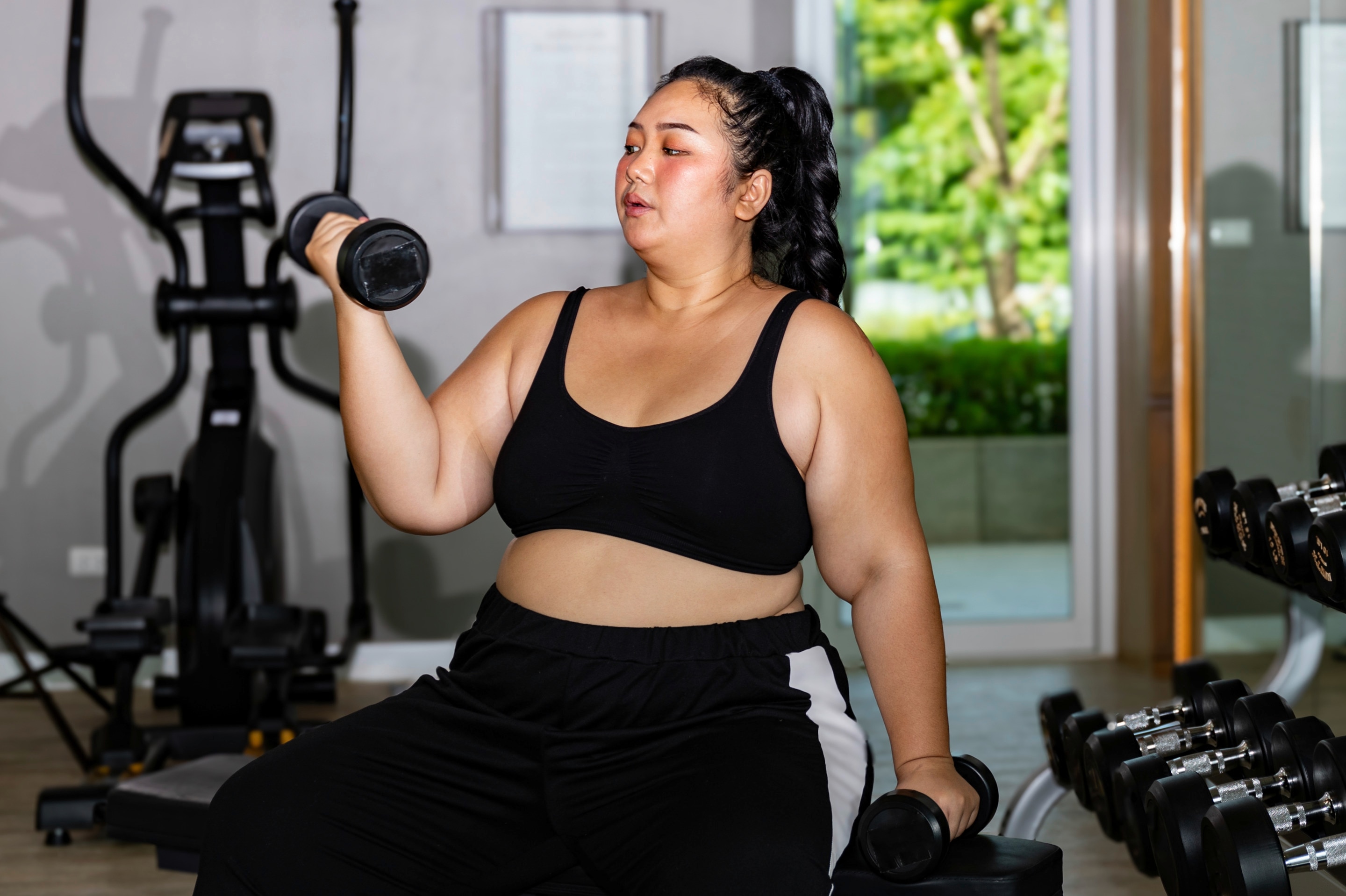
When a friend tells you about their body image issues, it can be tempting to encourage them to love themselves. Or say, “Cheer up!” or something within the spectrum of “You’re beautiful no matter what size you are!” The same thing happens when you’re the one who’s struggling with these feelings. Your impulse is to smooth over the rough edges with affirmations. You want to plaster over the insecurities with declarations of self-love.
But here’s the thing: In Filipino culture, where people feel weirdly entitled to comment on your looks – whether it’s your weight, skin color, or even the shape of your nose, it’s clear that these insecurities don’t just come out of nowhere.
They can often take root early, such as when people comment on a newborn’s features, saying things like, “Sayang, maganda sana kaso maitim.” As you grow up, those remarks linger. They echo through family reunions, casual asaran between friends, and even passing comments from coworkers or strangers, slowly shaping the way you see your body.
It’s no wonder many younger Filipinos end up dreading (or even avoiding) family gatherings altogether, knowing there’s a big chance a tita or tito will blurt out an unsolicited comment related to their appearance, such as their weight: “Uy tumaba/pumayat ka!” What’s meant as small talk often leaves a lasting sting.
Then again, you’re supposed to celebrate all your curves and flaws, right? Isn’t that one of the commandments of feminism? Below, learn why acknowledging your body insecurity can be liberating and how to deal with these negative emotions in more productive ways.
Everyone Has Body Image Issues, But Only a Few Admit It

The body positivity movement began with the noble goal of challenging fatphobic stereotypes and fostering a more inclusive understanding of beauty. And it worked. It expanded the narrow confines of beauty standards and left a long-lasting impact.
However, what started out in the ‘60s as a radical act of defiance against thinness has become an idea of all-or-nothing. You either love your body all the time or you’re a lost cause for not being able to do so. You’re not an ally if you express any dissatisfaction with your appearance, use Photoshop to smooth out your stretch marks, or try to lose weight.
The problem with the modern understanding of body positivity, that one should feel positively towards their own appearance without reservations, is the lack of understanding about why so many women have body image issues to begin with.
Everyone has a different answer, be it the media, comments from parents, capitalism, or a million other things. Whatever it is, the reason why you dislike your body may seem crazy to your mom or friends, but it’s valid nonetheless. Dismissing that with flattering euphemisms only makes you feel isolated and guilty – ashamed for wanting to change the shell you’re in when you’re supposed to love it no matter what.
It’s a Complicated Relationship

Coping with negative body image is a complex process. It has its highs and lows, moments of clarity, and bouts of confusion. After all, there’s no relationship where you’re happy and satisfied 100 percent of the time – not with your friends, your family, or even yourself.
Of course, it’s easier to gloss over the difficult parts with positive self-talk and put on a fake smile. But these efforts are hardly a solution. True acceptance comes from embracing the complexity of your attitude toward your appearance. It’s okay to have days when you don’t feel good about your body. It doesn’t make you a traitor or a failure. It simply makes you human.
It's also important to embrace the fact that your body does so much more than just look a certain way. It’s neither a statement nor an aesthetic. Your body isn’t a conversation piece for others. Mataba, maitim, maliit, or pango – these are personal views shaped by unrealistic standards. And you don’t have to accept them. Appreciate it as a vessel you live in that allows you to experience life, connect with loved ones, and pursue your passions.
Give Yourself Compassion

Yes, you don’t have to feel ashamed for not loving every aspect of your body. Nevertheless, don’t drown yourself in self-criticism. When your mind starts spiraling into negative thoughts, ask yourself why. Were you triggered by a passing remark a colleague made, a photo you saw online, or an old insecurity resurfacing? Remind yourself that it’s not your fault you feel this way. It’s just a bad day.
Building a support system is also helpful. Share your body image concerns with trusted friends who can offer empathy and encouragement. Sometimes, voicing your insecurities can help you gain a more objective perspective and learn that you’re not alone in this struggle. Additionally, consider talking to a professional who can provide you with tools and strategies for a more positive relationship with your body.
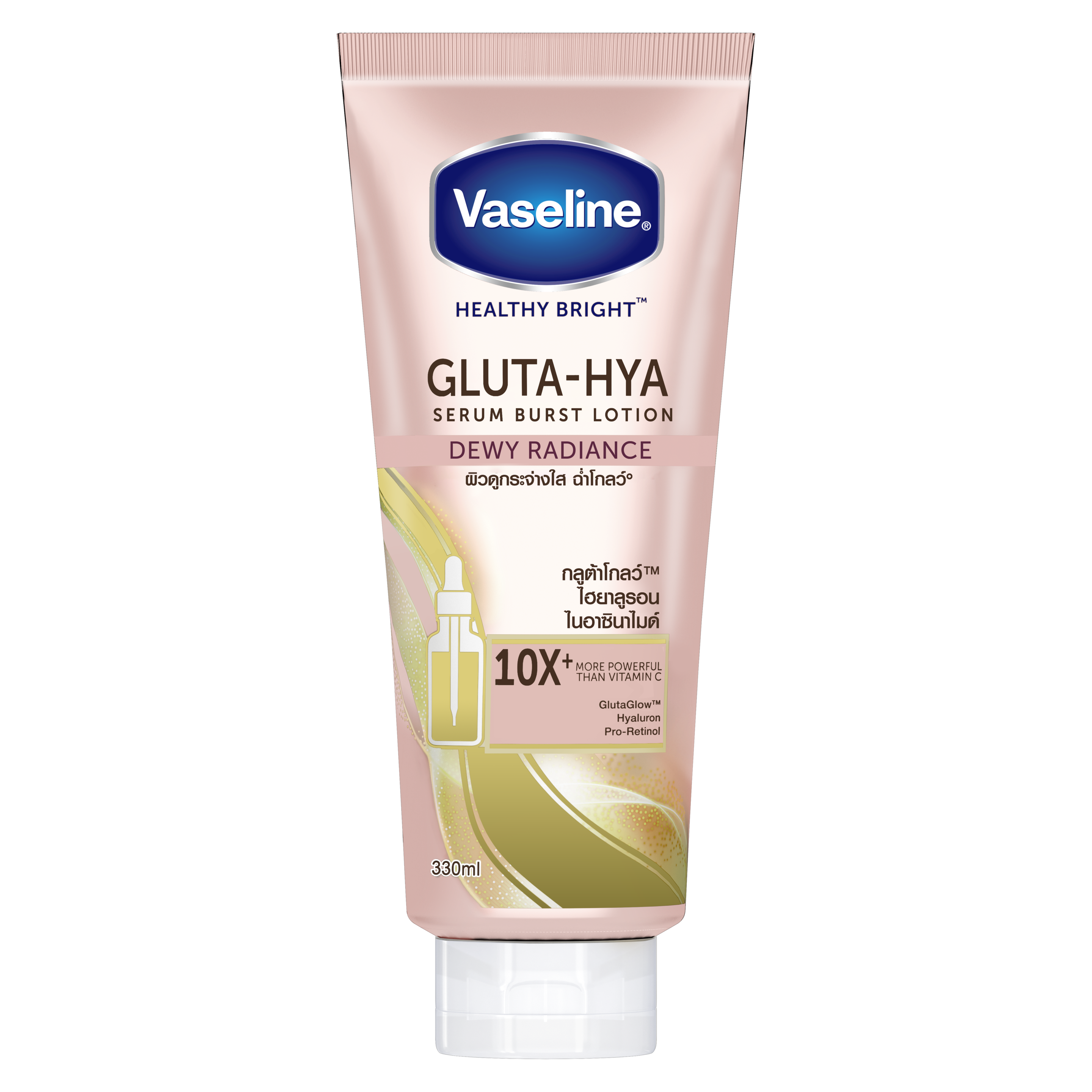
Right after showering, give your skin some much-needed nourishment from Vaseline Gluta Hya Serum Burst Lotion Dewy Radiance, which has Active Niacinamide for a smoother and brighter complexion.
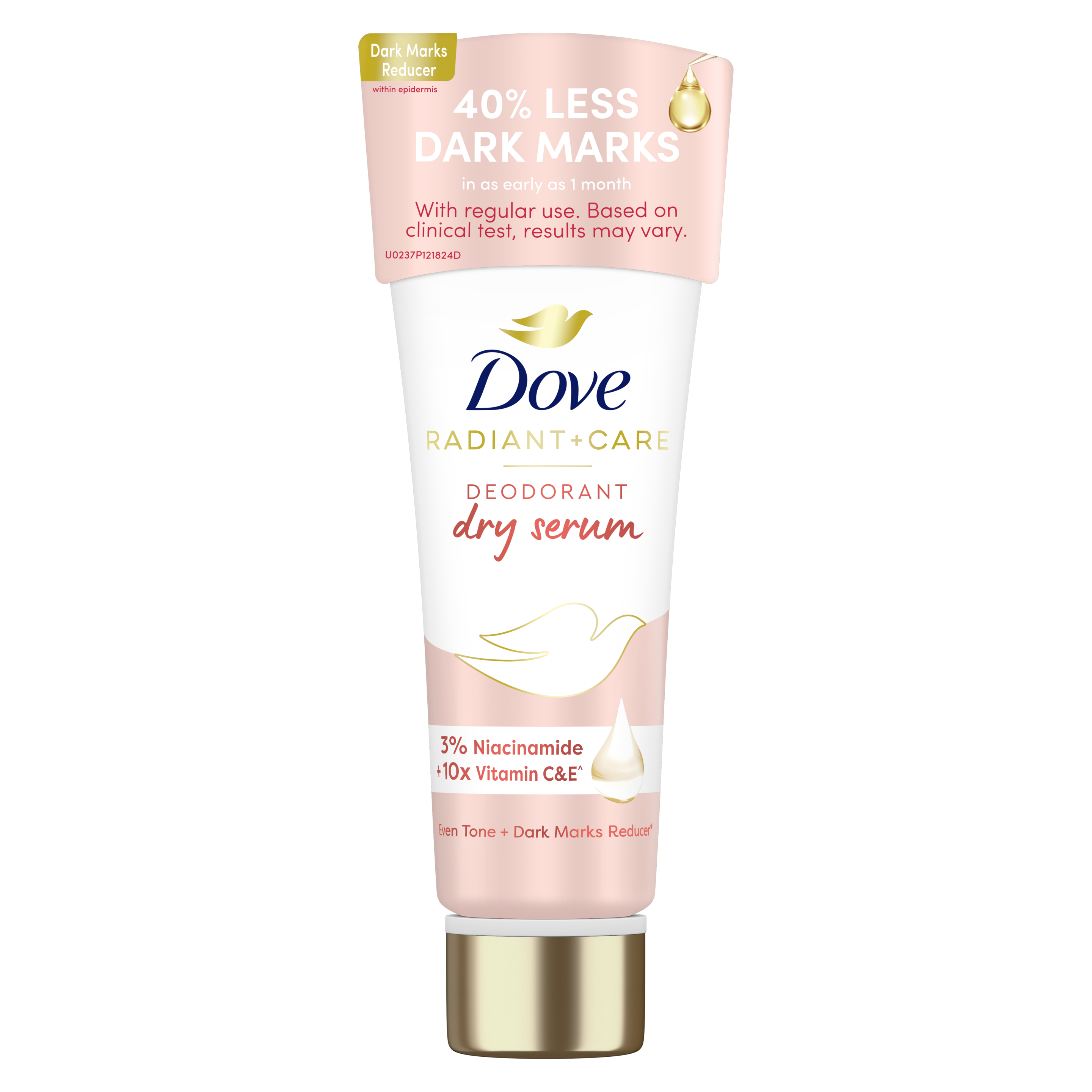
Finally, apply Dove Radiant + Care Deodorant Dry Serum 3% Niacinamide 10x Vitamin C & E Dark Marks Reducer to prevent B.O. from bringing your confidence down.
In an ideal world, reading an article could suddenly erase your body image issues. But alas, you can’t unlearn all of that in an instant – just like how you didn’t “learn” to criticize your body in a day. All this to say: Be patient with yourself. Although you may not think your body looks the best, you can choose to be kind to it.