Tips and Inspiration
From Unilever Beauty Experts

In Pinoy queer history, there’s almost always been a word, phrase, or expression that goes viral – sometimes funny, sometimes sharp, but clever, nonetheless. For decades, the LGBTQIA+ community in the Philippines has been coining words and remixing language packed with wit and attitude. From old-school classics to Drag Race Philippines-inspired power words, here are some iconic gay lingo examples and meanings that continue to shape local queer culture.
1. Pak na Pak and Bongga
If confidence had a sound, it would be pak na pak. It’s used to describe something that’s on point, polished, or totally spot-on. You can say, “Ate, pak na pak ang winged liner mo today!”
But before pak na pak, there was bongga – the OG queer hype word. It means over-the-top, campy, and unapologetically extra. Think head-to-toe sequins, hair teased to the gods, or an entrance that makes the whole room turn. Today, you can hear modern variations of these expressions like pakak, pasabog, and palong-palo that many younger people use.
2. Awra
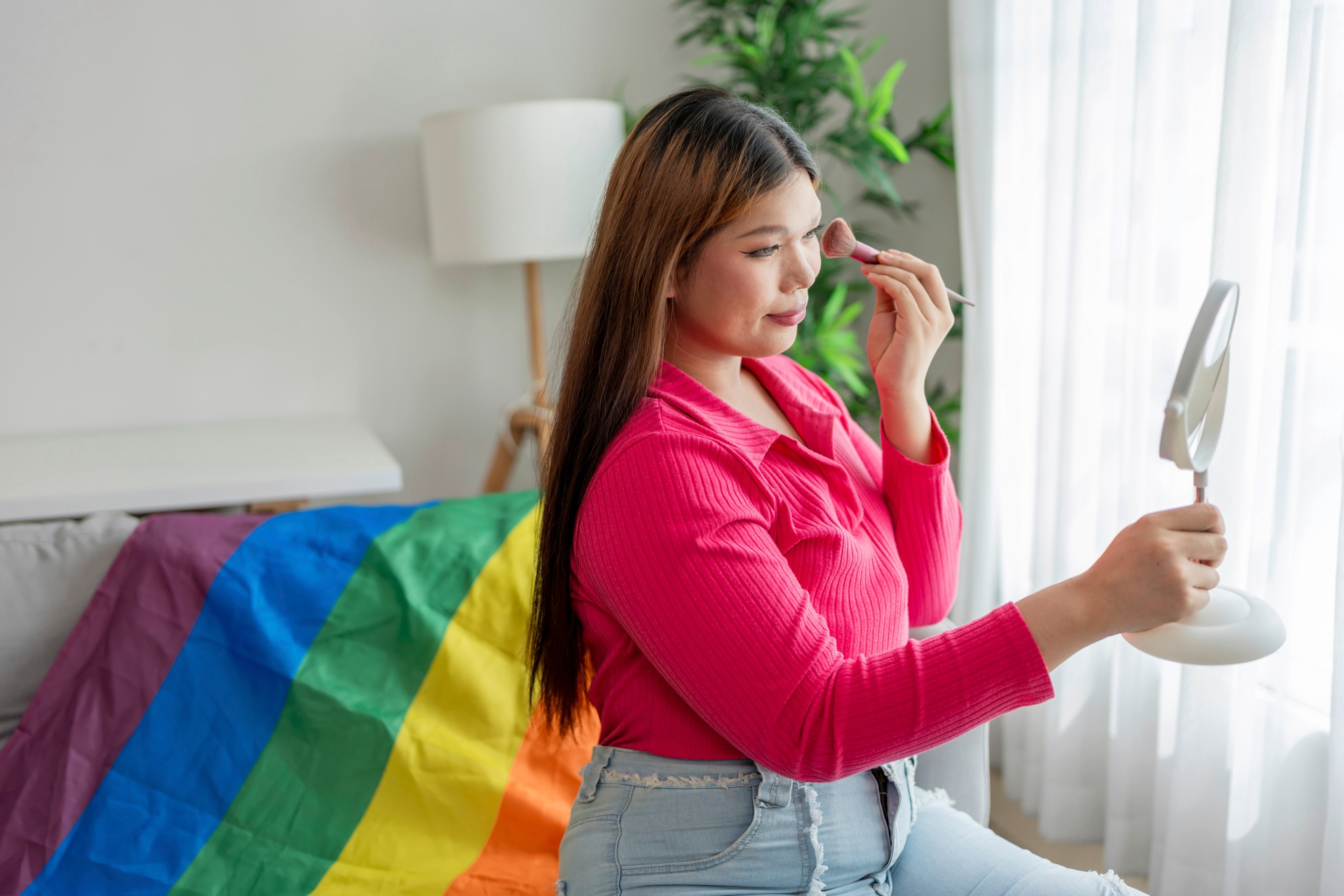
You’re probably familiar with awra, because if not, where have you been? It can mean posing for the camera or simply radiating that Main Character Energy wherever you go.
In places like Cubao Expo, for example, where self-expression is the dress code and the crowd is all about celebrating what makes you unique, awra-ing is expected. Some come to drink, some come to dance and party, but more than that, they go there to be seen. Here’s one example: “Ghorl, gabing-gabi na naka-contour ka pa. Sa’n ka na naman a-awra?”
3. Slay and Yaaas
Two words, one mission: to hype up the queen in you. Slay, in gay lingo, means to own the moment, to kill it, to deliver 100%, while yaaas is the universal gay cheer. You’ll hear them everywhere now, from beauty tutorials to TV shows and even your group chat. Prime example: “Yaaas! Your hair's so straight and sleek today. Slayyy!”
For hair that slays every day, try Sunsilk Expert-Perfect Straight Shampoo. It’s formulated with a powerful blend of jojoba oils, vitamin E, and silk proteins that work together to give you blow-dry levels of straight, silky hair na walang makakapigil.

4. Havey and Waley
Havey and waley are gay lingo words that skyrocketed to mainstream fame, thanks to celebrity host Vice Ganda popularizing them on It’s Showtime. Havey means a total win, while waley calls out a flop. These days, even the titas on Facebook casually drop them in their status updates. “That corset top with wide-leg jeans? Havey! Pero ‘yong dance number na hindi sabay-sabay? Waley na waley.”
5. Gorabels
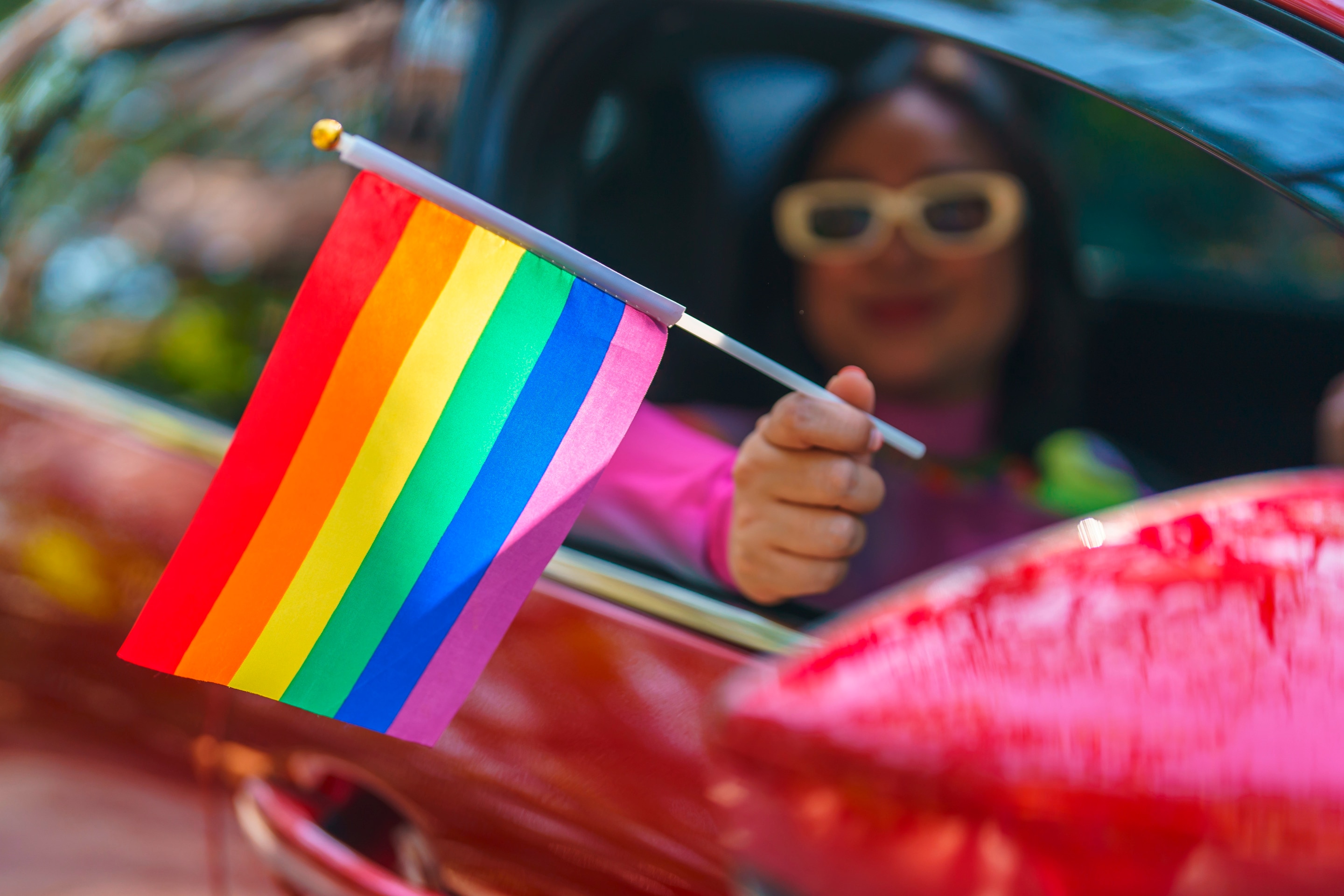
Ready to go? Gorabels is the sassy-fied version of tara na and has been part of Pinoy queer language since the early 2000s. It’s your go-to word when it’s time to leave, meet up, or get moving – but it can also mean saying yes to plans or agreeing to something. Its shorter version, gora, is equally fab for spontaneous decisions and in-the-moment adventures.
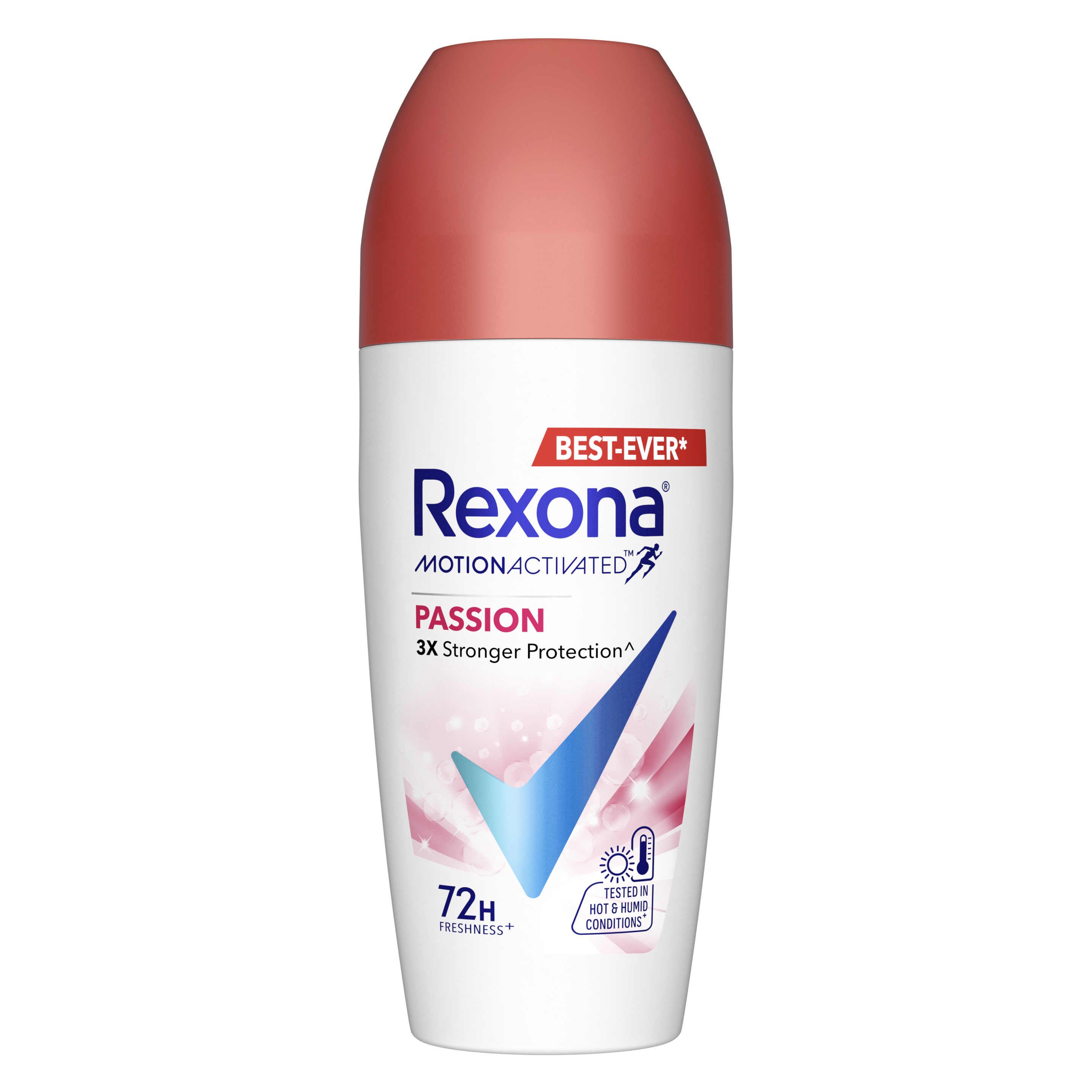
If you want to be that friend who’s always gora-ready, use Rexona Motionsense Roll On Deodorant Passion. It helps brighten and protect your underarms with Motionsense™ technology that activates a burst of freshness every time you move. Plus, it gives 48-hour sweat and odor control, keeping you fresh and dry no matter where you’re headed.
6. Keri
In the colorful tapestry of queer history, keri stands out as the ultimate word for calm confidence. It means “carry on” or “I got this,” the best comeback you can say when life throws you a curveball. From surviving a humid commute to dealing with a beauty emergency, just say “Keri lang, girl,” and keep pushing. Variants like keribels and keriboom boom pow turn up the camp.
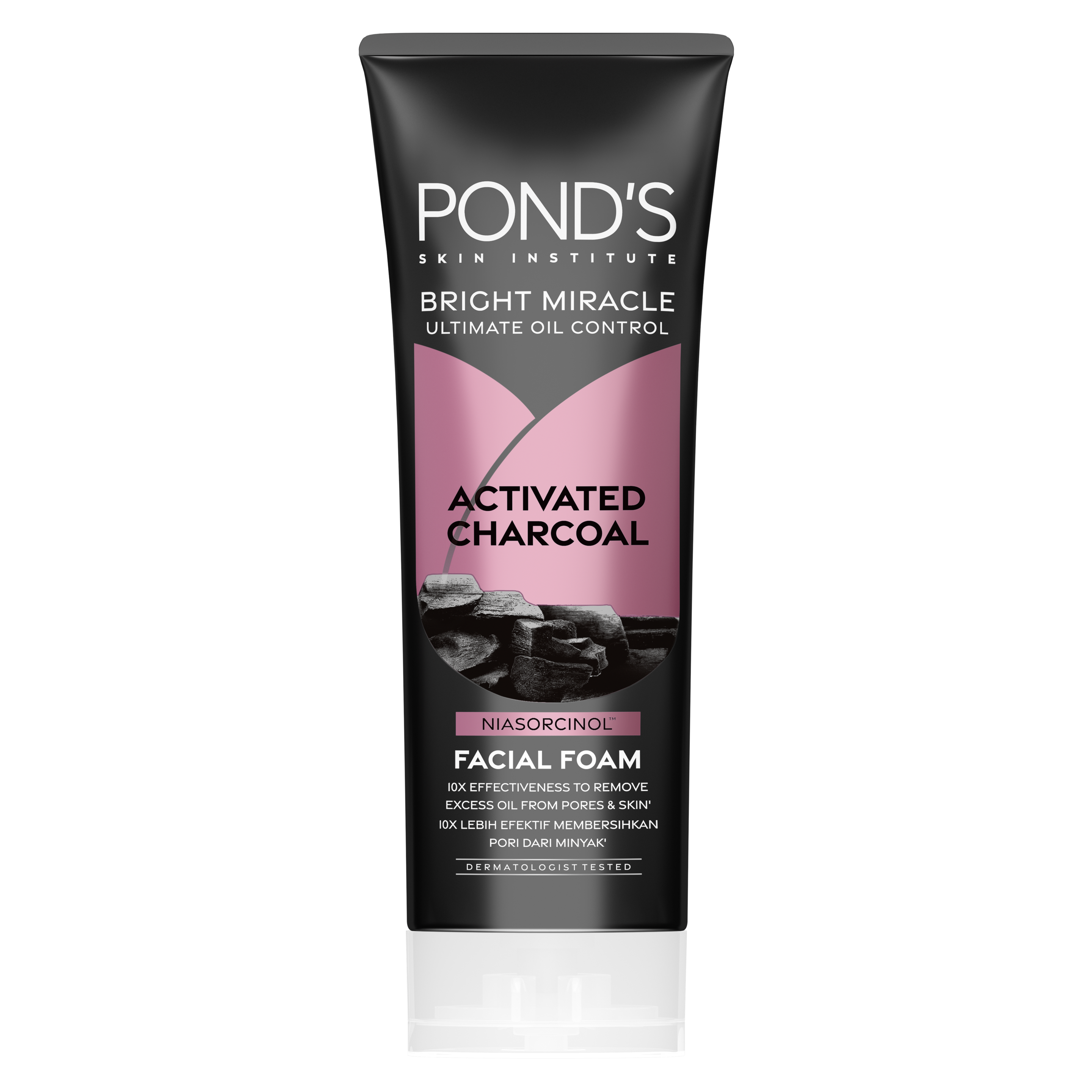
Want to achieve kering-kering ganda and freshness? Try POND’S Bright Miracle Ultimate Oil Control Facial Foam. It lifts away dirt and oil that can dull your skin, giving you that bright, fresh look, even after a long, sweaty commute or a full day of errands.
7. Charot, Chorva, and Echos

This trio is your secret weapon for softening hard truths or adding a touch of playful shade. Charot (or its shortened version char) is the queer version of “just kidding.” Chorva is a catch-all word when you don’t know the right term (or just don’t want to say it). Echos or echosera is usually used to call someone out in a funny, exaggerated way. “Nakalimutan ko ‘yong chorva, charot!” “Echosera ka, ghorl!”
If you want to sound a bit fancier, type it out like Miss Heart Evangelista: C-H-A-R-A-U-G-H-T!
Bonus: Wordplays and Celebrity Name Remixes
One of the most entertaining parts of Pinoy queer language is its love for clever wordplay. Everyday terms get cheeky makeovers. For example, crayola means to cry, liberty stands in for libre or free, and antibiotic is a witty dig at someone antipatiko or obnoxious.
Then come the iconic celebrity name remixes: Stress Drilon and Haggardo Versoza describe being tired or exhausted, while Julanis Morissette is a campy code for rain, taken from the Filipino word, ulan. Feeling jealous? You’re probably Gelli de Belen. Met someone you don’t recognize? Just say Cynthia (a play on “Sino siya?”) And when it comes to beauty (or the lack of it), there’s Gandara Park for something beautiful (maganda) and Chuck Norris for something, well, chaka or ugly.
Pinoy beki language carries decades of wit, sass, and a testament to the vibrant queer history that’s still evolving today. Every pak na pak and yaaas queen is a celebration of boldness, beauty, and unapologetic self-expression. Keep serving, keep slaying, and make every moment havey – and don’t be shy to drop these words into your own convos. Language is power, and this one was made to be lived out loud.