Tips and Inspiration
From Unilever Beauty Experts
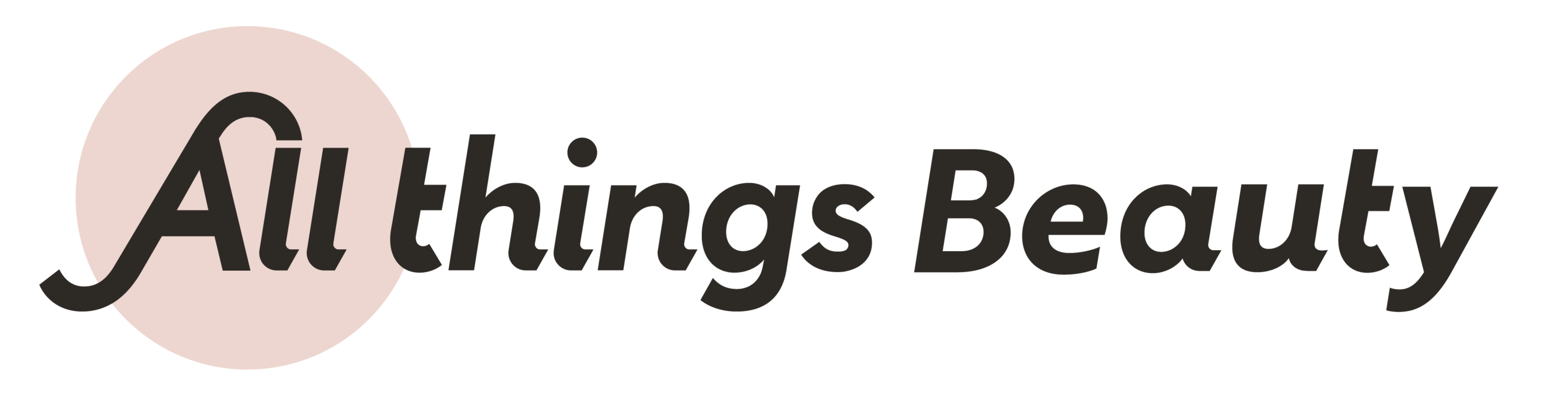
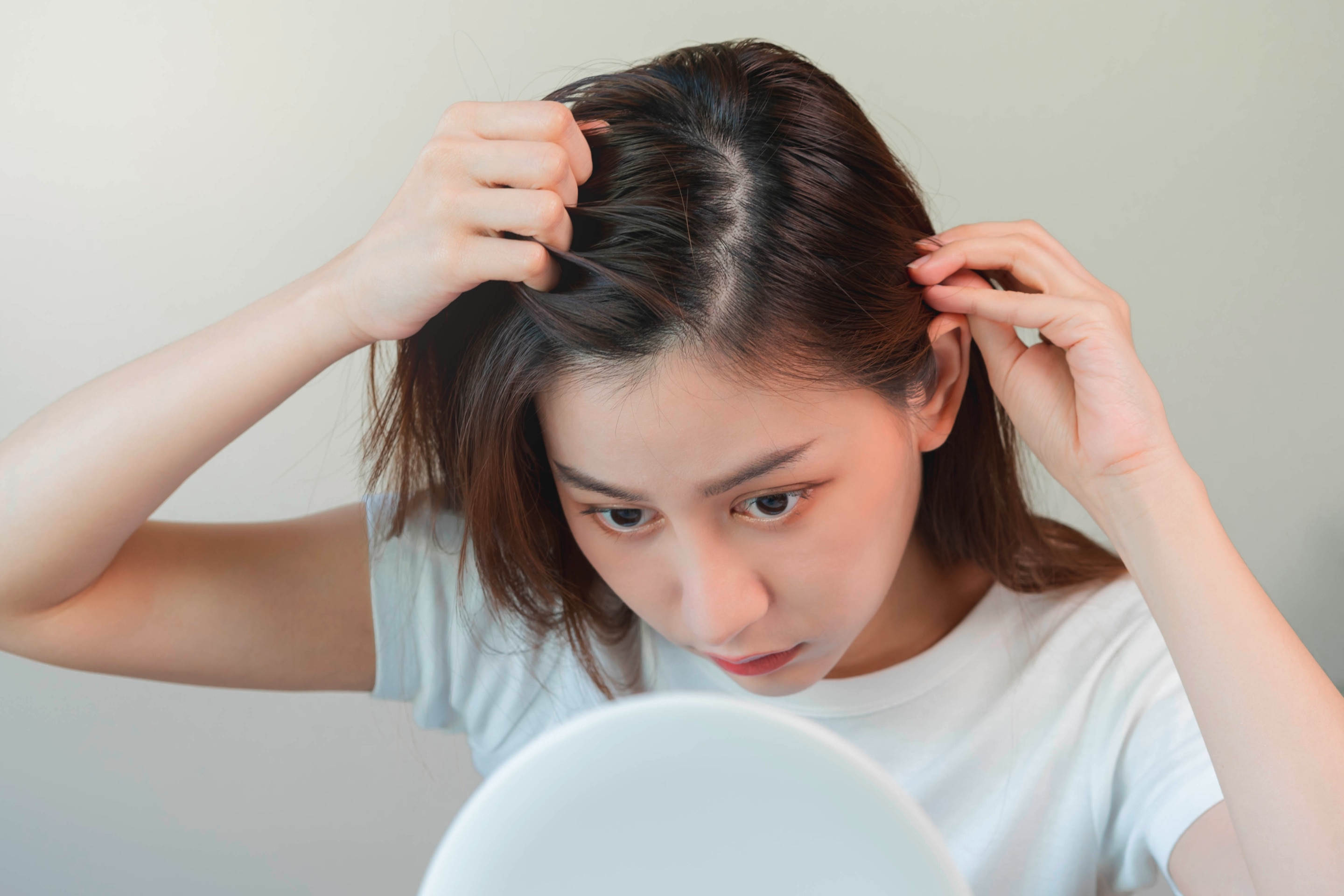
A healthy scalp care routine is the root (pun intended!) of natural hair growth, but be honest – you often forget about it when practicing your daily personal care regimen. This guide can help you get a better understanding of how scalp care promotes natural and healthy hair growth.
Cleanse Your Scalp
A healthy scalp cultivates an ideal environment for hair growth. Your goal is to always have a clean and dandruff-free scalp, sans excess oil. Especially in a climate like ours (ack, the humidity!), washing your hair daily – or even twice a day – is recommended.
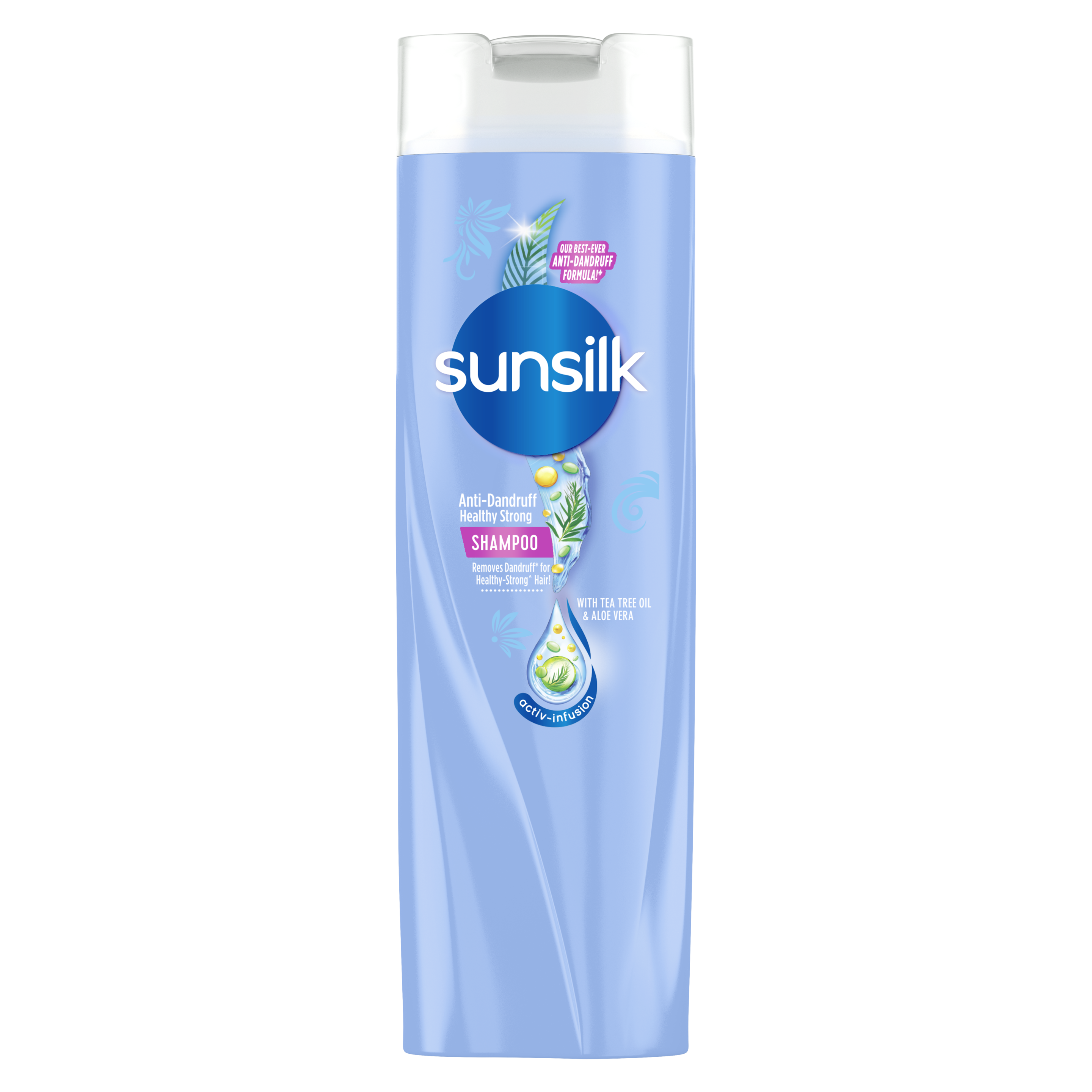
Give yourself a clean scalp with an anti-dandruff shampoo like Sunsilk Anti-Dandruff Healthy Strong Shampoo. If pesky flakes keep reappearing on your hair, dandruff shampoos may not be enough to address the problem. Consult a trichologist for an anti-dandruff treatment. These specialists might have the solution you need or help you identify another underlying cause of your scalp issues.
Handle Hair (and Scalp!) With Care
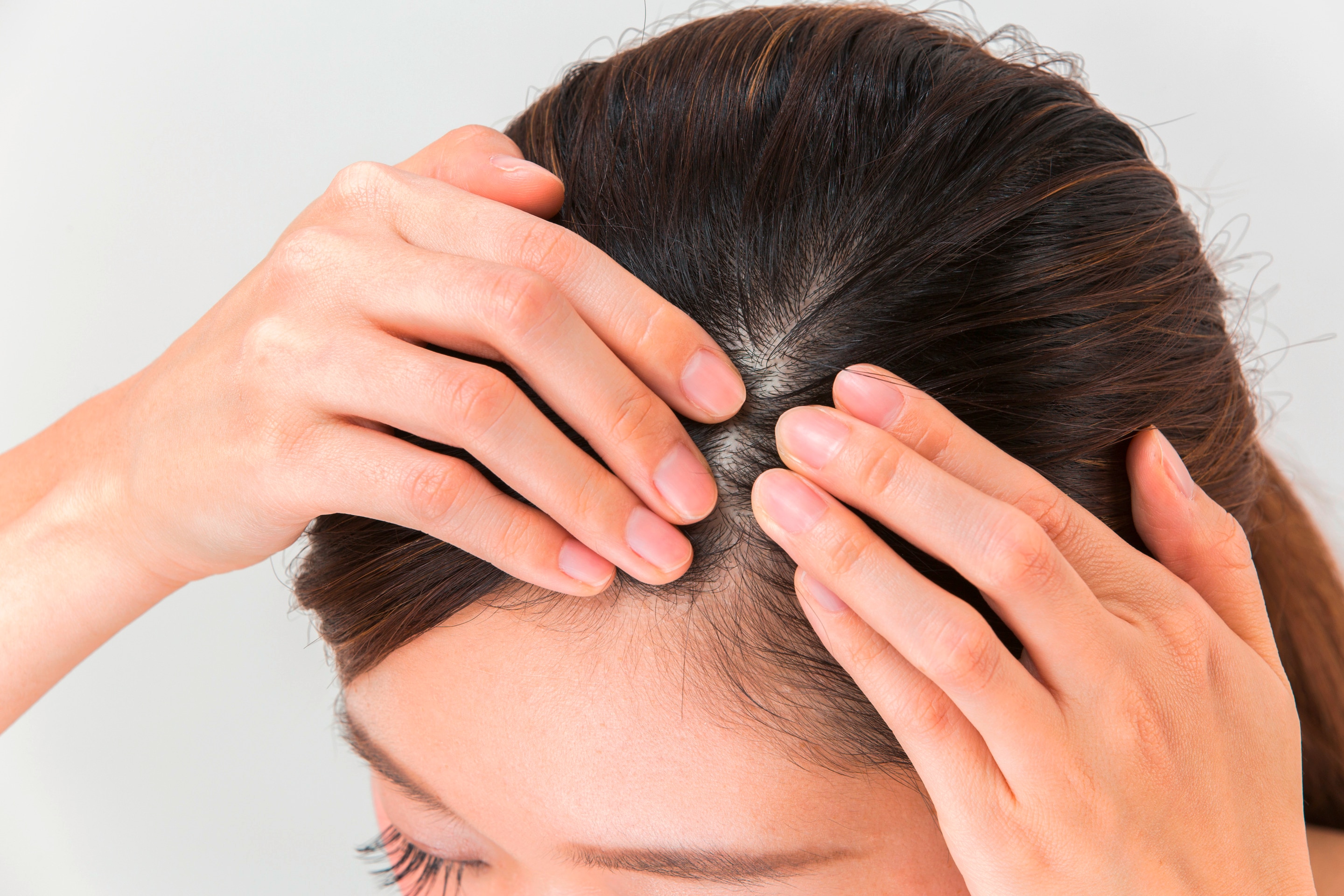
Damage from brushing, styling, and heat can also affect hair growth. Friction from grooming and styling can cause breakage, which may slow down your strands’ ability to grow long and strong. To protect your hair, go easy on styling tools and handle your tresses gently. Avoid using hair styling devices too often, or better yet, invest in high-quality ones that dispense less heat or use air power.
You can also add a heat protectant before using a hair dryer or a curling iron, for example, or before applying products like styling gel or hairspray. This protects your delicate strands and prevents moisture loss.
Cut Back on the Chemicals
Chemicals used in frequent perming, straightening, or dyeing – whether at a salon or with DIY at-home solutions – can affect your overall hair and scalp health. This can lead to hair and scalp complications, such as allergic dermatitis, chemical burns, scarring, alopecia, hair breakage, and even hair loss. To support healthy hair growth, give your scalp a break by cutting back on chemical treatments.
Watch What’s on Your Plate
ICYDK, a lack of protein in your diet can impact your scalp. Hair grows from follicles in the scalp, which are made up of protein-rich cells. Without enough protein, follicles may shrink or weaken, leading to slower growth or hair shedding.
Support your scalp by including protein-rich foods in your diet, such as lean meats (chicken or salmon), fruits and vegetables, and soy or dairy products such as eggs, yogurt, and cheese.
Take Your Vitamins
This is a friendly reminder to take your vitamins as another way to help foster scalp care for hair growth. When your diet is low in essential nutrients, a vitamin deficiency can disrupt scalp and follicle health, which in turn may lead to hair thinning or loss.
For example, vitamin D supports healthy hair‑follicle function; vitamin A helps the scalp produce sebum and keep it hydrated; and vitamins C and E protect follicles from damage while aiding nutrient absorption. A balanced intake of vitamins for your scalp and hair health is important, so it’s best to work on your diet and nutrition with an expert.
Time for Treatments
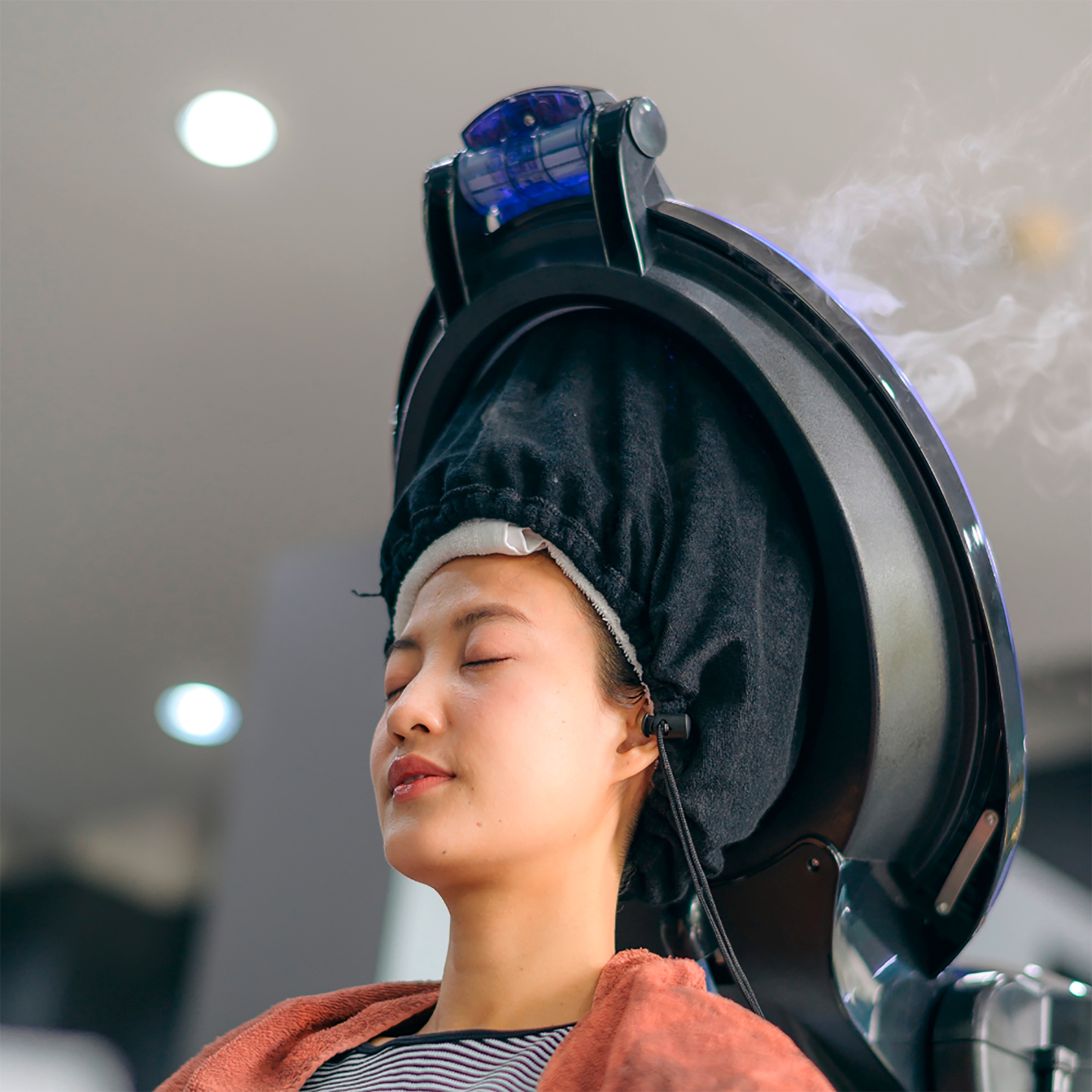
Investing in treatments early on can better boost your scalp’s condition to promote natural hair growth and help lessen or slow down hair fall or hair thinning.
Genetic factors play a big role, so if your parents – or even your tito or tita – seem to have bald spots or thinning hair, it pays to act early. Have your scalp checked by a trichologist, because having strong and long hair really starts with a well-nourished scalp.
While cosmetic products do not stimulate hair growth, there are recent advancements in hair and scalp care, such as scalp corrective treatments and the use of exosomes in addressing early hair loss. Although preliminary, researchers find that this approach may offer positive outcomes.
Whether it’s small tweaks to your daily habits or seeking guidance from a professional, practicing proper scalp care for hair growth can help support stronger locks over time.