Tips and Inspiration
From Unilever Beauty Experts

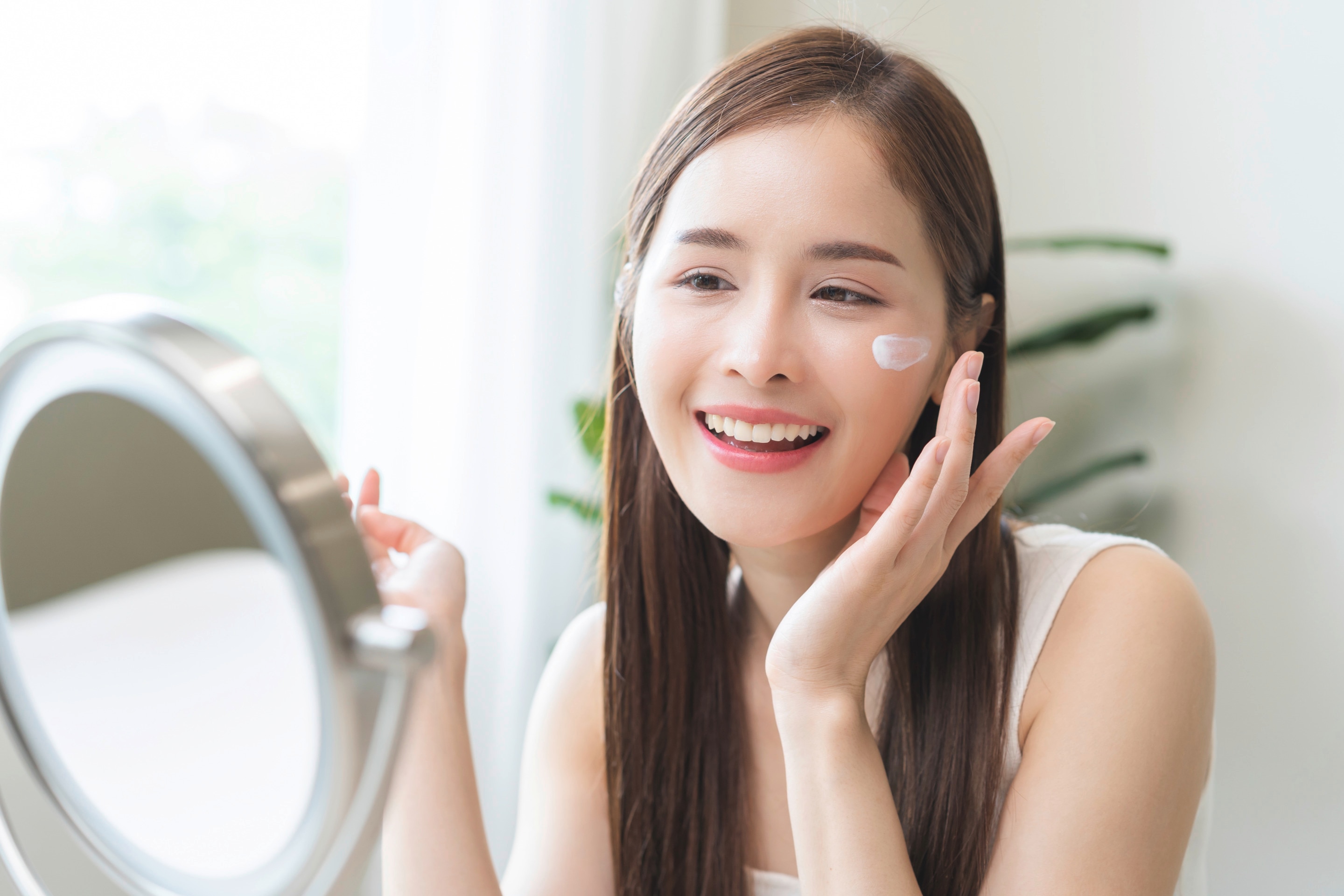
Whenever bumps pop out on your face (or other parts of your body), your brain immediately labels them as acne or pimples. These two words are often mixed up, but there’s a clear distinction between them. One describes a skin condition whereas the other refers to a type of lesion. So, if you’ve been using the terms interchangeably, check out this acne vs. pimples guide to manage your breakouts better.
Acne vs. Pimples: What’s the Difference?
Acne is a chronic condition that occurs when the sebaceous glands at the base of your pores get clogged by sebum or dead skin cells. It can manifest as comedones or pimples, ranging from small bumps to raised skin with pus at the tips. In other words, acne is a skin disorder, and pimples are one symptom.
Not all pimples are signs of acne, though. In some cases, they emerge from infected hair follicles, as a reaction to skincare products, or as symptoms of other skin conditions like rosacea. Knowing the difference between acne and pimples can help you find the most suitable treatment.
Types of Acne and How to Treat Them
There’s no one-size-fits-all solution to acne woes. You need to identify the type of blemish you’re dealing with and then tailor your approach.
Remove blackheads with regular exfoliation.
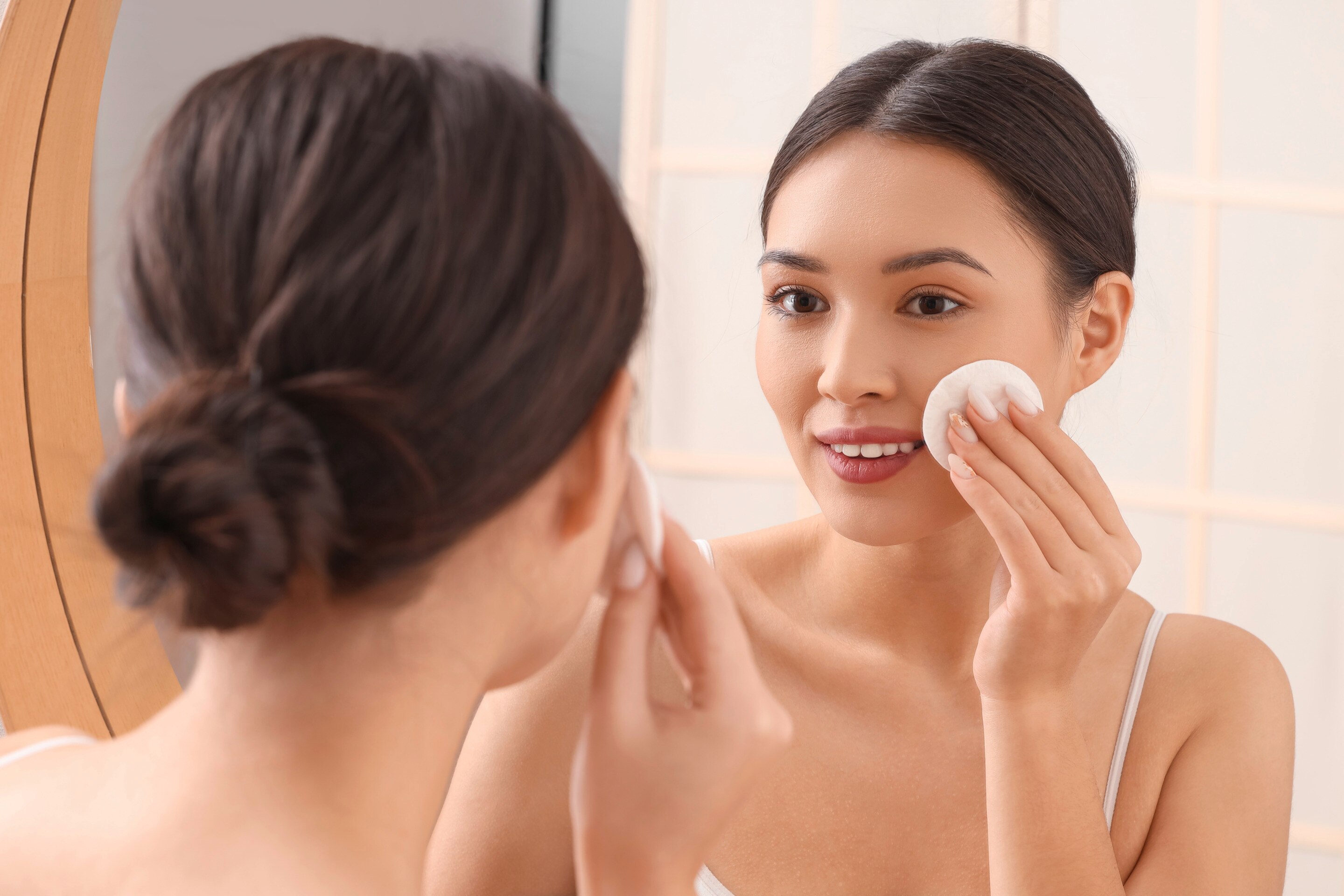
Those black dots around your T-zone aren’t exactly dirt. They’re blackheads – blocked but open pores that are dark in color due to oxidation. Your mission is to clear the build-up, which you can do with cleansing and regular exfoliation.
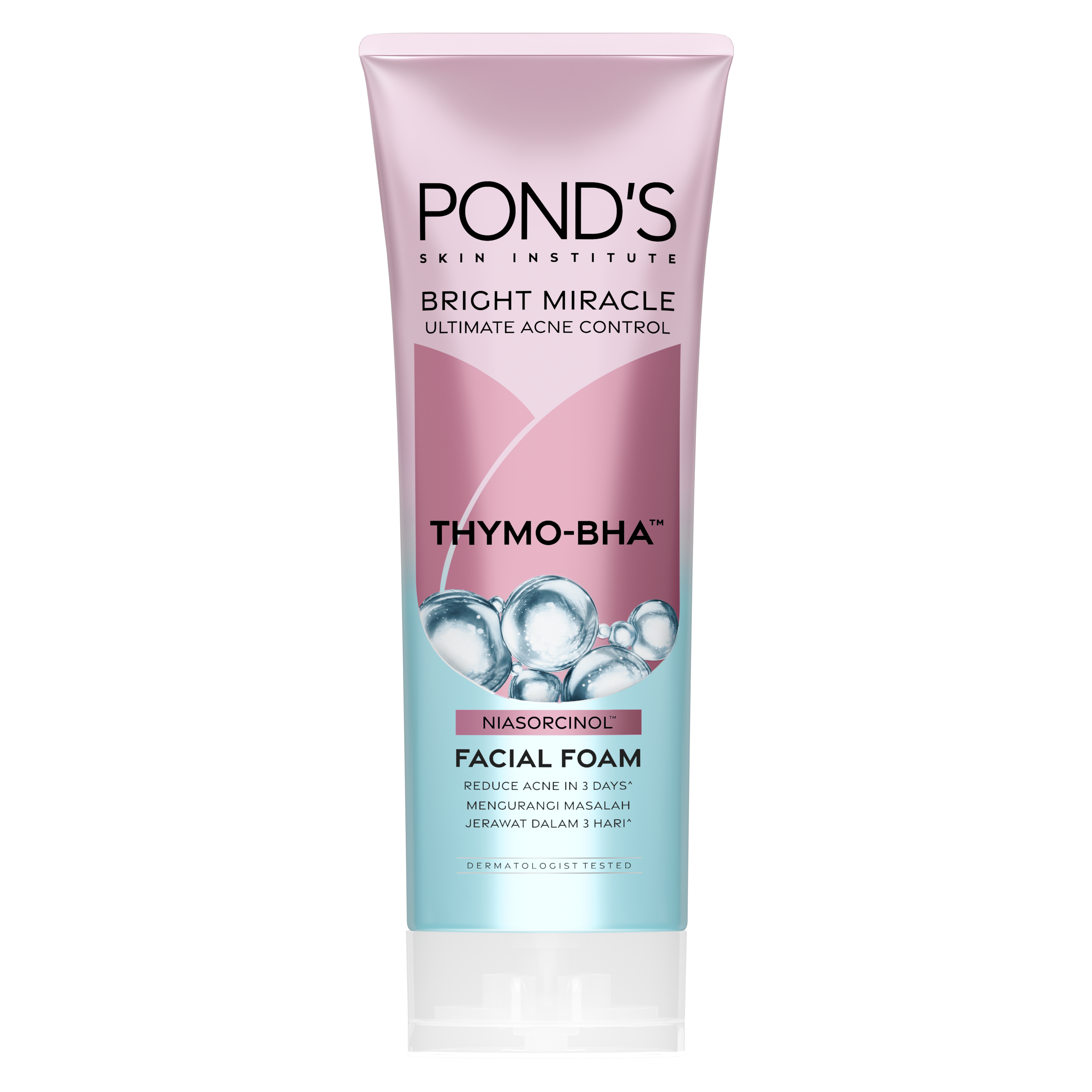
First, wash your face with POND'S Bright Miracle Ultimate Acne Control Facial Foam. It eliminates 99 percent of acne-causing bacteria and shows a 27 percent acne reduction in just three days of consistent use.
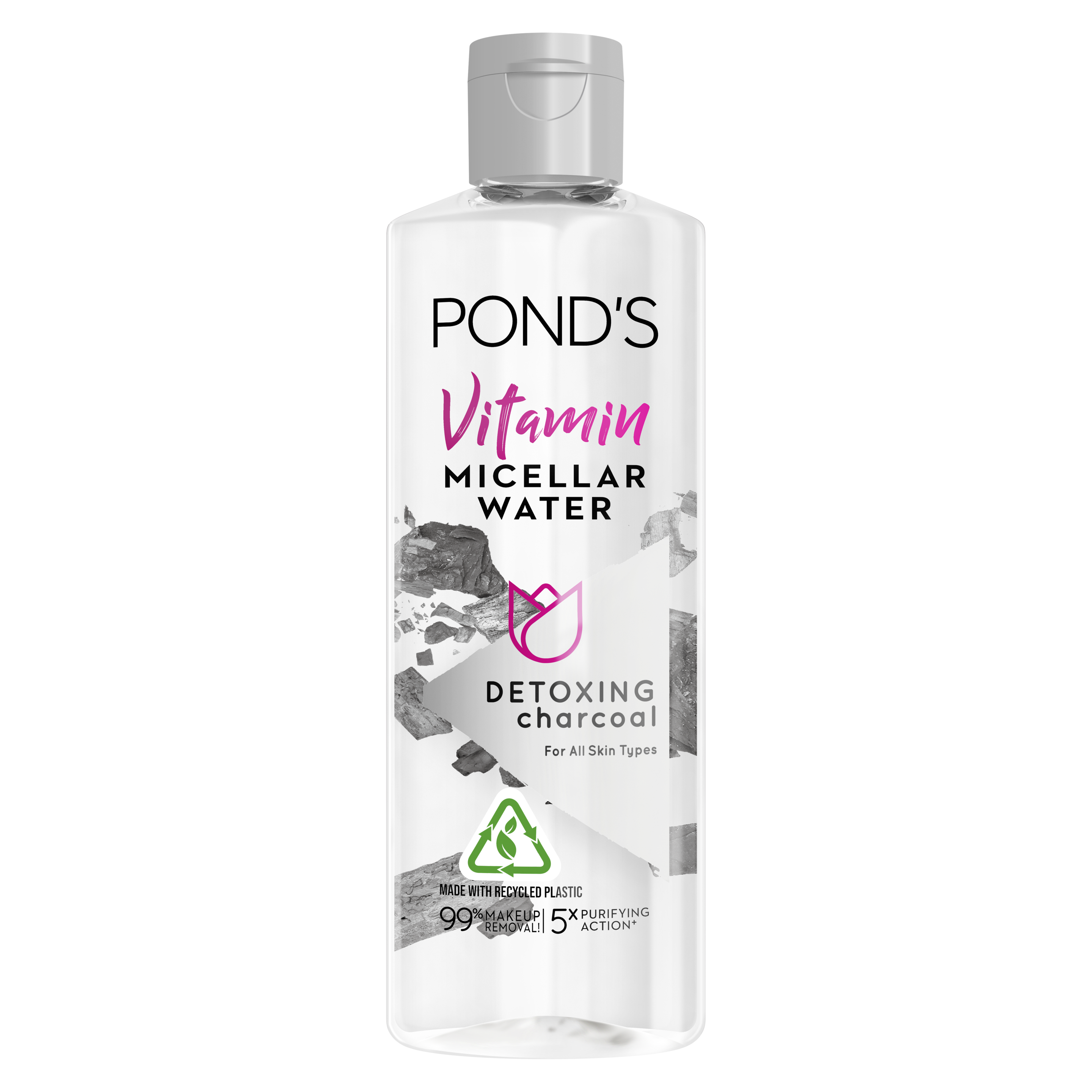
Then, double-cleanse with POND'S Vitamin Micellar Water Detoxifying Charcoal to ensure that your pores are squeaky-clean and prevent clogging and inflammation.
Take on stubborn whiteheads using retinol.
Whiteheads are pretty self-explanatory. They’re whitish or yellowish and don’t feel painful to the touch. However, they can be a bigger nuisance than blackheads because they’re more difficult to extract.
Don’t try to slough them off with harsh scrubs. Instead, add topical retinol to your skincare routine to help speed up skin cell turnover. If you still see whiteheads, a comedone extraction at a skin clinic can be more effective.
Don’t squeeze papules and pustules.
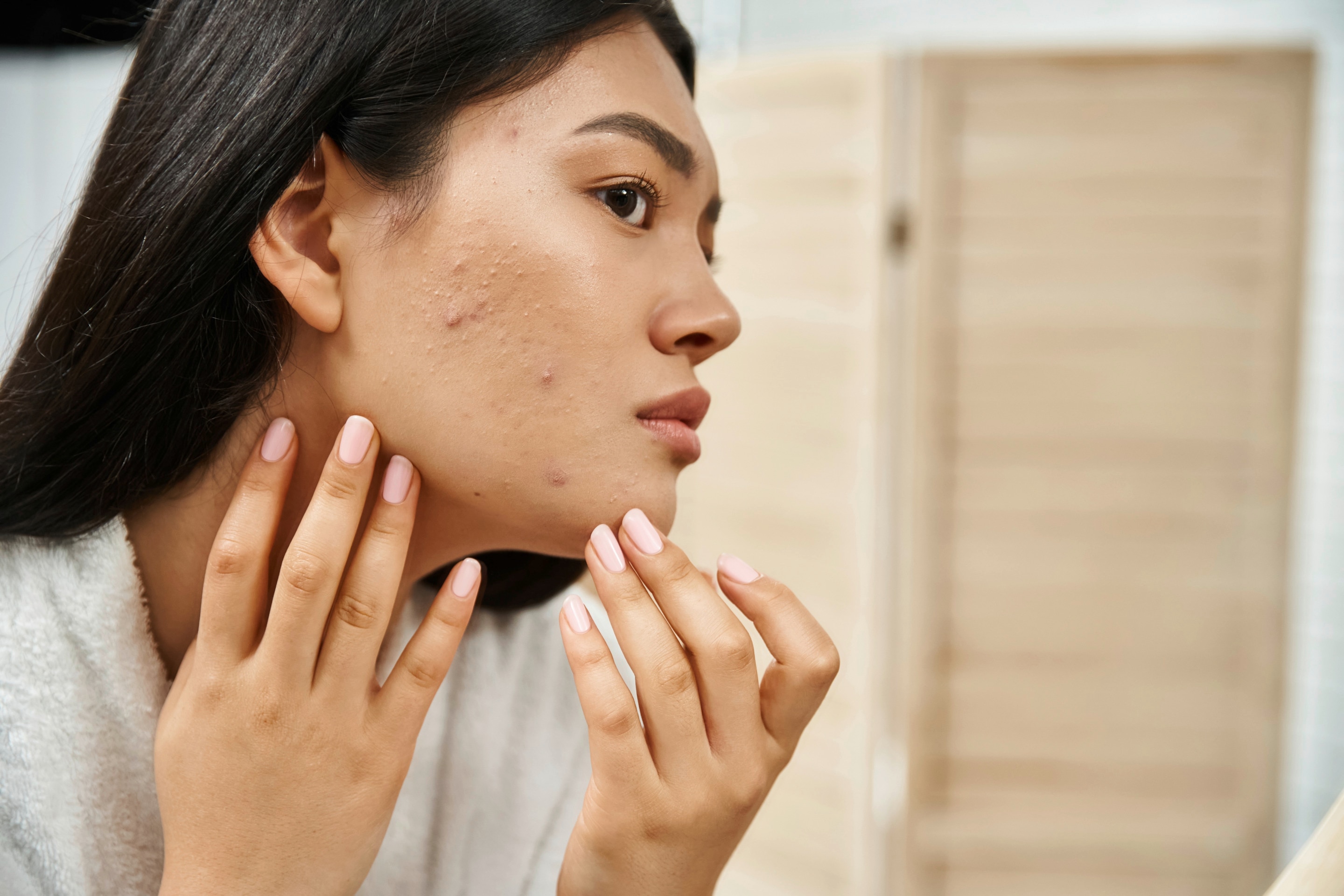
We’re moving into pimple territory now, where the bumps are more inflamed. Both papules and pustules can be painful, except that the latter contains pus. You might be tempted to pop them, but doing so opens doors for bacteria to invade deeper into the skin and trigger more breakouts.
If you’re wondering how to get rid of pimples, the American Academy of Dermatology Association recommends applying salicylic acid to the lesion. You can try a spot correcting treatment that contains this potent ingredient to help bring down the swelling and clear out your pores.
Talk to a dermatologist about cystic and nodular acne.
Cysts and nodules are larger and more painful than regular pimples. You may also find that slathering your regular overnight pimple spot treatment doesn’t do much. It’s because these lumps reside deep within the skin.
To break it down further, cystic acne occurs when a pore fills up with sebum and ruptures, contaminating the areas surrounding it. The body responds to it by producing pus. Meanwhile, nodular acne forms when an overgrowth of a bacteria called C. acnes gets trapped inside a blocked pore, causing infection.
These severe types of acne should always be treated with the help of a dermatologist. They will likely inject the lump with a corticosteroid to shrink it within two days. For reoccurring cysts and nodules, they may also prescribe oral medication to prevent future breakouts.
The difference between acne vs. pimples might not be obvious at first glance. The former is a skin condition, whereas the latter refers to its bumpy symptoms. If you’re still not sure what’s currently happening in your skin, consider consulting with a dermatologist to get a proper diagnosis.