Tips and Inspiration
From Unilever Beauty Experts
;Resize=(486,122))

Your skin’s pH level directly impacts its overall health and affects other aspects of your lifestyle. You may have heard your mom or lola tell you that your jewelry keeps tarnishing because you have acidic skin. Or maybe makeup artists have asked you about your skin pH to determine whether they should use a lighter foundation to delay oxidation. All these are effects of having higher acidity levels in your epidermis, which ultimately impacts your approach to skin care.
Is it normal to have acidic skin? What are its characteristics? How do you manage it? Read below to learn more.
What Is Acidic Skin?
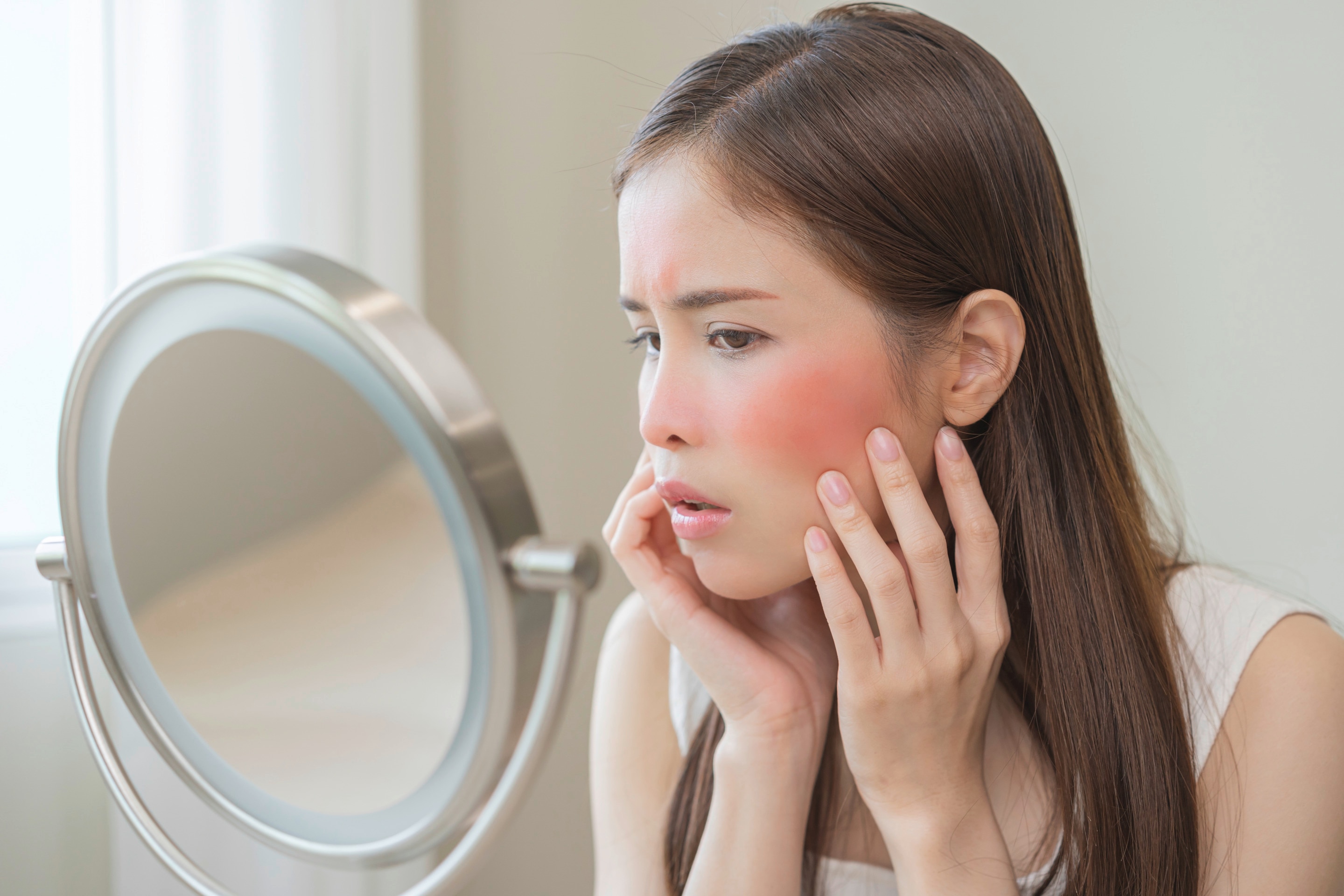
Skin is naturally on the acidic side, typically ranging between 4.7 and 5.75 pH. You want your skin to fall within this range because this means your acid mantle, a protective layer of sebum and sweat that defends against environmental aggressors, is well-equipped to do its job. It maintains moisture balance more effectively and fends off irritants better than skin with a much higher or lower pH.
However, if the skin becomes overly acidic, it may feel tight, sensitive, or more prone to breakouts and redness. You may also experience skin conditions such as dermatitis, eczema, and rosacea – all signs of a compromised skin barrier. This imbalance can result from various factors, such as harsh cleansers, over-exfoliation, or excessive use of acidic products like AHAs (alpha-hydroxy acids) or vitamin C.
What are the side effects of having highly acidic skin?
Aside from skin issues, having a low skin pH can also affect how you wear jewelry and makeup.
Sweat with high sulfur content can cause discoloration in metal jewelry, like silver. Meanwhile, acidic sweat tarnishes copper and even temporarily turns your skin green. These reactions aren’t harmful, but they can be annoying, especially if you love wearing jewelry. If your skin is on the acidic side, choose sterling silver (which is stronger and more durable than pure silver) or metal-free, hypoallergenic jewelry. You can also go for stainless steel, high-carat gold, and platinum.
High acidity and sebum can also oxidize foundation much more quickly, causing it to darken as it sits on your skin. Using a water-based product that’s one shade lighter than your skin tone (but has the same undertone) can make the effects of oxidation less noticeable. Another way to minimize discoloration is to control oil by using toner and primer, and blotting away excess shine.
What Is the Opposite of Acidic Skin?
The opposite of acidic skin is alkaline skin, which has a pH level higher than 7. It tends to be drier, rougher, and flakier due to a weakened acid mantle. Without the protective properties of an acidic pH, alkaline skin is unable to retain moisture, making it more susceptible to inflammation, irritation, and damage from external aggressors. It can also be more prone to acne, because it lacks the acidity required to inhibit bacterial growth.
Overuse of products with high pH levels, such as certain soaps or cleansers, can disrupt the skin’s pH, further disrupting its natural balance. Pool water and hard water can also make the skin more alkaline.
Skincare for Acidic Skin
If you have naturally acidic skin, focus on keeping it within the right level of acidity. If your face feels tight, itchy, or irritated, adjust your routine to rebalance your skin’s pH. Here’s how:
1. Choose pH-balanced products.
Look for cleansers, toners, and moisturizers that are pH-balanced (between 4.5 and 6). These products are formulated to work harmoniously with your skin’s natural acidity, helping to maintain the protective acid mantle. These help prevent further irritation and support repair. Avoid bar soaps and cleansers that strip the skin of its natural oils.
2. Avoid over-exfoliation.
Your beloved exfoliants and retinoids may help address certain skin concerns, but overusing them can lower the skin’s pH further, making already acidic skin even more sensitive. Apply these products sparingly and always patch-test before incorporating them into your routine. In case of a negative reaction, such as tightness, itching, or breakouts, discontinue use. Talk to your dermatologist if any irritation persists.
3. Incorporate barrier-repairing ingredients.
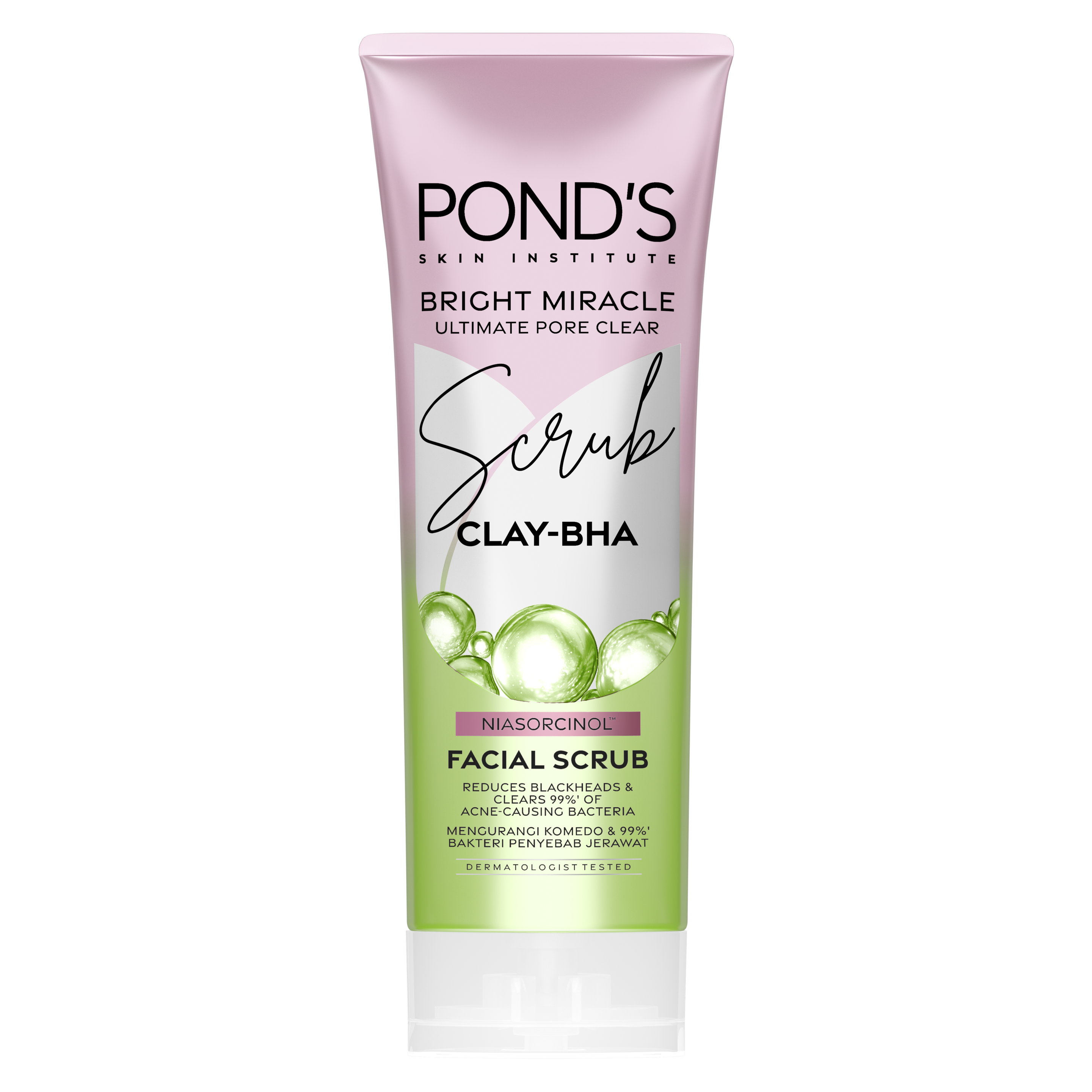
Sensitive, highly acidic skin can benefit from ingredients such as ceramides, niacinamide, and hyaluronic acid. These ingredients help replenish the skin’s natural moisture while supporting its protective function. Try POND'S Bright Miracle Ultimate Pore Clear Facial Scrub, powered by NIASORCINOL, which combines the effects of niacinamide to help fade dark spots and E-resorcinol for extra glowing skin.
4. Keep your skin hydrated.
Hydration helps replenish the skin barrier and is crucial for maintaining a healthy acid mantle. How is it different from moisturization? Hydration involves using humectants like glycerin or hyaluronic acid to draw water into the skin, while moisturization is locking all that water in with a creamy or oil-based emollient or occlusive.
5. Wear sunscreen.
Wearing sunscreen is essential to healthy skin, regardless of pH level. It helps keep UV rays from damaging your skin cells, which can result in hyperpigmentation, sunburn, and premature skin aging, at the very least.
Having slightly acidic skin is ideal but remember that it’s normal for your skin’s pH levels to fluctuate due to lifestyle changes, products in your routine, and even climate. When this happens, simply adjust your skincare routine to focus on hydration, protection, and repair. Check out BeautyHub PRO to learn more about your skin’s pH and find out which products will work best for your specific skin issues and needs.