Tips and Inspiration
From Unilever Beauty Experts


Browse the beauty aisle and you’ll find scads of tanning products, from bronzing drops to tinted lotions. Yet, despite all the innovations, plenty of women still choose to sunbathe or frequent tanning beds to even out their morena skin and get that summer glow.
It’s hard to see how sun exposure can be harmful, even though it’s a well-established fact. After all, isn’t some sunlight supposed to be good for you? The immediate effects of tanning might seem minor, but the long-term damage is far more serious.
Why Do People Want to Get Tanned?
For some folks, tanning is a confidence booster. In the Philippines, many Filipinas tan to get a golden glow. Morenas, in particular, sunbathe to make their complexion look bronzed and less ashy, or to camouflage discoloration (which doesn’t work, by the way!). The bronzed look can make you look more snatched and naturally radiant – the two perks that makeup and fake tan sometimes fail to achieve.
Basking in the sun is also more popular than self-tanners just because the latter isn’t always available in the local market.
Is Tanning Good for Skin?
Although a sun-kissed complexion may not hurt like a sunburn, a tan is strong evidence that the DNA in your skin cells is already damaged by UV radiation. Overexposure to ultraviolet rays prompts your skin to produce more melanin to prevent further damage. And while you may not see any issues after one tanning or sunbathing session, the damage can compound and manifest later. Here are some immediate and long-term effects of tanning.
1. It dries your skin.
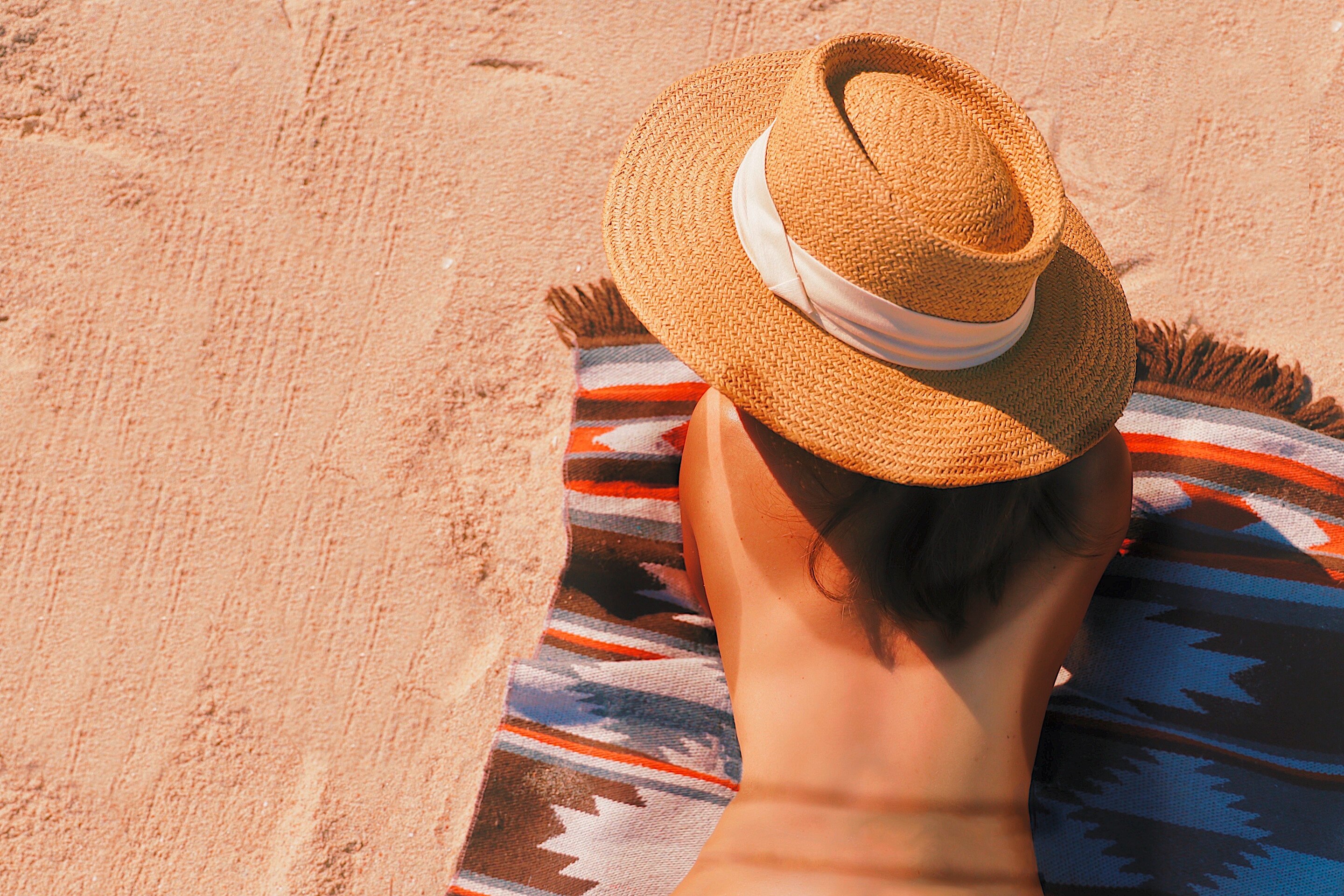
Prolonged exposure to the sun can strip the skin of its natural oils, making already-dry skin flaky and cracked. In some cases, it can also cause itchiness. These issues occur when UV rays break down the skin barrier and deplete the Natural Moisturizing Factor (NMF) inside it, which is crucial for attracting and retaining moisture in the skin.
Indoor tanning isn’t any better. The concentrated heat lamps can trigger heat rash (miliaria), characterized by raised white or red bumps that persist for days.
2. It causes dark spots to appear.
Plenty of morena ladies think they’re immune to sunburn, and therefore, they can skip sunscreen and sunbathe without worry. This is a dangerous myth. While it’s true that the extra melanin (skin pigment) in darker skin tones helps protect the skin from the sun, it doesn’t fully block UV radiation.
When your skin tans, it reacts to UV exposure by producing even more melanin as a defense mechanism. This increased production can result in hyperpigmentation. You may notice dark spots on your face, hands, shoulders, and other areas frequently exposed to the sun. Getting rid of them is much harder than preventing them.
3. It ages your skin.
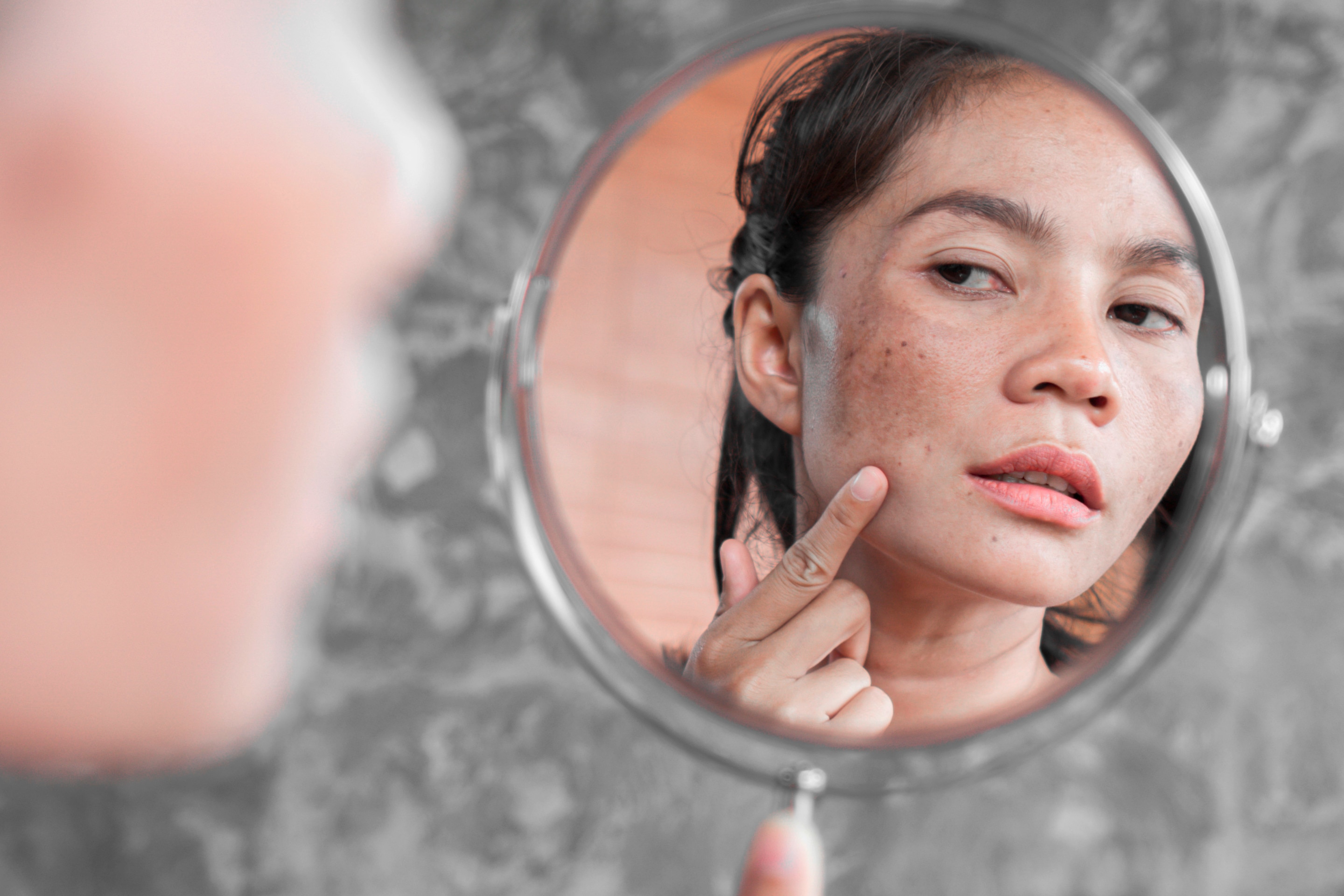
Studies show that sun exposure accounts for up to 80% of skin aging. Think fine lines, sagging skin, loss of volume, and uneven skin tone. On top of that, these signs of photoaging often show up long before someone reaches their forties.
UVA and UVB rays emitted from the sun (and sunbeds) create free radicals, a.k.a. unstable molecules that can damage skin cells. It also sparks an inflammatory response in the skin, impairing the production of collagen and elastin fibers. Over time, wrinkles start to appear around the eyes and mouth, followed by droopy and blotchy skin on the forehead and cheeks.
4. It may lead to skin cancer.
People rarely think something as extreme as skin cancer can happen to them. But don’t take the risk lightly, especially if you love getting a tan now and then. The reality is that overexposure to UV rays – whether from outdoor or indoor tanning – can cause DNA damage. UVA radiation, in particular, also suppresses the body’s immune system, impairing the skin’s ability to protect itself against stressors.
This risk isn’t limited to those with fair skin. In fact, skin cancer in individuals with darker skin tones often goes undetected longer. Lesions or changes in moles can blend with the natural skin pigmentation, delaying diagnosis and treatment.
How to Make Your Skin Glow Naturally at Home
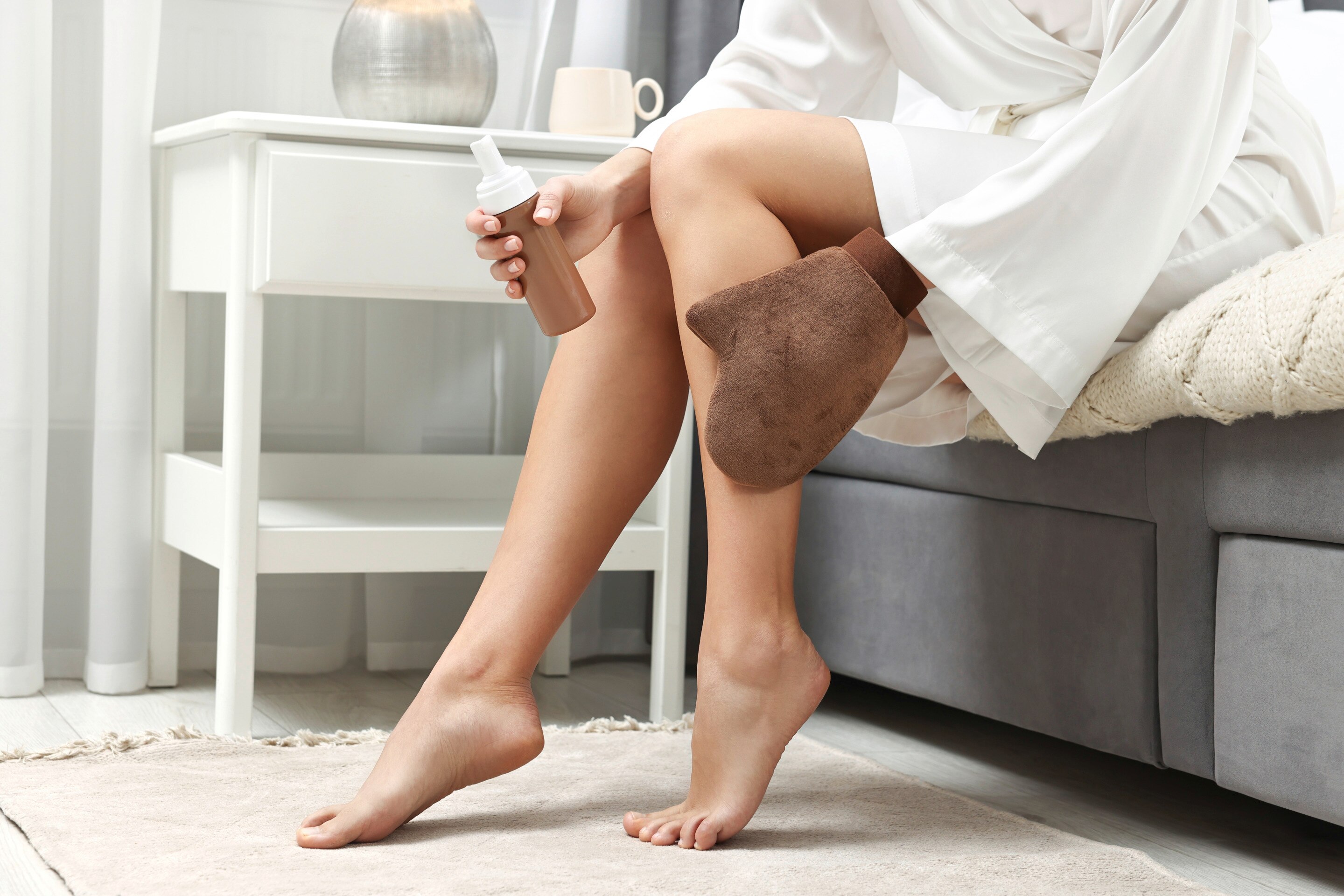
You can get a golden glow without damaging your skin. Opt for one with a non-streaky formula in a shade that matches your undertones. Whether it’s a mousse, spray, or lotion, make sure it doesn’t feel sticky or too dry. And remember, the longer you leave it on, the darker your skin gets, so set a timer!
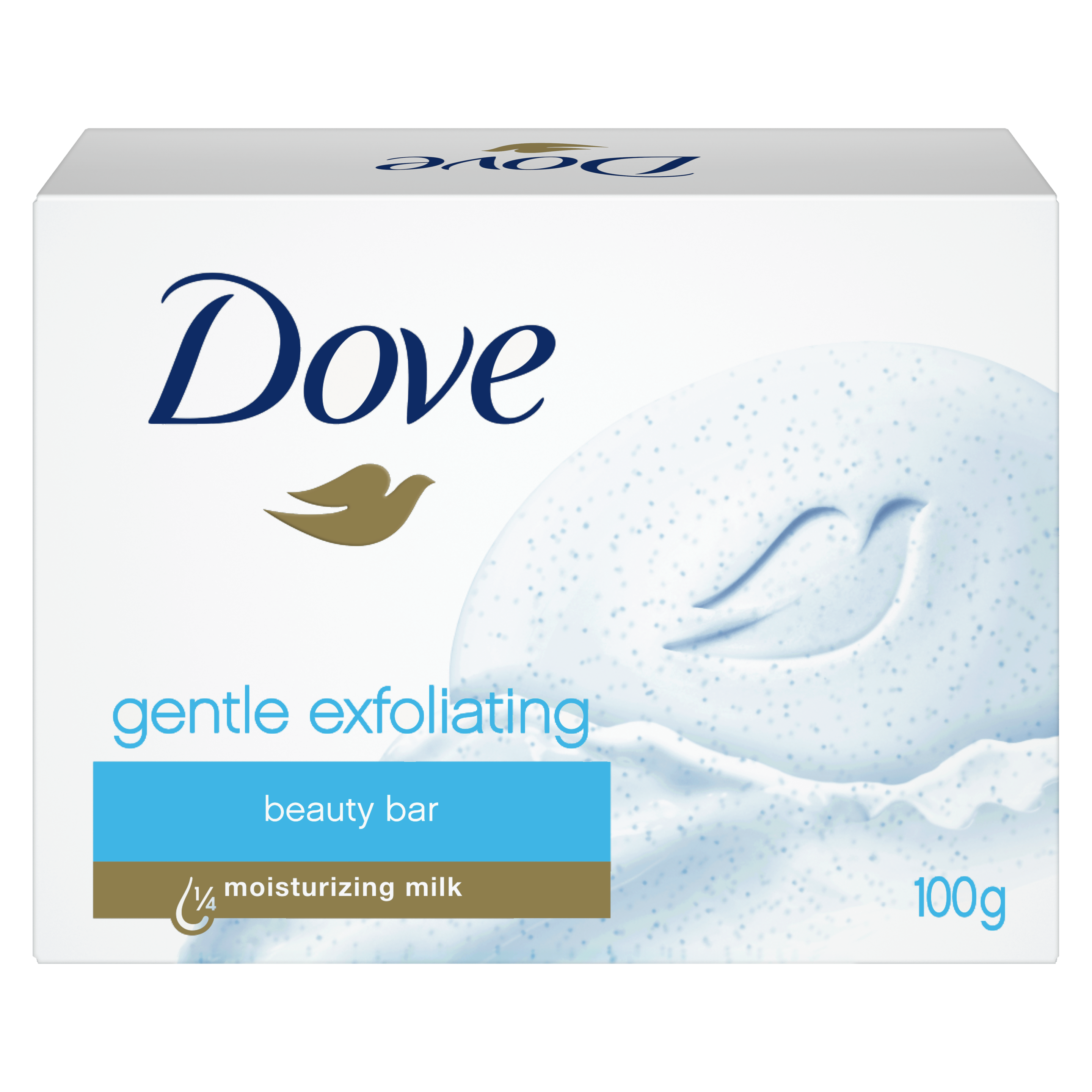
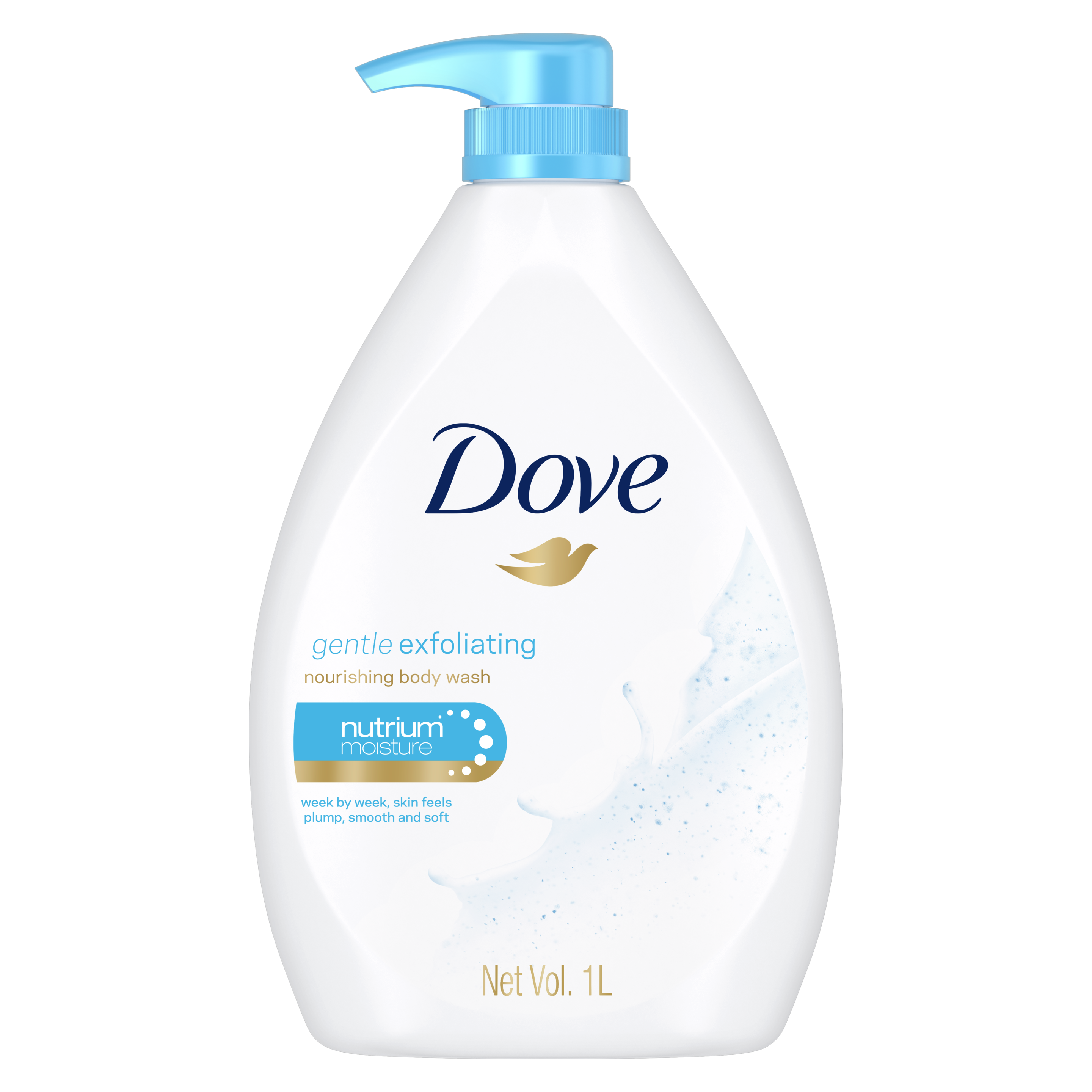
Before getting a fake tan, slough away dead skin for a smooth application. Use Dove Bar Gentle Exfoliating, which has ¼ moisturizing cream to revitalize your skin, leaving it brighter and softer. You can also try Dove Gentle Exfoliating Body Wash. It has exfoliating beads that clear away dull skin and NutriumMoisture™ technology that restores the skin’s nutrients.
Tanning might make your morena complexion extra glowing, but without proper preparation, the potential long-term damage is far from worth it. Protect your skin by diligently applying sunscreen every day. If you want to bronze out your skin for special occasions, reach for fake tanning products instead.