Tips and Inspiration
From Unilever Beauty Experts
;Resize=(486,122))

Few things can compare to the joys and challenges of becoming a mother. It’s a life-changing experience, to say the least. But for some new moms, the journey can come with feelings of sadness, isolation, and even exhaustion. This could be a case of post-partum depression or PPD, which can affect many first-time mothers.
If you have a new mom in your life whom you think might be struggling, it can help to let her know that she has you to count on. All Things Beauty consults a psychologist to explain what PPD is and share advice on how to deal with it. Read more to learn how you can be there for moms who need help.
What is Post-Partum Depression?
“Post-partum depression is characterized by feelings of sadness, loneliness, fatigue, and even indifference after childbirth,” explains Alexandra Legarda, a licensed psychologist and psychometrician of Mind Matters.
“There are many factors that can cause it, but one main thing we need to understand is that women go through hormonal changes after giving birth,” she points out. “That, coupled with low social support, a personal or family history of depression or anxiety, ambivalence on pregnancy, the general stress of having a newborn, and navigating through all these life changes, may be contributing factors,” she adds.
Common Post-Partum Depression Symptoms

Depression after giving birth will look different for every mom who’s going through it. According to Legarda, this can manifest in how she navigates through her day-to-day life. Common signs include neglecting personal hygiene, changes in her sleep habits, a low appetite, withdrawing from family and friends, and having trouble remembering information or making decisions.
PPD could also show in the mom’s relationship with the baby, such as struggling to bond with her newborn. Fluctuations in mood, like irritability or anger, as well as crying spells, are also indicators to look out for.
Your Support Matters
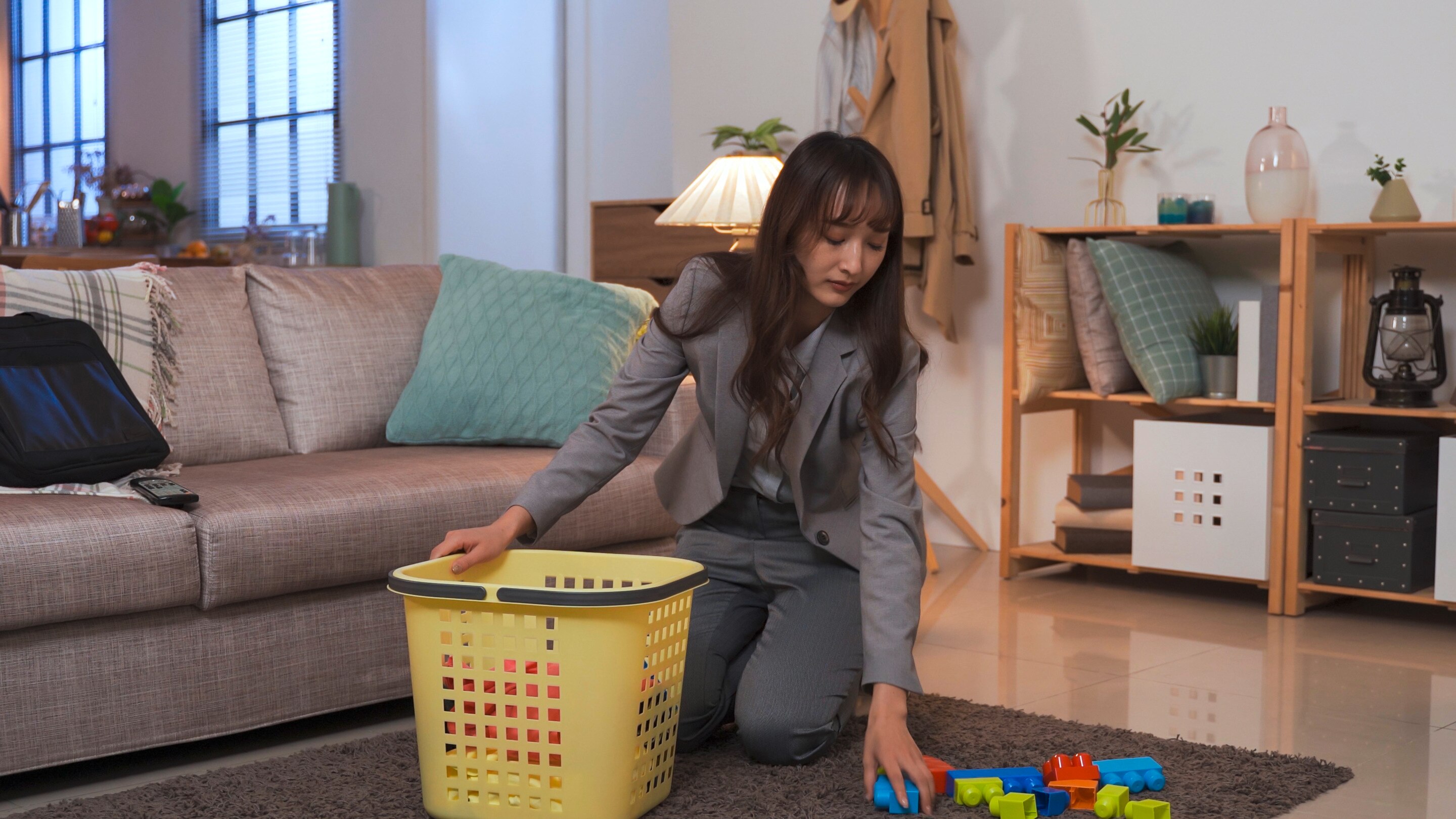
“Having a baby brings about a lot of changes in a new mom’s life,” says Legarda. “These changes can be too heavy to navigate as they simultaneously try to keep their baby alive and well.”
What can you do? A simple check-in, a helping hand, or even just listening can help a mom with PDD symptoms feel less alone. Legarda shares a few things you can try:
- Offer help: Lend a hand in childcare, prepare a meal, do the house chores, or just anything that can take things off her already full plate.
- Get the community involved: Have dinner with the family, arrange visits from relatives, or plan get-togethers with close friend groups. Legarda stresses that having strong social support helps moms with PDD overcome difficult situations faster.
- Show empathy and understanding: Listen or exchange stories. Don’t judge or make assumptions about her journey. For a mom who feels isolated, it’s comforting to be seen, heard, and understood.
- Seek help: Refer or offer to look for mental health professionals that she can talk to.
- Give a pick-me-up: Gifts that can serve as self-care reminders or indulgences that can pamper her may help lift her spirits or give her something to look forward to.
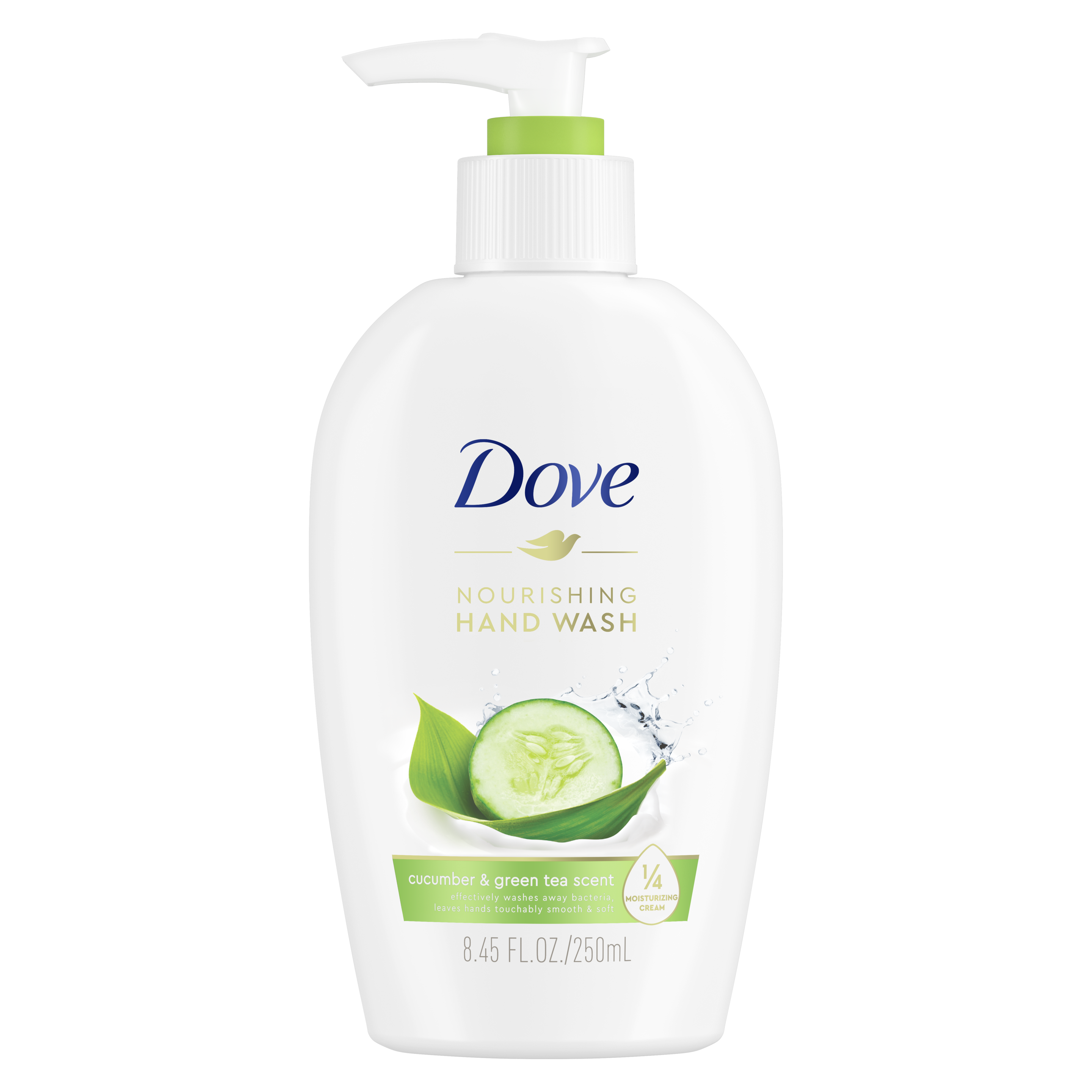
Dove Nourishing Hand Wash Cucumber and Green Tea has a moisturizing formula that cleanses thoroughly without drying skin. For new moms with a lot on their hands (literally and figuratively!), the revitalizing essence of this hand wash can help boost their mood.
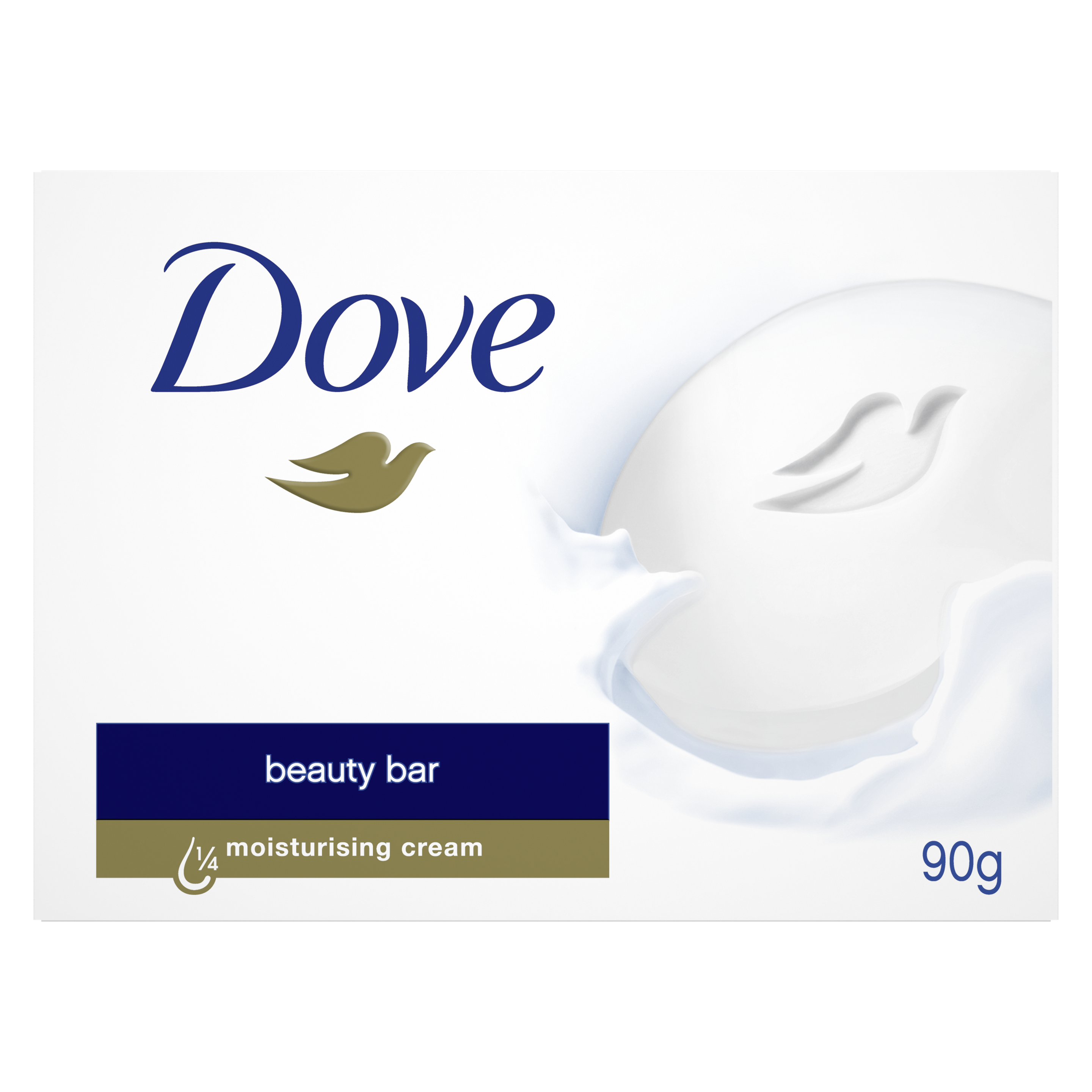
Offer to help at home so she can get her uninterrupted shower time (that doubles as her me-time) to help de-stress. Dove White Beauty Bar cleanses and moisturizes, leaving skin softer, smoother, and nourished. It’s gentle and safe on the face, hands, and body.
A Gentle Reminder
How to overcome post-partum depression? To the new moms in this journey, Legarda says: “It’s important to remember that having PPD is not your fault or something you could’ve brought upon yourself,” she stresses. “It’s okay if you’re having a hard time. Pressuring yourself to function as if you weren’t struggling don’t make the challenges go away – and it can lead to more hardships because you’re not you're not allowing yourself to go through the phases.”
So, tell the new moms in your life that they’re not alone, and you’re with them in their mom-hood journey, even as they navigate the difficulties of post-partum depression. “Encourage them to give themselves a lot of patience and compassion,” adds Legarda. “Most of all, remind them that they’re doing their best.”