Tips and Inspiration
From Unilever Beauty Experts
;Resize=(486,122))
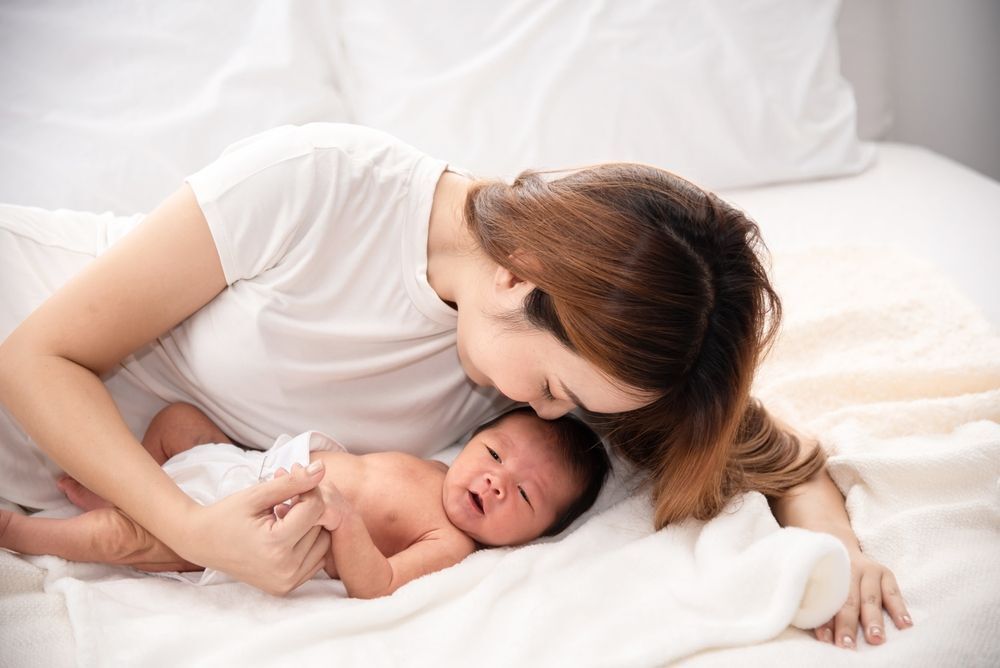
It’s never easy for a parent to watch their little one suffer from the discomfort of a baby rash. But rashes and skin reactions can happen to any baby, since their skin is more susceptible, so there’s nothing to panic or feel guilty about. If you start to see the telltale signs, here are three things you can do right away, plus tips on how to prevent rashes in babies in the future.
Immediate Steps for Rash Relief
First things first: when you spot a rash, the priority is to calm your baby’s skin and provide immediate relief. Acting quickly can prevent it from worsening and keep your baby comfortable.
Step 1: Clean the area gently.
Whichever kind of baby skin rash you’re dealing with, start by gently cleaning the area. For diaper rash, remove the soiled diaper right away, then rinse with warm water and a mild cleanser. This is better than using baby wipes, which often contain alcohol and fragrance that could further irritate your baby’s delicate skin.
Step 2: Pat the area dry or let it air dry.
After gently cleaning your baby’s skin, pat the area dry with a soft washcloth and let it air-dry completely. Avoid scrubbing or using talcum powder which can further irritate the skin. If you can, the American Academy of Dermatology Association (AAD) suggests letting your baby go diaper-free as long as possible to let the skin dry and heal.
Step 3: Apply a barrier cream.
Once the area is clean and dry, apply a thick layer of cream or ointment for baby skin rashes. Look for one with either zinc oxide or petroleum jelly in the ingredients. Don’t be stingy with the application. In fact, in severe cases, the AAD recommends “layering it on like you are frosting a cake.” And no, you don’t need to reapply every time you change nappies. Remember, you don’t want to rub the area, as that can cause further irritation.
How to Prevent Rashes in Babies Before They Start
Knowing how to treat rashes is one thing but being aware of how to prevent them is even better. From diligently changing diapers to consistently applying a gentle moisturizer, here are baby skin care tips to help protect their delicate skin from rashes.
1. Change your baby's diaper before it’s soiled.

Waiting until your bub’s diaper gets dirty and smelly before attending to it might be too late. Urine contains ammonia and other compounds that can irritate the skin. The enzymes present in a baby’s poop (lipase and protease, to be specific) can cause inflammation if left on for too long.
2. Keep the area clean and dry.
Once or twice a day, you can soak their buttocks in warm water for five minutes after cleansing them. This helps remove any residue and soothe baby rashes. Pat the area dry with a soft towel and apply baby rash ointment if you see crusting or tiny bumps.
3. Encourage naked time for your baby.
Allowing your baby some diaper-free time is a simple yet effective step in managing baby skin rashes. Irritations and infections are typically due to excess moisture and friction, so letting the skin breathe can help it heal much faster.
4. Make time for some morning sun exposure.
Exposing baby’s skin to the morning sun for about 30 minutes helps inhibit bacterial growth that causes diaper rashes, research says. On top of that, multiple studies have shown that allowing them to walk naked would speed up their motor skills development.
5. Moisturize their skin twice a day.
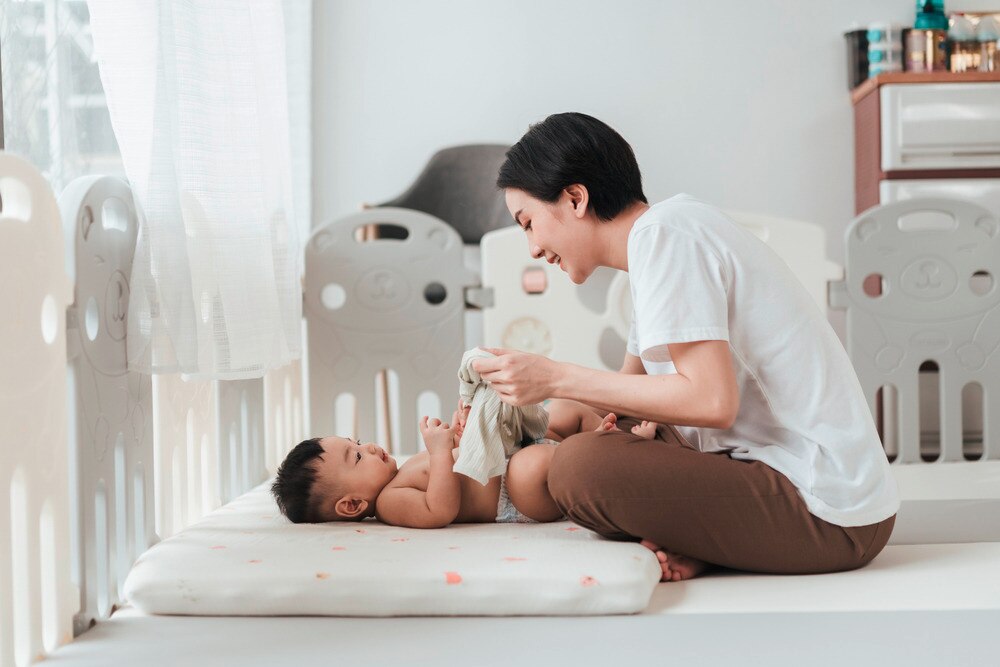
A newborn’s skin is incredibly sensitive and thin. It loses water five times faster than adults, making it more prone to dryness.
If you or your partner has a history of skin conditions, your baby is likely to develop similar issues. As a preventive measure, the AAD recommends applying moisturizer all over baby’s skin daily. According to a 2020 study, doing so can lower the risk of developing atopic dermatitis by half.
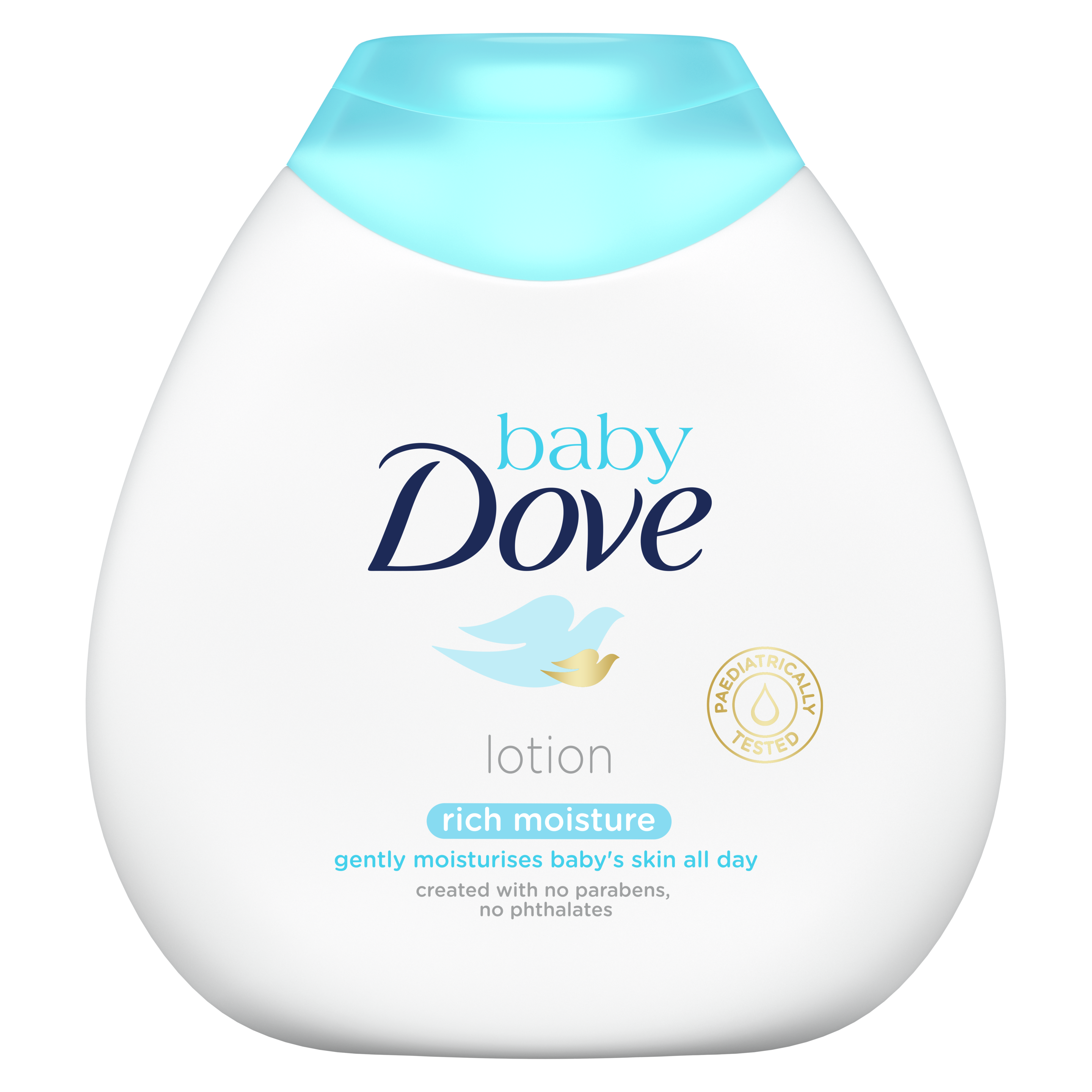
Choose a baby moisturizer with a gentle and pH-neutral formula, like Baby Dove Rich Moisture Lotion. The ingredients provide essential hydration and help maintain the skin barrier. Use it after bathtime to keep your little one’s skin smooth and protected all day.
Different Types of Baby Rashes and How to Care for Them
Diaper rash may be the most common, but it isn’t the only one babies experience. Drool rash, cradle cap, heat rash, and eczema are also common concerns to watch out for. The good news is that there are simple ways to help prevent them and manage their symptoms.
1. Your baby's drool can lead to a rash.
There’s no stopping your baby from drooling, especially during the teething phase. But you can minimize their risk of developing baby rashes by limiting pacifier time to naps or going cold turkey. That way, there won’t be any saliva trapped between the binky and the skin.
Quick tip: Give those pacifiers a break. Drool rash is caused by excess saliva that keeps areas around the mouth, cheeks, and even the neck and chest, wet.
2. Newborns are susceptible to cradle cap.
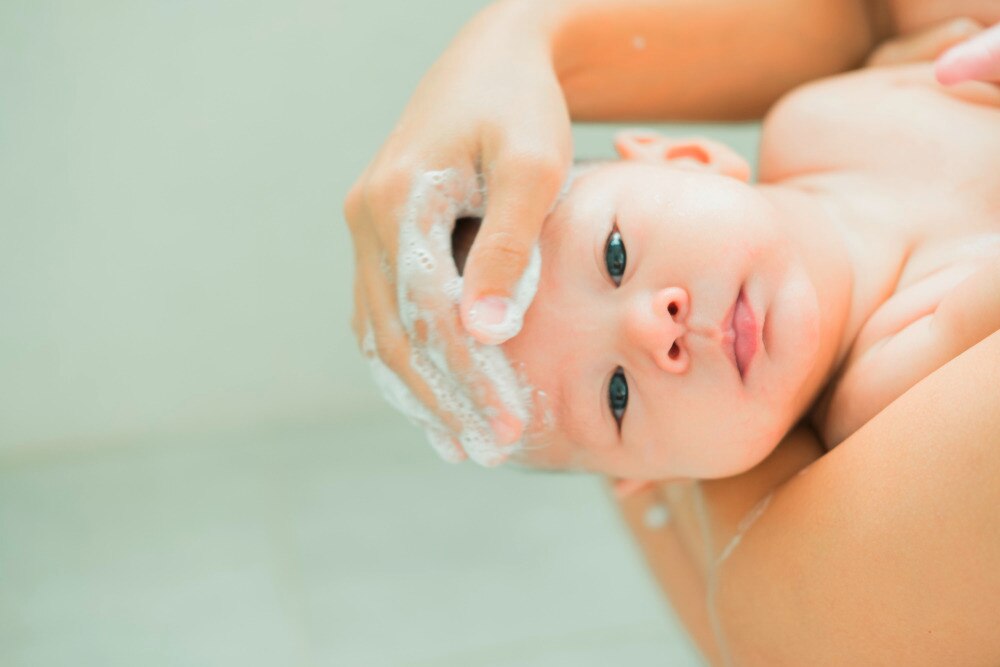
Cradle cap, characterized by yellowish, scaly patches on the head, is a common condition many newborns experience. The cause? Overactive oil glands, along with dead skin buildup.
Quick tip: Massage your baby's scalp daily. Gently massaging your baby’s scalp can also help improve circulation.
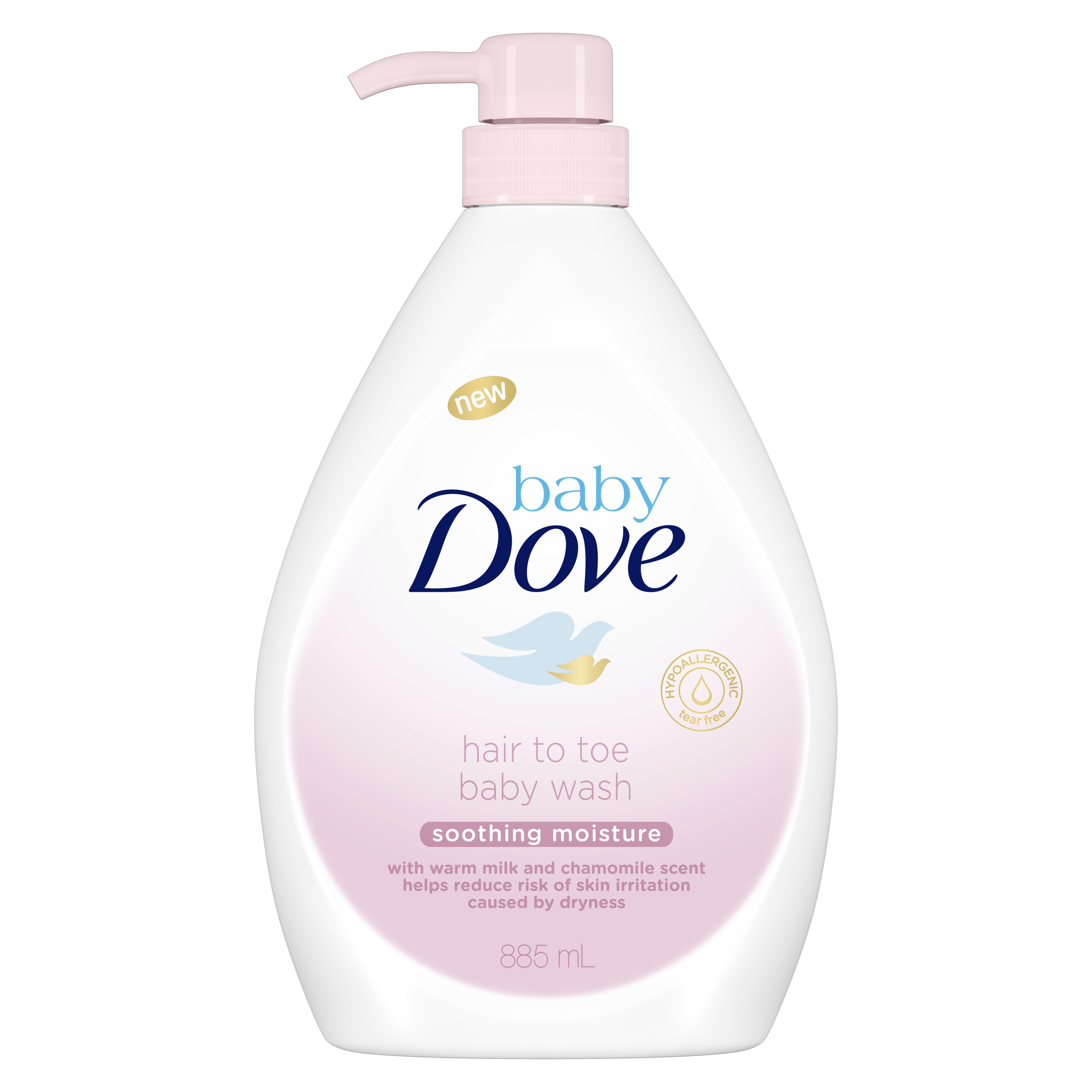
To prevent cradle cap, wash your baby’s hair daily. Using your fingertips, slowly massage Baby Dove Hair To Toe Rich Soothing Moisture onto the scalp to help loosen flakes. This hypoallergenic baby shampoo is as gentle as water and has earned the seal of approval of dermatologists, pediatricians, and ophthalmologists. Plus, it contains Dove’s signature ¼ moisturizing cream that works to nourish sensitive skin.
3. Heat rash is common in hot and humid climates.
Heat rash or bungang araw is common in the Philippines, where the weather is hot and humid for most of the year. Research shows that babies are more likely to get them since their sweat glands and ducts are still maturing, and their bodies aren’t yet as efficient at regulating temperature.
Quick tip: Keep your baby in a cool area or room. To help prevent heat rash, keep your baby in a cool environment – especially during the summer months – to minimize sweating. Dress them in loose clothing made from cool, breathable fabrics, and ensure they stay well hydrated. Pay extra attention to skin folds such as the neck, underarms, groin, and the creases of the arms and legs. If your baby lies down often, heat rash may also appear on the back.
Bungang araw can be itchy and uncomfortable. For quick relief, apply a cool compress to the affected area. Make sure to clean the skin with cool water and gently pat dry – not rub – to avoid irritation.
4. Even babies can suffer from eczema.
Health experts explain that “eczema affects between 10% and 20% of children worldwide, and for many babies, the condition is genetic.” Born with an impaired skin barrier, they are more susceptible to irritants and allergens that cause itchy rashes.
Quick tip: There is no cure, but you can manage symptoms by giving your baby daily baths and moisturizing twice a day with a mild, fragrance-free cream or ointment.
Although it has a genetic component, the American National Eczema Association notes that eczema in babies is triggered by environmental factors such as laundry detergents, soaps and shampoos, ointments, and even dry air. One way to prevent flare-ups is to determine – and avoid – what triggers them.
When to Call a Doctor
Most baby rashes can be treated at home and should improve within a few days. However, if the rash persists despite treatment, begins to spread, develops blisters, or is accompanied by a fever, then it's time to consult a medical professional.
Come prepared with pertinent information like when the rash started, if you’ve been trying a new product (such as laundry detergent, cream, soap, etc.) or introduced a new food to his diet, or if you have a skin condition that runs in the family. Providing as many details as possible will help your doctor make an accurate diagnosis and recommend the right treatment.
Bottom line, knowing how to prevent rashes in babies comes down to proper hygiene and choosing gentle skincare products. If you have further concerns about baby rashes, don’t hesitate to seek guidance from a healthcare professional.