Tips and Inspiration
From Unilever Beauty Experts
;Resize=(486,122))

Alas, “ghosting” is term that’s become a fixture in the ever-messy world of modern dating. You meet someone. Sparks don’t fly. And you’re tempted to... never reply. You leave them with no explanation, no confrontation, just radio silence.
Blame it on modern dating and the digital tools used in courtship – or maybe, the dating culture has evolved, and disappearing without a trace is just another modern move. In today’s fast-paced dating world, slipping into digital oblivion has become more common than ever. But is it always wrong to ghost, or are there moments when going MIA can be justified? Let's unpack it.
What Is Ghosting?
Ghosting, in the context of dating, refers to the act of cutting communication without explanation. One day, you’re chatting and making plans. The next day, they just randomly leave you on “seen”... and you never hear from them again. They vanish without a trace, ending things without clarity, and leave you confused or even anxious.
It can happen after one date, a few weeks of texting, or even midway through a “situationship.” There are also different types of ghosting: the total cut-off (a.k.a. hard ghosting), breadcrumbing (where someone occasionally checks in to keep the door open but is inconsistent), or slow fading (where responses trickle until they stop altogether). No matter the method, it’s usually a sign that they’ve moved on to their next prospect.
Why Ghosting Has Become So Common

Modern dating has changed the game. Apps have made it incredibly easy to move on. One swipe and you’re already chatting with someone new. That constant stream of potential matches can create the illusion of endless options, making it feel less necessary to invest time – or offer a proper goodbye – when things fizzle out.
Add to that the nature of online communication: quick, casual, and often low effort. When a connection is built entirely through DMs or dating app chats, it’s easier for some to disappear without feeling like they owe the other party an explanation.
Why You Shouldn’t Ghost
In most cases, ghosting is something to avoid. It skips over the basic courtesy of treating someone with respect, especially when they’ve shown genuine interest or invested time in getting to know you.
At its core, withdrawing without closure is often less about the other person and more about emotional avoidance. It’s like signing up for the fun parts of dating, but when it’s time to be honest or have a tough conversation, you bail out. It might save you a moment of discomfort, but it leaves the other person in the dark, confused, second-guessing themselves, and often feeling rejected without knowing why.
When Is It Okay to Ghost Someone?

Short answer: rarely. But sometimes, walking away without a word is the safest or most reasonable move, especially when things are off. Here are a few situations where running without a word may be forgivable.
- They crossed the line. If they disrespected your boundaries, acted inappropriately, or came off way too pushy, walking away without an explanation is valid.
- It felt like trouble. Do you see signs of controlling behavior, aggressive language, or emotional red flags? You don’t owe anyone a message when your well-being is at stake.
- The convo was going nowhere. You tried being honest, but they weren’t listening or taking the hint. Sometimes, silence is the last resort.
- Mixed signals and mind games. If it felt like you were being played or strung along, removing yourself from the equation sounds fair.
On the other hand, if you’re the one who got ghosted, know that it’s not always personal. Sometimes, it’s about timing. In other cases, it could be something you missed. Here are some things that may have gone wrong.
- You came on too strong. What felt like genuine interest to you might’ve felt like love-bombing to them.
- Dry replies, dry vibe. If your messages or questions weren’t engaging or felt one-sided, they might have quietly bowed out.
- Lack of interest. If you didn’t show effort or curiosity about them, they could assume that you’re just coasting through.
- It just didn’t click. Maybe they didn't think it was going anywhere, or that you two haven't gotten close enough for them to have to spell it out.
To Ghost or Not to Ghost
Being on either end of ghosting can leave you feeling let down. Getting ghosted hurts but having to ghost someone isn’t exactly easy or ideal either. Whichever it is, it’s time to move on and focus on yourself.
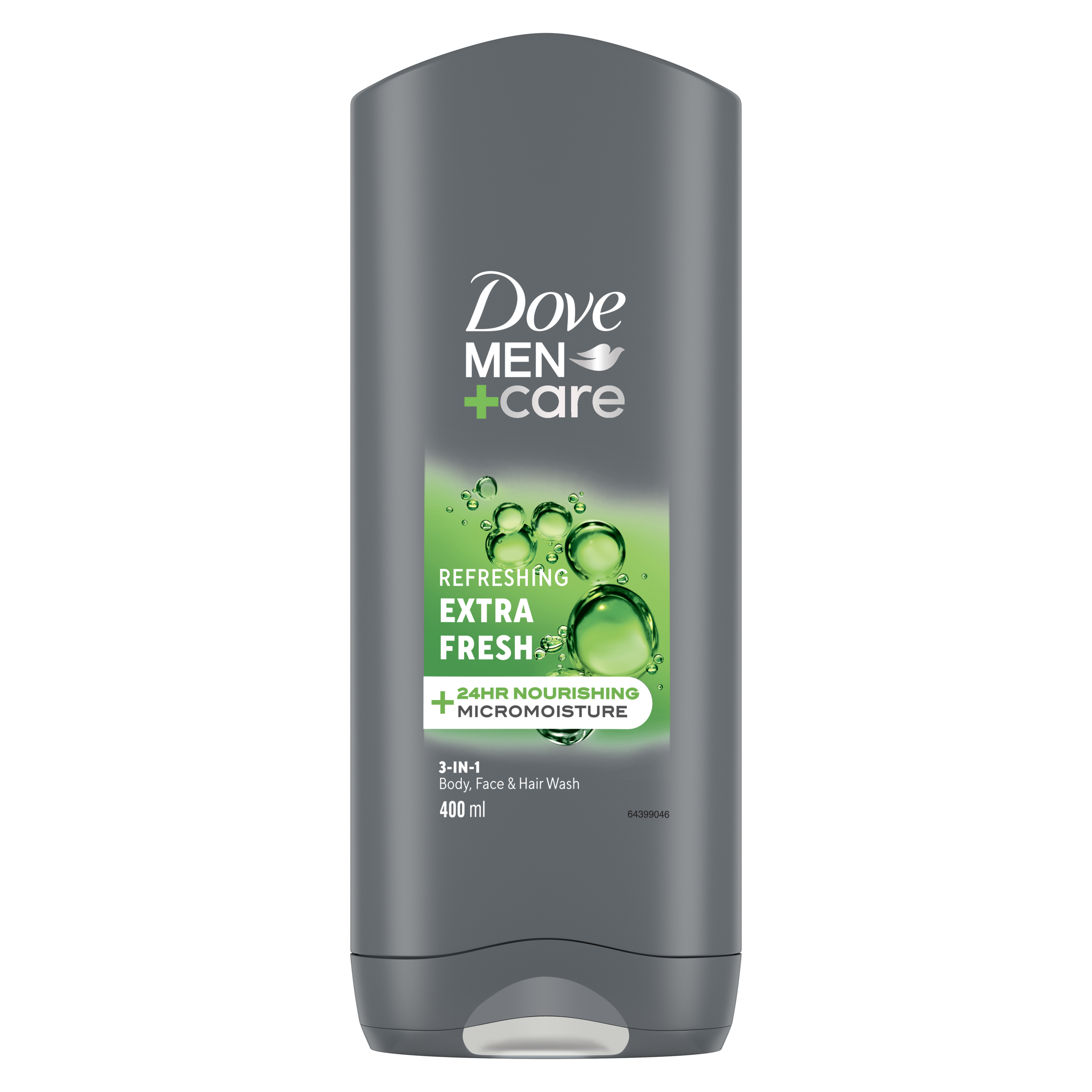
Give yourself a reset. Start with a cold shower using Dove Men+Care Body Wash Extra Fresh to help you feel refreshed and ready to start again. Stay cool under pressure with Rexona Men Motionsense Roll On Deodorant Ice Cool and seal the deal with Axe Body Spray in Emerald Sage to help you get back your confidence.


The hard truth is: Dating is messy, and it comes with caveats like ghosting, whether you’re on the receiving end or the one doing it. What matters more is walking away with something learned, such as how to communicate better and show up more honestly. Good luck!