Tips and Inspiration
From Unilever Beauty Experts
;Resize=(486,122))

You wash your hair regularly, maybe even daily. You follow the steps – shampoo, rinse, repeat – but somehow, your hair still looks greasy just hours later. It’s frustrating, confusing, and feels like you’re doing something wrong.
If you’ve ever found yourself wondering, “Why is my hair greasy after I wash it?” know this: it’s not just you, and it’s not necessarily poor hygiene either. Greasy hair is often your scalp’s way of trying to protect itself, but too much oil can leave your hair looking limp and unclean. Understanding what’s happening beneath the surface is the first step to fixing it. Let’s break it down.
What Causes Greasy Hair?

Greasy hair is usually the result of excess sebum, a natural oil produced by your scalp. Sebum keeps your scalp healthy, but too much of it can weigh your hair down and make it look dirty. Several factors can cause your scalp to overproduce oil, including the following:
- Over-washing: Ironically, this can make your hair greasier. Stripping your scalp of natural oils too often can actually trigger more oil production.
- Hormones: Androgens like testosterone can ramp up sebum production, which is why many men experience oilier hair in their teens and twenties.
- Product buildup: Using heavy styling products can leave residue behind that attracts dirt and oil.
- Touching your hair too much: Constantly running your hands through your hair transfers oil from your skin to your strands.
How to Prevent Greasy Scalp After Washing Hair
If your freshly washed hair still feels greasy, your routine might need a tweak. Here are some ways to keep oil at bay and reset your scalp’s natural balance.
Switch to a clarifying shampoo once a week.
A clarifying shampoo gives your scalp a clean slate, removing buildup that can contribute to dullness and greasiness. Just don’t overuse it because it’s meant for occasional deep cleaning, not everyday use.
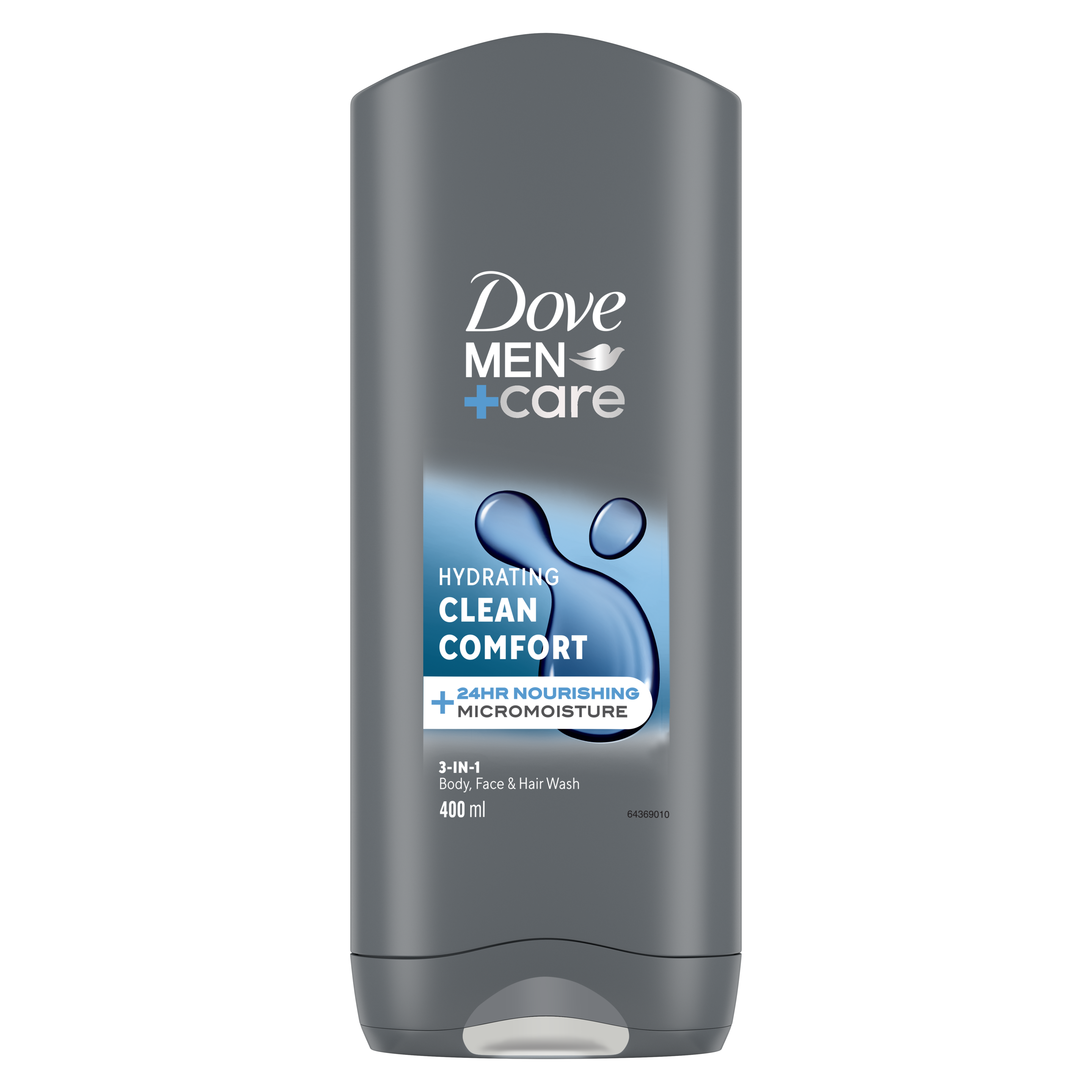
On the regular, use Dove Men+Care Body, Face & Hair Wash Clean Comfort. It’s enhanced with MICROMOISTURE technology to nourish and hydrate your hair strands.
Use lukewarm (not hot) water.
Hot water might feel great, but it can strip your scalp of natural oils too aggressively, prompting it to produce even more oil to compensate. Lukewarm water is gentler and helps maintain your scalp’s natural balance.
Avoid heavy conditioners at the roots.
Conditioner is meant to hydrate and smooth the hair, but applying it too close to the scalp can weigh your hair down and make it look greasy. Focus on the mid-lengths and ends, where your hair actually needs moisture.
Rinse thoroughly.
It’s easy to rush through your rinse, but leftover shampoo or conditioner can build up on your scalp, trap oil, and dull your hair’s appearance. Take an extra few seconds to make sure everything is fully washed out.
Don’t use too much product.
If your hair feels greasy or limp, the culprit might be using too much shampoo each time you wash. If you have short hair, about a pea-sized amount will do. For longer hairstyles, aim for the size of a 5-peso coin. Using the right amount of shampoo also helps cleanse your hair effectively without weighing it down or stripping off its natural oils.
Choose the right shampoo for your scalp type
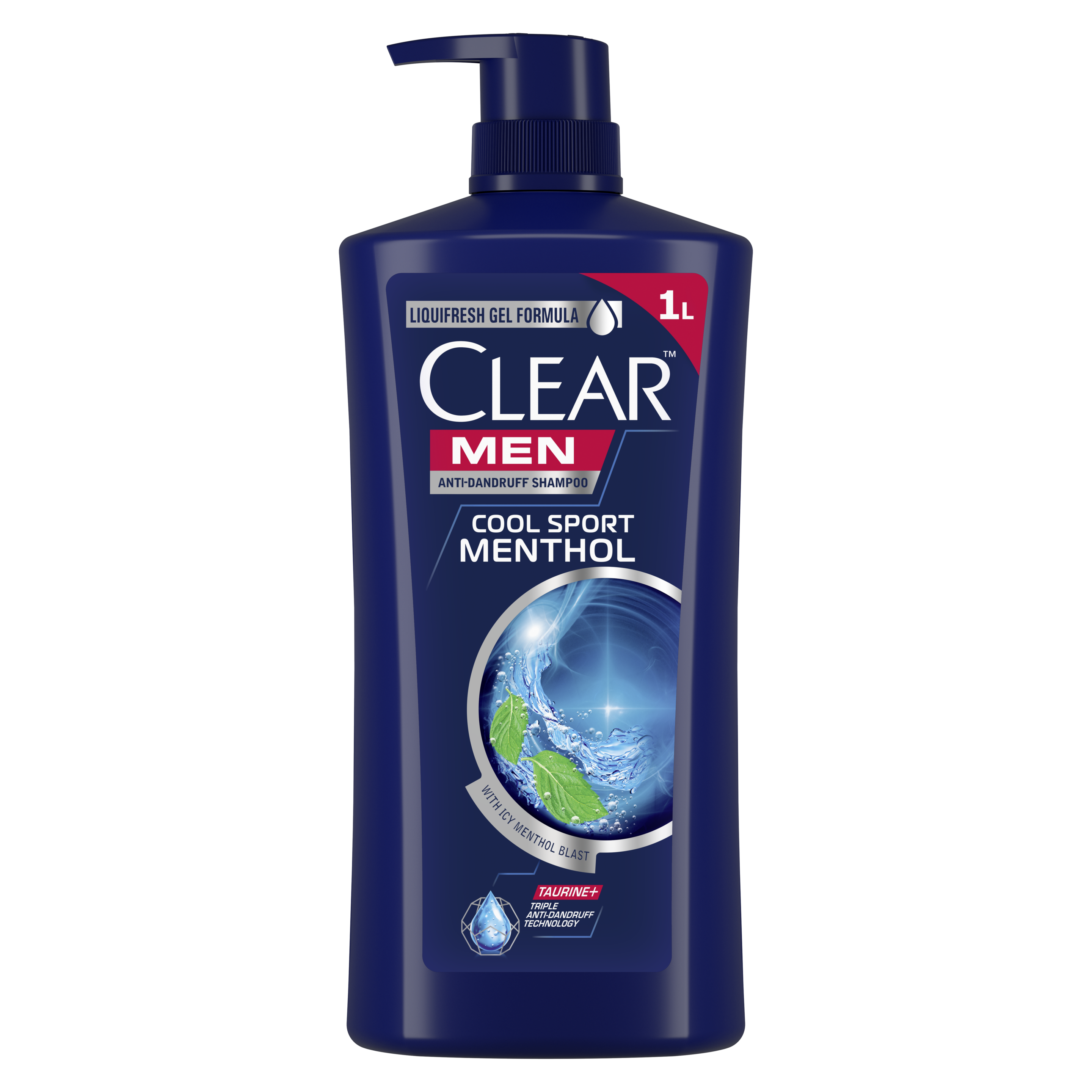
Look for shampoos specifically formulated for oily or dandruff-prone scalps. Options like Clear Men Cool Sport Menthol Shampoo help remove excess oil, refresh the scalp, and reduce flakes without overdrying.
Why Does My Hair Get Greasy Overnight?
Even if your hair looks perfectly fine in the evening, you might wake up wondering why your roots are already slick. The answer lies in what happens while you sleep. As your body winds down, your temperature naturally rises slightly, and your scalp doesn’t stop producing sebum. Some people’s oil glands become more active overnight, especially if they’re dealing with hormonal fluctuations, stress, or poor sleep quality.
Add in a few external factors – like sleeping with product in your hair, not brushing before bed, or using the same pillowcase for days – and you’ve got a recipe for overnight greasiness. Residual styling products can mix with fresh oil, while an unwashed pillowcase can reintroduce yesterday’s dirt and grime to clean strands.
If waking up with oily hair is a daily occurrence, your nighttime routine might need a few tweaks.
Hair Care Tips for Greasy Hair

Managing oily hair isn’t about washing more or scrubbing harder, but about finding the right balance. A few thoughtful changes to your grooming and lifestyle habits can make a noticeable difference.
Use dry shampoo between washes.
It’s a game-changer for men with oily hair. A few sprays at the roots can soak up excess oil, add volume, and extend the life of your hairstyle without the need for a full wash. Just be sure to use it in moderation since too much can cause buildup over time.
Go easy on styling products.
Heavy gels, pomades, and waxes might give you hold, but they can also attract dirt and oil, making your hair feel greasy faster. Opt for lightweight products or matte-finish pastes, and apply them sparingly, focusing on the ends rather than the roots.
Eat a balanced diet.
What you put into your body affects how it functions, including your scalp. Foods rich in omega-3 fatty acids (like salmon and walnuts) and antioxidants (like berries and leafy greens) can help regulate oil production and support scalp health from the inside out.
Get regular trims.
Oily hair tends to cling to itself, especially at the ends. Split or overgrown hair can look even greasier and harder to manage. Keeping your hair trimmed and shaped makes it easier to control and gives it a cleaner, fresher appearance.
Still asking yourself, “Why is my hair greasy after I wash it?” Often, it comes down to over-washing, using the wrong products, or simply how your scalp produces oil. Luckily, you don’t need a complicated routine to fix it. With a few smart adjustments, you can keep your hair looking clean and grease-free.