Tips and Inspiration
From Unilever Beauty Experts
;Resize=(486,122))

You’re sitting in the jeep, and you notice that the dude beside you is snowing around the shoulders. You scoot farther and start combing through your head, wondering: Is dandruff contagious?
Dandruff causes vary, but one thing is certain. It’s one of the most prevalent scalp disorders worldwide – eight out of 10 Filipinos will have it at some point. Men are particularly susceptible. Despite its commonness, the condition is still largely misunderstood. In fact, according to The Indian Journal of Dermatology, dandruff remains one of the most commercially exploited skin diseases.
Here’s a closer look at common dandruff myths and what actually helps, including how to choose the right dandruff shampoo and an effective dandruff remedy.
Is Dandruff Contagious?
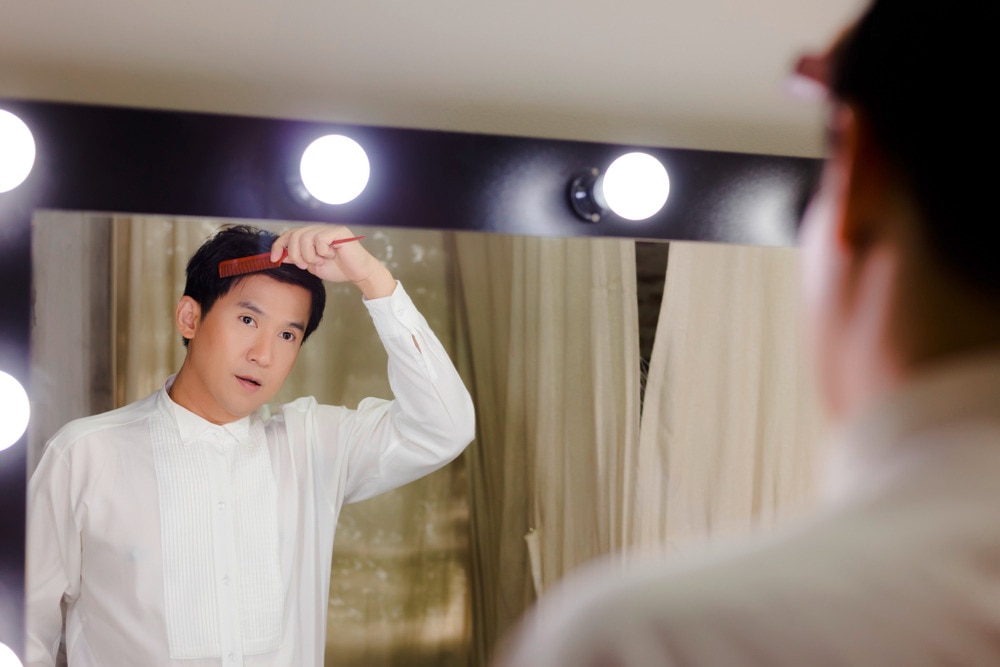
The short answer is no, dandruff is not contagious. It’s typically caused by an overgrowth of a naturally occurring fungus called Malassezia, which feeds on the oils produced by your sebaceous glands. This yeast-like organism is usually harmless, but when combined with an oily scalp or environmental triggers, it can cause flakes.
If most of your colleagues in your workplace have dandruff, it's not because you butted heads in the last team huddle. It may be due to the high statistical probability of Filipinos experiencing a flaky scalp. After all, the heat and humidity in the Philippines can turn your scalp into a hot, moist, and conducive environment for Malassezia to grow.
Apart from the environment, stress, sensitivity, and your skin’s innate oil-producing rhythms can also influence your scalp’s condition.
Why Dandruff Is So Common – And Misunderstood
While a naturally occurring fungus plays a role, flakes don’t appear for just one reason. Oil production, scalp sensitivity, stress, and environmental factors all interact, which is why dandruff can show up differently from person to person.
As mentioned, in places with warm, humid climates like the Philippines, these conditions can create an environment where flakes are more likely to develop. Add in daily pollution, long hours, or lifestyle stress, and the scalp can easily become imbalanced.
Because so many factors overlap, it’s no surprise that misconceptions about dandruff persist. This confusion is exactly why many common myths exist – and why it helps to get to the bottom of it.
6 More Dandruff Myths to Clear Up
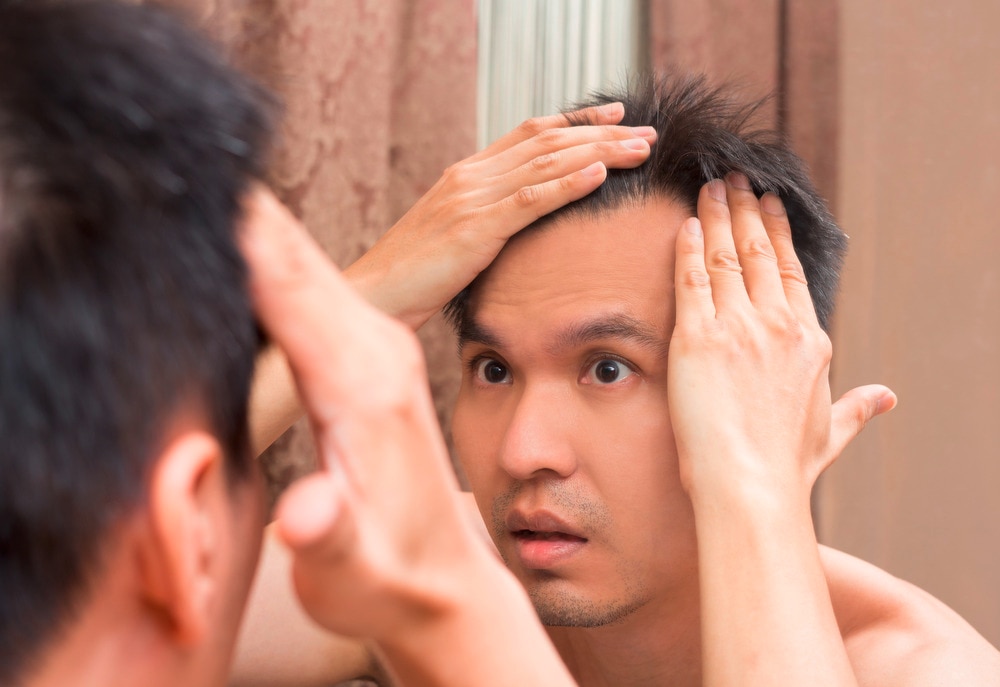
The complexity of dandruff stems from the fact that while a fungus is the primary culprit behind these sticky flakes, the factors that can trigger them are often interrelated. It’s why the myths below exist.
1. Your dry scalp causes dandruff.
Those flakes that you saw from that fellow commuter? They might not even be dandruff. Dandruff and dry scalp flakes look similar, but there are key differences. Dandruff flakes are often yellowish and oily, while dry scalp flakes are smaller and lighter. Remember the last time you had dry skin on your legs? You scratched it, and bits of skin peeled off. When light-colored bits fall out of your head, you might not notice the difference.
That said, a dry scalp may still worsen dandruff. It causes an oil imbalance on your scalp, which may prompt your oil glands to overcompensate. The itchiness from dryness may also make you scratch more often, increasing irritation and buildup on the scalp. This can trigger severe dandruff or even extreme dandruff if left unmanaged.
2. Pollution has nothing to do with dandruff.
While dust and smoke don't directly cause flakes, pollution can aggravate dandruff. Impurities that settle on your scalp can clog pores and disrupt your scalp’s natural oil balance, leading to more oil for Malassezia to feed on. Over time, this build-up can make flakes more noticeable and even worsen fungal dandruff if you don’t cleanse your scalp regularly.
3. Any shampoo can solve dandruff.
Shampoo cleanses your hair and scalp, right? By that definition, all of them should remove the excess oils that Malassezia loves swimming in. These days, shampoos are designed to address various concerns – from hair fall to easy management. If you’re using a shampoo that boosts shine, its extra oils may also lead to a potential imbalance in the oil production by your sebaceous glands.
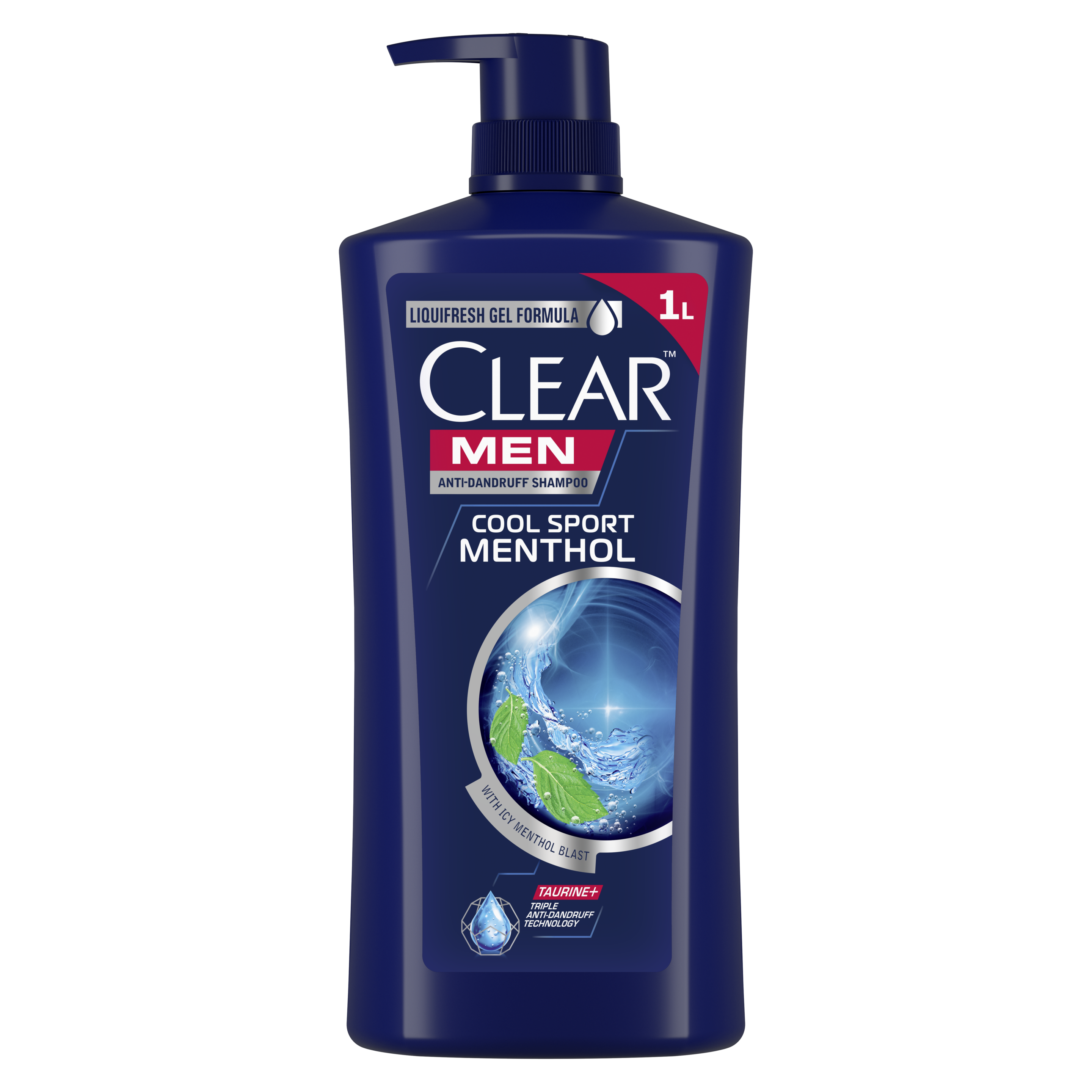
Look for a shampoo that tackles dandruff head-on. Sometimes, finding the right product is as simple as checking the label – formulas clearly marked as “dandruff shampoo” or “dandruff treatment” are is spot on. For example, CLEAR Cool Sport Menthol Anti-Dandruff Shampoo for Men is an anti-dandruff shampoo that contains taurine and Triple Anti-Dandruff Technology to help remove grime and grease while preventing visible flakes from recurring. It’s a solid option if you’re after a reliable and long-term anti-dandruff treatment.
A cheat sheet to find the best anti-dandruff shampoo? Look for formulas with proven ingredients like zinc-based actives, antifungal agents, and oil-balancing components that help control flakes without drying out the scalp.
4. Dandruff causes hair loss.
If you’ve ever wondered whether dandruff can cause hair loss, it can happen indirectly through irritation. Dandruff won’t exactly pull your hair strands out, but the itchiness and tightness that come with these flakes can weaken the follicles and lead to increased shedding. Stress can worsen this cycle – higher stress levels may affect oil production on the scalp, creating conditions that trigger flakes in the first place. Constant itching and irritation can then lead to more scratching, which puts extra stress on the hair roots and can cause hair fall.
5. Poor hygiene causes dandruff.
Not enough research can conclusively link poor hygiene to dandruff. Skipping hair-washing day won’t result in flakes the next day. Inversely, over-washing can cause a sebum imbalance in your scalp.
That said, understand your hair better and tailor your regimen accordingly. If you know your hair gets greasy fast, be more proactive about cleansing and support your routine with a balancing scalp treatment for dandruff or a gentle home remedy for dandruff like tea tree oil or aloe vera to help keep buildup under control.
6. You shouldn't use styling products when you have dandruff.
Just because you have dandruff doesn’t mean you can’t rock a fade or any other haircut that requires wax, gel, or pomade. Just remember to wash your hair thoroughly afterwards. Buildup can trap dirt, oil, and impurities, creating an environment where flakes can worsen and make your dandruff therapy or other anti-dandruff remedies less effective.
So, is dandruff contagious? Not in the sense that touching someone’s dandruff-ridden hair can spur flakes in your own scalp. But if you and your friends are constantly exposed to pollution, share stress, and neglect to wash off the product from your hair, don’t be surprised if a little blizzard happens amid your gang. Arm yourself with the right anti-dandruff shampoo, and you’re good.