Tips and Inspiration
From Unilever Beauty Experts
;Resize=(486,122))

Fed up with those embarrassing flakes ruining your style? Perhaps a recent date couldn’t keep their eyes off your shoulders. Or your barber won’t stop pushing anti-dandruff treatments every visit. The good news: you can break free from these frustrating situations! But first, understand the similarities and differences of seborrheic dermatitis vs. dandruff so you know exactly what you’re up against.
Then, uncover the specifics of each condition and explore possible solutions. Soon, you can reclaim your confidence and enjoy flake-free rizz!
Seborrheic Dermatitis vs. Dandruff: What They Have in Common
Seborrheic dermatitis and dandruff are common dermatological problems that thrive in areas rich in sebaceous glands, the skin’s oil factories. According to a Journal of Clinical and Investigative Dermatology study, they are “the same basic condition sharing many features and responding to similar treatments, differing only in locality and severity.” Both conditions may be linked to the overgrowth of yeast on the skin and may display dryness, itching, and flaking on the scalp.
What Causes Seborrheic Dermatitis and Dandruff?

Dandruff and seborrheic dermatitis causes include biological and environmental factors. These include:
- High oil production: Both conditions stem from excessive sebaceous activity in the skin. Men, who naturally have higher sebum levels, are more prone.
- Fungal activity: Malassezia yeast in the skin subsists on oils produced by the sebaceous glands. Overfeeding it can cause rapid growth and contribute to seborrheic dermatitis or dandruff.
- Immunosuppression: A weak or compromised immune system increases your chances of flaking. This is common among HIV/AIDS patients and organ transplant recipients.
- Stress: High stress levels or emotional strain can trigger or worsen these conditions, making them more noticeable.
- Nutrition: Diets high in sugar can encourage yeast growth, while processed foods and bad fats can boost oil production. Certain vitamin and mineral deficiencies also play a role.
- Genetics: Family history matters! If a parent has either condition, your risk is higher.
- Environment: Fluctuations in weather and humidity also play a significant role. Cold, dry climates can sap moisture from your skin, leading to flaking and irritation. Conversely, hot, humid environments, like the Philippines, may cause a buildup of sweat, oil, and dirt in the skin and lead to flaking.
Pollution isn’t a direct cause. However, airborne particles can clog your pores and upset the natural oil balance, leading to yeast overgrowth. The same goes for hairstyling products. Using wax or gel won’t immediately cause flakes. But not washing them off thoroughly can lead to buildup and increased oil production.
Seborrheic dermatitis and dandruff are also not contagious. There’s no need to worry about catching them from a work colleague or basketball teammate. You won’t get either condition just by touching someone’s hair, sharing combs, or breathing the same air.
How to Spot Seborrheic Dermatitis
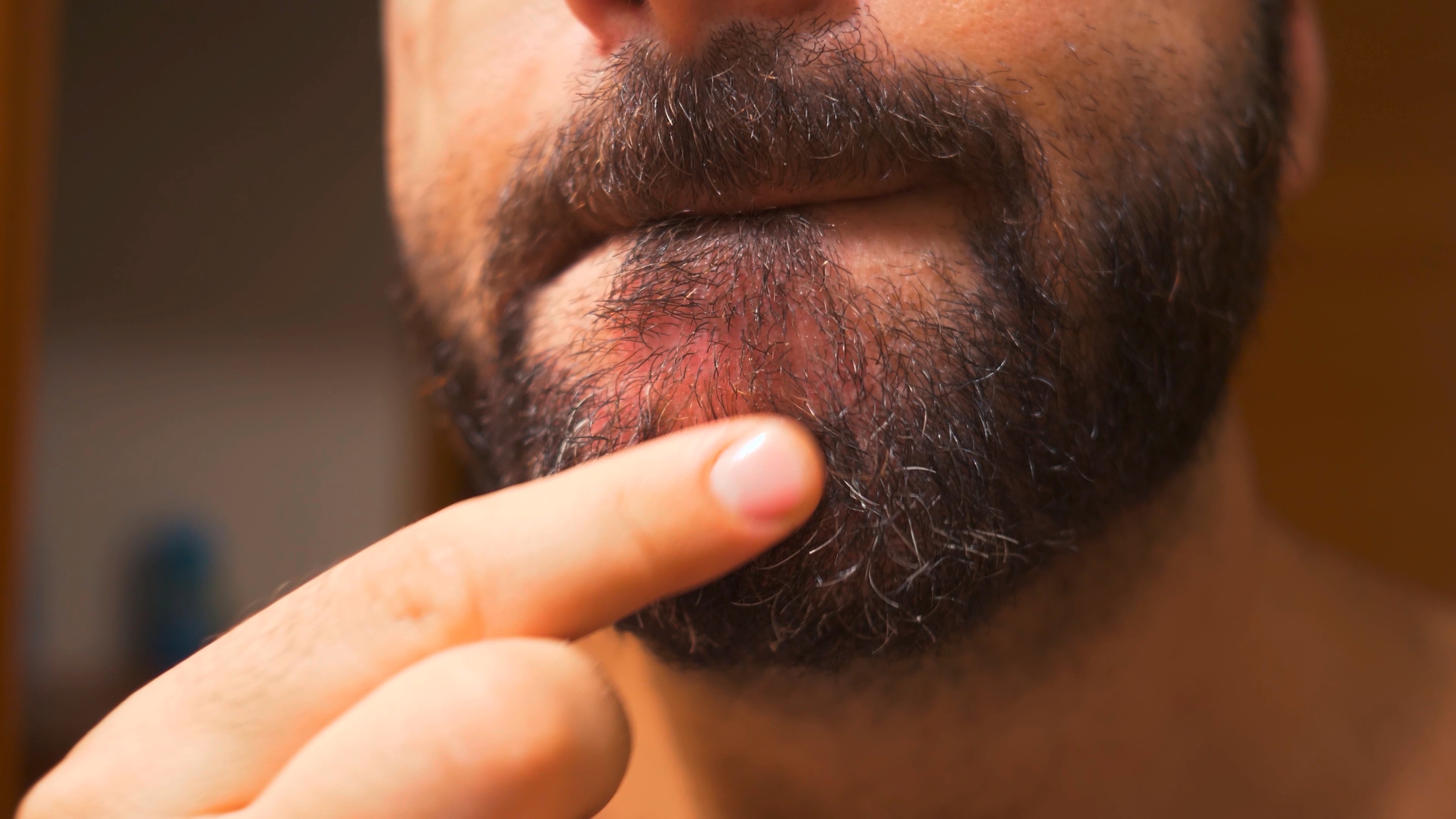
Seborrheic dermatitis isn’t limited to the scalp. It can spread to other oily areas, like the face, sides of the nose, eyebrows, ears, eyelids, and chest. It might also extend to the skin under beards and mustaches, earning the nickname “beard dandruff.”
The common seborrheic dermatitis symptoms include:
- Scales: Appears as large, dry or greasy scales, typically yellowish, often flaking off.
- Rashes: Shows up as raised, red patches in oily areas of the skin.
- Itching: Varies in intensity, sometimes accompanied by a burning sensation.
- Inflammation: Manifests as swelling, redness, and irritation in the affected areas.
Seborrheic dermatitis affects about 5% of the global population. It typically occurs during specific life stages. Around 42% of infants get it, usually seen as cradle cap and scales on the face or diaper area. It reemerges during puberty, often affecting the underarms and groin folds. Then, it recurs in adulthood, especially between ages 40 to 60.
How Does Dandruff Differ From Seborrheic Dermatitis?
Dandruff is confined to the scalp, causing small, white or yellowish flakes and itching. Unlike seborrheic dermatitis, dandruff doesn’t cause swelling or discoloration of the affected area.
This condition is much more common, affecting up to 50% of adults worldwide. In the Philippines, 8 out of 10 people deal with it. Dandruff usually begins during puberty, peaks in adulthood, and tends to decrease after age 50.
Dandruff and Seborrheic Dermatitis Treatment
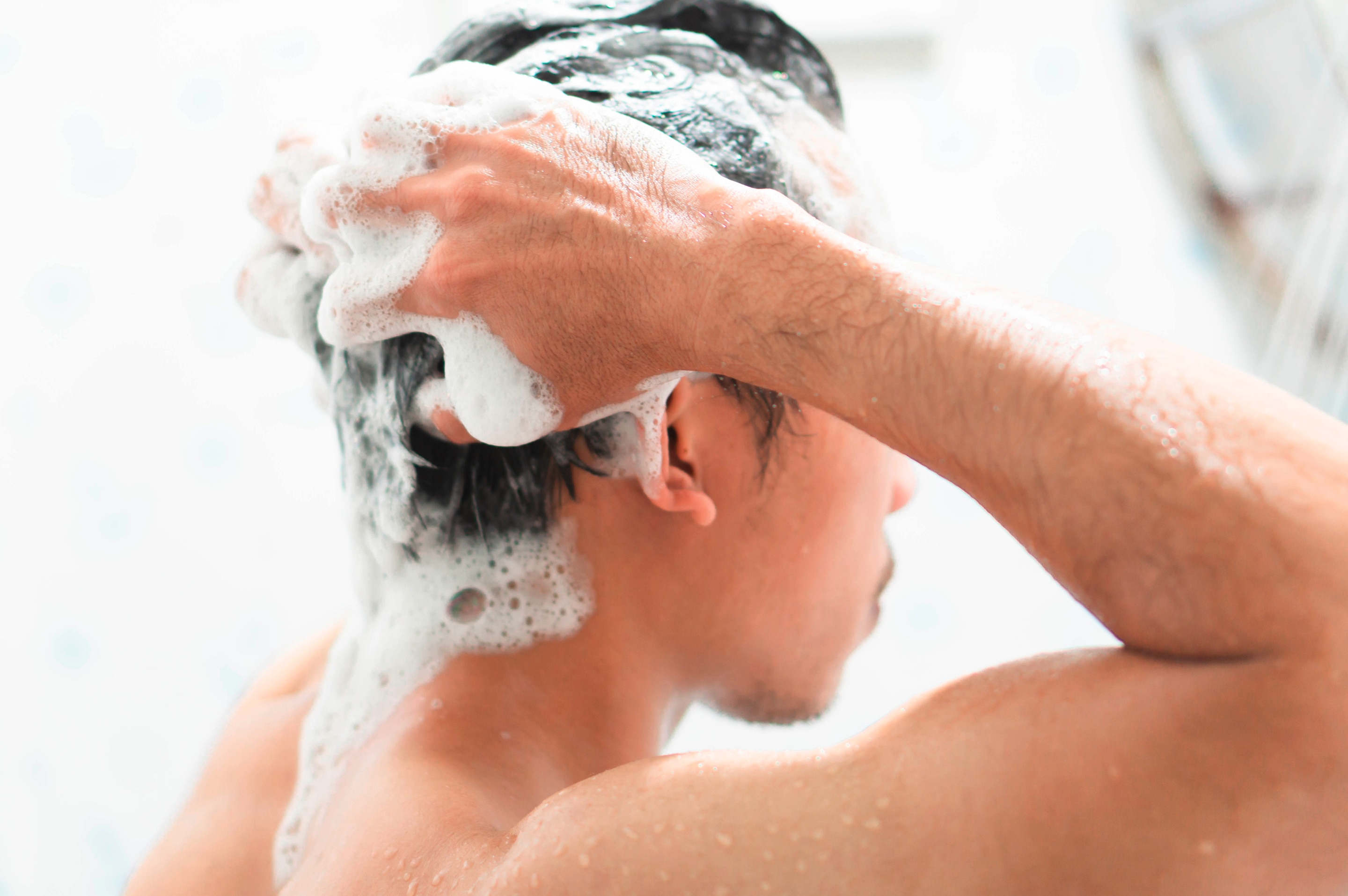
Managing dandruff and seborrheic dermatitis focuses on alleviating symptoms, especially flaking, swelling, and itching. According to the Journal of Drugs in Dermatology, every case is unique, requiring a different approach based on severity and individual factors.
The most common treatments are topical antifungals and anti-inflammatory agents. These are available as shampoos, foams, and lotions for scalp-specific conditions. For seborrheic dermatitis in other areas, gels, creams, and ointments are more suitable.
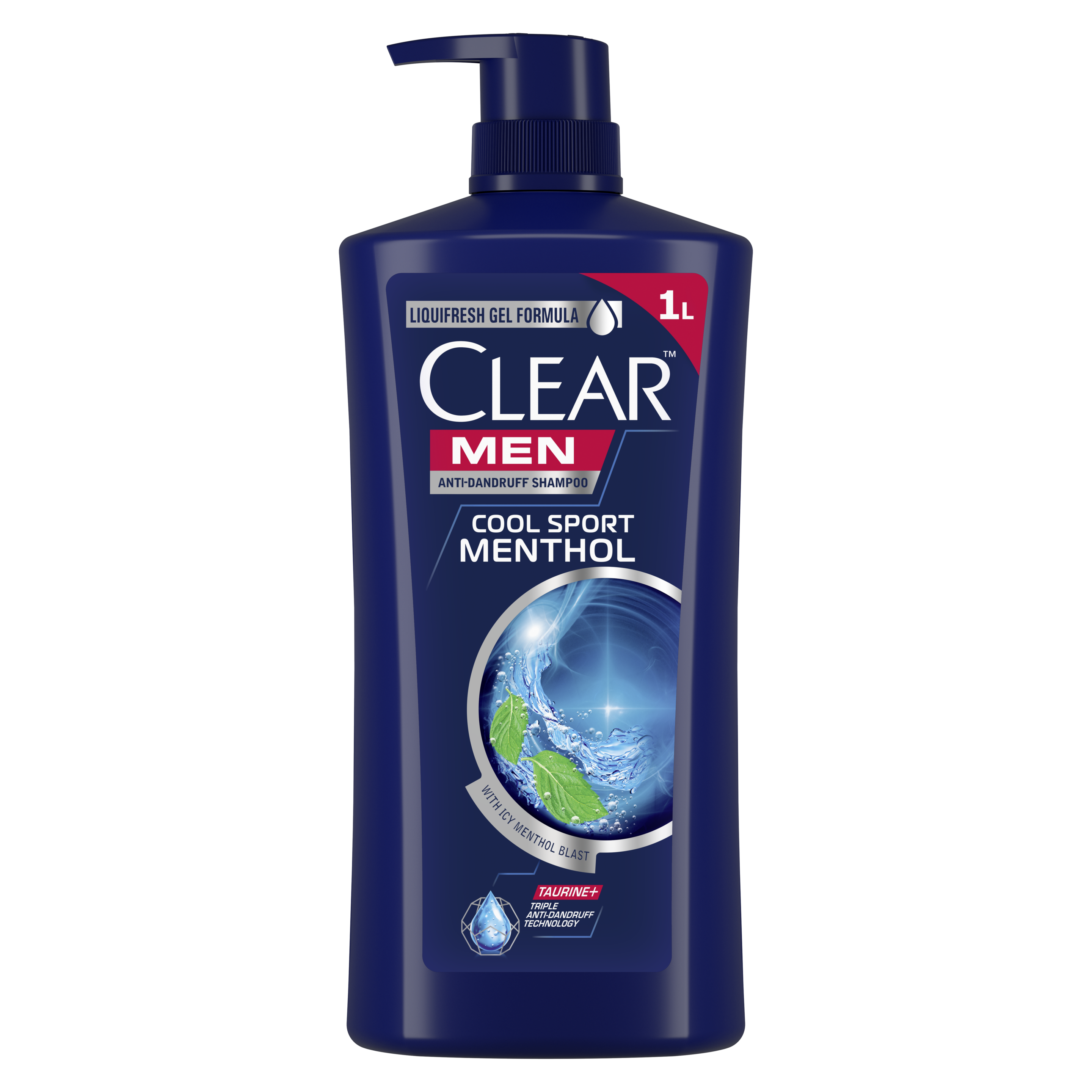
For mild flaking due to dandruff, you can first try over-the-counter shampoos. Try CLEAR Cool Sport Menthol, which has a cooling effect of menthol that can help ease itching. This shampoo features taurine and a triple anti-dandruff technology, which can tackle recurring flaking.
That said, it’s best to consult with your dermatologist before starting any anti-dandruff regimen or using over-the-counter products. They can diagnose your condition properly, investigate underlying causes aggravating your condition, and prescribe the most effective treatment.
Now, you’re armed with the knowledge to distinguish seborrheic dermatitis vs. dandruff. Pin down the location and observe the severity of your flaking to know which condition you have. From there, you can make more informed decisions for effective relief.