Tips and Inspiration
From Unilever Beauty Experts
;Resize=(486,122))
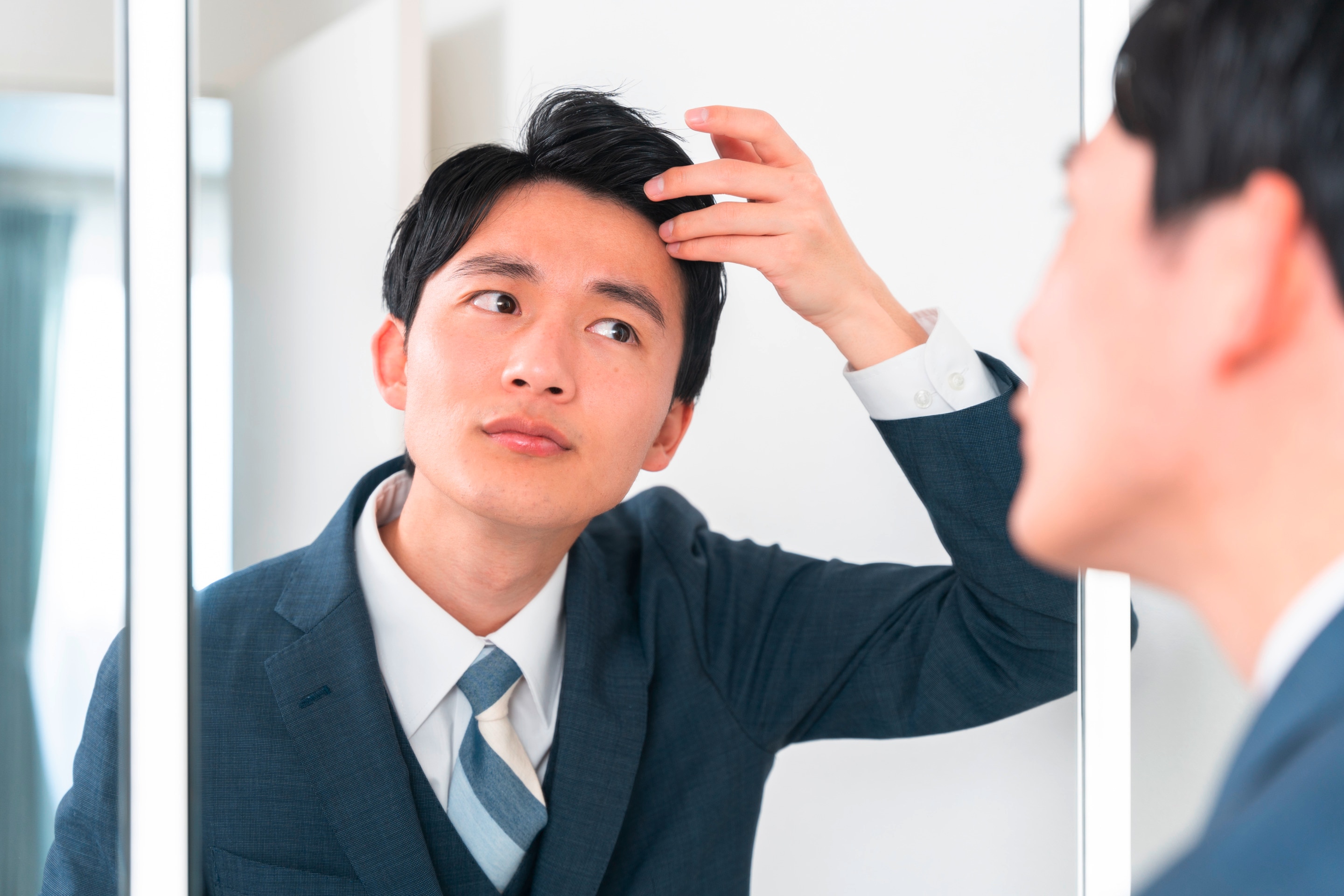
Are your bald spots making you lose confidence? If you’ve noticed a receding hairline, thinning hair, or increased hair fall, you might consider hair growth solutions like a hair transplant. Is it for you? And if so, are you ready for it? Read this quick guide for a list of things to consider before getting a permanent procedure.
1. The Hair Transplant Process
First things first, a hair transplant gives you permanent results. It’s a surgical procedure and usually, the last resort to a hair loss problem – especially when topical treatments and non-surgical methods are not enough.
So, how does hair transplant work? The process involves harvesting hair from areas of the scalp with more abundant hair growth (usually the back of your head) and then transferring the hair on bald spots. It can be done in two ways:
- FUT (follicular unit transplantation) or strip harvesting: A strip of skin in an area with good hair growth is transplanted onto the areas that need more hair. This procedure leaves a thin linear scar on the scalp where the strip of skin was taken from.
- FUE (follicular unit extraction) or FUE harvesting: Individual follicles are removed from areas with more hair growth and are transferred to the spots with balding or thinning hair. While this process won’t leave a linear scar, it is more time-consuming since it’s almost like planting hair piece by piece.
2. The Results and Success Rate
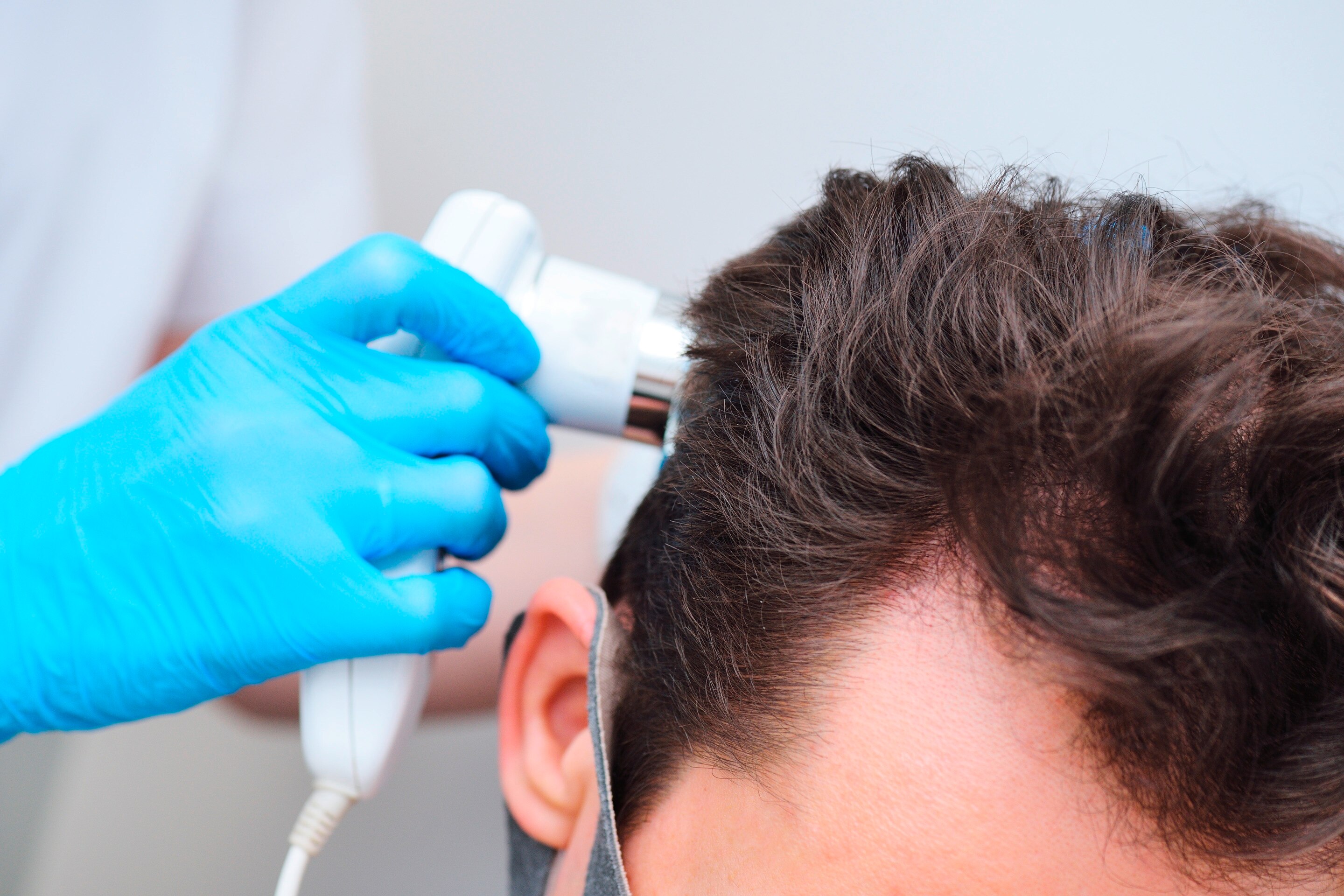
It’s not wise to blindly believe what you see online or take the word of celebrities or influencers advertising a hair transplant. Sure, it may have worked for them, but your case will always be different from another’s – more so an endorser’s.
Instead, do your research on the clinics or centers that offer hair transplant procedures and learn more about the experts behind it. Look for reputable facilities backed by years of experience. Consult with licensed medical professionals and board-certified doctors. Check for customer reviews.
Then, schedule a consultation and have a trichologist or dermatologist so they can take a good look at your hair and scalp condition. That way, you can ask all your questions (such as what your hair will look like after a transplant) and set expectations. These experts can also assess if this procedure is right for you and if it’s not, propose other options.
3. Your Age and Hair Reserves
Hair loss in your 30s, or even your 20s, can be an issue – but this doesn’t automatically call for a hair transplant. If you’re in your 30s or 20s, you’ll likely experience even more hair loss in the future, which means you may need to undergo multiple surgeries.
Although a series of sessions for one individual is possible, you’d want to be strategic about your hair reserves, a.k.a. how much of your hair can be transplanted. You can discuss this with your doctor so they can advise a treatment plan that considers your age and condition.
On another note, if you’re balding, you likely won’t meet the criteria for transplantation. Depending on your case, a hair donor might be possible, or a transplant from your beard or your chest or abdomen hair may work. Either way, it’s best to discuss the options with your doctor.
4. Your Medical History
What caused your hair loss? Doctors will need to know if it’s age, genetics, or something else, like an autoimmune condition or your psychiatric history.
They will also run tests to ensure your immune system can support your body throughout the procedure. Can your body take it? Will you be able to heal and recover well? If you have a history of diabetes or hypertension, for example, this might complicate the transplant.
Be transparent and thorough in letting your doctors know about your medical history. Doing so lessens your risk of potential complications from the procedure.
5. The Preparation, Downtime, and Recovery
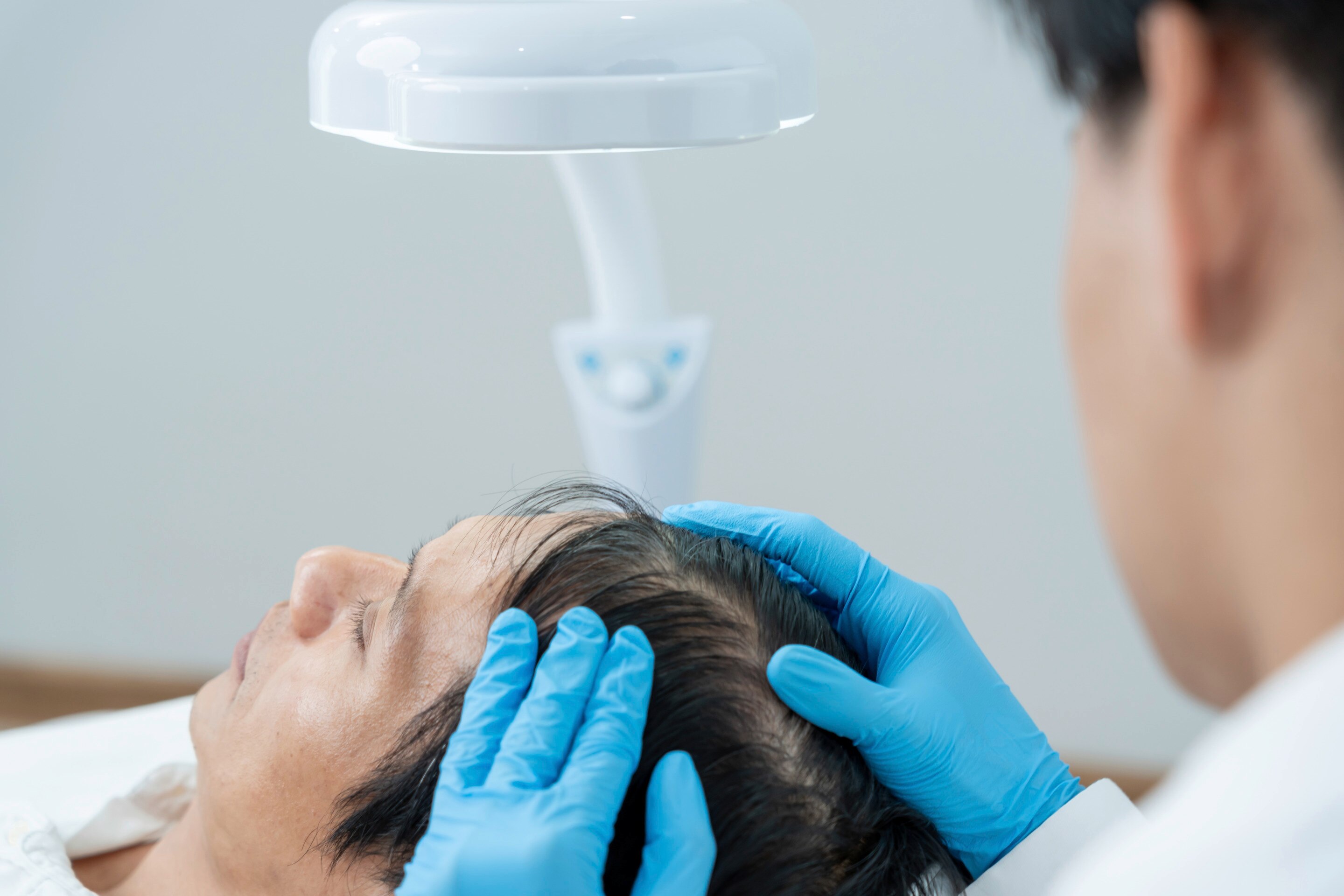
How will this procedure affect your day-to-day schedule? Don’t think of the process as a one-day thing. The preps and post-care are just as important. For example, pre-surgery must-dos include no smoking and drinking alcohol (if you do), loading up on vitamins and nutrients, and staying hydrated. You need to keep your health up for faster recovery.
After the surgery, you’ll need to take time off work, learn to sleep in a different position to protect the scabs on your head, refrain from strenuous physical activity, and avoid the sun. Changing clothes and showering will require extra caution so you don’t irritate the area.
Depending on your condition, your doctor can prescribe additional guidelines pre- and post-op to ensure better results. Your doctor may ask you to stop any blood-thinning medications or prescribe alternatives. Additionally, you might need to switch up your hair and scalp care products.
6. Hair Transplant Cost
In the Philippines, a hair transplant surgery can set you back at least Php 175,000 to about Php 750,000, depending on the type of surgery, the doctor performing the procedure, and where you’re getting it done. If the rate seems too good to be true, it probably is. Always go to a reputable doctor and clinic – especially since it’s your hair and scalp on the line!
7. Alternatives to Getting a Hair Transplant
If you think stress contributes to your hair loss, get to the root of the problem. Is a lifestyle change possible? Sleeping and eating well, managing triggers, and exercising can make a difference. Hair serum sprays or products formulated to promote hair strengthening can also help.
Genetics, however, is a different story, but there are non-surgical treatments that can help prevent or manage hair loss early on. Topical and oral medications such as minoxidil have been widely proven to promote hair growth. Injections or laser therapy are other examples. Do your research and consult your doctor to help determine which option best suits you.
Maintain Good Hair and Scalp Hygiene
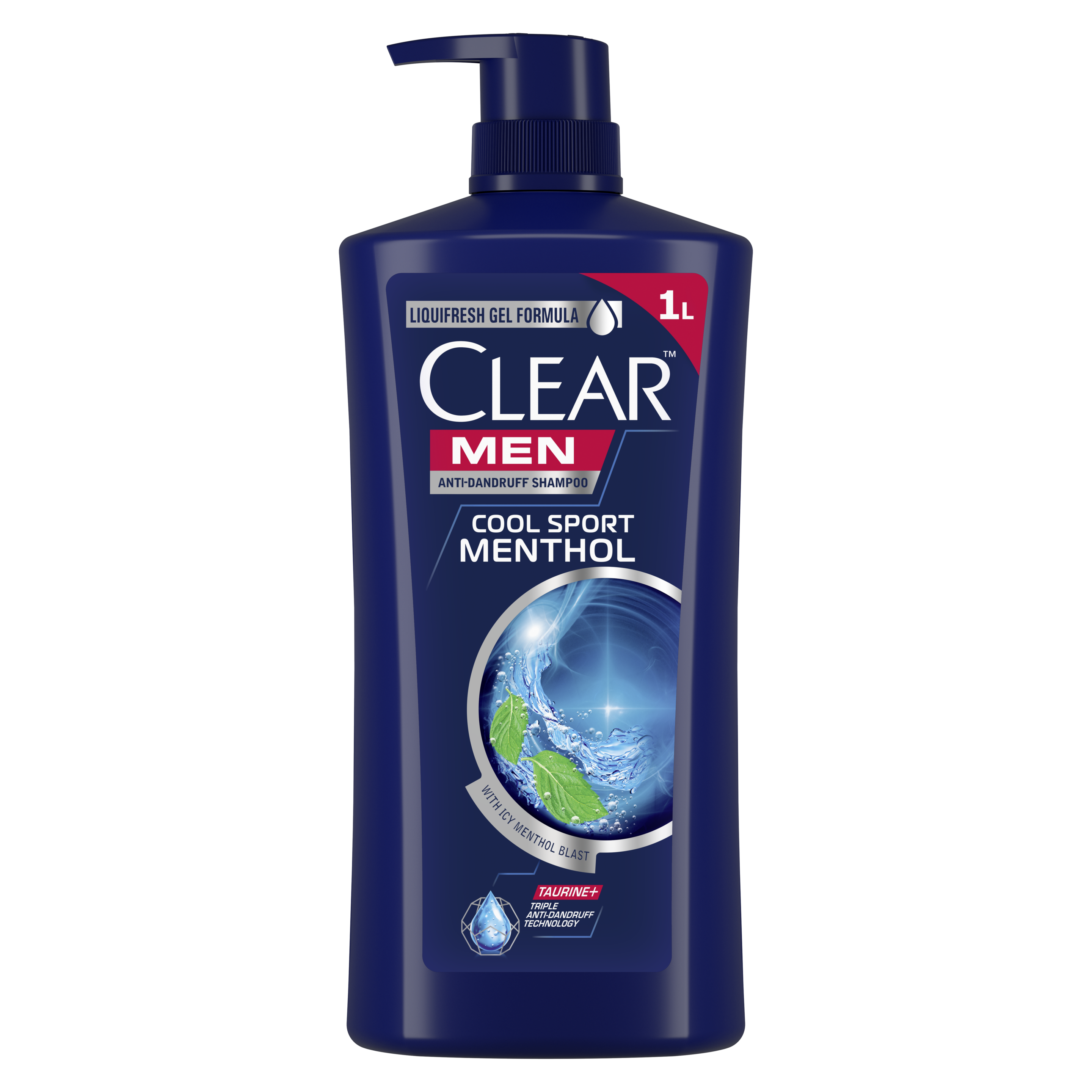
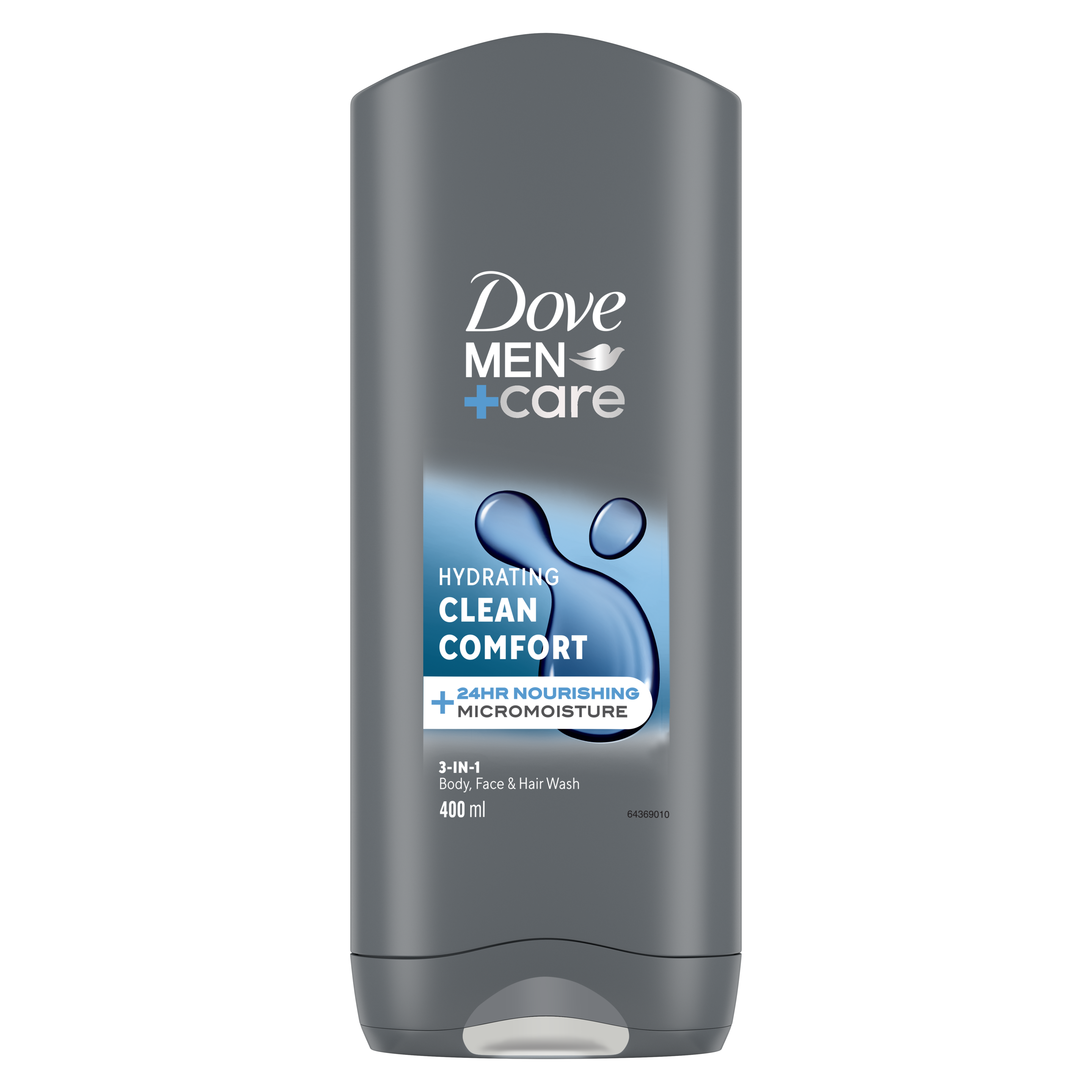
Whether you opt for a hair transplant or another treatment, continue with proper hair and scalp hygiene. Keep hair dandruff-free with Clear Men Cool Sport Menthol Shampoo, which has taurine and vitamin B3 that can help nourish the scalp and eliminate flakes. Dove Men+Care Body, Face & Hair Wash Clean Comfort deeply cleanses your hair while keeping it nourished.
Losing hair sucks, and it can take a toll on your confidence and self-esteem. But thanks to advanced science and modern methods, hair treatments and procedures abound, so don’t lose hope. With patience, a lot of research, and the right team of hair experts, you’ll find the best solution to your hair loss – hair transplant or otherwise – and get back on track to growing or getting a headful of hair.