Tips and Inspiration
From Unilever Beauty Experts


That winning, Miss Universe-ready smile isn’t just for beauty queens anymore. Thanks to innovations in dental aesthetics, different types of veneers have made it easier than ever to get that megawatt grin – and the confidence that comes with it.
Whether you’re looking for a subtle fix or a full-on transformation, veneers are now more accessible to anyone ready to invest in a better smile. Curious about your options? Here’s a quick guide to the different types of veneers to consider.
What Are Teeth Veneers?
TLDR, veneers are thin shells made of long-lasting material that mimic real teeth. Think of them like a dental jacket or crown placed over your teeth. Veneers can help fix common teeth issues like discoloration and stains, minor misalignment, gaps and spaces, chipped or uneven teeth, or worn-out enamel.
Dental technology has improved over the years, offering more natural-looking veneers of varying thickness, material, and attachment processes. You can now choose from the best type of dental veneers that suit your needs and budget.
The 4 Main Kinds of Veneers

Veneers aren’t cheap, and the procedure can be major. So, it’s best to visit a dentist so they can check your teeth and recommend the best type of veneers for you. Check out this quick guide to know your options.
1. Porcelain veneers are considered gold standard.
Porcelain veneers are thin and translucent, which makes them look the closest to your natural teeth. They are the most durable, stain-resistant, and realistic-looking of all.
How it’s installed: First, your dentist will shave off a thin layer of enamel from your teeth. This creates space for the veneers. After reshaping, they’ll take an impression of your teeth using a mold, which will then be taken to a lab to create custom-made veneers suited to you.
You’ll wear temporaries (or temps) while you wait for your veneers to be made. Once the veneers are ready and fit your teeth well, they will be bonded to the surface of your teeth. Because the veneers may not fit perfectly the first few times, expect to take two to five visits to your dentist until the final installation.
Things to consider: Porcelain types cost about P15,000 to 30,000 per tooth. You’ll usually need to cover all six to ten of your front teeth, top and bottom. Still, it’s a good investment as it can last up to 10 years with proper care and maintenance.
2. Composite veneers are a more affordable option.
Composite veneers are made of tooth-colored resin material – the same substance commonly used for dental fillings. This is the ideal veneer type for minor teeth issues and is easier to repair.
How it’s installed: Your dentist will etch – as opposed to shaving off – the surface of your teeth. Then, layer by layer, they will apply the tooth-colored resin directly onto your teeth. The resin is carefully sculpted and shaped to achieve the desired look. Finally, the veneers are polished and cured for a natural finish. The entire procedure can often be done in just one session.
Things to consider: Composite veneers are less durable and can stain over time, compared to porcelain veneers. This type costs about P5,000 to 15,000 per tooth and can last for five to seven years.
3. No-prep veneers are minimally invasive.
As the name implies, no-prep veneers require minimal teeth priming. They can be made from ultra-thin porcelain or composite resin. This allows your dentist to make little to no changes to your natural tooth structure, helping preserve the outer enamel.
How it’s installed: Because this type of veneer is very thin, its installation process requires minimal enamel removal and tooth reshaping to accommodate the veneers. It’s a less time-consuming procedure and typically doesn’t need anesthesia.
Things to consider: No-prep veneers are suitable for minor dental issues like discoloration, small gaps between your teeth, misshapen teeth, or teeth that appear too short.
4. Removable veneers are ideal for one-off occasions.
Removable veneers offer a low-commitment way to enhance your smile. Also called snap-on or pop-on veneers, these can be easily put on and removed as needed. It’s also one way to test how veneers will look on you, in case you decide to get the more permanent ones later.
How it’s installed: Removable veneers are made from flexible resin or plastic. They are fitted and custom-made to your teeth. To wear them, just align them with your teeth and press them in place to clip them on.
Things to consider: Having removable veneers on can be likened to wearing retainers, dentures, or a mouthguard. So, you can expect it to feel a little unnatural as it’s an external thing you’re not used to. Because it’s an entire strip you put over your teeth, wearing it can also affect how you eat and talk.
How to Care for Your New Smile

A friendly reminder: Having veneers doesn’t give you a free pass to neglect oral care. Daily brushing and flossing help your veneers last longer. Use a soft-bristled toothbrush and a non-abrasive toothpaste to prevent damaging your teeth.
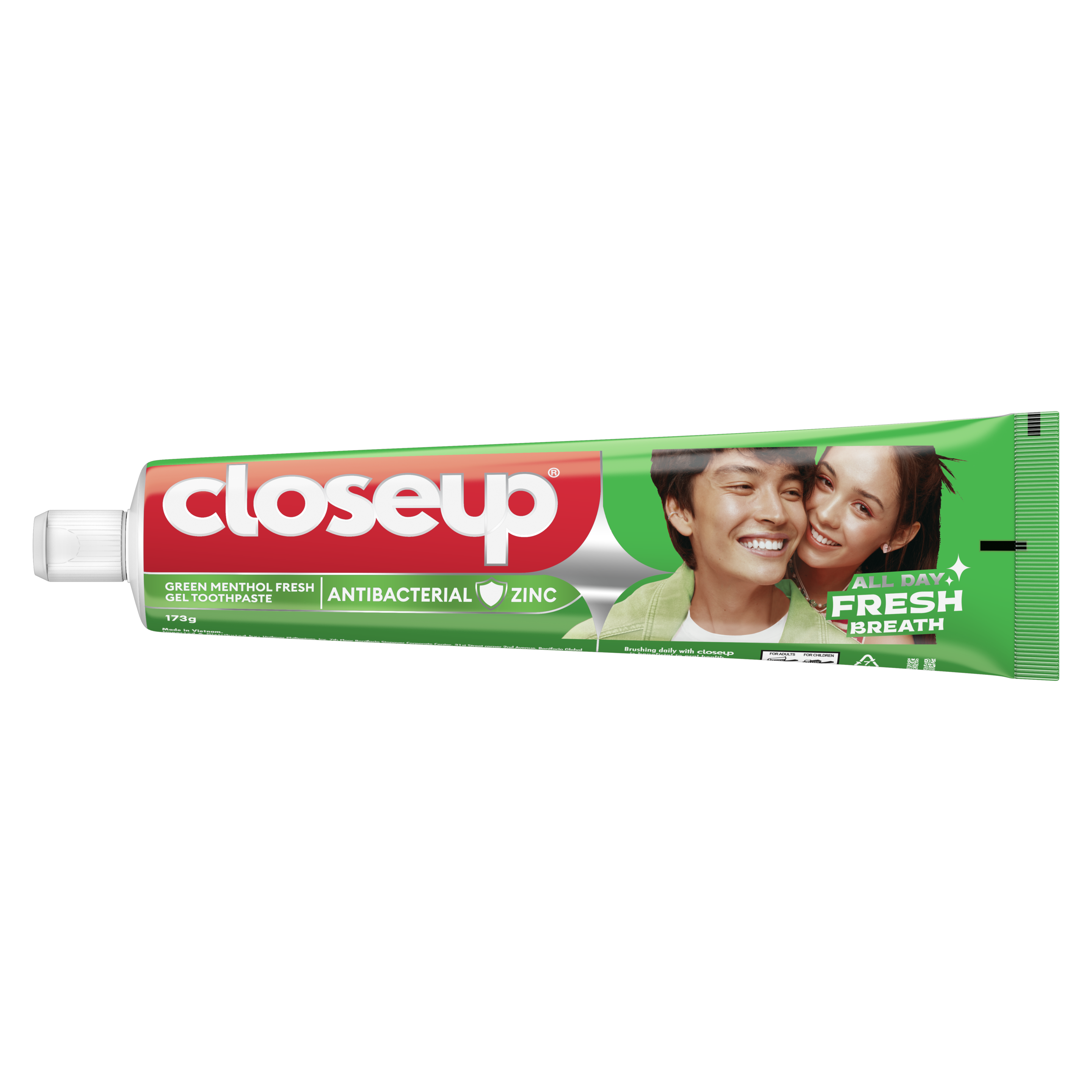
Try closeup Red Hot Toothpaste for a bold, spicy clean, and fresh breath for 12 hours, closeup Multivitamins+ Toothpaste for all-around oral care and strong and healthy teeth, or closeup Menthol Fresh Gel Toothpaste to fight bacteria and keep breath fresh all day.
Product
![[TWIN PACK] closeup Multivitamins+ 2x150g packshot](https://assets.unileversolutions.com/v1/127161445.png)
It helps to know the different types of veneers so you can decide if they’re what you need to give your smile a glow-up. Just remember: Veneers or not, good oral hygiene is key to keeping that radiant smile and confidence.