Tips and Inspiration
From Unilever Beauty Experts


Thinking of changing your hair color? The first big step is figuring out your dream shade, and that usually involves trial and error. Apart from color selection, you need to know the types of products for colored hair available in the market to help avert any hair-dye disasters. Below are a few examples, along with tips on how to use them.
Types of Hair Color
Products for colored hair come in a variety of formulations and fall into four general categories, each with its own purpose and advantages.
1. Permanent dye gives you long-lasting color payoff.
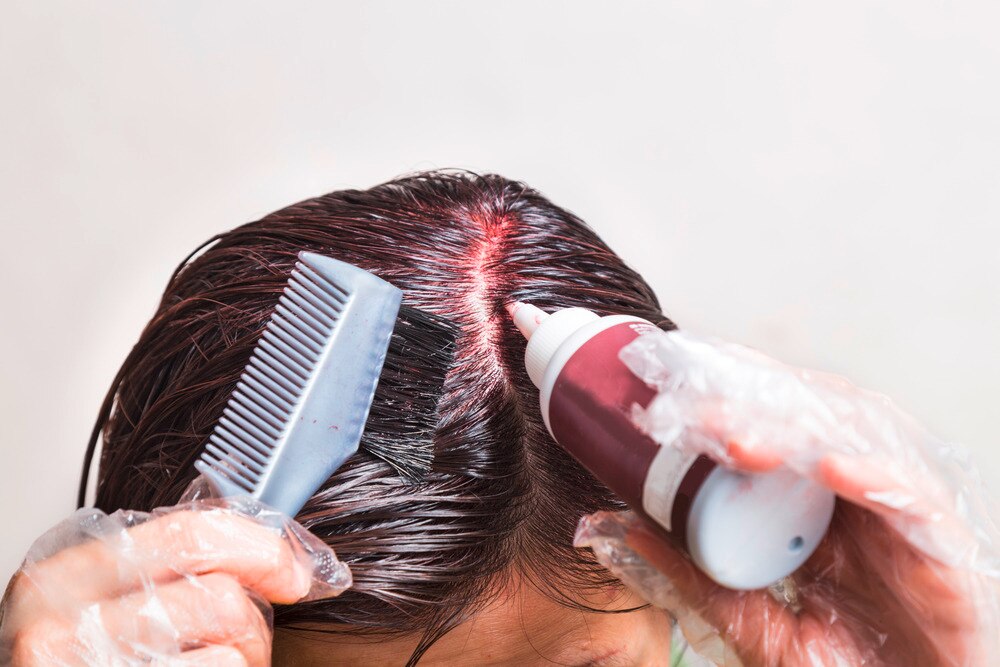
If you're seeking a dramatic, movie-worthy hair transformation, permanent hair color is the ideal choice. The formula has ammonia and peroxide, which work together to lift the hair cuticle and lock the dye deep into the thickest layer of hair. This chemical reaction is what allows permanent dyes to last longer than other types of hair color.
If you choose to permanently dye your hair at home, follow the instructions on the boxed dye kit carefully. Split your hair into four or more sections. Apply the color from roots to tips and work through them from front to back.
To maintain light brown to blonde shades, wash your colored hair with TRESemmé Pro-Color Series Blonde Brilliance Shampoo. This purple shampoo (also sometimes called blonde shampoo) features Anti-Brass Purple Formula, which uses violet pigments to preserve light shades and tone down hair color, specifically yellow undertones. Follow it up with a purple conditioner like TRESemmé Pro-Color Series Blonde Brilliance Conditioner for best results and to bring back moisture to your hair.
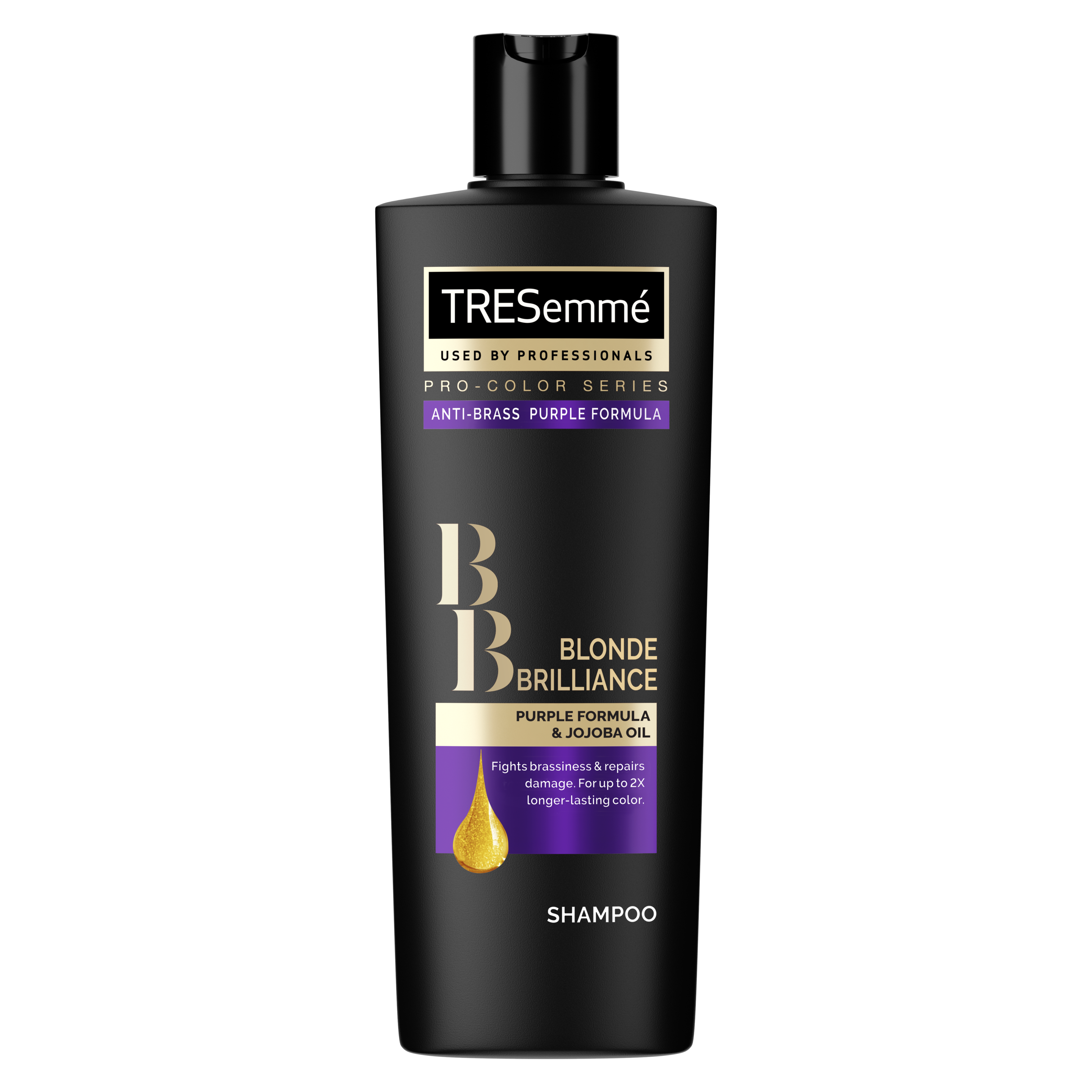
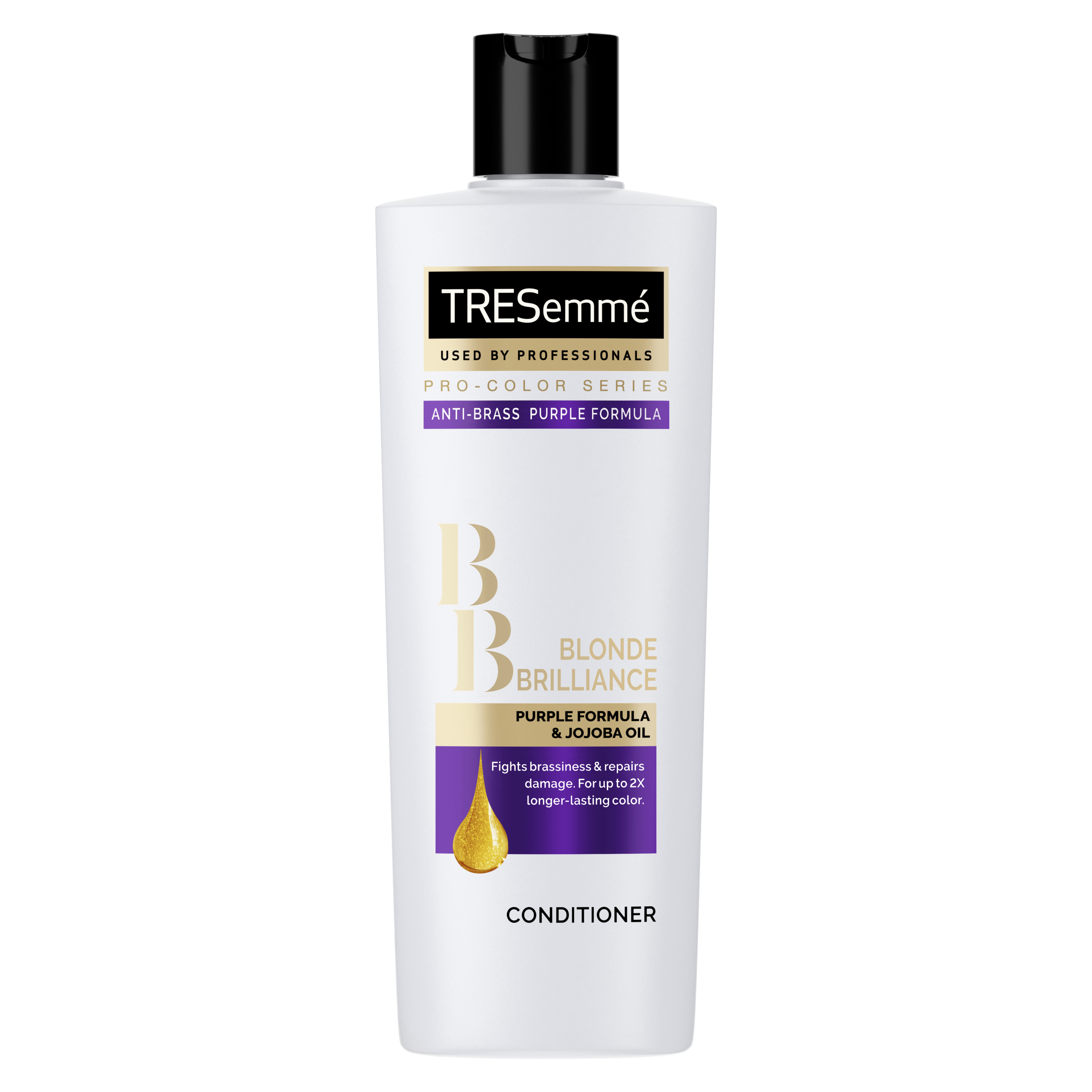
While purple shampoo keeps blonde hair looking light and cool, black shampoo is ideal if you want an ashier, smokier blonde look. Meanwhile, for brunettes, dark blondes, and balayage hair, blue shampoo is ideal for neutralizing orange and red tones.
2. Demi-permanent hair color refreshes your dyed locks.
The best way to describe demi-permanent dye is that it’s not as strong as permanent color, but it doesn’t wash out as easily as semi-permanent dye. The magic is in its low-level developer, which allows the pigment to penetrate only the hair cuticle’s surface layer. While this means it can’t lighten your hair, it’s effective at enhancing existing color or toning down brassiness sans damage.
Demi-permanent dye gives you more leeway for error since it fades after about 20 washes. For even coverage, comb the color through your hair. To remove any dye stains on your scalp or hairline, gently dab a small amount of sulphate-free shampoo over the area.
Once your demi-permanent color starts to fade, you can use a shampoo-in hair color or a hair dye shampoo to enhance the pigment and keep your shade vibrant between coloring sessions.
3. Semi-permanent dye allows you to experiment with hair color.
Semi-permanent hair color, like hair color shampoo, offers a middle ground between temporary and permanent options. Its standout feature is its gentle, non-oxidative formulation. It coats the outer layer of the hair shaft and leaves a stain that gradually fades with each shampoo.
If you have dark hair, you can leave the color to sit for a few minutes longer than instructed. But be warned: your hair will feel dry after. So, condition your locks after rinsing out the dye to replenish moisture.
A good example of this is blackening shampoo (not to be mistaken for black shampoo, which serves a different purpose), which is often used for gray-hair coverage. It’s a two-in-one product that deposits pigment and cleans hair at the same time.
4. Temporary hair color is perfect for special occasions.
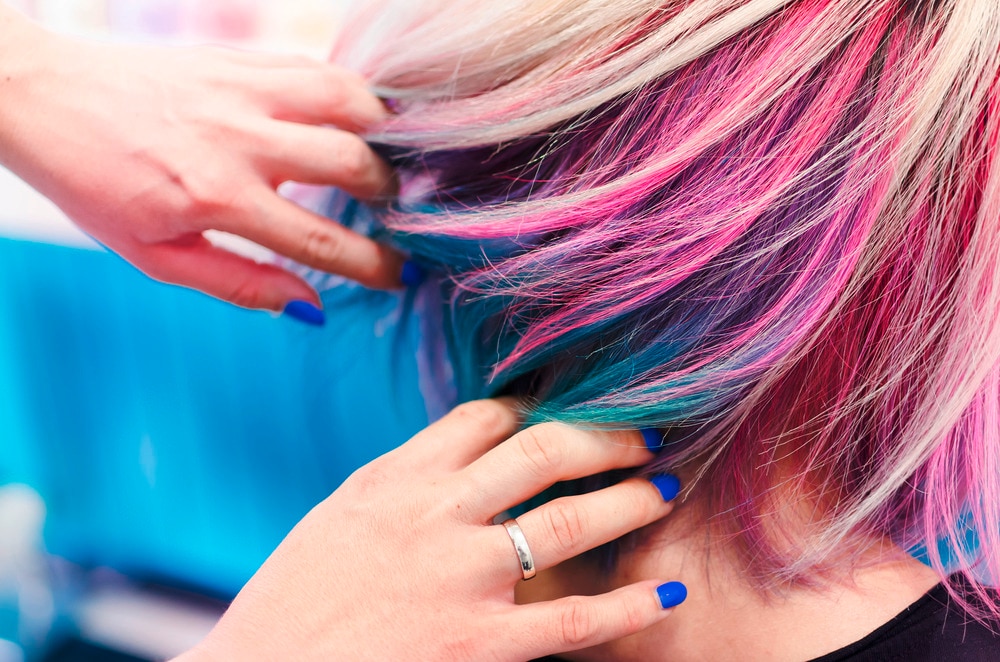
Whether you’re going to a music festival or a costume party, temporary dye is a low-maintenance way to add a pop of color to your look. It can come in many forms, including hairsprays, gels, and chalks. How temporary is it? Well, the staying power may vary, but most wash away completely after a single shampoo.
Temporary tint may be one of the most user-friendly products for colored hair, but it’s not the best option if you want to dye all your strands. The formula tends to be less concentrated, so the hue is likely to look patchy if applied across the entire head of hair. However, it truly shines in creating highlights, streaks, and accents.
Other Types of Non-Permanent Hair Color
Want to make a bold statement without the commitment? There are plenty of low-risk alternatives you can try for yourself. Just do a patch test on your wrist first to make sure you’re not allergic to the dye before giving it a go.
1. Go natural with henna.
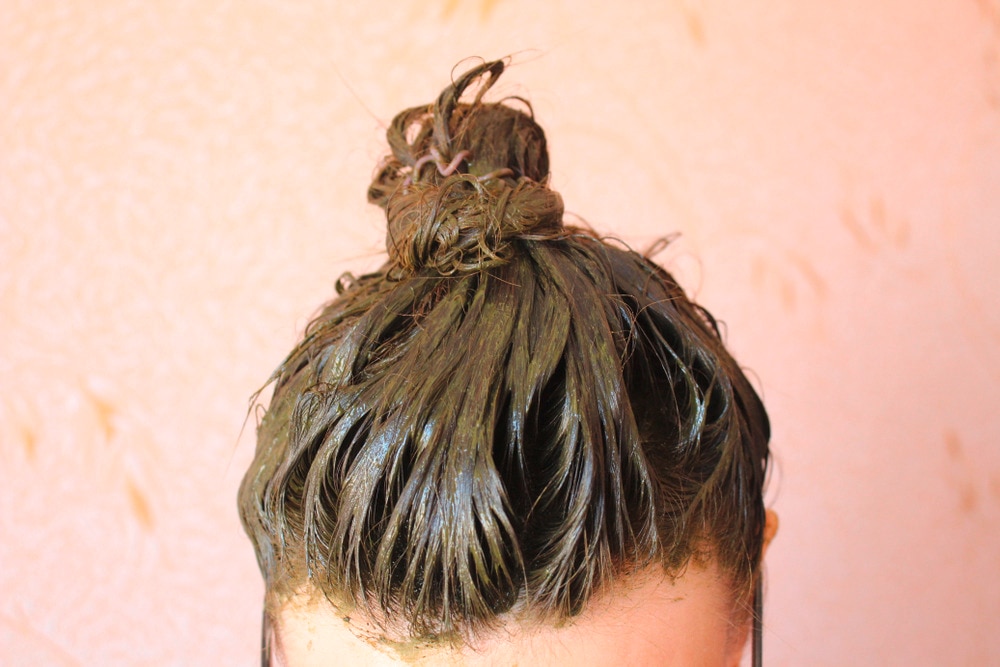
Unlike many types of products for colored hair, henna doesn’t alter the hair’s pigment but coats the hair shaft with a reddish-brown hue. On top of that, henna also helps moisturize and rebalance the natural pH levels of your strands. The cons? Results can be unpredictable, especially on previously dyed hair. Additionally, some people may be allergic to henna.
For coarse or coiled hair, mix ¼ cup of conditioner with henna powder to help reduce frizz. If you prefer a darker shade, apply pure henna paste to your locks, cover them with plastic wrap, and leave them overnight.
2. Get a cellophane hair treatment to “fine-tune” your hair color.
Give your tresses a little boost of shine and dimension with a cellophane hair treatment, a semi-permanent hair gloss service that blends pigments and deep-conditioning agents that can tint or darken your locks. As a bonus, your hair will feel silky-smooth and look like a glazed donut (in the best way).
Since hair gloss is ammonia-free, you can have it done every month or so to maintain your color. However, the process is best left to the pros.
3. Cover your gray hair with a root touch-up spray.
While there are fans of the salt-and-pepper look, some women would rather camouflage silver strands. If you’re part of this crowd, a root concealer spray is the best bang for your buck. Simply shake the can, aim the nozzle at your crown, and spray on the color like you would with dry shampoo.
Which products for colored hair appeal to you the most? Whatever you decide, remember that without proper aftercare, all the effort – and money – you’ve spent on your new look goes to waste. Keeping your color-treated hair healthy is key long-lasting, more vibrant color.