Tips and Inspiration
From Unilever Beauty Experts
;Resize=(486,122))

ICYDK, shampoo, for all its benefits, strips your locks of the natural oils that keep them soft and manageable, which is why hair conditioner should always be a part of your routine. It restores your hair’s moisture and provides a layer of protection your strands need. Keep in mind that it’s not only about using conditioner – how you’re applying it plays a big role, too.
Whether it’s a regular conditioner, a leave-in conditioner, or the best shampoo and conditioner for your hair type, learning how to use your products properly is what delivers real results.
How to Use Hair Conditioner Correctly

Understanding the role of these fundamental hair products can teach you how to use hair conditioner and shampoo effectively. According to the Indian Journal of Dermatology, shampoo was developed to remove sebum and environmental dirt. In recent years, its formulations have changed to address various hair and scalp concerns. On the other hand, conditioners are designed to nourish, improve hair manageability, decrease hair static electricity, and boost shine.
TLDR: shampoos remove dirt and grime while conditioners provide nourishment. This simple hair math explains why shampoos must always precede conditioners. Without the other, you could get either starved locks or excess buildup. Your shampoo gives your conditioner a clean slate to work its magic.
There’s no one way to apply conditioner. It depends on several factors, including your lifestyle, the weather, and hair quality. Here are some Frequently Asked Questions about how to use hair conditioner.
Should I use hair conditioner daily?
You’ll probably find articles online about the perils of shampooing your hair daily. It’s easier said than done in the Philippines, where you likely deal with humidity and a tough commute every day. If you shampoo daily, it only makes sense not to skip conditioner. The latter will help manage dullness, dryness, and frizz.
How much hair conditioner should I use?
This question is a tricky one. First, assess your hair by length, texture, strand thickness, and density. Longer, thicker, denser hair usually requires more product, but fine hair, regardless of length, doesn’t need much. Play it by ear. Start with a palm-sized amount of the conditioner and adjust accordingly.
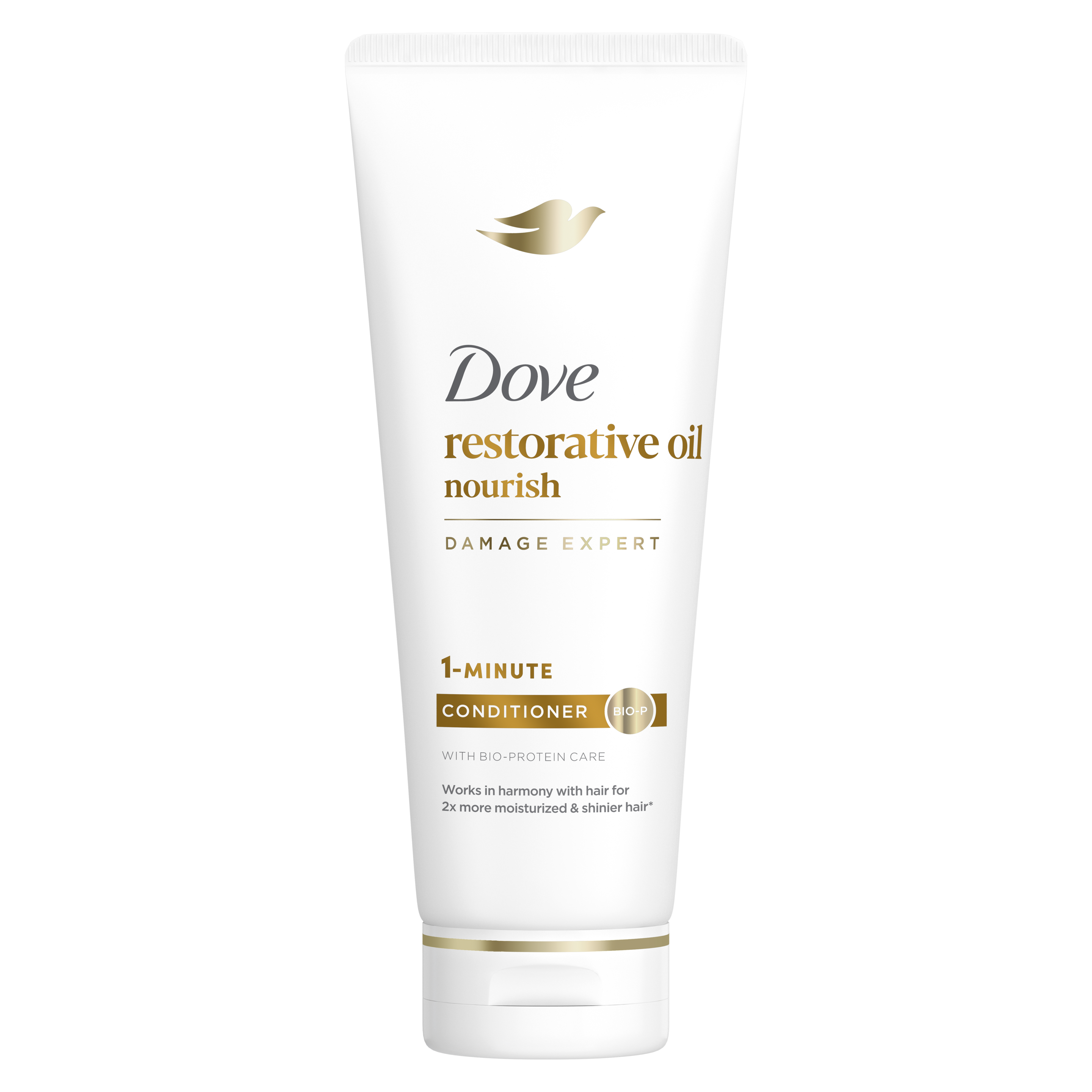
One of the best conditioners for dry hair available in the market is Dove Restorative Oil Nourishing Care Conditioner. Its lightweight blend of argan, marula, and sunflower seed oils helps lock in hydration, leaving your hair twice as moisturized without weighing it down.
How do I apply hair conditioner?
The general advice is to apply the conditioner mid-shaft, but it may be best to start at the roots and work your way up to around mid-length of your hair (or around the neck area). This gives the ends – which generally receive the least of your scalp’s natural oils – the most love.
Avoid the roots to prevent weighing down your strands, losing your hair’s natural bounce, and making your scalp look and feel greasy. Some also apply a leave-in conditioner after showering. The best leave-in conditioner protects your hair from damage, locks in hydration, and prevents frizz.
Can I use hair conditioner without shampoo?
The short answer is no. However, certain skin and hair issues may require some people to skip shampoo and focus on conditioner. Eczema, psoriasis, or sensitivity to specific chemicals may prompt alternative haircare methods. If you have any of these conditions and your current hair routine isn’t working, consult a dermatologist.
There’s also a technique called “co-washing” or “conditioner washing.” Popular among individuals with curly or dry hair, it involves cleansing hair with a conditioner instead of traditional shampoo. However, you may need to use clarifying shampoo occasionally to combat buildup.
How to Maximize Your Conditioner Use
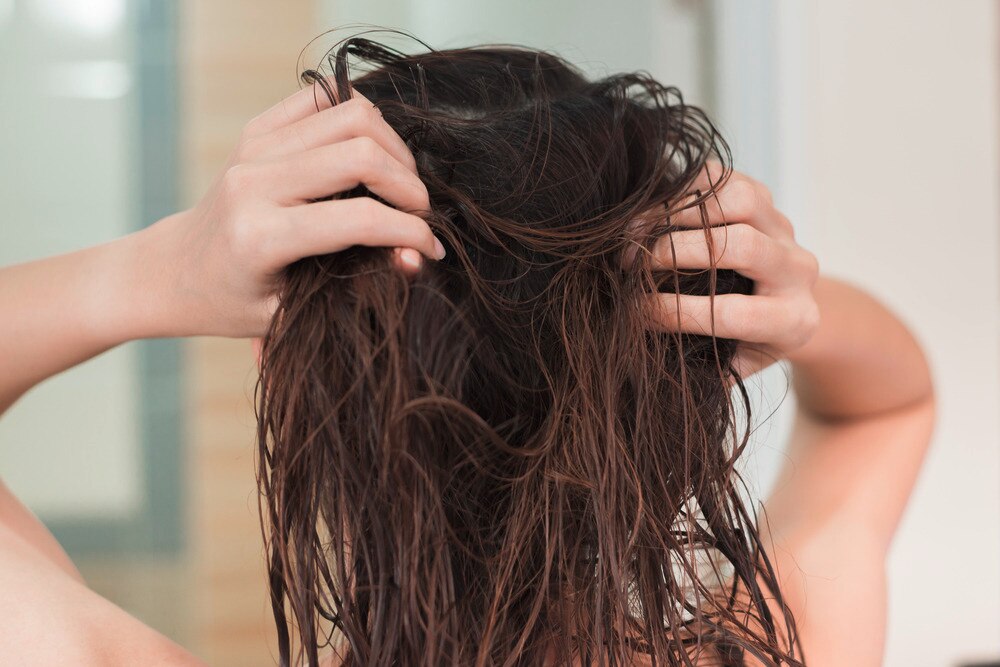
While conditioners help strengthen weak, brittle strands, keep in mind that pairing them with a consistent, well-rounded haircare routine gives you the best chance at achieving healthier hair. For optimal results, find the best shampoo and conditioner for your hair type and use them daily.
Detangle your strands properly.
It’s better to remove tangles when your hair is dry. Hair is brittle when wet, so trying to outwrestle those knots might lead to breakage and damage. Use your fingers or a wide-tooth comb to smooth out any major snags before stepping inside the shower. Then, gently work through any overlooked kinks as you apply your conditioner. Consistent use should protect your strands from future damage and make detangling easier.
Rinse off all products.
Using cold water to rinse out your conditioner helps close your hair cuticles and the pores on your scalp, locking in all the goodness you just lathered in. Massage your strands carefully as you run them under water to ensure you remove all traces of product.
Dry your hair.
Again, wet hair is extra fragile, so dry your locks before combing, styling, and even heading out to brave the elements. If you’re rubbing your hair with a towel, stop! The friction will harm your strands. Pat dry with a towel to absorb excess moisture. Then, air-dry your locks, park yourself in front of a fan, or blow-dry using a cold setting to avoid heat damage.
Use the right conditioner for your needs.
Not all conditioners are created equal. Like shampoos, they’re formulated to address specific issues. Figuring out what your hair needs is the first step to finding the best conditioner for you. You can start with the suggestions below.
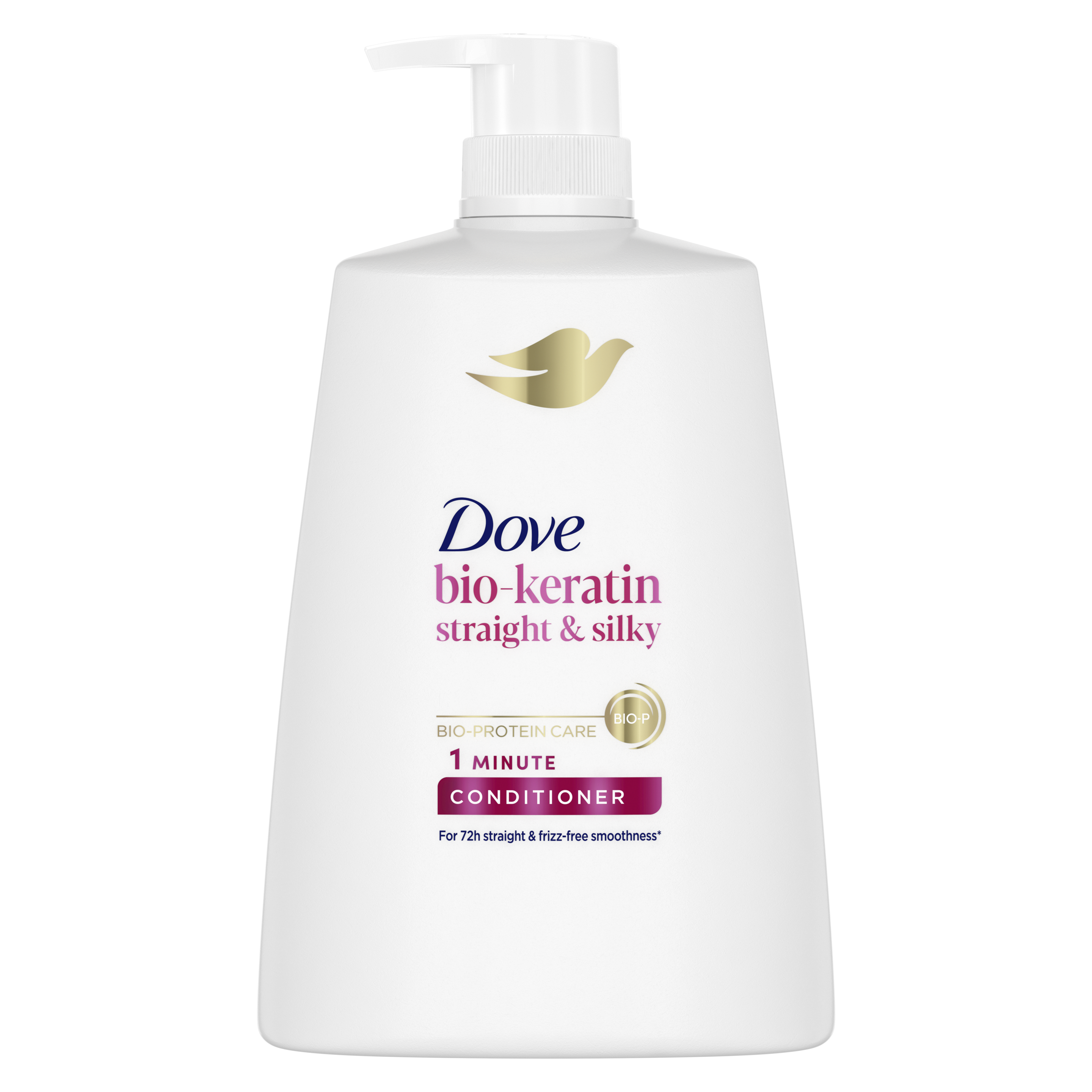
For stubborn frizz and flyaways, Dove Bio-Keratin Straight & Silky Conditioner delivers 72 hours of straight and frizz-free smoothness in just one minute. Enriched with Bio-Keratin Anti-Frizz Serum, it provides protection against humidity and leaves your hair manageable and tangle-free.
For hair-fall concerns, choose the best shampoo and conditioner for hair growth that you can find to strengthen your strands and encourage regrowth. Dove Hair Fall Rescue Conditioner is formulated with Trichazole complex, which locks your strands into your follicles, reducing hair fall in as little as two weeks.

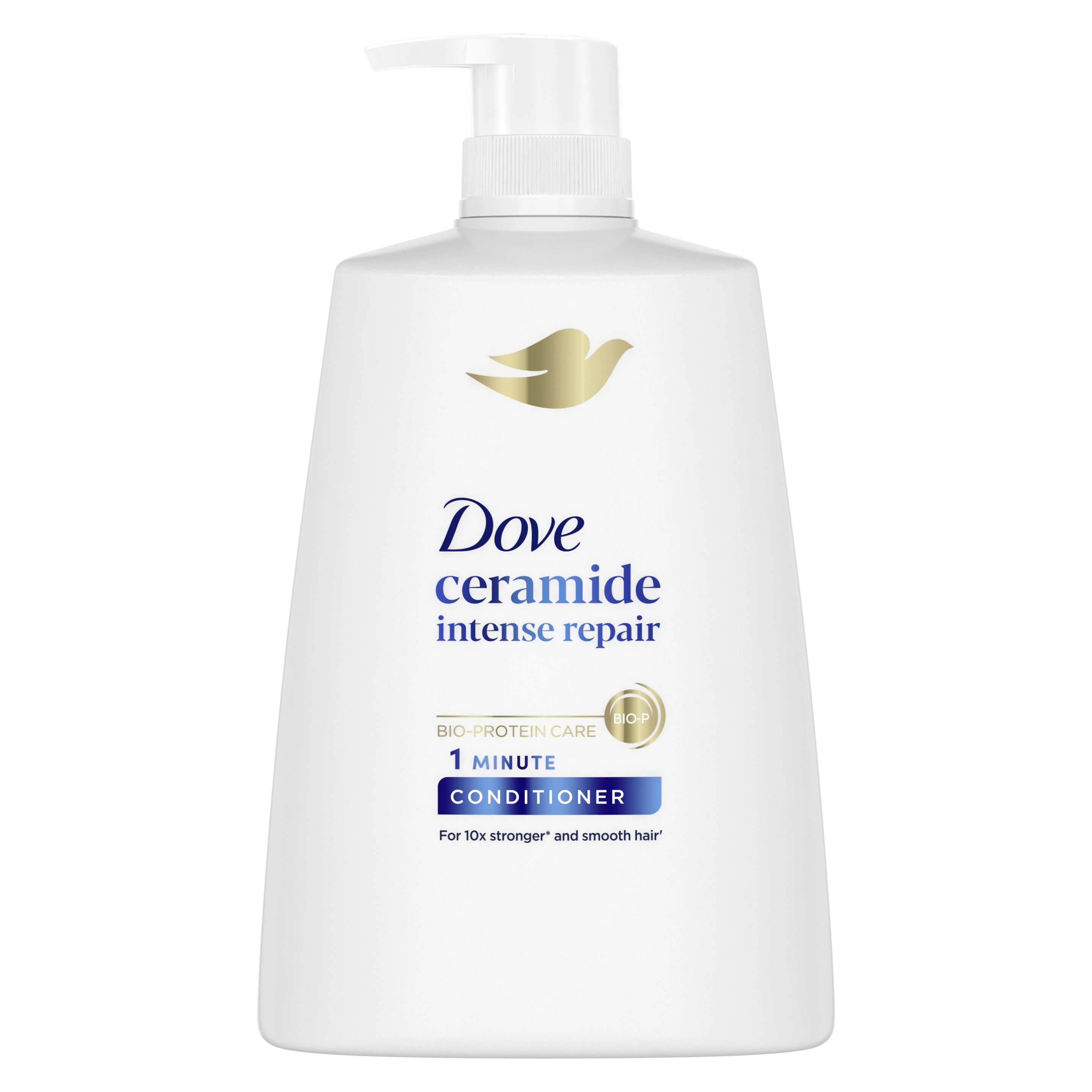
If your hair needs extra reinforcement, use Dove Ceramide Intense Repair Conditioner. Fortified with ceramides, it seals the hair cuticle and restores its natural, protective barrier. On top of restoring damaged hair, it leaves you with stronger, more resilient strands.
To restore vividness in colored hair, opt for a color-safe, sulfate-free conditioner that helps seal the cuticle and prevent fading. Using the right type of conditioner keeps your hair color vibrant for much longer and protects it from environmental stressors.
If you have curly hair, instead of trying to straighten your strands, embrace your curls and wear them proudly. Find the best shampoo and conditioner for curly hair that are especially designed to care for and nourish your curls. To bring out the best in them, pair your routine with the best leave-in conditioner for curly hair to boost hydration and curl definition.
Hair products beyond shampoo may seem like an afterthought, but now that you know how to use hair conditioner properly, there’s no reason not to make it a staple in your shower routine. Whatever your hair type, there’s a conditioner formulated for its specific needs. With consistent use, you’ll start to notice softer, nourished, and more manageable strands.