Tips and Inspiration
From Unilever Beauty Experts

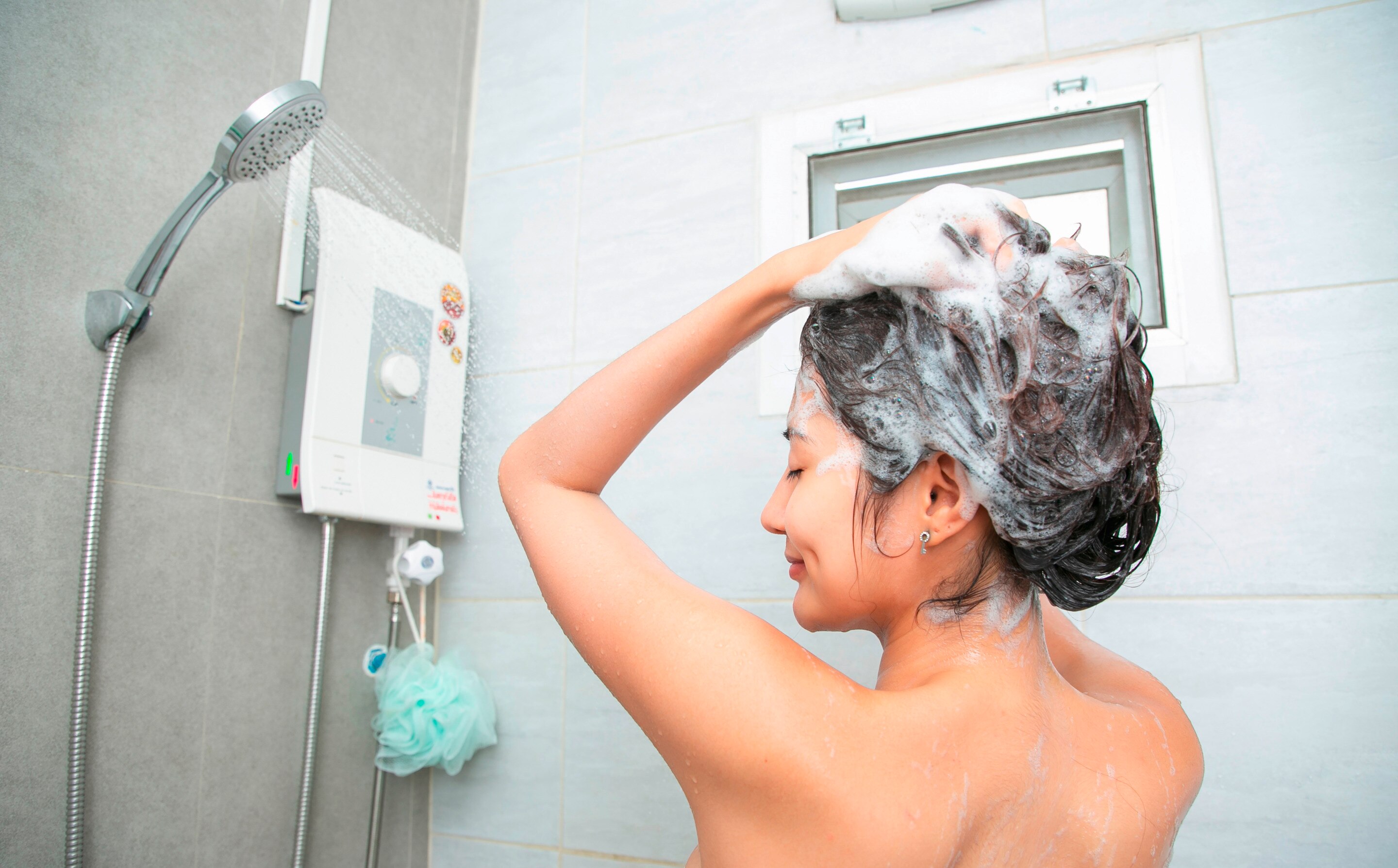
How often should you wash your hair? There’s no one answer. You need to consider various factors, such as your hair type and lifestyle, to identify the best hair-washing frequency for you. Read on to learn more about how washing your hair – and how often you do it – impacts scalp and hair health, and discover the most suitable routine for your needs.
Hair Type and Scalp Condition Matter
Some hair types require more frequent washing than others. Christine Ong, marketing director of Meinas Scalp Solutions, shares: “Generally, if you have thick or bulkier hair, less washing is needed as your hair tends to be drier. If you have thin or less dense hair, wash more often as oils and sweat can build up faster.” Below, she details the recommendation per hair type:
- Curly hair: Wash once to twice a week. Natural oils don’t travel easily along curls, so washing less frequently helps retain moisture in your locks.
- Straight hair: Depending on oil production, you can wash your hair daily or every other day. For straight hair, oils tend to spread more easily, so regular washing can help manage excess buildup.
- Coarse or thick hair: Washing once or twice a week is usually enough, as this hair type is less prone to oil buildup.
- Fine or thin hair: Wash every one or two days since this hair type can accumulate oil and sweat faster.
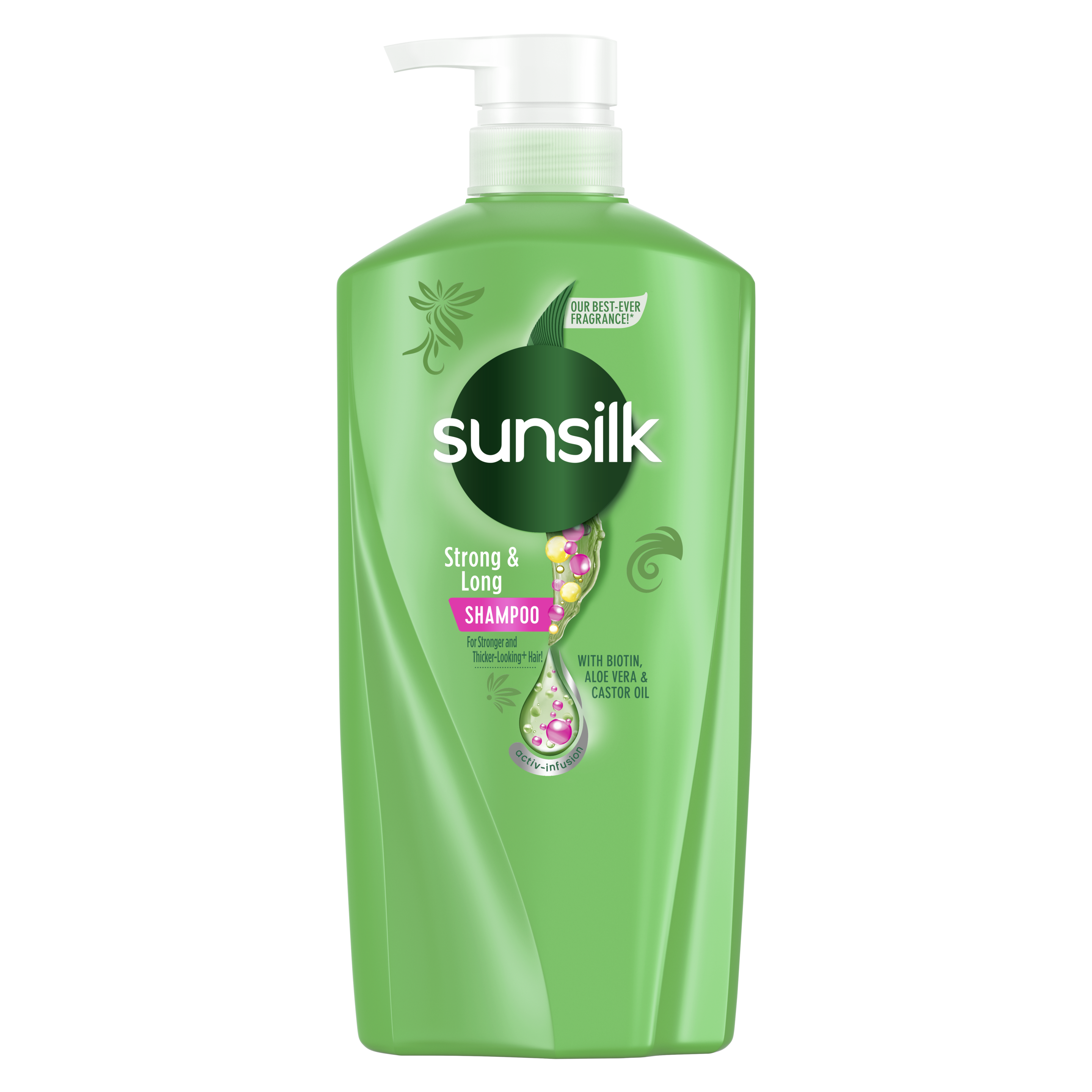
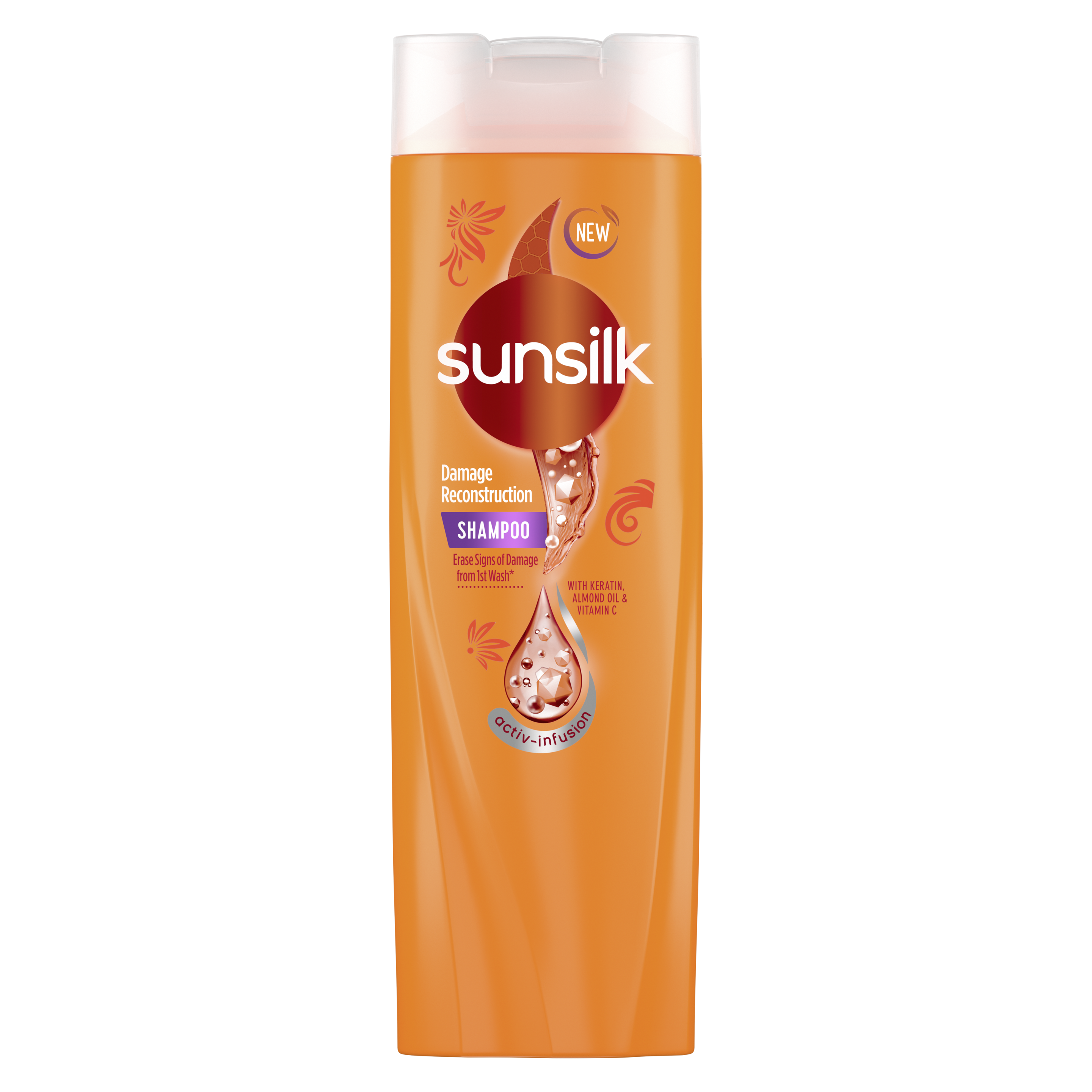
Whatever your hair type, choose products with nourishing properties that can help address its needs. Sunsilk Strong & Long Shampoo, made with a blend of biotin, aloe vera, and castor oil, is great for hair that’s brittle and weak. If your hair is damaged, Sunsilk Damage Reconstruction Shampoo has a mix of almond oils, vitamin C, and keratin to help reconstruct the hair’s surface and promote hair repair.
Consider Your Environment and Lifestyle
Jim Ryan Ros, master hairstylist and creative director of Culture Salon & Style Lounge, shares:
“People with oily skin are also likely to have an oily scalp.” In this case, washing daily is recommended. “Our skin and scalp can produce more oil because of our hot and humid weather,” he adds.
“If you work out daily, then you should wash your hair at least once a day after working out,” he says. “On the other hand, if you’re just at home or in a controlled environment where there’s no pollution, you can consider using dry shampoo or leave-in conditioners instead.”
Dry shampooing is a time-saving way to help absorb any excess oil or grease without overwashing. You can also skip a shampoo day by washing your hair in the evening and applying a leave-in conditioner before bed, so you wake up to soft and smooth hair the next day.
Another method is through co-washing your hair or washing your hair with conditioner only. This process helps retain the hair's natural oils and lock in moisture through a regular or a leave-in conditioner.
Colored and Treated Hair Need Special Care
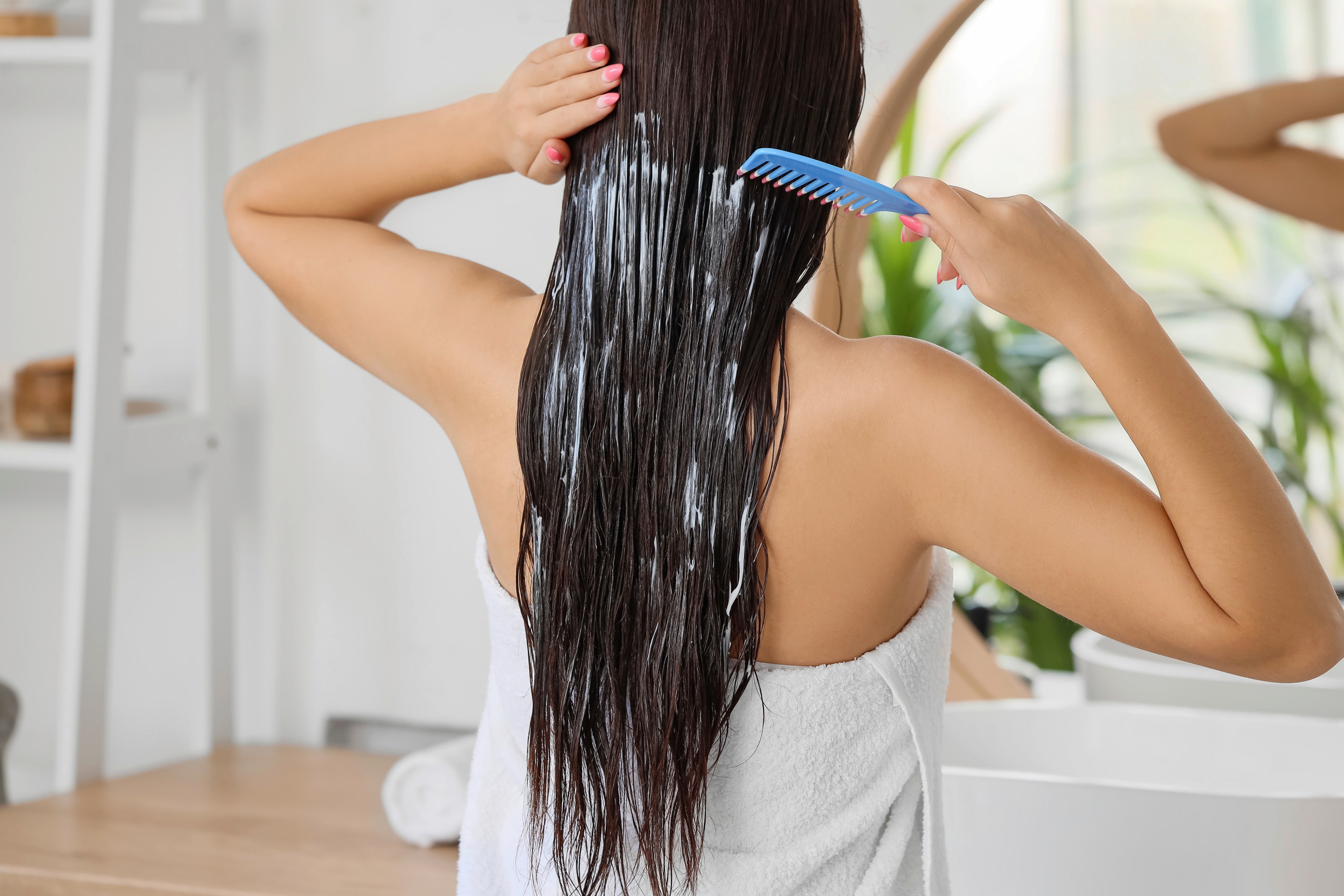
If you have colored or chemically treated hair, washing less frequently is recommended to maintain the color and avoid further damage. “If your hair is colored, it’s not ideal to wash your hair every day,” reiterates Jim. “But then again, if your hair is colored and you lead an active lifestyle, then you might just want to look for a shampoo or treatment that’s color-safe and supports hair repair, so you can wash your hair regularly.”
Christine also recommends a hair-restoring and rejuvenating treatment post-coloring. “This can help remove chemical residue and prevent irritation and dryness while promoting a healthier scalp,” she adds.
When to Wash: Morning or Evening?
It all boils down to your lifestyle. “Either option can work,” says Christine. “The key is ensuring that your hair is completely dry before going to bed. Whether you wash your hair in the morning or at night, make sure to dry your hair thoroughly to avoid potential breakage or damage.”
Deciding to wash your hair during the day or before sleeping also depends on your schedule and routine. “If you need to start your day early, you might want to take a bath and wash your hair in the evening,” adds Jim.
What Causes Greasy Hair?
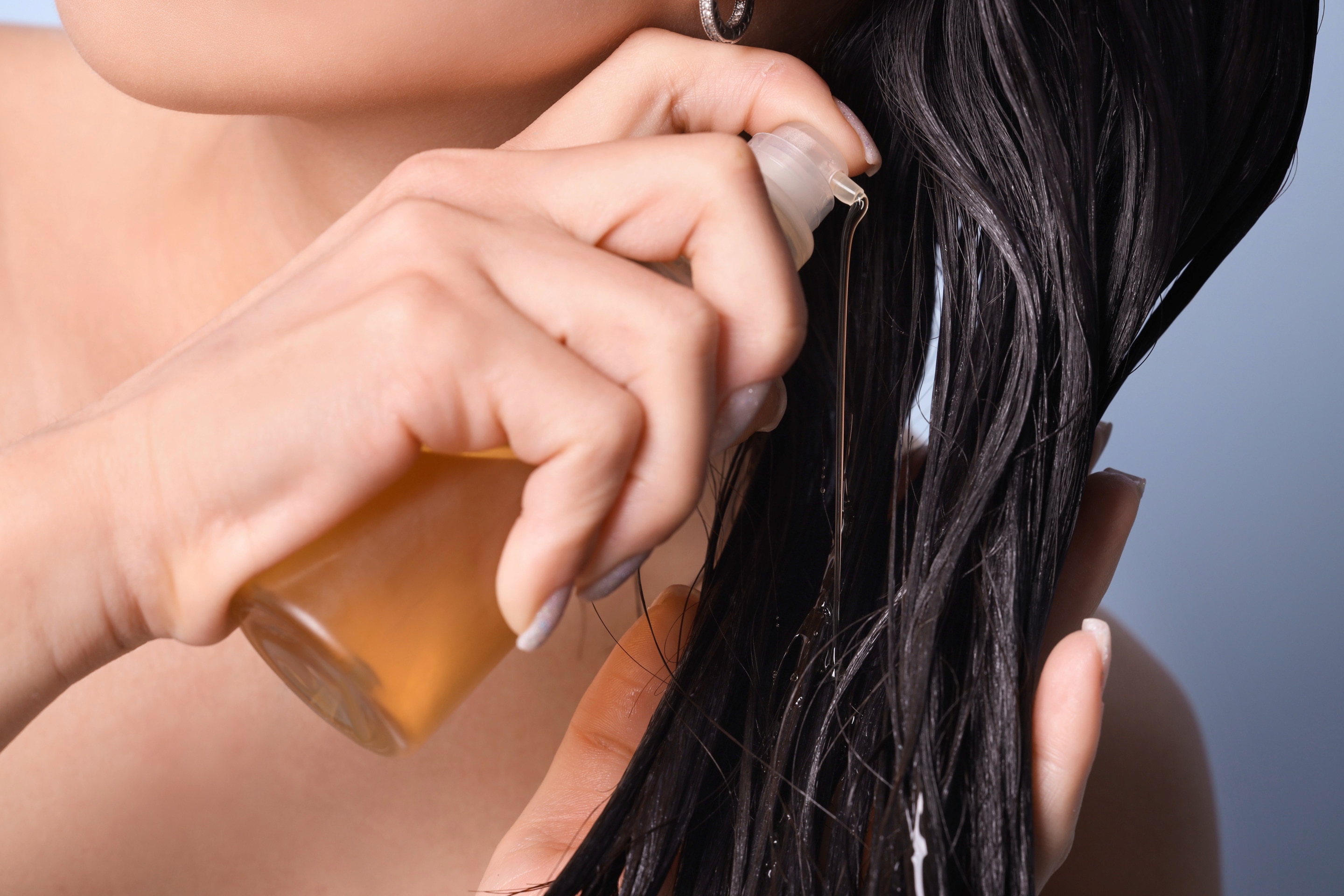
“Oil production can go into overdrive for a few reasons,” explains Christine. She details the probable factors that can contribute to greasy hair below:
- Hormonal changes: Your scalp can produce more oil during puberty, your period, or pregnancy.
- Active sebaceous glands: Some people just produce oil more naturally.
- Underwashing hair: If you’re not washing your hair enough, your scalp may overcompensate by producing excessive oil.
- Use of styling products: Heavy styling products that don’t fully rinse out can also lead to greasy hair.
The Problem With Overwashing
Understanding your hair type and scalp condition is essential. That way, you can better assess how often – and when – you need to wash your hair.
“Overwashing can strip your scalp of its natural oils, which may cause it to produce even more oil. At the same time, washing too infrequently can lead to a buildup of grease, sweat, and even residue from styling products,” says Christine. “Finding the right balance is key to keeping your hair and scalp healthy.”
Personalized Haircare
So, how often should you wash your hair? Go for a routine that’s based on your hair type, scalp condition, lifestyle, and environmental factors. Understand your hair’s unique needs and use the right products, so you can keep your mane and tresses in good condition. Here’s to more good hair days ahead!