Tips and Inspiration
From Unilever Beauty Experts


Humidity is notorious for making locks go flat, but hair volume connoisseurs know there are many other factors at play. Volume refers to how much body your hair has, how thick it looks and feels, and how lifted the strands are at the roots. Hair that lacks volume can look limp, flat, and “lifeless” overall. The first step to maintaining fullness and body in your strands is understanding your own hair. Here are some factors that may be affecting your hair’s appearance.
1. Genetics
Your genetic makeup plays a significant role in determining your hair's thickness, density, and overall volume. Some people naturally have thicker hair strands and more hair follicles, resulting in greater volume. You can also have plenty of strands but still have limp hair – it really is just the luck of the draw.
2. Hair Texture

The texture of your hair, whether it's straight, wavy, curly, or coily, affects its volume. Curly and coily hair types appear fuller because the hair strands naturally occupy more space due to their shape. On the other hand, straight, fine hair can look flat and limp (yes, even when healthy), by default.
3. Hair Diameter
The diameter of each individual hair strand influences how much volume your hair appears to have. A natural lift occurs when you have thicker, tightly packed hair strands, making hair appear to have more volume compared to thinner hair. Some thickening shampoos use ingredients that attract moisture to the strands for added width, but these results last only until the next wash.
4. Hair Length
Longer hair tends to appear thinner and flatter at the roots, especially if it's weighed down by its own length. Shorter haircuts can create the illusion of more volume because they don't have the same weight pulling them down. If your flat hair bothers you, consider booking a salon appointment to get a volume-boosting style, like a shag or wolf cut.
5. Hair Damage
The overall health of your hair, including factors like hydration, nutrition, and damage, can affect its volume. Chemically treated hair is more prone to breakage and is more likely to appear limp, resulting in a fuller look. Those with colored or rebonded hair also tend to use conditioners, hair creams, serums, and oils, which can weigh the hair down.
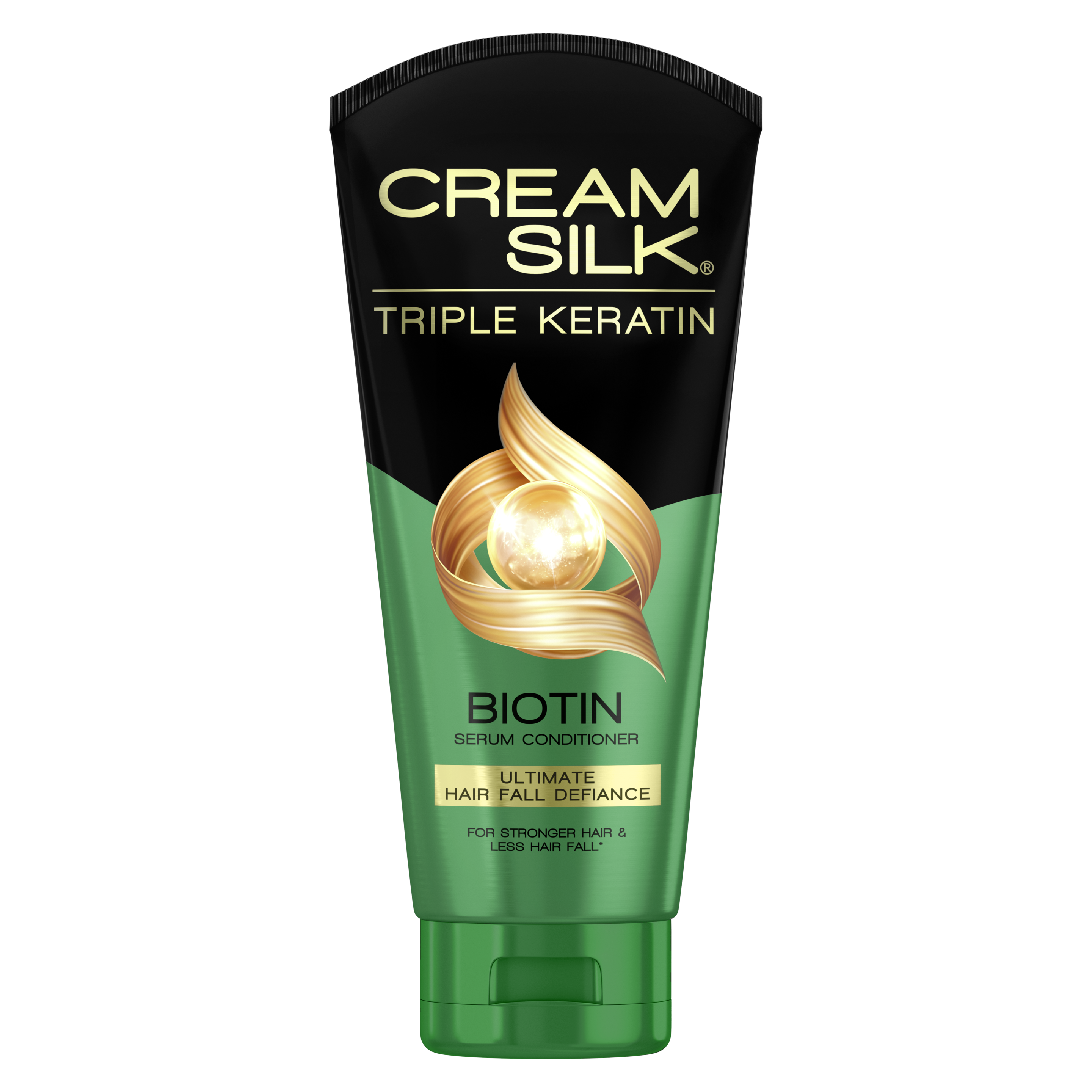
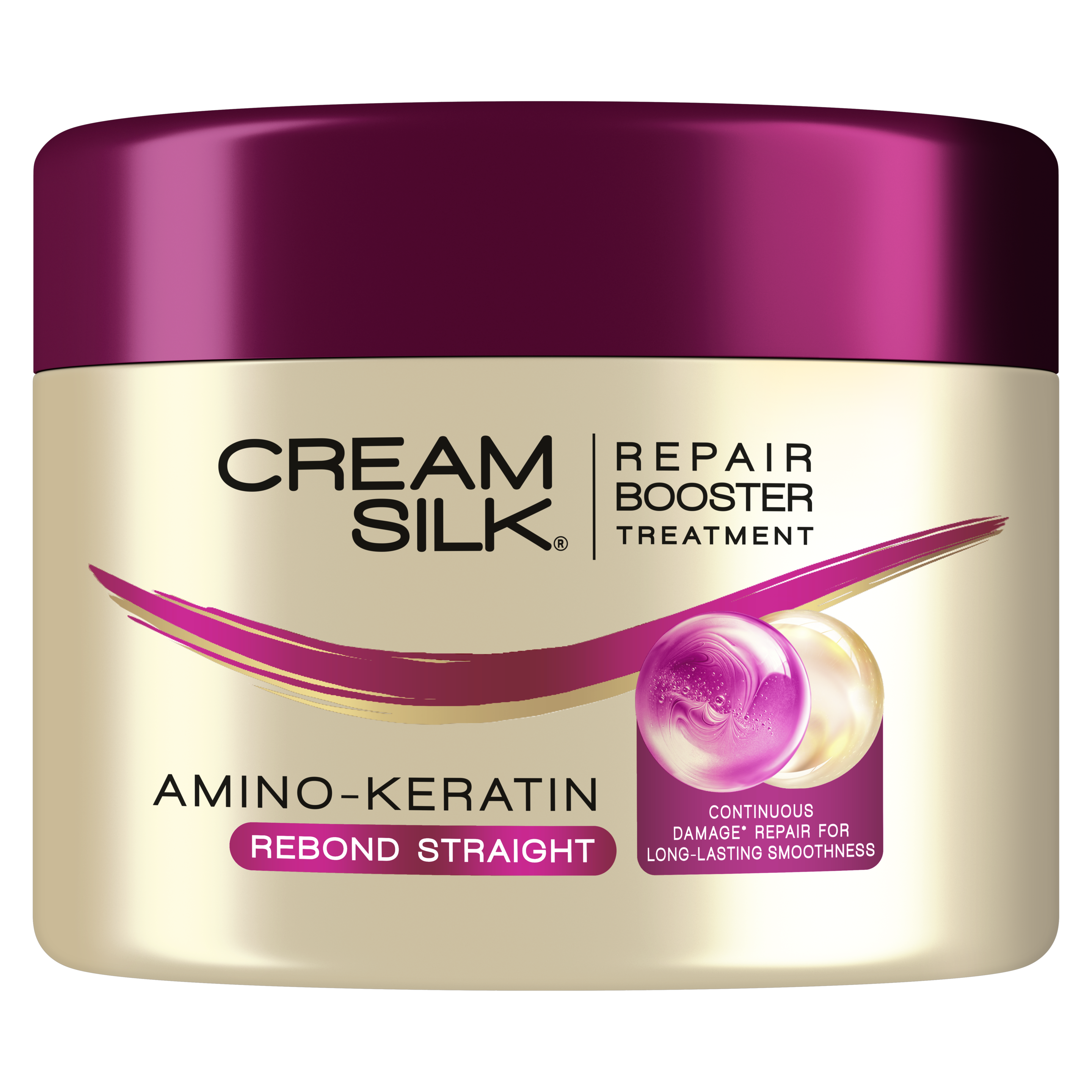
Use Cream Silk Triple Keratin Rescue Ultimate Hairfall Defiance Conditioner for 10x protection against hair fall due to damage and breakage. It has keratin relaxers, keratin serum, and keratin essence that smoothens frizz and revives dull locks. Once a week, follow with Cream Silk Repair Booster Treatment Amino-Collagen Damage Repair, a potent treatment that deeply repairs and nourishes hair for long-lasting softness.
6. Scalp Health
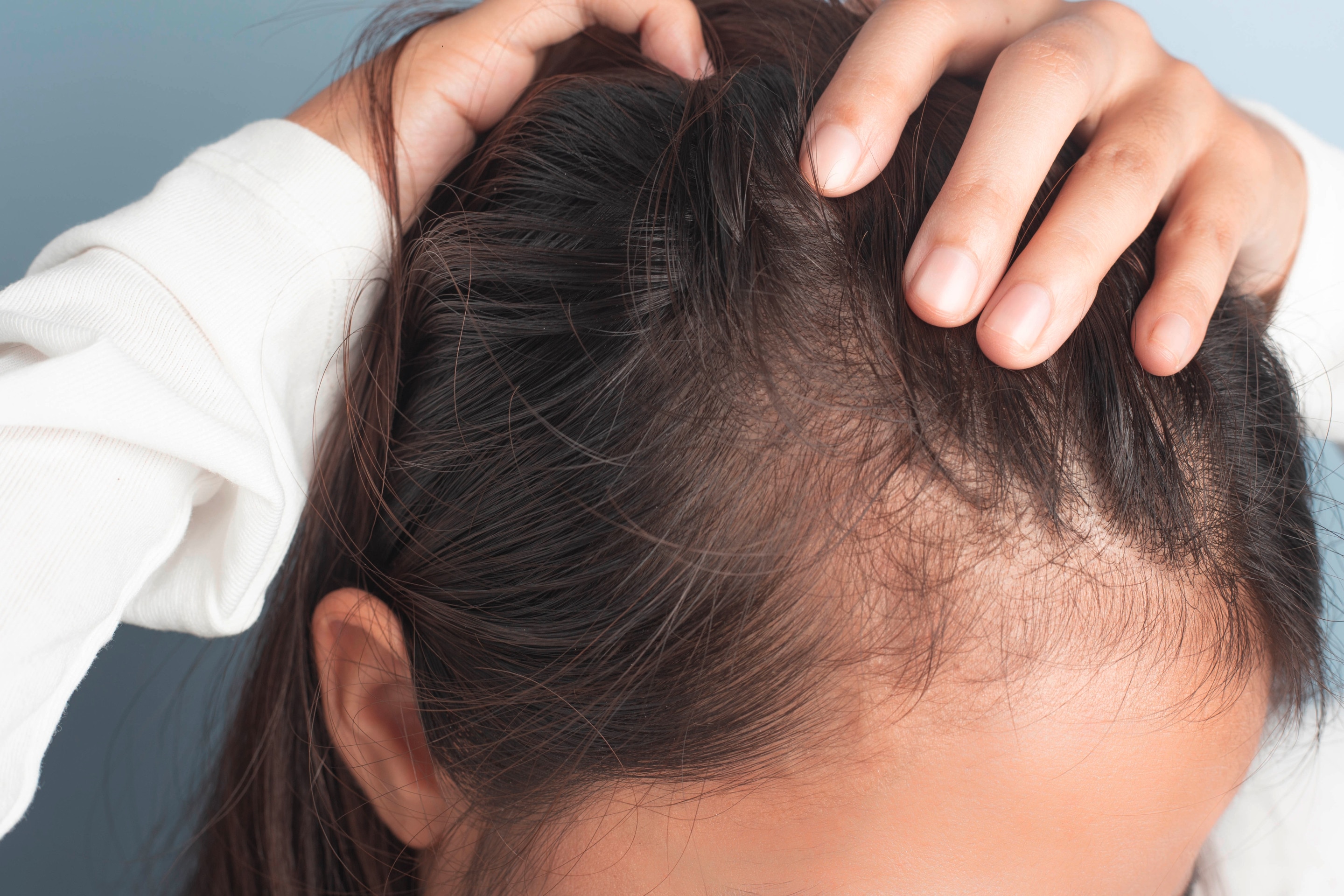
A healthy scalp provides a fertile environment for hair growth. Issues like dandruff, scalp inflammation, clogged hair follicles, and hair thinning all play a role. A volumizing shampoo, which, unlike thickening shampoo, targets the scalp to remove product residue that may be weighing hair down.
7. Hair Care Routine
The products and techniques you use to wash, condition, and style your hair can impact its volume. For example, using volumizing shampoos and conditioners, as well as avoiding heavy styling products, can help maintain volume. Not washing your hair enough is also a factor. If your scalp sweats and produces oil quickly, you need to shampoo every day, or your locks will go limp.
8. Environmental Factors
Environmental elements such as humidity, pollution, and exposure to the sun can affect hair texture and volume. Humid conditions may cause hair to appear flat, while exposure to sunlight and pollutants can lead to dryness and damage, affecting overall volume.
9. Styling Habits
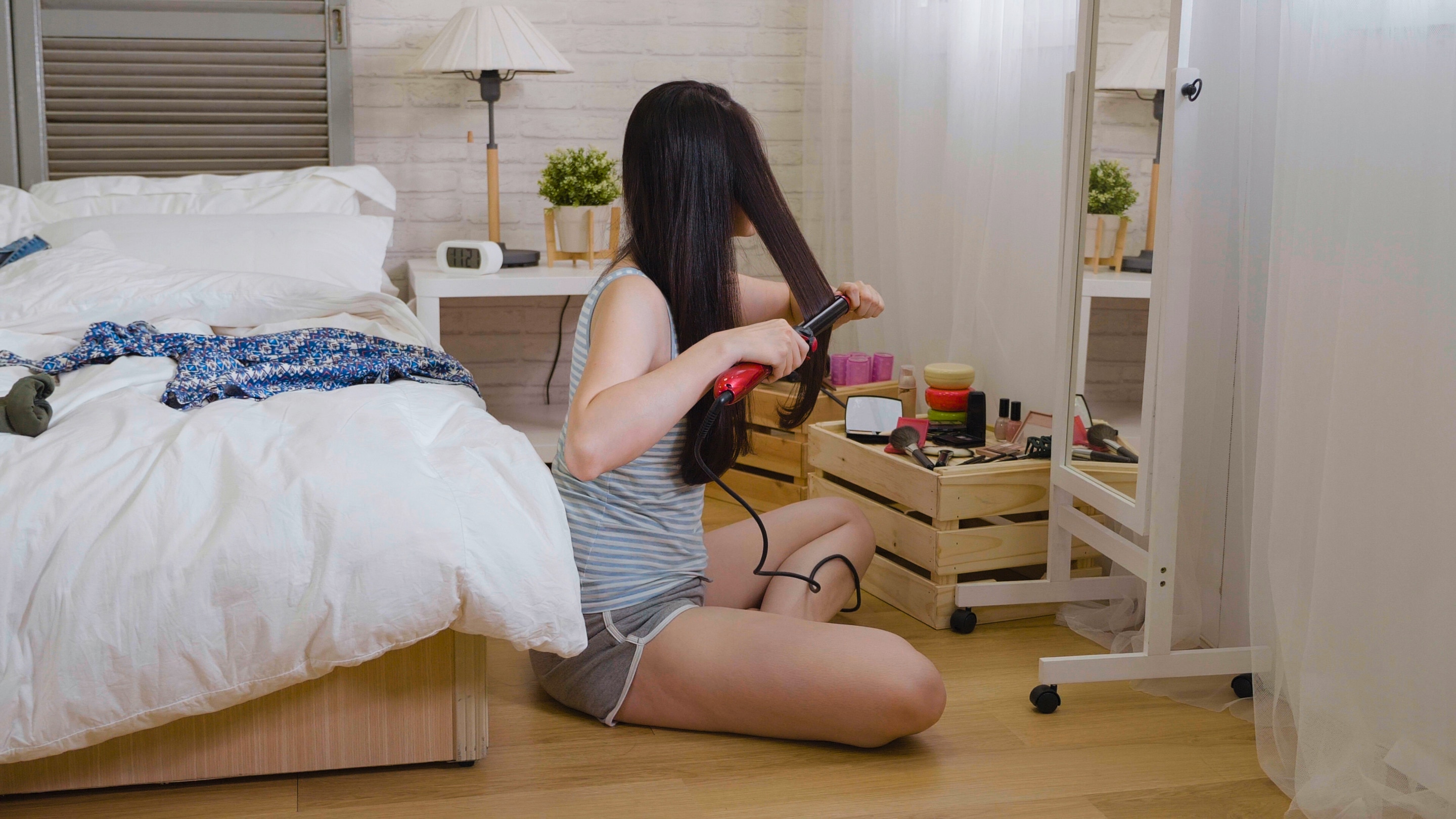
Heat styling tools like blow dryers, straighteners, and curling irons can temporarily add volume to the hair, but frequent use can also damage the hair cuticle and lead to breakage, reducing volume over time. Using a hair conditioner daily can help maintain moisture in your locks, while a heat protectant can help minimize the impact of heat styling.
10. Hormonal Changes
Hormonal fluctuations, such as those that occur during puberty, pregnancy, or menopause, can affect hair growth and texture, potentially impacting hair volume. During menopause, for example, your locks can become drier, frizzier, and thinner. You may also see a widening hair part during this period, making your roots look flat.
11. Medications and Health Conditions
Certain medications, medical treatments, and health conditions can cause hair loss or thinning, which can affect hair volume. If yours are making your hair dry, thin, or limp, don’t be embarrassed to bring up your concerns with your doctor.
Given all these factors, it’s no wonder hair volume can fluctuate over time (and through the course of a day!). So, give your hair and yourself a break, and don’t worry too much about it. Instead, focus on maintaining a haircare routine that suits your needs.