Tips and Inspiration
From Unilever Beauty Experts
;Resize=(486,122))
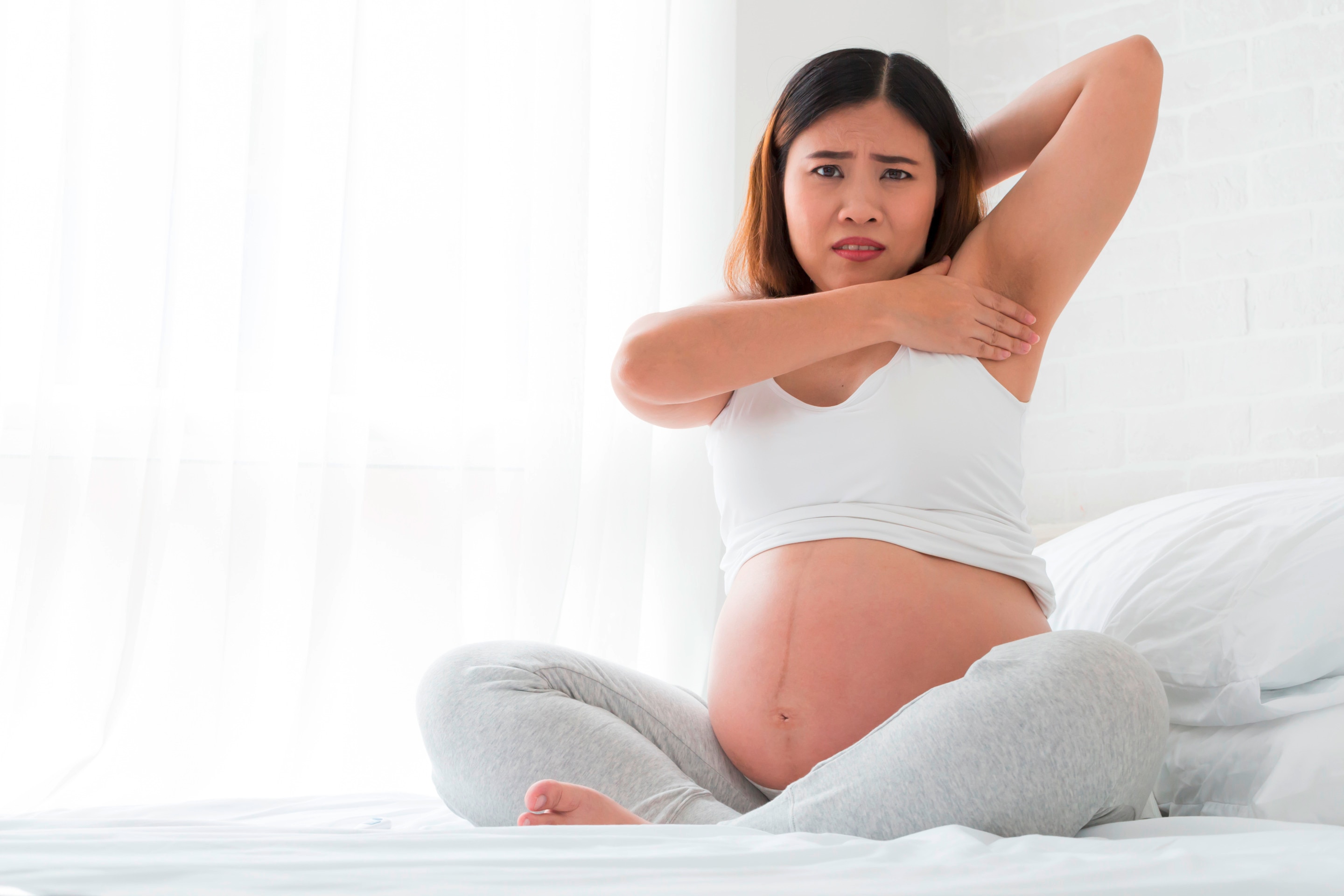
Pregnancy brings about lots of changes to your body, from swollen feet to stretch marks. Some women also notice discoloration in their underarm area during this period. While having dark armpits is not at all harmful, it’s a common but overlooked issue for many expecting moms. If it’s something you’d like to prevent or address, scroll on for tips to help brighten your prenatal kili-kili.
Why Do Underarms Get Darker During Pregnancy?
To understand how to tackle dark spots on the armpits, you need to look at what’s causing them in the first place.
1. Your hormones are going haywire.

Pregnancy can take your hormones on a wild ride. Your estrogen and progesterone, in particular, are at their highest by the time you reach the second trimester. These changes play a crucial role in fetal development and other bodily functions, but your skin often bears the brunt of it.
The sky-high levels of estrogen and progesterone that come along with pregnancy (or fertility treatments) can cause dark armpits and hyperpigmentation in other locations. So, if you notice some darkening in your underarms and, say, your nipples and inner thighs, it’s most likely due to your surging hormones.
2. Your clothes are digging into your skin.
It can be hard to figure out what you’re going to wear when you’re living in a body that’s changing every day. Suddenly your favorite bra or tank top feels too tight around the bust and rubs against your underarms. The friction can trigger the skin to produce more brown pigments or eumelanin, which is what causes dark armpits.
3. You don’t use enough SPF.

Sun protection is important all the time, especially during pregnancy. Since your hormones are climbing up, your skin becomes even more sensitive to UV rays. This is not limited to just your face and arms. Your armpits, which are usually neglected when it comes to sunscreen application, are also at risk.
4. You’ve developed insulin resistance.
As your pregnancy progresses, it’s possible that your body slowly loses its ability to respond to insulin due to an uptick in cortisol and other hormones. This condition (also known as insulin resistance) can cause acanthosis nigricans – dark, velvety patches that tend to appear on skin folds, such as the underarms.
Not everyone with insulin resistance will get diabetes. Still, if you notice any darkness around your underarms that wasn’t there before, schedule a consultation with your OB-GYN.
Do Dark Armpits Go Away After Pregnancy?
In most cases, dark armpits fade away on their own a few months post-partum – that is, if they’re hormone-related. Your estrogen as well as progesterone levels will relax, and the increased melanin production will subside. However, how fast the skin brightens varies from person to person.
How to Avoid and Address Dark Underarms

A good underarm care routine can help even out your skin tone. The simpler, the better. Start by exfoliating the skin around your kili-kili weekly with a body scrub or glycolic acid. Exfoliation helps remove dead skin and encourage cell turnover, promoting brighter armpits.
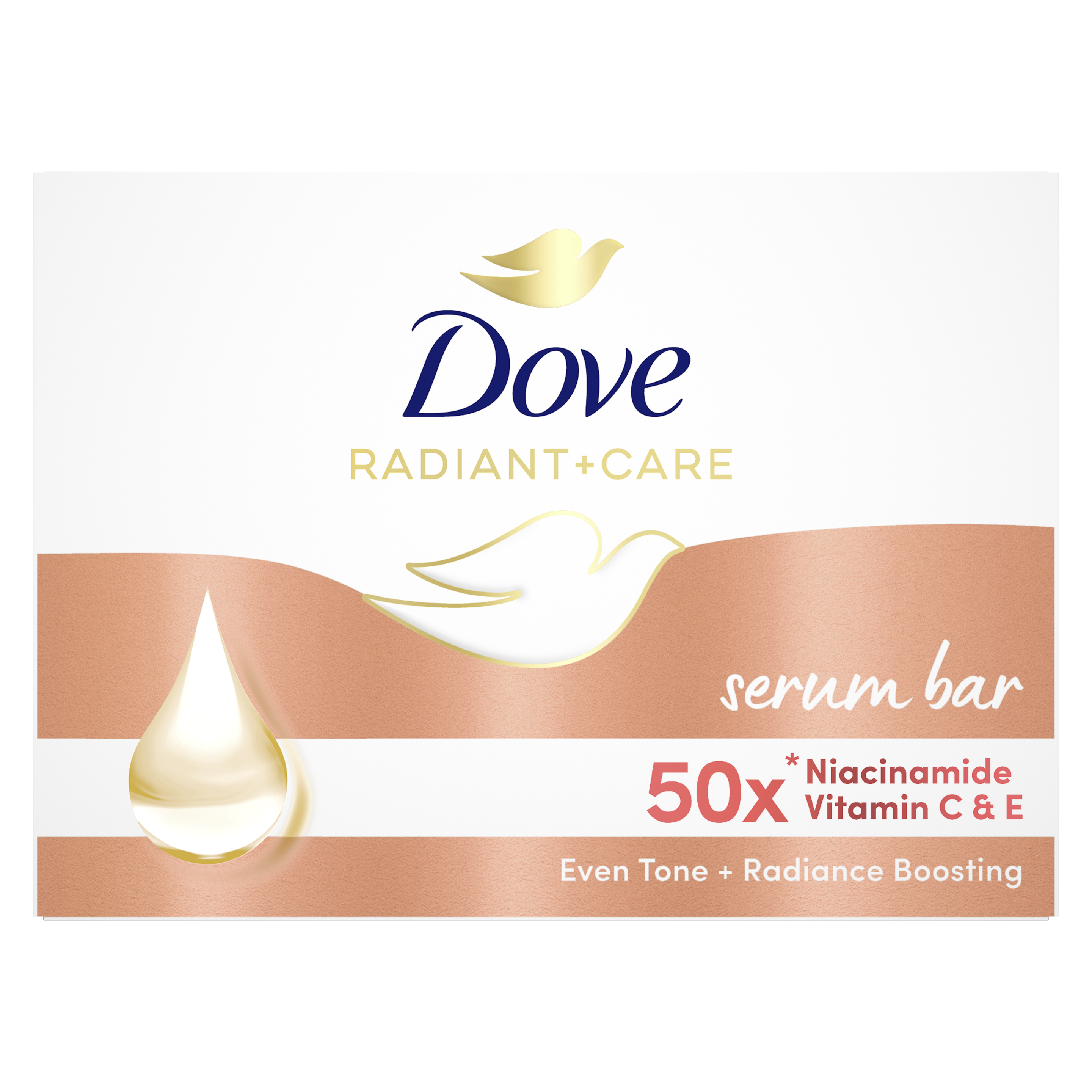
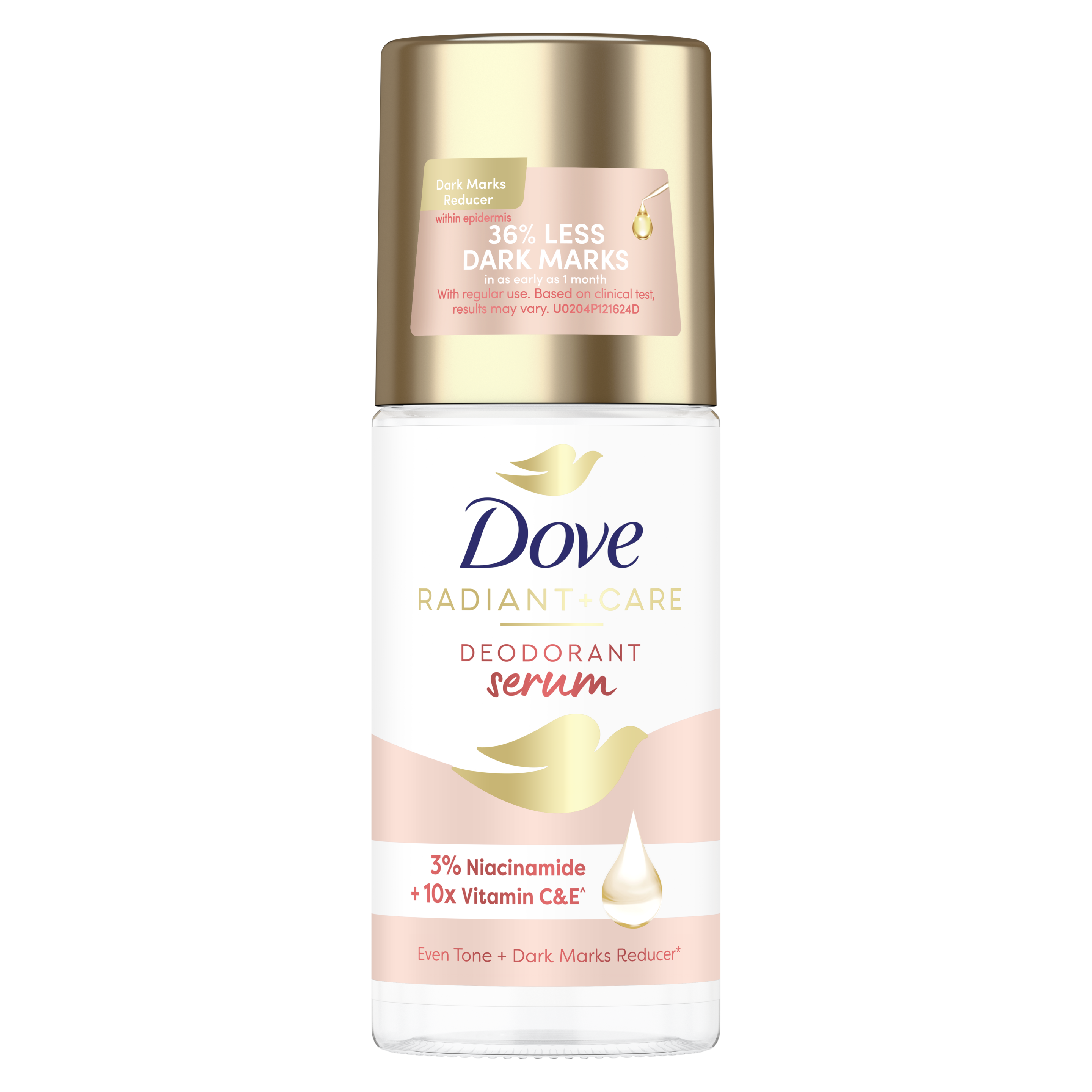
Next, moisturize and protect your underarms from B.O. with Dove Radiant + Care Serum Bar 50x Niacinamide 10x + Vitamin C & E. The combination of niacinamide and vitamin C inhibits excessive melanin production and reduces dark marks on your axilla region. You can also try Dove Radiant + Care Deodorant Serum Roll-On 3% Niacinamide 10x Vitamin C & E Dark Marks Reducer for a mess-free application. However, be sure to check with your doctor before adding new items to your body care routine.
The last and most important step is to cover your underarms with sunscreen, whether you’re going out in a sleeveless top or an oversized T-shirt. Find a broad-spectrum formula with SPF 30 or higher and remember to reapply every two hours.
Before you do anything else, always consult your doctor to know the dos and don’ts of brightening dark armpits during pregnancy. Avoid products like lightening creams and topical retinoids while expecting and breastfeeding. If the hyperpigmentation persists long after childbirth and it’s bothering you, don’t hesitate to visit a dermatologist.