Tips and Inspiration
From Unilever Beauty Experts
;Resize=(486,122))
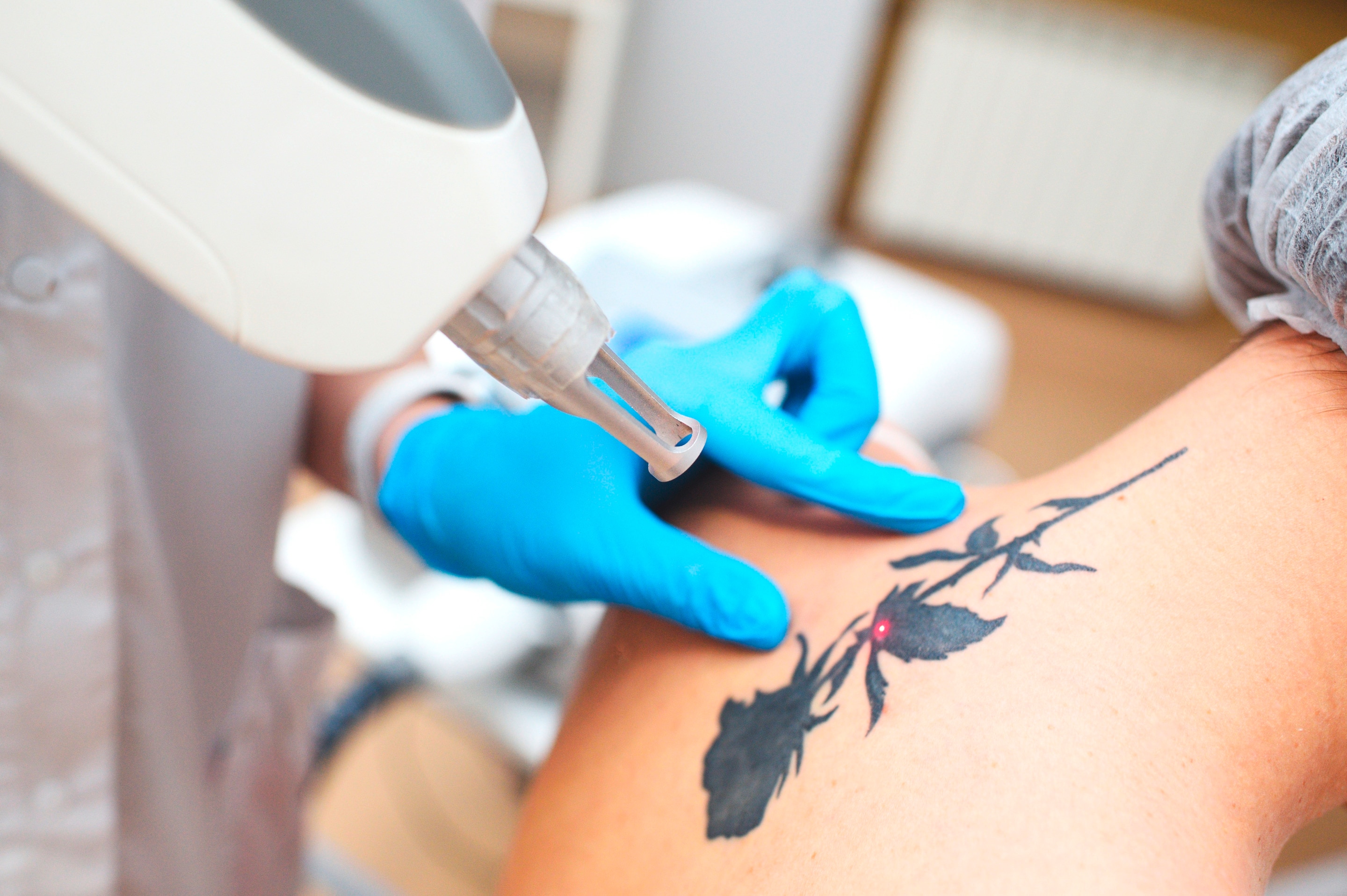
So you want to say goodbye to your tattoo? Before getting it removed, it’s important to know what really goes into tattoo removal before and after. More than the procedure itself, your skin’s condition plays a big role in how well the treatment will work and how fast the area will heal. Before you go searching for things like “how to schedule a consultation for tattoo removal treatment” or “where to buy at-home tattoo removal kits with good results,” here are vital reminders you need to know to keep your skin happy.
How to Prepare Your Skin
Tattoo removal is no walk in the park and requires your skin to be in its best condition. For favorable results and little to no issues, prepping weeks beforehand is important. Note down these tips before you schedule that de-inking.
1. Moisturize and stay hydrated.
Keeping your skin healthy and hydrated leading up to the procedure helps it respond better and heal faster, too. Days before your appointment, moisturize the area regularly and drink plenty of water, so you won’t feel faint or light-headed during the session.
2. Avoid sun exposure or tanning.

Tanning, whether artificial or not, can result in sensitive skin and cause complications during your tattoo removal. Stay away from sun exposure or tanning beds for at least four weeks. The procedure is uncomfortable enough – you wouldn’t want to deal with discoloration or blistering issues after. If you can't avoid the sun, wear protective clothing and slather on a broad-spectrum sunscreen with high SPF to keep the area protected.
3. Skip exfoliants and active skincare ingredients.
Press pause on exfoliation and other skincare products with retinoids or glycolic acid. Much like sun exposure, they can make your skin extra sensitive and cause irritation or other complications during the procedure. For at least two weeks, keep your routine simple: use a gentle cleanser, a quality moisturizer, and a high-SPF sunscreen.
Aftercare Tips for Skin Recovery
Your skin will need a lot of TLC for a while, especially if you want to reduce the risk of scarring. Resist the urge to pick at the area and stick to these skincare reminders.
1. Ice the area.
Soothe and calm swelling by putting ice on the site an hour after your session. Get an ice pack and wrap it with a thin cloth before placing it on the area for 10 to 15 minutes. Don’t leave it on for too long to prevent ice burn and blisters.
2. Avoid sweating too much.
It’s vital to keep the area dry in the first three to five days. That means staying away from hot showers and minimizing physical activity, like working out or jogging. To keep it clean and sterile, wash the area only with mild soap and lukewarm water twice a day.
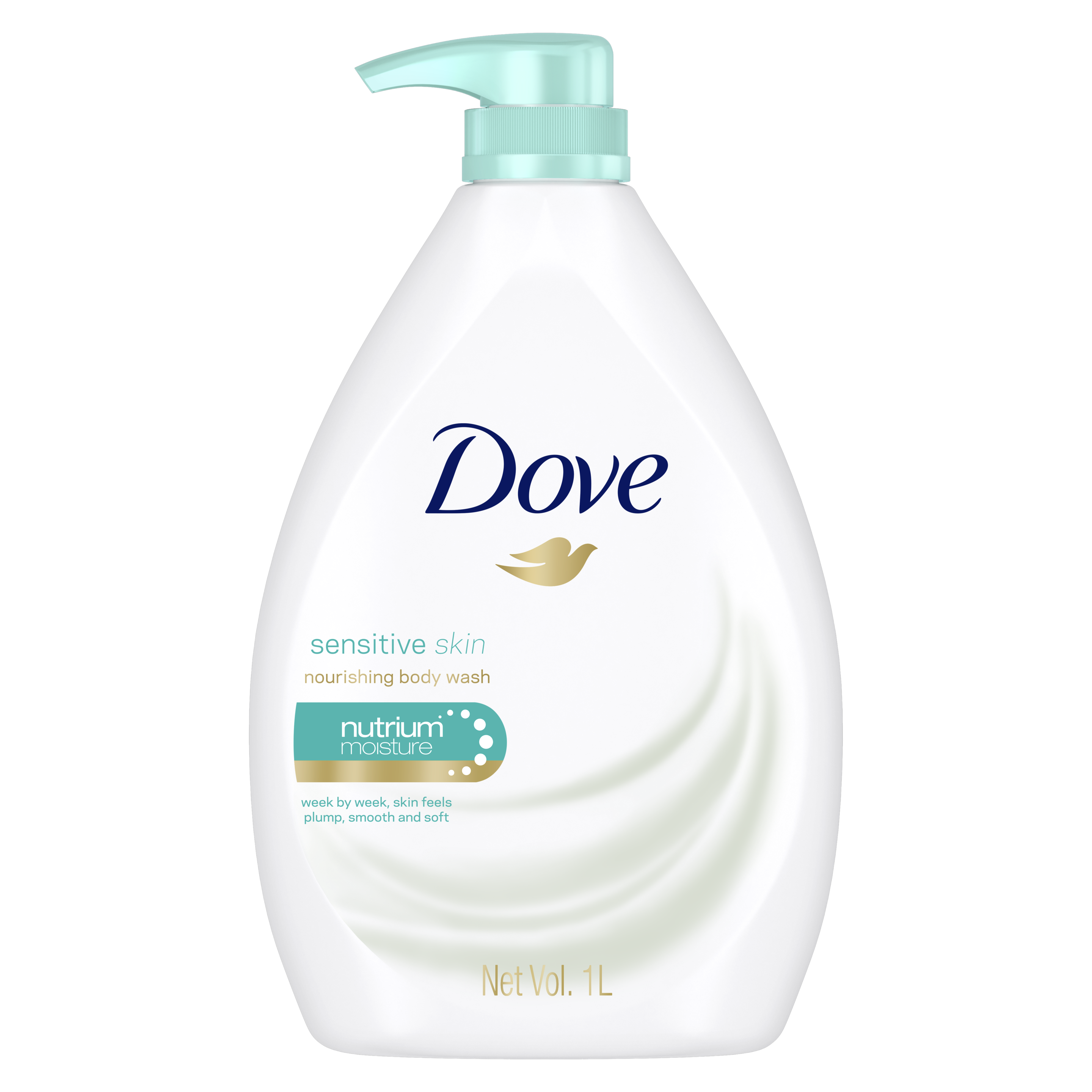
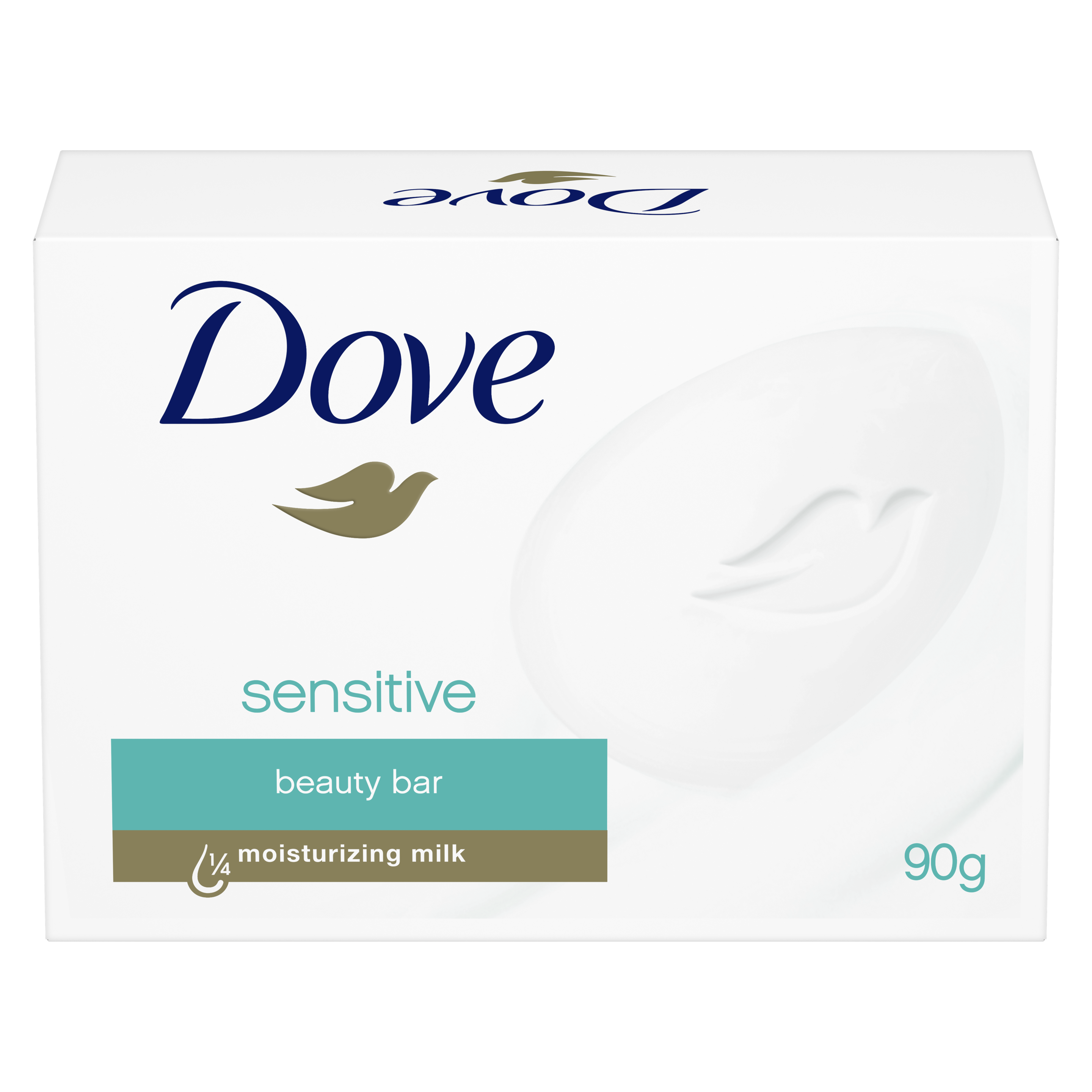
Shower with a gentle cleanser, like Dove Sensitive Skin Body Wash. Formulated with Moisture Renew Blend, it’s sulfate-free and helps hydrate your skin. If a bar’s more your speed and you have fussy skin, Dove Sensitive Beauty Bar is best for you. Hypoallergenic and dermatologist-recommended, it contains ¼ moisturizing cream, leaving your complexion soft and smooth to the touch.
3. Moisturize and apply sunscreen.
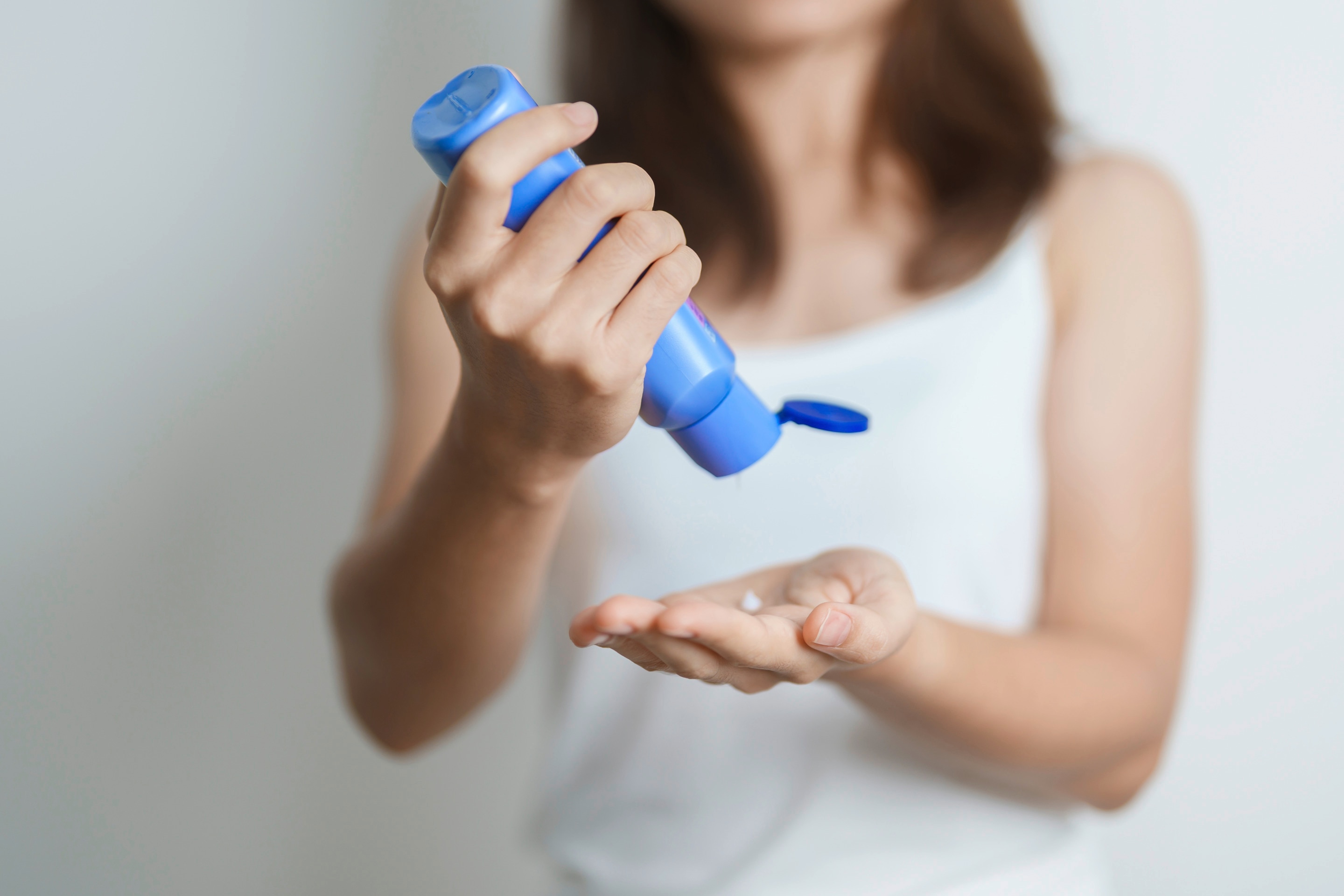
When it comes to tattoo removal, the before and after will both require you to hydrate and protect your skin. Moisturizers with vitamins A and D can reduce irritation and itching. Sunscreen with at least SPF 50+ helps the area heal faster by protecting it from harsh sun rays. Plus points if you wear clothing that covers the area when you’re outdoors.
4. Try aloe vera gel.
Another hack to reduce redness and irritation? Aloe vera gel. Don’t get too excited, though, because you have to wait 48 hours after the procedure before applying it to your skin. Scoop a thin layer and gently massage it on the area thrice a day for a soothing and calming effect.
Quick Tattoo Removal Facts
Laser and surgical tattoo removal are both viable methods to erase your ink effectively. If you come across other options being peddled on the internet, keep scrolling to find out why you should stay away from them.
It’s dangerous to remove your tattoos with salt.
Attempting tattoo removal with salt can only do more harm than good. You might be tempted by videos showing that you can get rid of your tattoo for cheap with a salt mixture – don’t fall for it. As per the American Academy of Dermatology Association, salabrasion, or the method of removing the top layer of your skin and rubbing it with salt, is painful and may result in scarring and serious infection.
Don’t rely on tattoo removal creams and ointments.
There’s little to no evidence that tattoo removal creams actually work. Some might claim to render your tattoos less noticeable, but that alone isn’t worth it, unless you want to risk damaging your skin. This could include rashes, burning, and inflammation. The same goes for tattoo removal ointments – in fact, the FDA has not approved these products as safe and effective for erasing tattoos.
Following these tips for tattoo removal before and after your session can make all the difference in the healing process. Stay consistent in giving your skin extra attention, and soon you’ll have a smooth complexion again, all ready for a fresh start.