Tips and Inspiration
From Unilever Beauty Experts

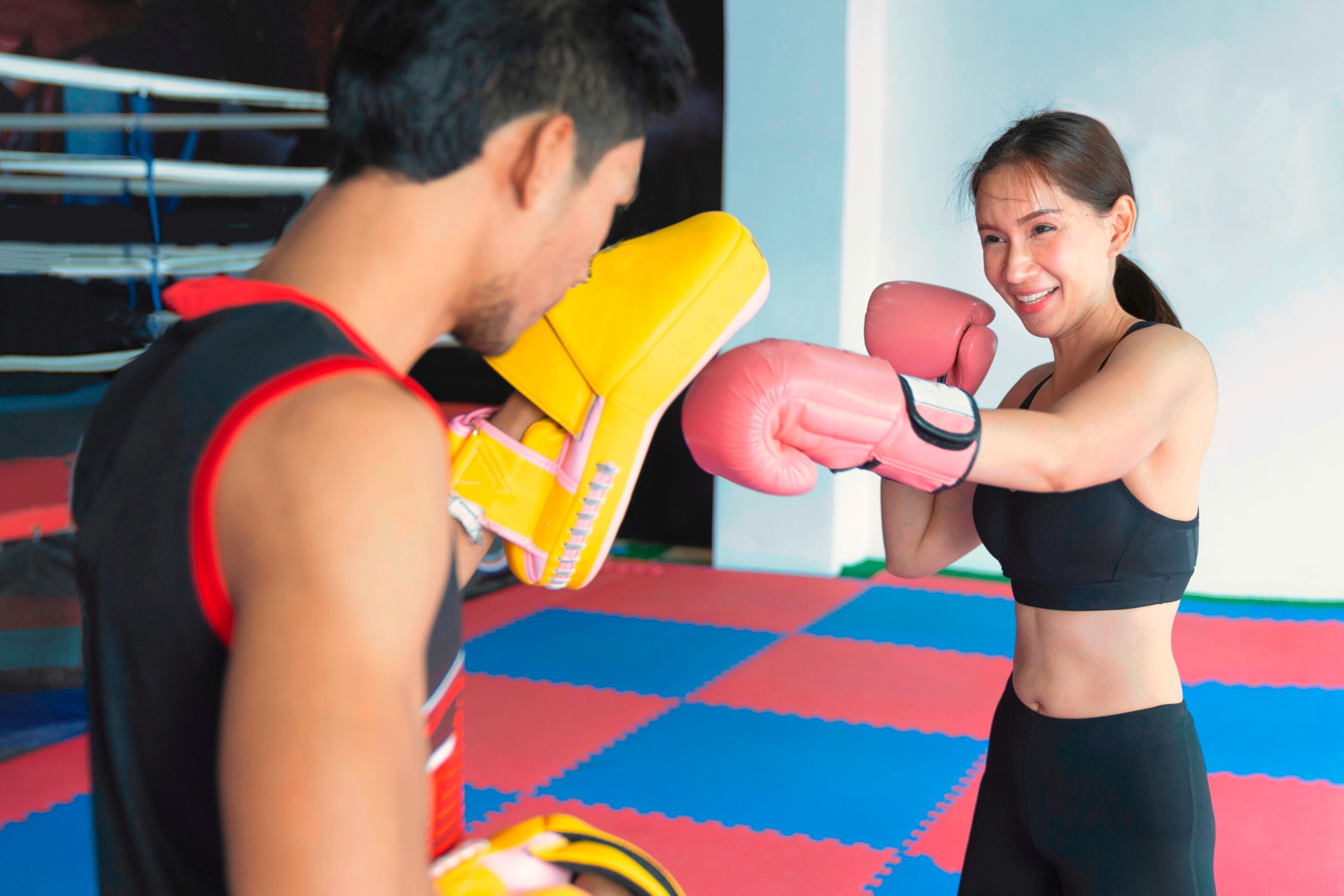
If Muay Thai looks like an intense sport, that’s because it is. But that’s also why it’s worth a shot. Whether you’re interested in fighting or getting fit, a Muay Thai workout requires high-energy drills, power and speed, precision and accuracy, discipline, and a fight IQ. You need to be curious, open-minded, and know how to have fun to take up the sport.
Want to know if this combat sport is right for you? Below is a lowdown of what you can expect and how to get started – no experience needed.
What Is Muay Thai?
Muay Thai translates to “Thai boxing” and is regarded as Thailand’s national sport. It is an ancient martial art known as the “Art of Eight Limbs,” referring to the two fists, two elbows, two knees, and two shins you use as your striking weapons.
The benefits of this practice include a full-body workout, improved posture, coordination, and balance, increased stamina and endurance, better power, and learning self-defense.
Is Muay Thai Good for Beginners?
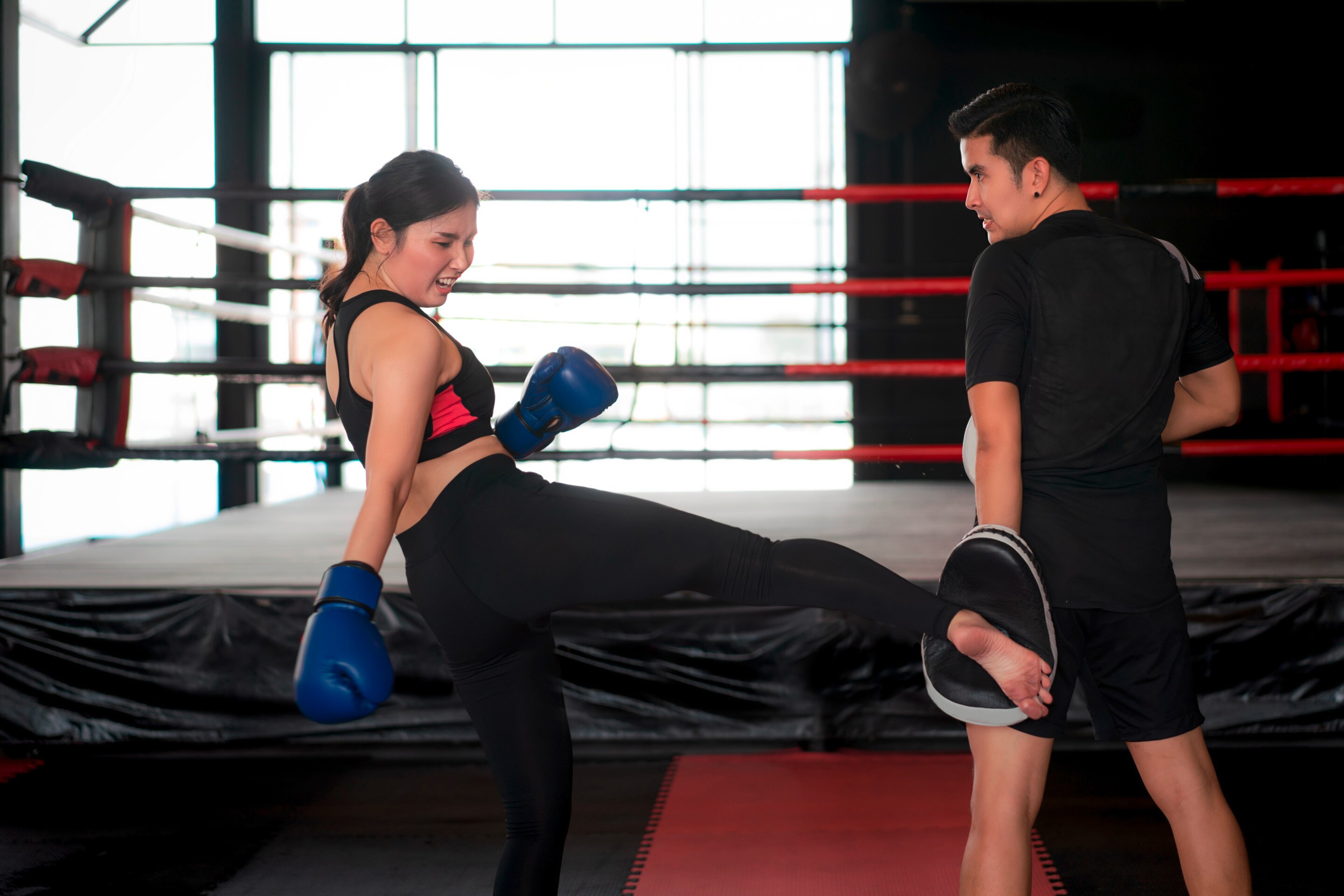
It may seem scary or intimidating, but you can learn Muay Thai regardless of your fitness level. Classes are beginner-friendly and often have a welcoming and supportive community. Don’t worry, you won’t be asked to clinch or spar from the get-go. You can try it out when you’re ready.
How Long Does It Take to Learn Muay Thai?
There’s no single answer to this question as progress varies per student. Your age, fitness level, and how often you train are factors to consider. But as with any sport and discipline, the more you do it, the more confident and comfortable you become.
Tips for Muay Thai Newbies
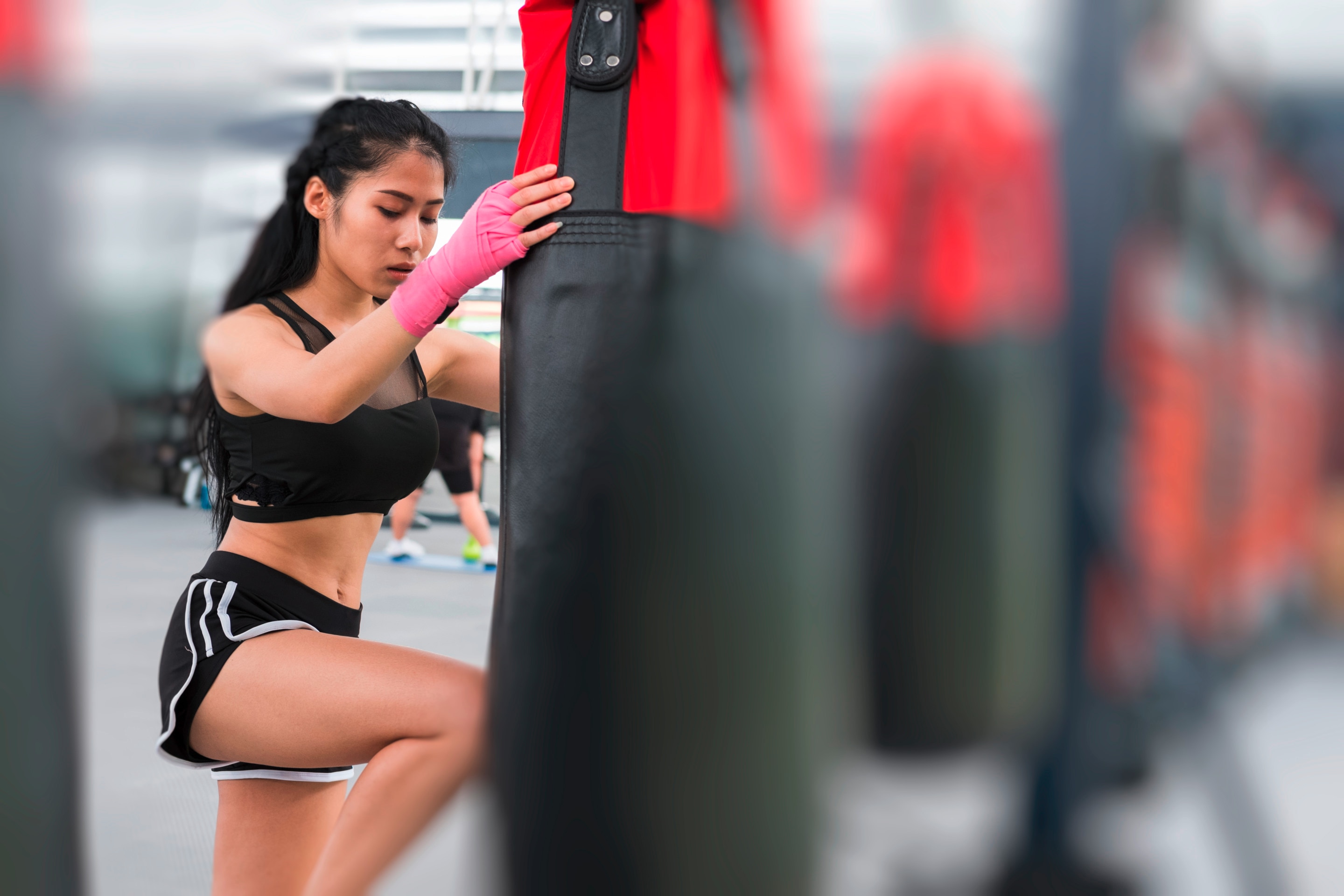
It’s common to feel apprehensive or anxious when learning something new. But, as they say, do it scared. Chances are, you’re only hesitant because you’re unsure of what to expect – and that’s fine. Below are helpful tips on what to prepare for a Muay Thai workout to help you get started.
1. Come to class prepared.
Being on time shows commitment. Be at the gym a few minutes before class to get yourself comfy and settle in. Wear workout clothes that you can really move in and won’t make you feel self-conscious. A tank top and double-layered shorts are good. Keep your hair away from your face because you’ll sweat. A lot. Bring a face towel, a water bottle, and a fresh change of clothes.
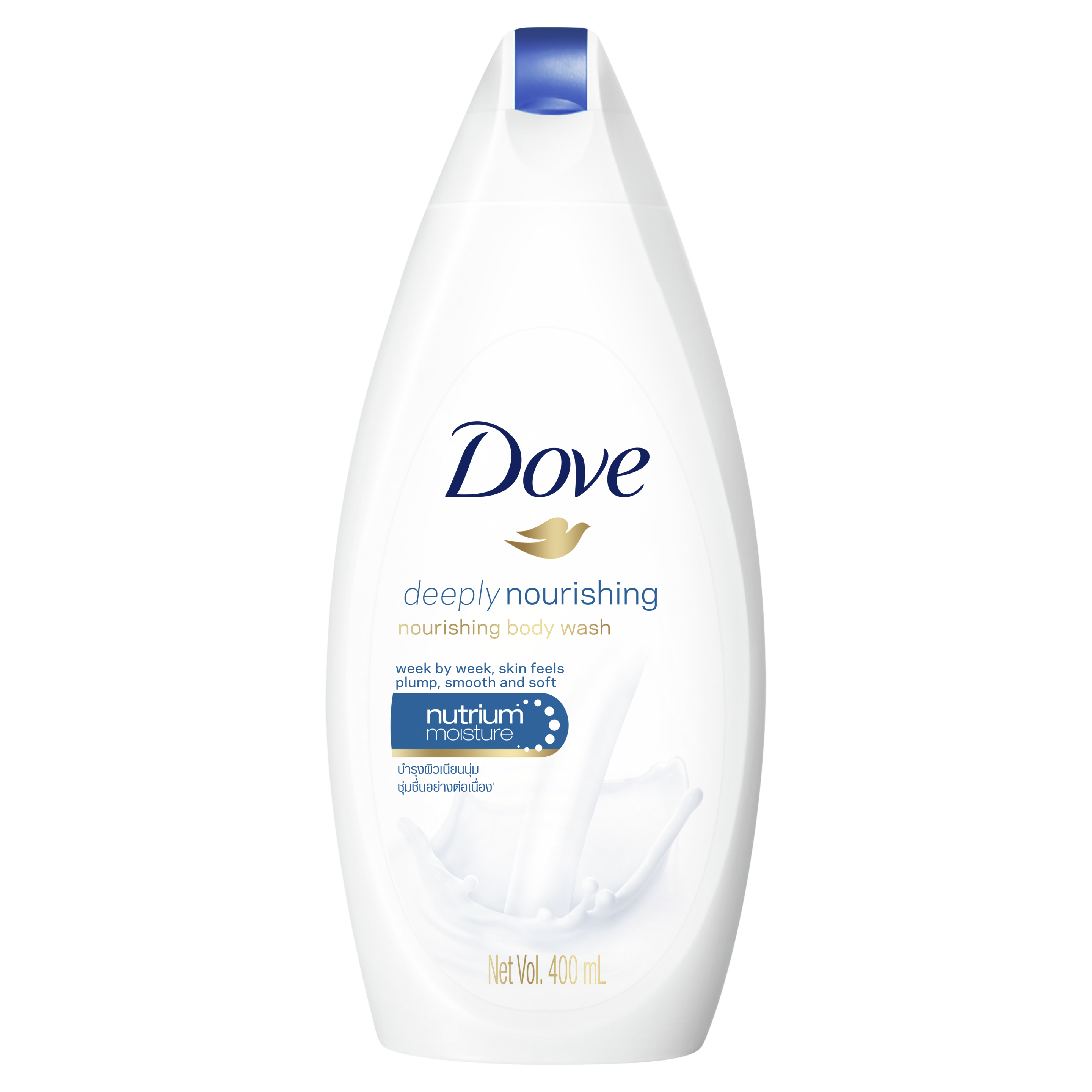
Expect to end the session looking super hulas, with your hands soaked in sweat and your feet dirty. Don’t forget to pack Dove Deeply Nourishing Body Wash to give yourself a revitalizing, after-training shower. Its formula helps keep your skin hydrated after an intense workout. Practice good hygiene and wash your hands thoroughly with Lifebuoy Antibacterial Handwash Lemon Fresh, which has powerful germ-fighting ingredients that help eliminate harmful bacteria.

2. Take it one step at a time.
Looking silly, falling and missing, and getting bruised are all part of the learning experience. It’s okay to feel clumsy at first – everyone starts somewhere. So don’t rush and take time to master the fundamentals: stance, balance, footwork, strikes, and techniques.
3. Immerse yourself.
Like learning a language, you become more fluent by listening to music, watching shows, or conversing in that foreign tongue. In Muay Thai, it helps to watch fights, learn its history, or read about kru-approved tips and tricks.
Continuing your drills at home can also make a difference. Shadow-box with intensity. Check your form in the mirror. Practice on a punching bag.
4. Ask questions.
Is your stance correct? You need to be in proper form before focusing on strikes. Where should you buy your gear? You wouldn’t want to be training using gloves that don’t fit you. Remember, you’re not expected to know everything the first time. That’s why you’re working with a coach. It’s better to ask than continue with wrong information.
5. Record your sessions
Body awareness is one thing. You soon learn what a good jab feels like, or why your roundhouse kick bruises your foot (it shouldn’t!). But another helpful practice is to see and review how you move. It’s always good to record yourself to assess for later. That way, you can spot mistakes and correct them next time. It’s also how you can keep track of your progress.
6. Take recovery seriously.
A Muay Thai workout session will have one- to three-minute breaks between drills on the bag or pad work. It’s one way to pace yourself so you don’t gas out. The same principle applies when you’re on your rest day.
Train hard during your sessions and rest the next day to allow your body to recover. As a beginner, you may get bruises from the impact of your kicks and blows or even small cuts on your skin as it grazes the leather of the pads or punching bag. Give yourself the time you need to recuperate so you can go back to practicing feeling 100 percent.
7. Invest in quality gear.
Unlike in other sports where it’s okay to rent gear (like a volleyball or a tennis racket), Muay Thai gear is more personal and unhygienic to share. Read: You’ll sweat intensely on your hand wraps and gloves.
It pays to get good quality gloves. The ones from reputable Thai-made brands may cost a lot, but they’re worth the investment. It’s your safety on the line here. For budget-friendly options, gloves from sports shops will do for beginners’ training.
Try to sign up for a class at least once and see where it takes you. No pressure! At the very least, a Muay Thai workout will help you become strong and fit, which isn’t so bad, right? Owee!